
 By Declan Barry
What to Pack for Japan in Autumn: Essential Items for Your Trip
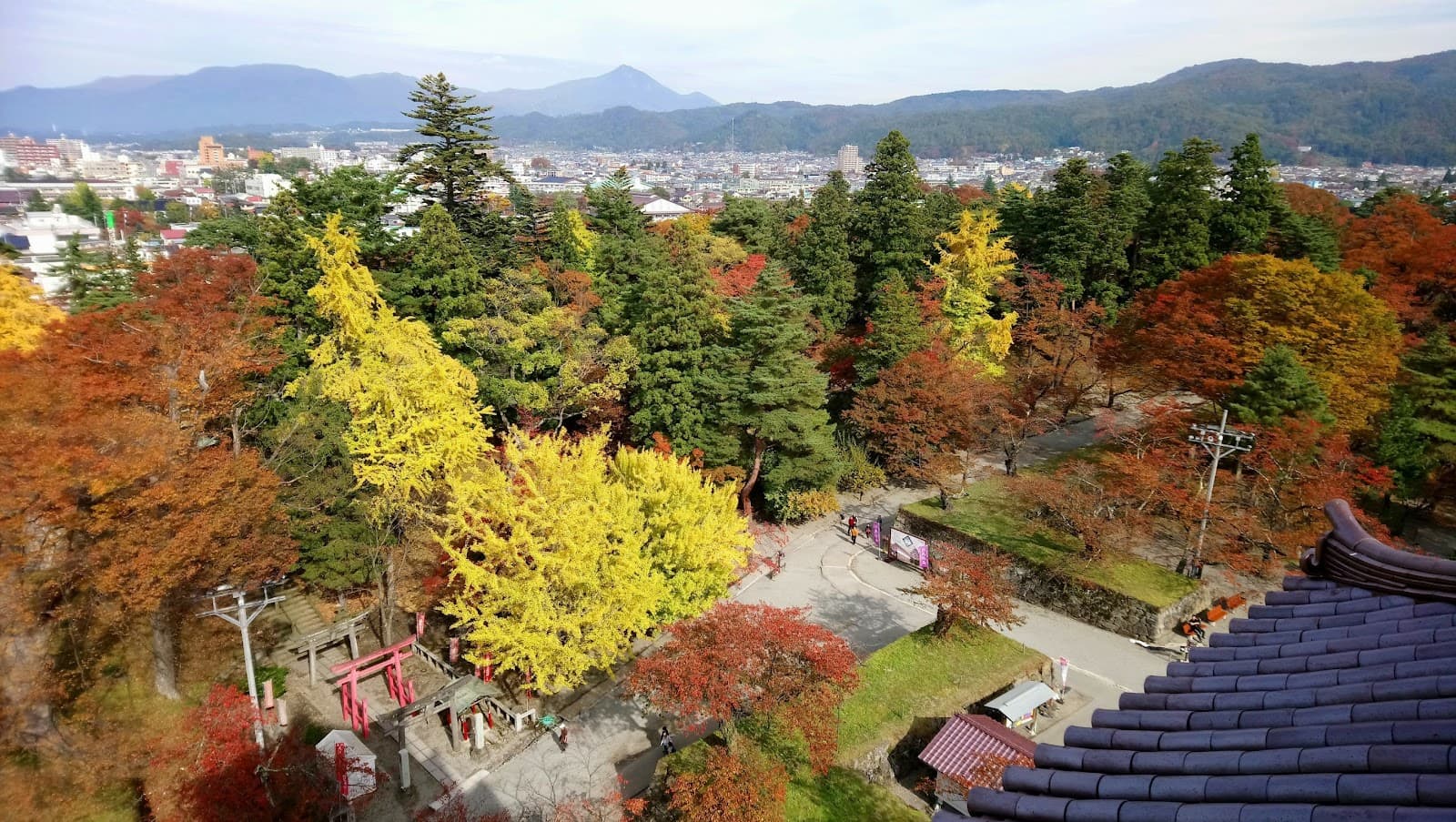
Autumn in Japan - from late September through November - offers stunning foliage, comfortable temperatures, and some of the year's most pleasant travel conditions. However, the season brings its own packing challenges. Temperatures can vary dramatically between warm sunny afternoons and chilly evenings, whilst different regions experience vastly different weather patterns. This guide will help you pack efficiently for an autumn journey through Japan.
Understanding Autumn Weather in Japan
Before we dive into specific items, let's clarify what "autumn weather" actually means across Japan's diverse climate zones. In Kyoto and Tokyo, daytime temperatures typically range from 15-22°C in October, dropping to 10-17°C by November. Hokkaido experiences much colder conditions, with Sapporo seeing temperatures between 5-15°C in October and occasionally reaching freezing by month's end.
Tokyo
Tokyo Tower
Reminiscent of the Eiffel Tower, this landmark features observation areas & other attractions.
Open in Maps ↗The key challenge isn't just temperature - it's variability. You might start your day in Nara wearing a light jumper at 12°C, spend midday at 20°C shedding layers whilst climbing temple steps, then need that jumper again by 18:00 when the sun sets. This constant fluctuation should guide your entire packing strategy.
Nara
Nara Park
Landscaped, public park with ancient temples & the Nara National Museum of art, plus tame deer.
Open in Maps ↗Clothing Essentials: The Layering System
Base Layers
Pack three to four lightweight, breathable long-sleeved shirts. Merino wool or synthetic moisture-wicking fabrics work brilliantly because they regulate temperature whilst remaining compact in your luggage. These form your foundation layer and can be worn alone during warmer parts of the day or under additional layers when it's cooler.
Bring at least two pairs of comfortable trousers - one lighter weight for early autumn or warmer days, one slightly heavier for November or mountainous areas. Jeans work but can be restrictive during temple visits requiring floor-sitting. Consider travel trousers with some stretch.
Mid Layers
Two cardigans or lightweight jumpers are ideal. Choose items you can easily tie around your waist when not needed. A fleece jacket or thin down vest provides excellent warmth without bulk, particularly useful for early morning temple visits or evening strolls along the Kamogawa River in Kyoto.
Outer Layer
Your jacket choice is crucial. A water-resistant windbreaker or light rain jacket serves multiple purposes - it blocks wind on Mount Takao, protects against sudden showers in Kanazawa, and packs down small when you don't need it. Don't bring a heavy winter coat unless you're visiting Hokkaido in late November. Most of Japan remains mild enough that layering beats bulk.
The Rain Reality
Autumn isn't Japan's wettest season, but rain occurs regularly, especially in early autumn and along the Sea of Japan coast. Pack a compact umbrella - you'll find them everywhere in Japan, but having your own saves money. Convenience stores sell basic ones for ¥500-700, whilst department stores offer quality versions for ¥2,000-3,000.
Water-resistant shoes are essential. Your feet will thank you after walking 15,000-20,000 steps daily through potentially damp streets. Avoid suede or materials that stain easily. If your shoes do get wet, most hotels provide shoe dryers in rooms.
Footwear Strategy
Bring two pairs of comfortable walking shoes. This allows you to alternate daily, letting each pair dry and air out. Many travellers make the mistake of bringing only one pair, then face discomfort when those shoes get wet or cause blisters.
Your primary pair should be well-broken-in trainers or walking shoes with good arch support. The secondary pair might be slightly dressier for restaurants whilst still being comfortable for walking. Remember: you'll remove shoes constantly at temples, traditional restaurants, ryokan, and many shops. Choose footwear that slips on and off easily, but don't rely solely on slip-on styles as they often lack the support needed for long walking days.
Pack a pair of sandals or flip-flops for hotel rooms and onsen facilities. Many ryokan provide slippers, but having your own ensures comfort.
Temperature-Specific Accessories
Scarves and Wraps
A lightweight scarf serves multiple purposes. It adds warmth during cooler moments, protects your neck from air conditioning in trains and shops, and provides sun protection during surprisingly warm autumn days. Choose something versatile that matches multiple outfits - you'll likely wear it daily.
Gloves and Hats
For October visits, these are generally unnecessary except in Hokkaido or high-altitude areas like Hakone. By mid-November, particularly in northern regions, lightweight gloves become useful for early morning photo sessions during sunrise at Fushimi Inari or whilst waiting for trains.
Hakone
Hakone Shrine
Historic Japanese Shinto shrine with a small museum in a verdant lakefront setting.
Open in Maps ↗A hat matters more for sun protection than warmth. Autumn sun sits lower in the sky but can be surprisingly strong during midday hours. A baseball cap or packable sun hat takes minimal space and proves invaluable during full days exploring Nara Park or Hiroshima's Peace Memorial.
Electronics and Adapters
Japan uses 100V electricity with Type A plugs (two flat pins). Most modern phone and laptop chargers handle 100-240V, so you only need a plug adapter, not a voltage converter. Bring at least one adapter, ideally two if you're travelling with multiple devices.
Battery banks are essential. You'll use your phone constantly for navigation (Google Maps works brilliantly in Japan), translation apps, and photography. Autumn's shorter days mean more low-light photography, which drains batteries faster. A 10,000-20,000 mAh power bank keeps your devices charged throughout long exploration days.
Consider bringing a universal travel adapter with multiple USB ports. This allows you to charge several devices simultaneously from one outlet - useful since some older Japanese hotels have limited socket availability.
Practical Daily Items
Bag Selection
A comfortable day pack (20-25 litre capacity) is essential. You'll carry water, extra layers, umbrellas, purchases, and cameras throughout each day. Choose something with padded straps and external pockets for easy access to frequently needed items.
Many temples and shrines offer coin lockers (¥300-700 for large lockers) if you're carrying shopping bags, but having a packable tote bag in your day pack allows you to consolidate items and avoid locker fees.
Medications and Health Items
Bring your regular medications in original packaging with prescriptions. Japan has strict medication laws; even some common pain relievers available over-the-counter elsewhere require prescriptions here. Pack enough for your entire trip plus a few extra days' buffer.
Basic first-aid items are wise: plasters (Band-Aids) for inevitable blisters, pain relievers, antihistamines if you have allergies, and any stomach remedies you rely on. Whilst pharmacies exist throughout Japan, communication barriers can make finding specific items challenging.
Sunscreen and moisturiser are crucial. Autumn air can be surprisingly dry, and heated shops and trains further dehydrate skin. Bring travel-size containers of your preferred products.
Cultural Consideration Items
Tattoo Coverage
If you have visible tattoos and plan to visit onsen or public baths, bring waterproof adhesive bandages to cover them. Whilst attitudes are slowly changing, many facilities still prohibit visible tattoos. Some newer, tourist-friendly onsen accept them, but traditional ones maintain strict policies.
Modest Clothing
Whilst Japan doesn't require particularly conservative dress, pack one outfit that covers shoulders and knees for temple visits. This isn't legally required but shows respect. A lightweight cardigan or shawl in your day pack allows quick coverage when needed.
What Not to Pack
Leave space in your luggage for purchases - Japan offers incredible shopping opportunities. More importantly, avoid these common packing mistakes:
Heavy winter clothing: Unless visiting Hokkaido in late November, bulky coats are unnecessary and take valuable luggage space.
Excessive toiletries: Hotels provide shampoo, conditioner, and body wash. Convenience stores sell travel-size everything affordably. Bring only specialised items you can't live without.
Too many "nice" outfits: Japan is remarkably casual except in high-end restaurants. You'll wear comfortable walking clothes 90% of the time.
Multiple books: A tablet or e-reader saves weight and space. If you prefer physical books, purchase English books at Kinokuniya bookstores in major cities.
Shopping for What You Forgot
Don't stress about perfect packing. Japan's convenience stores, known as konbini (7-Eleven, FamilyMart, Lawson), stock basic necessities including umbrellas, batteries, basic medications, snacks, and even simple clothing items. Major stations have extensive shopping arcades where you can purchase almost anything.
Uniqlo stores throughout Japan offer affordable, quality basics if you need additional layers. A lightweight Heattech shirt costs around ¥1,000 and provides surprising warmth. Don Quijote discount stores sell everything from socks to electronics at reasonable prices.
Packing Strategy: The Efficient Approach
Organise clothes in packing cubes by type: tops in one cube, bottoms in another, undergarments in a third. This system keeps items compressed, prevents wrinkles, and allows quick location of needed items without unpacking everything.
Place heavier items like shoes and toiletries at the bottom of your suitcase (near the wheels when upright). Keep one complete outfit and essential medications in your carry-on in case checked luggage is delayed.
Roll clothes rather than folding them. This technique saves space and reduces wrinkles. For items you'll wear repeatedly, like jackets and cardigans, rolling also makes them easier to access without disturbing other packed items.
Regional Variations to Consider
If your itinerary includes diverse regions, adjust your packing accordingly:
Hokkaido (Sapporo, Hakodate): Add warmer layers. Temperatures drop significantly earlier here, and November can bring snow. Pack a proper winter jacket and consider thermal underlayers.
Tohoku region (Sendai, Aomori): Similar to Hokkaido, prepare for colder conditions than central Japan. Mountain areas like Nikko also fall into this category.
Kansai and Kanto (Kyoto, Osaka, Tokyo): The packing list above works perfectly for these regions, which experience moderate autumn temperatures.
Osaka
Osaka Castle
Revered castle dating to 1597 & since rebuilt, featuring gardens & a museum with varied exhibits.
Open in Maps ↗Western Japan (Hiroshima, Fukuoka): Slightly warmer, especially early autumn. You might rely more on lighter layers.
Fukuoka
Fukuoka Tower
Modern skyscraper with an observation deck for panoramic city & bay views, plus dining & a lounge.
Open in Maps ↗Okinawa: Completely different climate - still beach weather through October. Pack summer clothing if visiting here.
The Week-Before Checklist
One week before departure:
- Check weather forecasts for your specific destinations
- Lay out everything you plan to pack
- Wear your walking shoes daily to ensure they're truly comfortable
- Charge all electronics and test your power bank
- Make copies of important documents
- Download offline maps for your destinations
Two days before:
- Do a full dress-rehearsal pack
- Weigh your luggage (most airlines allow 23kg for checked bags)
- Remove unnecessary items if over weight
- Place any liquids in clear, resealable bags for security
Final Thoughts
Packing for autumn in Japan requires balancing preparation with flexibility. The season's variable weather demands versatile clothing that layers well, whilst Japan's excellent infrastructure means you needn't pack for every possible scenario. When in doubt, pack lighter - you can always purchase items locally, often at better prices than home.
Remember that you'll likely do laundry during your trip, especially on journeys longer than a week. Most hotels offer laundry services, whilst coin launderettes are common in urban areas. This reality means you need fewer clothes than you think.
The key to successful packing is considering your specific itinerary. A hiking-focused trip to the Japanese Alps requires different preparation than a temple-hopping journey through Kyoto, even during the same season. Review your daily plans, note any special requirements, and pack accordingly. Your future self, comfortably dressed whilst watching crimson maples at Tofukuji Temple, will thank you for this thoughtful preparation.