
広島
Hiroshima
Hiroshima · chugoku
historyculturefood
A city of extraordinary resilience - the atomic bomb memorial, its own okonomiyaki style, and the finest oysters in Japan.

Who Hiroshima is for
Every visitor to Japan - Hiroshima carries the world's most important message of peace.
About Hiroshima
The Peace Memorial Park and Atomic Bomb Dome, UNESCO World Heritage, sit at the centre of a city that rebuilt itself from complete destruction in 1945. The museum is among the most powerful anywhere in the world.
Things to do
48 of 48Tap a tag to filter the list.
Atomic Bomb Dome
PopularIconic remains of the Industrial Promotion Hall which was destroyed by the atomic bomb during WWII.
View on Google MapsPeace Memorial Park - Hiroshima
PopularMemorial park dedicated to the victims of the atomic bomb & advocating for world peace since 1954.
View on Google MapsHiroshima Peace Memorial Museum
PopularPopular museum documenting the WWII atomic-bomb blast in Hiroshima via exhibits, artifacts & talks.
View on Google Maps
Hiroshima Castle
Popular広島城
Contemporary recreation of a destroyed 16th-century castle offering a history museum & city views.
Shukkeien Garden
Serene city garden dating to the 16th century, with a koi pond, a tea shop & flowering trees.
View on Google MapsTHE OUTLETS HIROSHIMA
Outdoor mall with 120+ outlets, including upscale designers, plus a cinema, ice rink & bowling.
View on Google Maps
Your JP Adventure
Plan a trip to Hiroshima
Turn this into a day-by-day route. Tabi-Kun shapes a personalised Hiroshima itinerary around your dates, pace, and interests — free to start.
Plan a trip to Hiroshima →Getting around Hiroshima
Hiroshima's public transport network centers on its tram system, operated by Hiroshima Electric Railway, with eight lines crisscrossing the city and connecting most major attractions including the Peace Memorial Park. JR trains also serve the region well, with the Sanyo Shinkansen linking the city to other parts of Japan, while local JR lines handle regional travel. Payment is simple using IC cards like ICOCA or Suica, available at convenience stores and train stations, or you can purchase individual paper tickets or one-day passes (around ¥900) valid across trams and buses. The city center is remarkably walkable, with the Peace Memorial area and riverside districts easily explored on foot, while bike rental shops near the station offer affordable daily rates for those wanting to cover greater distances. Taxis are readily available but generally unnecessary given the efficient tram network, though they're useful late at night when services wind down around midnight.
Best time to visit
The ideal months to visit are late March to early April for cherry blossoms and November through early December for autumn foliage, both offering mild temperatures and excellent visibility for exploring the Peace Memorial Park and nearby Miyajima. Avoid June through mid-July due to Japan's rainy season, as well as late August and September when typhoons frequently occur and heat peaks. The Hiroshima Flower Festival, typically held in early May, celebrates spring with parades, food stalls, and cultural performances throughout the city center. October and February work as pleasant shoulder seasons with fewer crowds and comfortable weather, making them underrated choices for a more intimate experience. Summer months also draw peak tourist numbers, so if you prefer quieter exploration of this historically significant destination, spring and autumn remain unmatched for both natural beauty and manageable visitor levels.
Where to stay
The city offers distinct neighborhoods suited to different travelers. Central Naka Ward puts you within walking distance of the Peace Memorial Park and Museum, with business hotels and mid-range chains dominating the area at typically ¥8,000 - 15,000 per night for a double room. Nearby Nagarekawa is known for lively izakayas and modern hotels catering to business travelers. For a more relaxed atmosphere, Hiroshima's riverside districts near Okonomimura offer casual guesthouses and vacation rentals where you can experience the local food culture firsthand. The streetcar network efficiently connects all neighborhoods to major attractions, though most sites are accessible by a 10 - 20 minute ride from central accommodations. Capsule hotels and budget chains are scattered throughout, making the city affordable for most travelers while still offering comfortable mid-range options if you prefer more space.
What to eat
Hiroshima's culinary identity centers on okonomiyaki, a savory pancake layered with cabbage, egg, and your choice of protein, typically costing ¥800 - 1,200. The local version differs from its Osaka cousin by mixing ingredients together rather than layering them, and most restaurants will cook it right before you on a teppan griddle. Head to Okonomiyaki Village, a multi-story arcade filled with dozens of small stalls, or explore the Nagarekawa district for countless casual eateries serving this beloved comfort food. The city is also celebrated across Japan for its succulent oysters, available grilled, raw, or fried at waterfront restaurants. For drinks, visit one of the local sake breweries in the Saijo district, about 30 minutes by train, where you can sample premium sake at modest prices, or enjoy craft beer at newer brewpubs in the city center.
Frequently Asked Questions
Guides for Hiroshima
View more →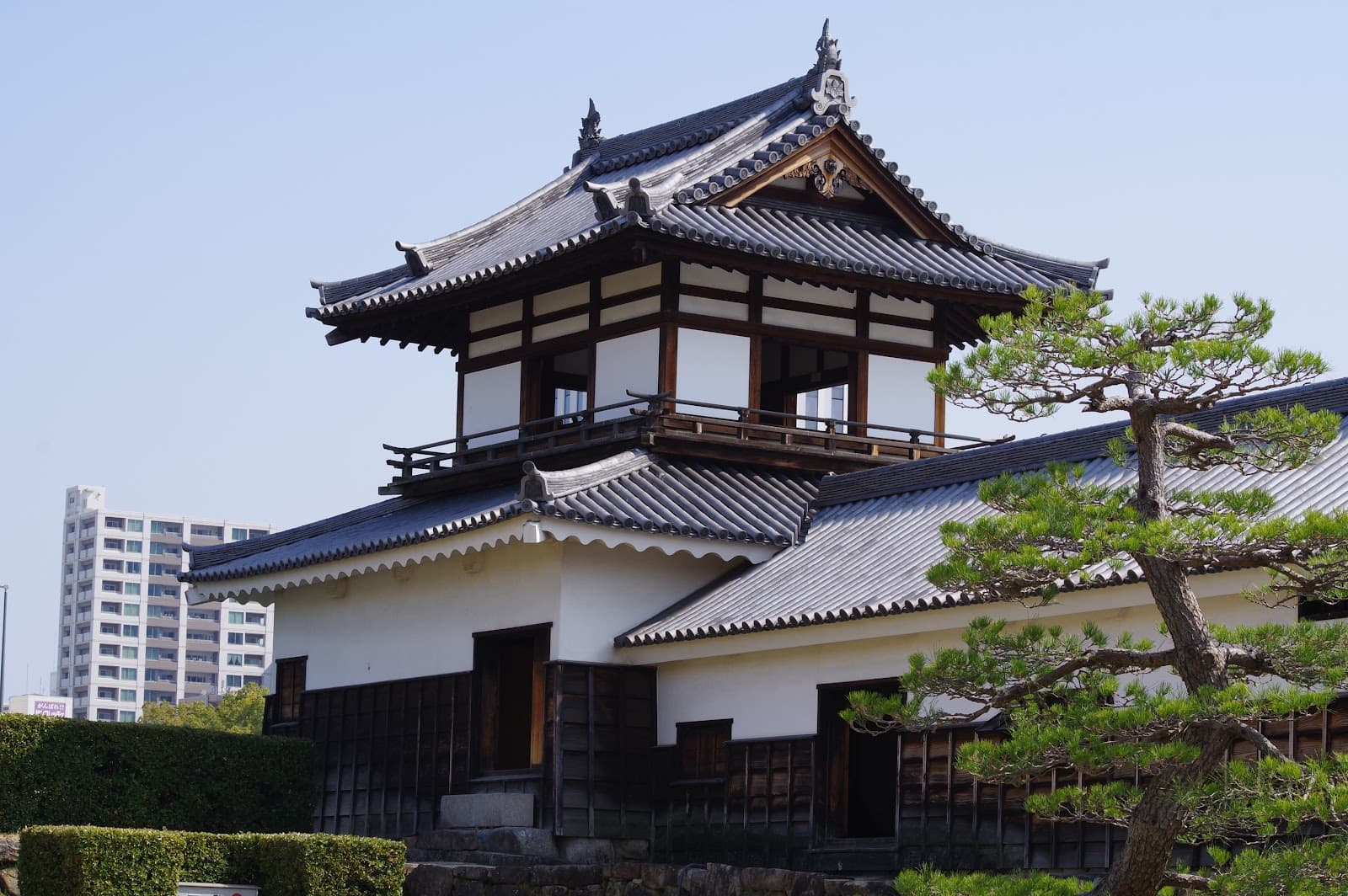
Tips
How to Navigate Miyajima: Ferries, Walking Routes, and Island Tips
Master Miyajima navigation with this practical guide covering ferry options, walking distances, tide times, and routes to Mount Misen - everything for stress-free exploration.
12 min read·23 May 2026
Guides
Visiting Hiroshima: How to Approach Japan's City of Peace
How to visit Hiroshima's Peace Memorial sites with appropriate respect and mindset. Practical guidance for a meaningful, thoughtful experience.
9 min read·23 May 2026
Tips
How to Navigate Hiroshima: Trams, Ferries and the Peace Park Area
Master Hiroshima's vintage trams, ferry connections and Peace Park area with practical tips on routes, passes, fares and navigation for stress-free sightseeing.
12 min read·23 May 2026
More in chugoku
View more →Matsue
松江
Chugoku · Shimane
The 'city of water and samurai' - home to one of Japan's original twelve castles and sitting between two lakes on the San-in coast.
HistoryCultureNature
See moreTsuwano
津和野
Chugoku · Shimane
A tiny castle town in a mountain valley called the 'Little Kyoto of San-in', with carp-filled drainage channels and a hillside Inari shrine.
CultureHistoryNature
See moreIwakuni
岩国
Chugoku · Yamaguchi
Home to Japan's most graceful wooden arch bridge - the five-arched Kintai Bridge - set against a hilltop castle and spring cherry blossoms.
HistoryNatureCulture
See moreShimonoseki
下関
Chugoku · Yamaguchi
A port city at Honshu's western tip, capital of Japan's fugu pufferfish trade, on the historic Kanmon Straits facing Kyushu.
FoodHistoryNature
See moreShare
Send this to anyone considering Hiroshima.