
札幌
Sapporo
Hokkaido · hokkaido
urbanfoodnature
Hokkaido's vibrant capital, famed for ramen, beer, and the iconic February Snow Festival.

Who Sapporo is for
Urban explorers, food lovers, and a natural gateway to Hokkaido's wilds.
About Sapporo
Sapporo is a modern grid-planned city known for Sapporo Beer, miso ramen, and the world-famous Snow Festival. It is the launchpad for Hokkaido's ski resorts and national parks.
Things to do
96 of 96Tap a tag to filter the list.
Shiroi Koibito Park
PopularFamily spot featuring samples & exhibits of chocolate & cookies, plus a train ride & garden area.
View on Google MapsJR Tower
PopularOpened in 2003, the 173-m high skyscraper houses a shopping mall, office complex & observation deck.
View on Google MapsTanukikoji Shopping Street
PopularLong-standing covered shopping street stretching for 7 blocks, with around 200 outlets.
View on Google MapsSapporo Beer Museum
Popularサッポロビール博物館
Admission is free to this beer museum in a former factory, with exhibits, tours & paid tastings.
View on Google MapsSapporo TV Tower
PopularFamous TV tower built in the 1950s, with an observation deck offering panoramic views of the city.
View on Google MapsHokkaido Jingu
PopularBuilt in 1869, this nature-rich Shinto shrine honors 4 deities, including the Emperor Meiji.
View on Google Maps
Your JP Adventure
Plan a trip to Sapporo
Turn this into a day-by-day route. Tabi-Kun shapes a personalised Sapporo itinerary around your dates, pace, and interests — free to start.
Plan a trip to Sapporo →Getting around Sapporo
Sapporo's public transport system centers on the subway, with three lines - the Namboku, Tōzai, and Tōhoku - connecting most major attractions, stations, and neighborhoods efficiently. The city also operates an extensive tram network and bus system that cover areas beyond the subway reach. For payment, visitors can use IC cards like Suica or Pasmo, available at convenience stores and stations, or purchase single-journey tickets from vending machines for around ¥210 - 290 depending on distance. One-day passes offer good value for exploring multiple districts. The compact downtown area is highly walkable, with restaurants, shops, and cultural sites within reasonable distance of subway stations. Bike rentals are available through several operators, making it easy to navigate the city's relatively flat terrain and access parks like Maruyama during warmer months. Taxis are readily available but generally unnecessary given the efficient public transport network.
Best time to visit
Late autumn, typically October through November, offers the most rewarding visit, with cool, dry weather and stunning crimson maple leaves lighting up parks and temple grounds. February is equally compelling for winter enthusiasts, as the famous Sapporo Snow Festival transforms the city into an ice sculpture wonderland with elaborate displays and cultural performances. Avoid June and early July, when the rainy season brings persistent moisture and reduced visibility, and steer clear of August's peak summer heat and tourist crowds. Late May through early June and September represent excellent shoulder seasons with milder temperatures and fewer visitors, making them ideal for exploring the city's ramen scene and nearby nature reserves without overwhelming throngs. Winter snow enthusiasts should note that January and February deliver heavy snowfall alongside the seasonal festival celebrations.
Where to stay
Sapporo's main accommodation options cluster around three appealing neighborhoods. Susukino, the lively entertainment district, buzzes with izakayas and bars, though business hotels here tend toward the pricier end (typically ¥12,000 - 20,000 for a double room). Odori, near the famous park and shopping areas, offers a more central location with good mid-range business hotels (around ¥10,000 - 16,000) and convenient access to ramen alley and the Snow Festival grounds. For a quieter base with easy train connections, Sapporo Station area provides excellent value with numerous business hotels and capsule accommodations (¥8,000 - 14,000), plus direct links to most attractions. While ryokan are less common here than in rural Hokkaido, vacation rentals have grown popular for longer stays. All three neighborhoods connect easily via subway to the Botanical Garden and nearby nature spots, making them practical hubs for exploring both the city's culinary scene and outdoor escapes.
What to eat
Sapporo is renowned for its miso ramen, featuring a rich, savory broth that distinguishes it from other regional styles across Japan, typically priced between ¥800 - 1,200 per bowl. Beyond ramen, visitors should seek out jingisukan (grilled lamb) and fresh seafood that reflects Hokkaido's coastal bounty. The Ramen Yokocho, a narrow alley in the city center, houses over a dozen intimate ramen shops perfect for sampling different broths and techniques, while the Nishi Market offers seasonal vegetables, seafood, and street food stalls where you can eat as you browse. Sapporo's beer culture is equally celebrated, with several craft breweries and the historic Sapporo Beer Museum offering tours and tastings that highlight the region's brewing heritage. Budget-conscious travelers can find satisfying meals at conveyor-belt sushi chains and ramen shops for under ¥1,500, making the city's food scene both accessible and unforgettable.
Frequently Asked Questions
Guides for Sapporo
View more →Tips
Ramen 101: A Beginner's Guide
The four major ramen styles, what to order, and how to actually eat the best bowl of your trip.
13 min read·7 May 2026
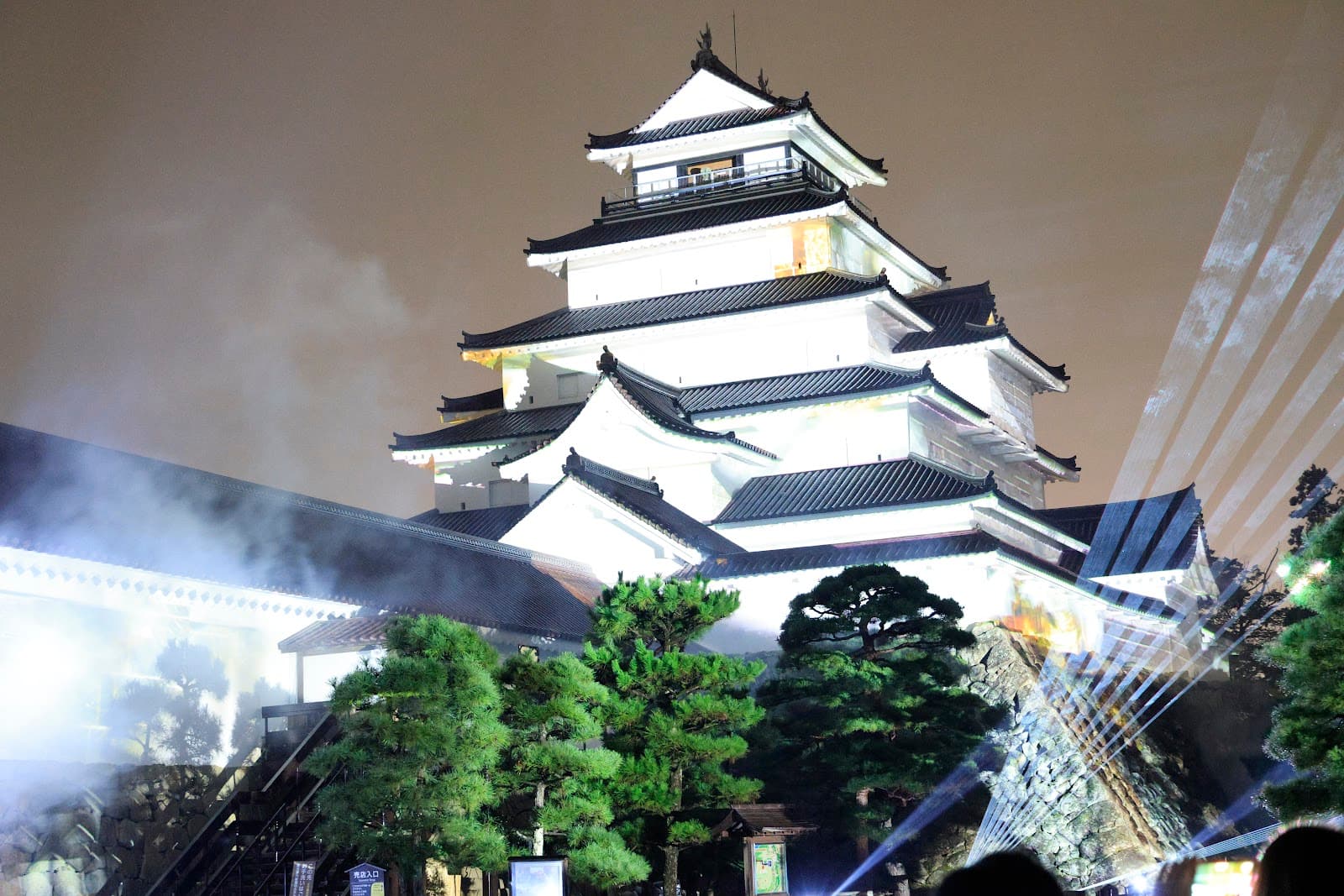
News
New Chitose Airport Rail Congestion Worsens as Hokkaido Tourism Surges
New Chitose Airport's express trains face severe overcrowding as Hokkaido tourism rebounds. What it means for your trip and alternative transport options.
5 min read·24 May 2026
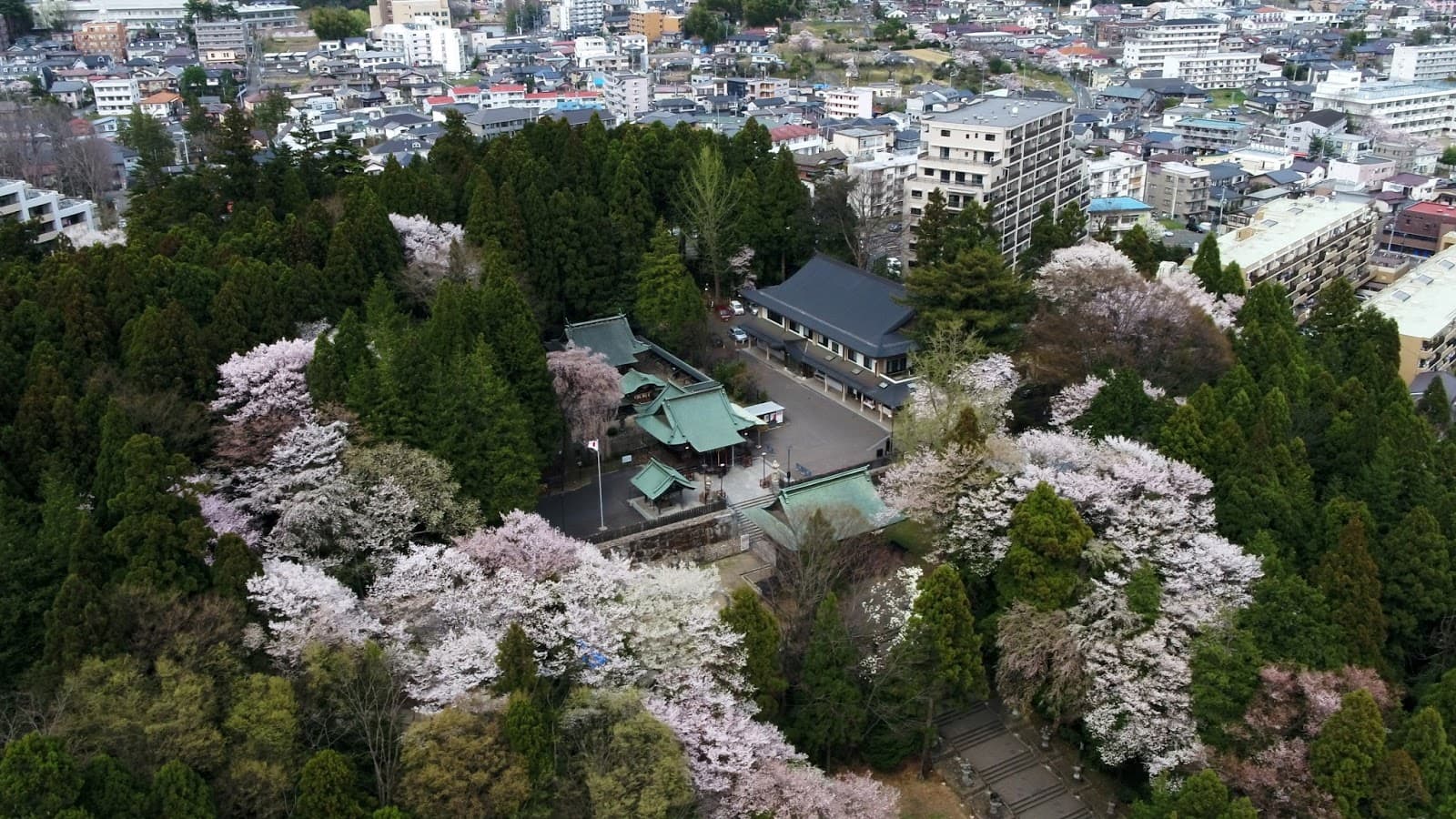
News
New Chitose Airport Rail Link Struggles with Congestion as Hokkaido Travel Surges
New Chitose Airport's express trains to Sapporo face severe congestion as Hokkaido tourism grows. What travellers need to know about the crowded rail link.
4 min read·30 May 2026
More in hokkaido
View more →Sounkyo
層雲峡
Hokkaido
A mountain onsen village in a dramatic basalt gorge within Daisetsuzan National Park.
NatureExperiencesCulture
See moreWakkanai
稚内
Hokkaido
Japan's northernmost city, ferry gateway to Rishiri and Rebun islands, where the edge of Japan feels very real.
NatureHistoryExperiences
See moreBiei
美瑛
Hokkaido
A patchwork hill town near Furano with Japan's most photographed agricultural landscapes and a famous Blue Pond.
NatureExperiencesCulture
See moreAsahikawa
旭川
Hokkaido
Hokkaido's second city and gateway to Daisetsuzan, with a famous ramen style and celebrated zoo.
NatureFoodExperiences
See moreShare
Send this to anyone considering Sapporo.