
京都
Kyoto
Kyoto · kansai
culturehistoryfoodanime
Japan's ancient capital - 1,200 years of temples, gardens, geisha districts, and craft traditions in a city that still feels imperial.

Who Kyoto is for
Every Japan visitor. Kyoto contains more UNESCO World Heritage sites than any other city.
About Kyoto
Kyoto served as Japan's imperial capital from 794 to 1868. Its 17 UNESCO World Heritage Sites, 1,600 Buddhist temples, 400 Shinto shrines, and 200 gardens represent the accumulated cultural wealth of more than a millennium.
Things to do
161 of 161Tap a tag to filter the list.
Fushimi Inari Taisha
PopularMountainside Shinto shrine dating from 711 A.D. featuring a path with hundreds of traditional gates.
View on Google MapsKiyomizu-dera
PopularIconic Buddhist temple on Mount Otowa known for the scenic views afforded from its sizable veranda.
View on Google MapsKinkaku-ji
PopularHistoric, tranquil temple with a gold-leaf facade set amid landscaped gardens & a reflecting pond.
View on Google MapsNishiki Market
Popular400-year-old iconic market studded with stalls offering all manner of Japanese edibles.
View on Google MapsNijō Castle
PopularBuilt in 1603, this cypress-wood castle with extensive gardens was a home for the shogun Ieyasu.
View on Google MapsYasaka Shrine
PopularThis Shinto shrine was erected in 656 A.D. & is home to one of the most famous festivals in Japan.
View on Google Maps
Your JP Adventure
Plan a trip to Kyoto
Turn this into a day-by-day route. Tabi-Kun shapes a personalised Kyoto itinerary around your dates, pace, and interests — free to start.
Plan a trip to Kyoto →Getting around Kyoto
Kyoto's public transport relies heavily on an extensive bus network operated primarily by Kyoto Bus and Kyoto City Bus, supplemented by the Keifuku and Randen tram lines that serve popular sightseeing areas. Visitors can purchase an IC card like ICOCA (rechargeable at convenience stores and station kiosks) for seamless travel, or opt for a one-day bus pass around ¥700 - 900, which quickly pays for itself when hopping between temples and gardens. The city's relatively flat terrain and compact districts make it exceptionally walkable - many neighborhoods like Gion and Arashiyama are best explored on foot to discover hidden shrines and traditional machiya houses. Cycling is also popular; numerous rental shops offer bikes for around ¥1,000 per day, providing a local's perspective on the imperial capital's winding streets and waterside paths. Buses typically run until around 11 p.m., and taxis are less essential here than in smaller towns, though they're useful late-night alternatives after major cultural venues close.
Best time to visit
Spring, typically late March to early April, offers the most magical window when cherry blossoms blanket temples and gardens in soft pink; autumn arrives usually from mid-October through November with fiery maple leaves reflecting in ponds and canals. Both seasons feature mild, dry weather perfect for exploring the city's 1,200 years of temples and geisha districts on foot. Avoid the rainy tsuyu season from June through early July and typhoon season in September, when humidity peaks and sightseeing becomes uncomfortable. Summer heat in August also draws massive crowds to popular shrines. The Gion Matsuri festival, typically held in July despite summer heat, showcases traditional culture with elaborate floats and processions if you're willing to brave the crowds and humidity. Shoulder seasons in May and late November offer fewer visitors, pleasant weather, and a more authentic feel for wandering historic neighborhoods and sampling local craft traditions.
Where to stay
For an authentic experience, Gion remains the premier choice, where traditional wooden machiya townhouses and ryokan dominate the geisha district - expect to pay ¥15,000 - 25,000 per night for atmospheric lodgings with kaiseki dinners included. Central Kawaramachi offers better value with business hotels typically ranging ¥8,000 - 15,000 and excellent access to shopping, restaurants, and the Arashiyama bamboo groves by train. The quieter Higashiyama district balances both, with a mix of ryokan and guesthouses (¥10,000 - 18,000) amid temples and craft workshops, just a short bus ride from major sites. Most neighborhoods connect easily to the Golden Pavilion and Fushimi Inari shrine via Kyoto's efficient bus network, though staying near Kawaramachi station offers the quickest rail access to outlying attractions. Capsule hotels and vacation rentals provide budget alternatives across all areas, typically ¥4,000 - 8,000 nightly for those prioritizing cost over traditional atmosphere.
What to eat
Kyoto's culinary heritage reflects its imperial past, with kaiseki - elaborate multi-course meals showcasing seasonal ingredients - representing the pinnacle of Japanese fine dining. The city's signature dishes include yudofu (hot pot with tofu), kyo-yasai (Kyoto vegetables), and soba noodles, typically priced ¥1,500 - 3,000 for kaiseki and ¥800 - 1,200 for noodle bowls. Head to Nishiki Market, a centuries-old shopping street packed with tea vendors, pickled goods, and ready-to-eat snacks, or explore the atmospheric geisha district of Pontocho along the Kamogawa River for upscale riverside restaurants. For budget meals, chain udon shops like Marugame Seimen offer satisfying bowls under ¥1,000. The city is also renowned for its tea culture - visit a traditional tea ceremony or explore sake breweries in the Fushimi district south of the city to taste locally crafted varieties that pair beautifully with seasonal kaiseki.
Frequently Asked Questions
Guides for Kyoto
View more →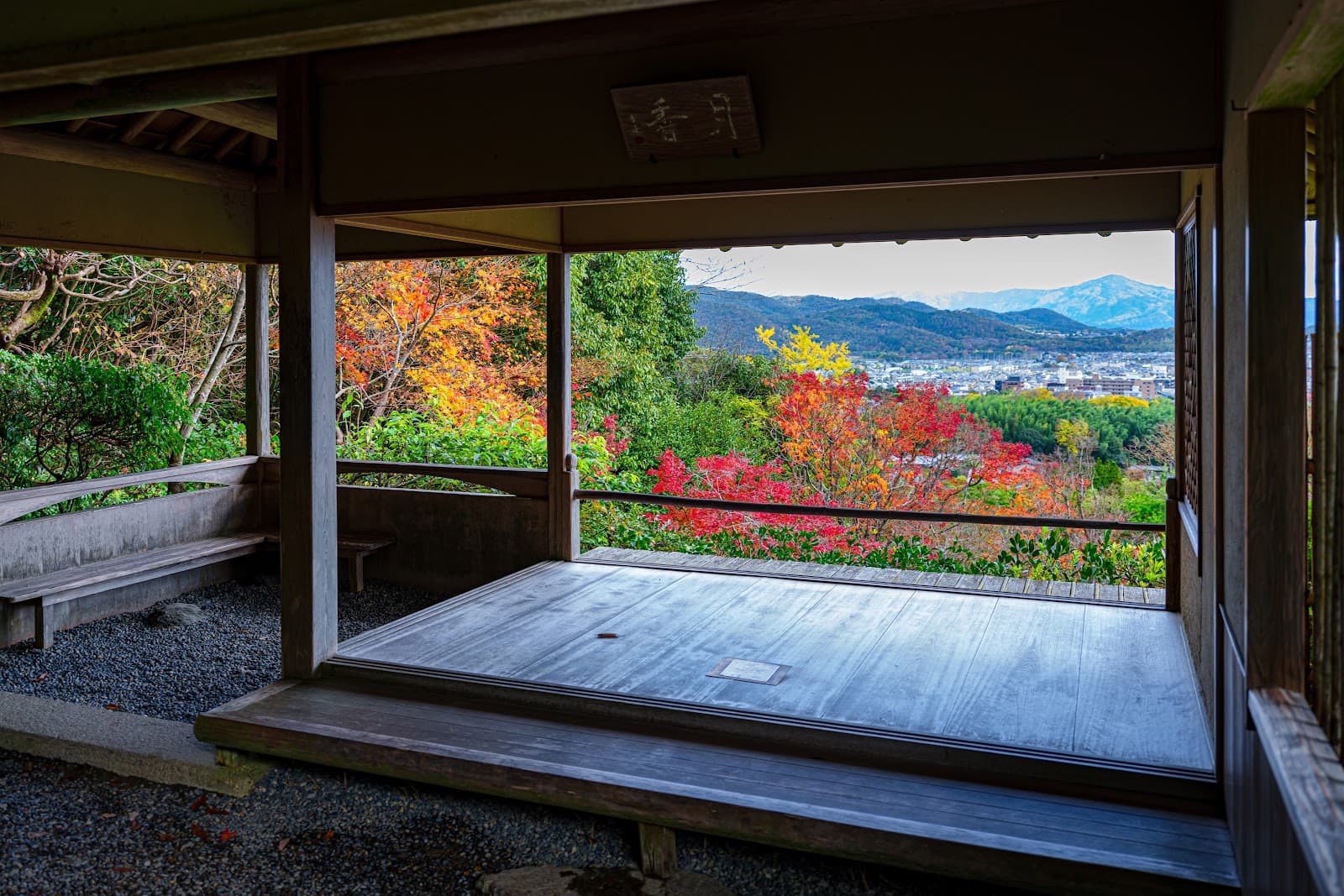
Guides
Arashiyama: Beyond the Bamboo Grove
Complete guide to Arashiyama beyond the famous bamboo grove. Temples, riverside walks, mountain trails, and seasonal highlights in Kyoto's most beautiful district.
11 min read·23 May 2026
Guides
Kyoto in 3 Days: Temples, Tea, and Hidden Gardens
A pragmatic three-day Kyoto itinerary that splits the city by district and avoids the worst of the crowds.
13 min read·7 May 2026
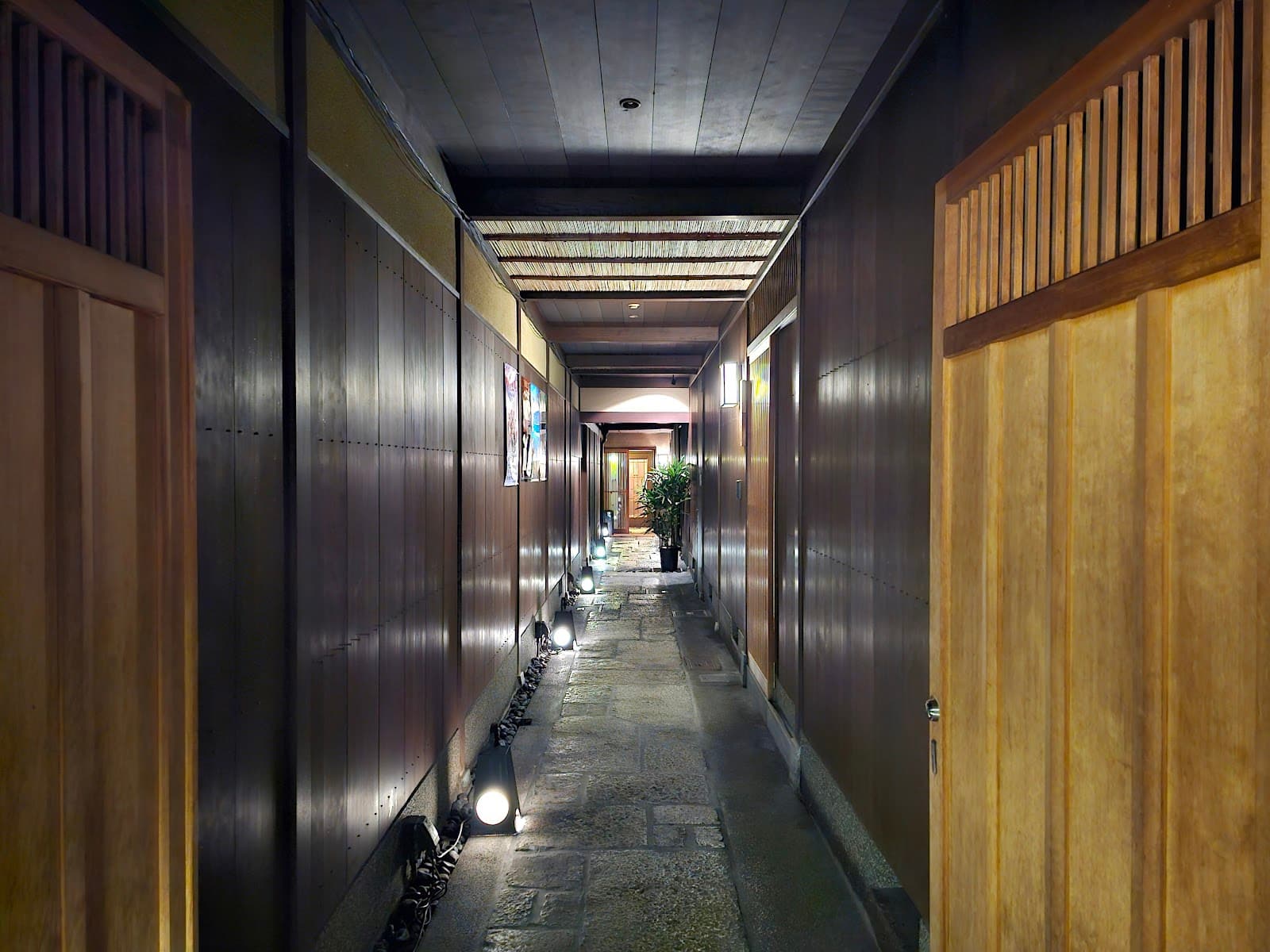
Guides
Nishiki Market: What to Eat and How to Navigate Kyoto's Kitchen
Navigate Kyoto's 400-year-old Nishiki Market like a local. What to eat, when to visit, market etiquette, and the best stalls for pickles, seafood, and wagyu.
8 min read·23 May 2026
More in kansai
View more →Omi-Hachiman
近江八幡
Kansai · Shiga
A canal town on Lake Biwa that built Japan's first national merchant network, with a remarkably atmospheric waterway townscape.
HistoryCultureNature
See moreUji
宇治
Kansai · Kyoto
The world capital of matcha tea, with the UNESCO-listed Byodoin Phoenix Hall rising from a lotus pond.
CultureHistoryFood
See moreOtsu
大津
Kansai · Shiga
The capital of Shiga on the shore of Lake Biwa, with ancient temples, Mount Hiei's monasteries and lake cruises minutes from Kyoto.
CultureHistoryNature
See moreTanabe
田辺
Kansai · Wakayama
The main gateway city for the Kumano Kodo UNESCO pilgrimage network and birthplace of Judo founder Kano Jigoro.
HistoryNatureCulture
See moreShare
Send this to anyone considering Kyoto.