
 By Declan Barry
Japan Travel Costs by Region: Where to Spend More and Save Money
Japan's reputation as an expensive destination often overshadows a crucial truth: costs vary dramatically depending on where you travel. Understanding these regional price differences helps you stretch your budget further whilst experiencing the full diversity of Japanese culture. Here's your practical guide to the true costs across Japan's regions, with real prices and money-saving strategies for each area.
Tokyo and Yokohama: Premium Prices with Budget Options
What You'll Actually Pay
Tokyo commands the highest prices in Japan, but smart choices make it manageable. A capsule hotel bed starts at ¥3,000-4,000, whilst business hotels run ¥7,000-12,000 per night. Mid-range accommodation typically costs ¥15,000-25,000. Meals follow similar patterns - conveyor belt sushi chains like Kura Sushi offer plates from ¥110, whilst a proper restaurant meal costs ¥1,500-3,000.
Tokyo
Tokyo Tower
Reminiscent of the Eiffel Tower, this landmark features observation areas & other attractions.
Open in Maps ↗Transport within central Tokyo (zones covering Shinjuku, Shibuya, and Asakusa) typically runs ¥170-310 per journey. A day pass for Tokyo Metro costs ¥600, worthwhile if you're making four or more journeys. The Yamanote Line loop, which connects major districts, charges ¥140-200 for most hops. Budget an extra ¥500-800 daily if you're exploring multiple neighbourhoods.
Coffee culture illustrates Tokyo's price spread perfectly. Chain cafés like Doutor charge ¥220-280 for coffee, independent speciality shops ask ¥500-800, whilst hotel lobbies and airport lounges command ¥800-1,200. The same drink varies by 400% depending on location and atmosphere.
Where Tokyo Saves You Money
Intense competition drives down certain costs. Convenience store meals offer remarkable quality for ¥400-800. The city's extensive rail network means you rarely need expensive taxis (which start at ¥500 and climb quickly). Free attractions abound - Senso-ji Temple, Meiji Shrine, and people-watching in Harajuku cost nothing. The observation decks at Tokyo Metropolitan Government Building in Shinjuku offer spectacular views without charge, saving you ¥2,000-3,000 compared to Tokyo Skytree or Tokyo Tower.
Supermarkets discount prepared foods by 20-50% after 20:00, turning a ¥800 bento into ¥400-500. Department store basement food halls (depachika) follow similar patterns, though competition means discounts appear closer to 21:00. This timing suits travellers returning from day trips perfectly.
Yokohama, just 30 minutes away (¥480 on the Tokyu Toyoko Line from Shibuya, around 25 minutes), offers 15-20% lower accommodation costs with easy Tokyo access. A business hotel in Yokohama's Kannai or Sakuragicho districts averages ¥6,000-9,000 versus Tokyo's ¥8,000-12,000. The Minatomirai waterfront area charges slightly more but remains cheaper than equivalent Tokyo locations.
Yokohama
Yokohama Park
Large city park planted with around 70,000 varieties of tulips each year.
Open in Maps ↗Osaka and Kansai: The Budget-Friendly Heartland
Why Kansai Costs Less
Osaka consistently undercuts Tokyo by 20-30% across most categories. Business hotels cost ¥5,000-9,000, and the food scene - Osaka's pride - delivers exceptional value. Dotonbori's street food costs ¥300-600 per item, whilst izakaya meals run ¥2,000-3,500 with drinks. A takoyaki plate (6-8 balls) costs ¥400-600 from street vendors, compared to ¥700-900 in Tokyo's tourist areas.
Osaka
Osaka Castle
Revered castle dating to 1597 & since rebuilt, featuring gardens & a museum with varied exhibits.
Open in Maps ↗Osaka
Dotonbori
Lively entertainment district known for its soaring illuminated billboards, restaurants & theaters.
Open in Maps ↗Kyoto's accommodation has crept upward due to tourism demand (¥8,000-15,000 for decent hotels), particularly in Higashiyama and Gion districts. However, staying near Kyoto Station or in less central areas like Nijo or Karasuma brings prices down to ¥6,000-10,000. Nara and Kobe offer even better value, with comfortable business hotels from ¥5,500. Kobe's Sannomiya area, the city's transport hub, provides excellent access to attractions whilst maintaining reasonable prices.
Kyoto
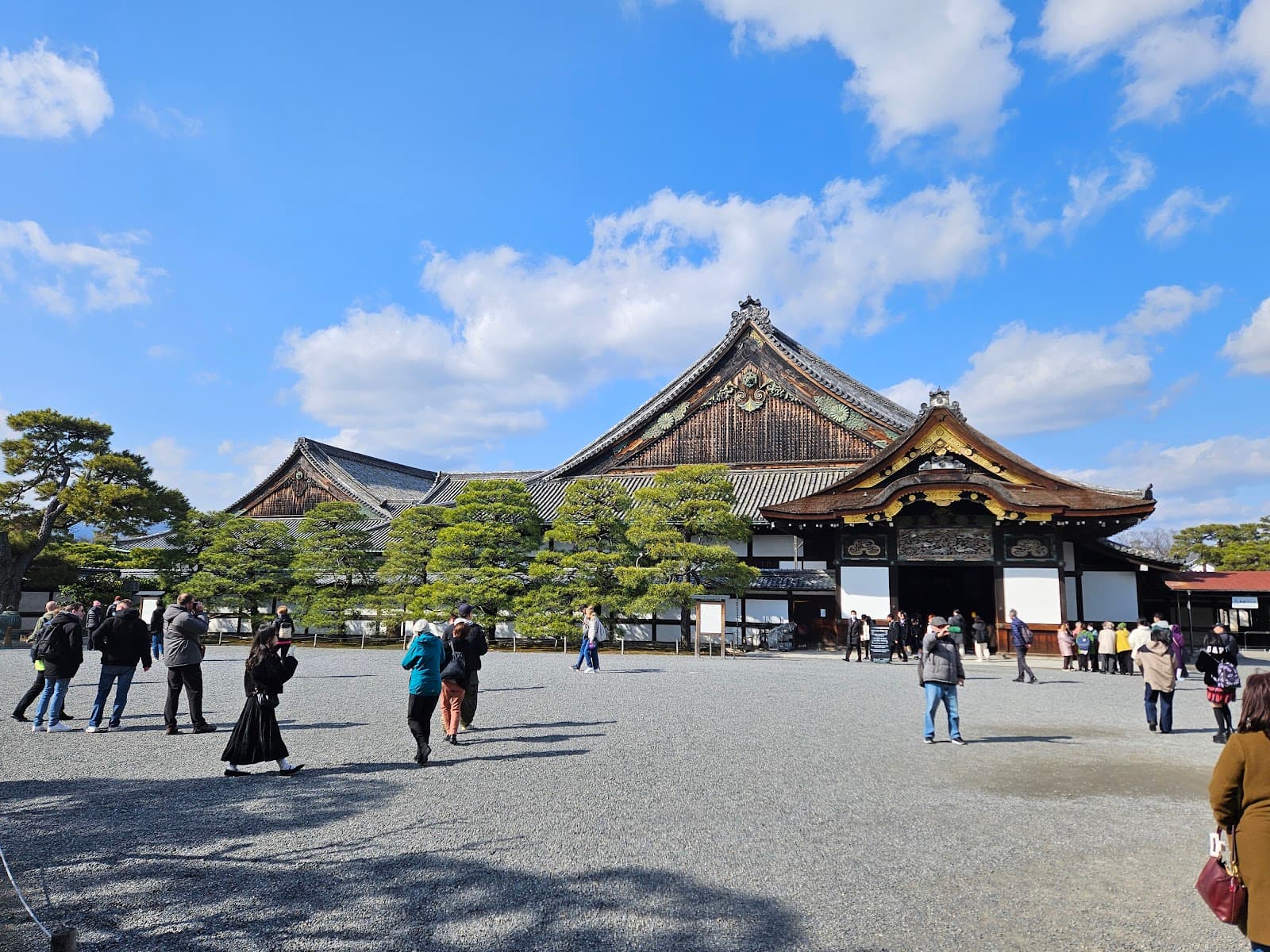
Nijō Castle
Built in 1603, this cypress-wood castle with extensive gardens was a home for the shogun Ieyasu.
Open in Maps ↗The Kansai Pass Advantage
Regional passes deliver genuine savings here. The Kansai Thru Pass (3-day: ¥5,600) covers unlimited travel on most trains, subways, and buses across Osaka, Kyoto, Nara, and Kobe - though notably excludes JR lines. Without it, a return trip from Osaka to Kyoto costs ¥1,120 (Hankyu Line, around 45 minutes), whilst Osaka-Nara runs ¥1,140 return (Kintetsu Line, approximately 40 minutes). The pass breaks even with three return journeys between major cities.
The JR Kansai Area Pass (1-day: ¥2,400; 4-day: ¥6,800) covers JR lines including airport access, making it better value if you're using Kansai Airport and visiting Himeji (¥3,080 return from Osaka). Calculate your actual routes before purchasing - passes save money on mobility-heavy days but aren't essential for static exploration.
Hokkaido: Expensive Transport, Affordable Everything Else
The Hokkaido Paradox
Hokkaido's vast distances create transport costs - Sapporo to Hakodate by limited express costs ¥8,910 one-way (approximately 3.5 hours on the JR Hokuto service), whilst Sapporo to Asahikawa runs ¥4,870 (around 80 minutes on the JR Kamui or Lilac limited express). The island's rail network operates less frequently than Honshu routes, with some services running every 2-3 hours rather than every 30 minutes.
However, accommodation and food cost 10-20% less than Tokyo. Sapporo business hotels average ¥6,000-10,000, and the region's agricultural wealth means excellent meals at lower prices. A seafood don (rice bowl) in Hakodate's morning market costs ¥1,800-2,500 - expensive, but representing better value than equivalent Tokyo prices (¥3,000-4,000). Sapporo's ramen shops charge ¥750-1,000 for generous bowls, and Hokkaido dairy products mean exceptional soft-serve ice cream for ¥300-400.
Seasonal Price Swings
Winter (December-February) sees Hokkaido accommodation surge 30-50% during snow season, particularly in Niseko and Sapporo during the Snow Festival (typically early February). Hotels that charge ¥8,000 in October ask ¥12,000-15,000 in February. Ski resort accommodation follows ski-season pricing - weekends cost significantly more than weekdays, and booking even three weeks ahead can mean 20-30% higher rates.
Visit shoulder seasons (April-May, September-October) for 25-35% lower prices with excellent weather. Late April through May brings cherry blossoms arriving 2-3 weeks later than Honshu, whilst September-October delivers spectacular autumn colours without peak pricing. Be aware that some attractions and mountain roads close in early November as snow arrives.
Central Japan: The Middle Ground
Nagoya's Moderate Costs
Central Japan offers middle-tier pricing. Nagoya business hotels cost ¥6,500-10,000, whilst the region's speciality foods (miso katsu, hitsumabushi) cost ¥1,200-2,500 per meal. Nagoya Station area tends towards higher prices, whilst Sakae district (10 minutes by subway, ¥210) offers better dining value.
The region benefits from excellent rail connections - Nagoya to Takayama takes 2.5 hours on the JR Hida Wide View limited express (¥5,610 one-way), whilst Nagoya to Kanazawa runs 3 hours via the Hokuriku Shinkansen connection (around ¥7,000). These journeys reward JR Pass holders but eat into independent traveller budgets quickly.
Takayama and the Japan Alps command premium prices due to limited accommodation. A decent ryokan in Takayama starts at ¥15,000 per person with meals, whilst budget options (¥5,000-8,000) book months ahead for autumn colours (late October). The historic streets and morning markets cost nothing to explore, but mountain access (Shin-Hotaka Ropeway at ¥3,300 return, Kamikochi bus access at ¥2,600 plus ¥350 return bus fare) adds up quickly.
The Alpine Route Premium
The Tateyama Kurobe Alpine Route charges ¥8,290 for the through ticket (April-November only, with sections opening progressively as snow clears). Combined with transport to access points, a day trip from Nagoya costs approximately ¥15,000 per person total. Worth it for the spectacular mountain scenery and snow corridor (April-June), but budget accordingly and check weather forecasts - cloudy days eliminate the views.
Western Honshu: Underrated Value
Hiroshima and the Chugoku Region
Hiroshima offers outstanding value - business hotels cost ¥5,500-8,500, whilst Hiroshima-style okonomiyaki runs ¥850-1,400. The city's compact size means ¥260 tram rides cover most destinations, with unlimited day passes at ¥700 for trams only or ¥840 including ferry to Miyajima.
The Sanyo region (Hiroshima, Okayama, Kurashiki) consistently delivers 25-30% lower costs than Tokyo. Okayama's hotels average ¥6,000-9,000, whilst Kurashiki's historic quarter offers atmospheric ryokan from ¥12,000 per person with meals. Business hotels in Kurashiki's modern section cost ¥5,500-8,000, just 15 minutes' walk from the canal district.
Himeji, home to Japan's most spectacular castle, charges ¥1,050 admission but repays it instantly. The city itself offers excellent value - hotels from ¥5,000 and meals from ¥700 - and sits just 50 minutes from Osaka (¥1,520 one-way) or 40 minutes from Kobe (¥970). Day-trippers from Kansai save on accommodation whilst accessing a World Heritage site.
Island Adventures on a Budget
Miyajima Island charges ¥180 each way on the ferry (from Miyajimaguchi station, 10 minutes from Hiroshima on the JR Sanyo Line at ¥420), whilst the island itself costs nothing to explore beyond the shrine entrance (¥300). The famous floating torii now requires viewing from the beach (free) as restoration work completed in recent years. Budget an additional ¥600-1,000 for street food and oyster snacks.
Naoshima art island requires ferry costs (¥520-990 depending on port of departure - Uno Port costs less than Takamatsu) plus museum entries (¥1,030-1,560 each for Chichu Art Museum and Benesse House Museum). Accommodation in nearby Uno Port runs just ¥5,000-7,000, versus Naoshima's limited options at ¥8,000-15,000. The island suits art enthusiasts willing to allocate ¥5,000-8,000 for admissions, but casual visitors might find costs disproportionate.
Kyushu: Southern Savings
Regional Price Drops
Kyushu offers some of Japan's best value. Fukuoka business hotels cost ¥5,000-8,000, whilst the city's yatai (street food stalls) serve ramen for ¥600-800. Accommodation throughout Kyushu runs 25-35% cheaper than Tokyo equivalents, and major cities offer metropolitan convenience at provincial prices.
Kagoshima and Nagasaki average ¥5,500-9,000 for quality business hotels. Even Beppu's onsen hotels, despite the resort atmosphere, cost ¥8,000-15,000 with meals - reasonable for hot spring accommodation that would command ¥20,000-30,000 in Hakone or other Kanto resort areas. Beppu's public hot springs (the "hells" viewing tour) cost ¥400 each or ¥2,000 for a combined ticket, whilst bathing facilities charge just ¥100-500 admission.
Kumamoto balances affordability with accessibility - hotels run ¥5,500-9,000, the castle charges ¥800 admission (though reconstruction continues following earthquake damage, so check current access before travelling), and the city sits on major rail routes. Day trips to Mount Aso require additional transport (¥1,500-2,500 return by bus from Kumamoto) but offer dramatic volcanic landscapes worth the expense.
Transport Costs Add Up
Kyushu's size means transport requires planning. Fukuoka to Kagoshima costs ¥10,450 by shinkansen (approximately 80 minutes on the Sakura or Mizuho services) or ¥5,200 by limited express (4 hours on the JR Relay Tsubame). The JR Kyushu Rail Pass (3-day: ¥15,000; 5-day: ¥18,000) breaks even with just one long-distance return journey or two regional trips.
Bus networks offer cheaper alternatives - Fukuoka to Nagasaki costs ¥2,570 by highway bus (2.5 hours) versus ¥4,930 by limited express train (2 hours). For budget travellers staying in one area, regional buses provide significant savings, though journey times extend and comfort decreases.
Shikoku: The Budget Champion
Japan's Best-Value Region
Shikoku consistently offers Japan's lowest prices. Matsuyama business hotels cost ¥4,500-7,500, whilst Takamatsu averages ¥5,000-8,000. Udon in Kagawa Prefecture costs ¥250-600 per bowl - arguably Japan's best food bargain. Self-service udon shops (where you carry your own tray and add tempura) charge ¥250-350 for basic bowls, delivering authentic local specialities at unbeatable prices.
Shikoku's 88-temple pilgrimage route offers budget accommodation (minshuku and shukubo - temple lodgings) from ¥4,500-6,500 with meals, providing cultural immersion at rock-bottom prices. These lodgings include traditional Japanese breakfast and dinner, offer futon bedding, and sometimes include o-settai (small gifts from locals) - experiences worth far more than the monetary cost.
Kochi, on Shikoku's Pacific coast, charges ¥5,000-8,500 for hotels despite its dramatic castle and Sunday market. The city sees fewer foreign visitors than Matsuyama or Takamatsu, creating excellent value for those willing to venture further.
The Transport Challenge
Lower costs come with trade-offs - limited rail networks and longer journey times. Matsuyama to Takamatsu takes 2.5-3 hours by limited express (around ¥5,500), whilst Kochi to Matsuyama requires 2.5 hours (approximately ¥5,000). Services run every 1-2 hours rather than every 30 minutes, requiring schedule awareness.
However, this creates opportunities. Rental cars cost ¥5,000-8,000 per day (cheaper with advance booking through Japanese rental companies rather than international brands), making self-drive touring economical for groups. Shikoku's roads handle lighter traffic than Honshu, parking costs ¥300-600 daily outside major centres (versus ¥1,500-3,000 in Tokyo), and coastal routes offer spectacular scenery. Petrol costs around ¥160-170 per litre.
Okinawa: A Different Cost Structure
Island Economics
Okinawa defies mainland patterns. Accommodation costs match Tokyo (¥8,000-15,000 for hotels), driven by beach resort demand, particularly in Naha's tourist areas and resort zones like Onna Village. However, meals cost less - Okinawa soba runs ¥500-800, whilst local diners (shokudo) serve set meals for ¥700-1,000. Taco rice, an Okinawan fusion dish, costs ¥600-900 and reflects the island's unique cultural blend.
Resort hotels charge premium rates (¥15,000-40,000) for beachfront locations, but business hotels in Naha cost ¥7,000-11,000. Stay in Naha for budget accommodation and day-trip to beaches, or commit to resort pricing for full beach-holiday immersion. Middle-ground guesthouses in central and northern Okinawa charge ¥6,000-10,000, offering better value than either extreme.
The Rental Car Necessity
Public transport limitations make car rental essential outside Naha. Daily rental costs ¥4,000-7,000 (compact cars from local operators cost less than international brands), but splitting between four people creates better value than mainland Japan's excellent trains whilst offering schedule freedom. The monorail in Naha (¥230-370 per journey) provides easy access to Shuri Castle (¥400 admission) and DFS Galleria, but reaches nowhere else on the island.
Ferry costs to outer islands add up - Tokashiki costs ¥3,180 return (70 minutes by high-speed ferry), Zamami runs ¥2,120 one-way (50 minutes), and Ishigaki-Taketomi requires ¥1,400 return (10-15 minutes). These islands offer spectacular beaches and snorkelling, but transport eats into budgets quickly. Choose one or two island trips rather than attempting to visit everything.
Regional Rail Passes: When They Actually Save Money
Calculating Pass Value
Japan's regional rail passes promise savings but require honest calculation. The JR East Nagano Niigata Area Pass (5-day: ¥18,000) saves money only if you're making multiple long-distance trips - Tokyo to Nagano costs ¥8,200 one-way, so a return journey alone covers most of the pass cost. Add trips to Nikko (¥5,520 return from Tokyo) or Karuizawa (¥5,920 one-way from Tokyo), and value becomes clear.
The Takayama-Hokuriku Area Tourist Pass (5-day: ¥15,000) makes sense for routing like Nagoya-Takayama-Kanazawa-Kyoto, where individual tickets total ¥20,000-25,000. However, if you're staying mostly in one area with a single long journey, individual tickets may cost less.
Always calculate your planned routes' actual costs before purchasing. Regional passes benefit mobile itineraries spanning multiple destinations but offer poor value for static exploration of single cities.
Pass Restrictions Matter
Read pass restrictions carefully. Many regional passes exclude Nozomi and Mizuho shinkansen services (the fastest trains), requiring Hikari or Sakura alternatives that add 15-30 minutes to journeys. Some passes exclude private railways entirely, limiting Kansai exploration where Hankyu, Hanshin, and Kintetsu lines provide better access than JR.
Reserved seat allocations vary - some passes offer unlimited reservations, others allow limited reservations requiring strategic choices for busy routes. Festival periods, autumn colour season (November), and Golden Week (late April-early May) see reserved seats book out days ahead.
Timing Regional Visits for Maximum Value
Peak Season Premium
Cherry blossom season (late March-early April) inflates accommodation costs 30-50% nationwide, but regional timing creates opportunities. Visit Kyushu or western Honshu in late March (¥7,000 hotels stay ¥7,000), then move north as blossoms progress. Hokkaido's cherry blossoms (early-mid May) coincide with Golden Week's end, offering better availability than southern regions.
Autumn colours command similar premiums. Kyoto hotels surge from ¥10,000 to ¥15,000-20,000 during peak November weeks, whilst Tohoku's slightly earlier season (mid-late October) delivers equal beauty at lower costs. Nikko and Hakone charge premium autumn rates, but less-famous areas like Yamanashi or Mie prefectures offer comparable scenery at standard prices.
Summer (July-August) actually reduces costs in humid regions - Kyoto and Osaka hotels drop 15-20% despite festival season, as heat deters visitors. Mountain areas and Hokkaido command premiums as Japanese tourists seek cooler weather.
Festival Considerations
Major festivals create local price spikes. Sapporo Snow Festival (early February), Gion Matsuri in Kyoto (July), and Awa Odori in Tokushima (mid-August) see accommodation triple in price and sell out months ahead. However, visiting immediately before or after festivals delivers normal prices whilst catching setup or teardown atmosphere.
Smaller regional festivals offer cultural experiences without price impacts. Research your destination's festival calendar - many cities host accessible local festivals with free viewing, normal accommodation costs, and authentic cultural immersion.
Hidden Costs by Region
Mountain and Rural Transport
Rural areas often require bus connections not covered by rail passes. Shirakawa-go access from Takayama costs ¥4,600 return by bus (50 minutes each way), and buses run limited schedules - typically 3-5 departures daily. Miss the last bus and you're either staying overnight (adding ¥15,000-25,000 for accommodation) or taking an expensive taxi (approximately ¥15,000 one-way).
Ropeway and cable car costs in mountain areas add up - Hakone's various transport options total ¥4,000-5,000 for a circuit, Mount Fuji's 5th Station bus costs ¥3,000-4,000 return depending on departure point, and Kamikochi access charges ¥2,600 plus bus fare. Budget ¥3,000-6,000 daily for rural mountain access beyond basic rail tickets.
Luggage Forwarding Value
Luggage forwarding (takuhaibin) costs ¥1,500-3,000 per large bag, typically taking 1-2 days for delivery between major cities. In regions with challenging station layouts (Kyoto Station's stairs, Kanazawa's bus-dependent accommodation locations), forwarding saves time and frustration worth the cost. Between Tokyo and Osaka/Kyoto, same-day delivery sometimes available for premium rates (¥3,000-4,500).
Coin lockers (¥300-700 depending on size) offer cheaper daily storage if you're returning to the same location, but large bags often exceed locker dimensions. Every major station has lockers, though they fill completely during holiday periods by late morning.
