
 By Declan Barry
Counter Dining in Japan: Sushi Bars, Ramen Shops and Essential Etiquette
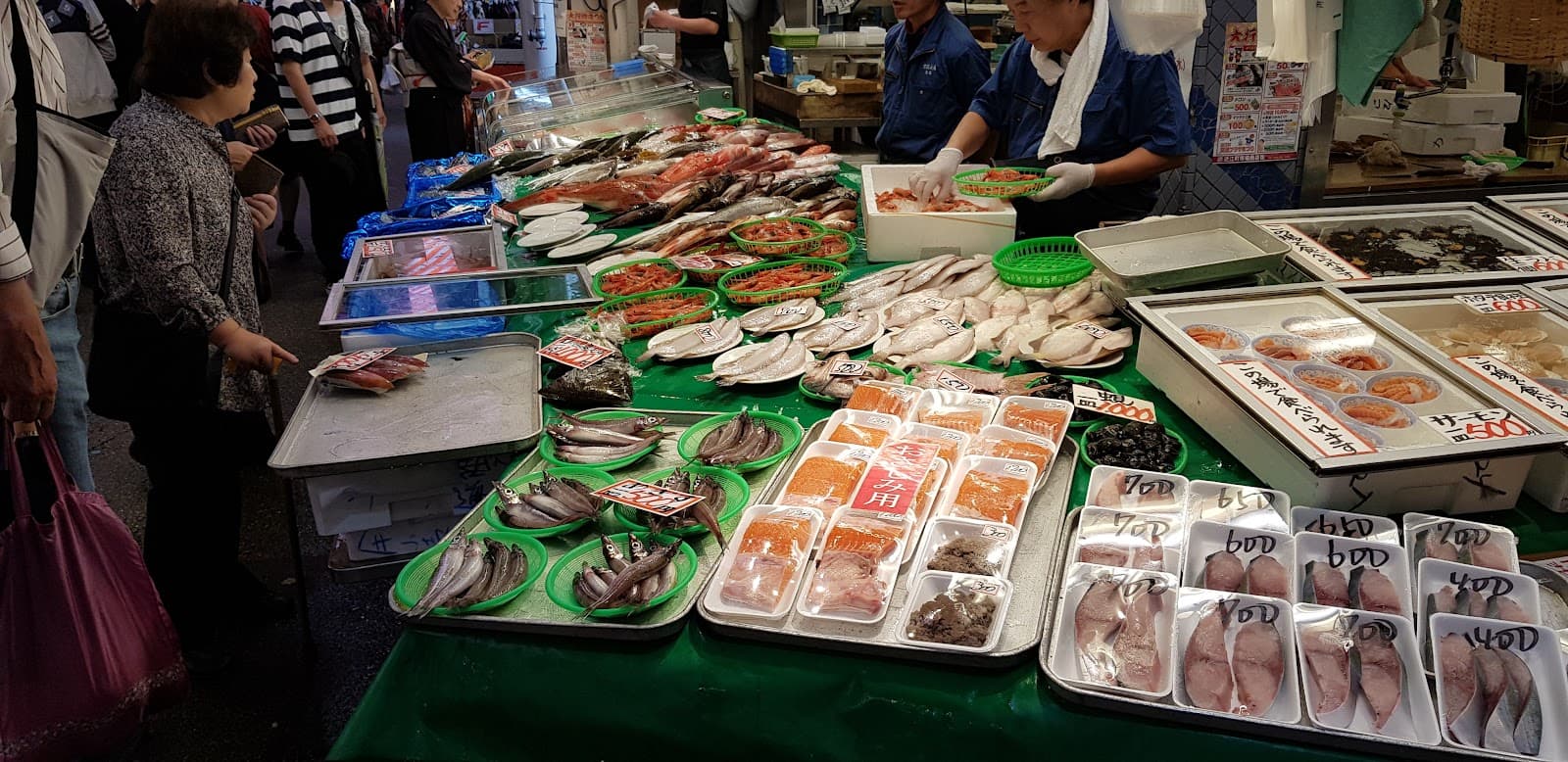
Sitting at a counter in Japan transforms a meal into theatre. Whether you're watching a sushi chef slice gleaming tuna at Tsukiji Outer Market or slurping noodles elbow-to-elbow at a Fukuoka ramen stall, counter dining offers an intimate glimpse into Japanese culinary culture. Yet for many visitors, that first approach to a counter seat triggers uncertainty. Where do you sit? What do you say? Can you really talk to the chef?
Fukuoka
Fukuoka Tower
Modern skyscraper with an observation deck for panoramic city & bay views, plus dining & a lounge.
Open in Maps ↗Let me guide you through the unwritten rules and practical realities of counter dining across Japan, from high-end sushi bars to standing ramen joints.
Why Counter Seating Matters in Japanese Dining
Counters aren't simply efficient use of space. They represent a distinctly Japanese approach to hospitality, placing diners directly in the chef's workspace. At Kyoto's Pontocho alley izakayas, counter seats cost the same as tables yet offer proximity to the grill master's skill. In Tokyo's Ginza district, the most coveted sushi seats face the chef across hinoki cypress wood worn smooth by decades of service.
Tokyo
Tokyo Tower
Reminiscent of the Eiffel Tower, this landmark features observation areas & other attractions.
Open in Maps ↗This seating arrangement reflects the Japanese concept of omotenashi - anticipatory hospitality. The chef observes your pace, adjusts seasoning based on your reactions, and times each course to your rhythm. You're not just being fed; you're being read.
Types of Counter Dining Experiences
High-End Sushi Counters (Sushi-ya)
Traditional sushi counters, particularly those serving Edomae-style sushi, operate on omakase (chef's choice). At establishments like Sushi Dai near the former Tsukiji Market (now relocated inside Toyosu Market), expect to pay ¥4,000-¥6,000 for a morning set. Premium spots in Ginza's backstreets charge ¥20,000-¥40,000 per person.
Seating protocol: Wait to be seated. The chef typically indicates your spot. Corner seats offer the best view of preparation. Never choose your own seat at upscale establishments.
Communication: At mid-range and high-end counters, some conversation is welcome. Asking about the day's catch shows genuine interest. Compliments on specific pieces are appreciated. However, avoid lengthy personal stories during busy service.
Practical timing: Book high-end counters weeks ahead. Mid-range spots like those in Osaka's Kuromon Market accept walk-ins but expect queues from 18:00-20:00. Morning sushi near fish markets (Hakodate's Donburi Yokocho, Kanazawa's Omicho Market) sees peak crowds 07:00-09:00.
Osaka
Osaka Castle
Revered castle dating to 1597 & since rebuilt, featuring gardens & a museum with varied exhibits.
Open in Maps ↗Osaka
Kuromon Market
Spacious market with vendors selling street food, fresh produce & shellfish, plus souvenirs.
Open in Maps ↗Kanazawa
Omicho Market
Spacious, indoor complex with stalls selling fresh produce, seafood & meat, plus specialty dishes.
Open in Maps ↗Ramen Shop Counters
Ramen counters prioritise efficiency. At Ichiran outlets across Japan, individual booths with bamboo partitions create "ramen focus" - you, your bowl, nothing else. Traditional shops like Fukuoka's Hakata Issou pack diners shoulder-to-shoulder at U-shaped counters.
Ordering system: Most ramen shops use ticket vending machines (shokken-ki) positioned near the entrance. Insert cash (rarely cards), press the button for your desired ramen (typically ¥800-¥1,200), and hand the ticket to staff. At peak lunch hours (12:00-13:00), have your money ready before entering.
Seating flow: Enter, purchase ticket, wait for a seat. Staff will guide you. Sit quickly, eat efficiently, leave promptly. Lingering over an empty bowl during lunch rush is considered inconsiderate. Average dining time: 15-20 minutes.
Mobile phones: Some shops explicitly forbid phone use. Most simply expect you to focus on eating. The counter at Kyoto's Gogyo ramen, famous for burnt miso broth, posts "Enjoy your ramen" signs as a gentle reminder.
Izakaya Counters
Japanese-style pub counters offer a relaxed middle ground. At Tokyo's Omoide Yokocho (Memory Lane) near Shinjuku Station, tiny counters seat four to six people. Larger chains like Torikizoku provide counter seats for solo diners alongside group tables.
Social dynamics: Conversation is expected. The counter is where salarymen chat with staff, regulars exchange news, and solo travellers might find themselves drawn into friendly banter. If you're alone and open to interaction, the counter is your best bet.
Ordering pace: Unlike omakase, you order throughout the evening. Start with drinks, add small plates (tsumami) gradually. Most izakayas implement a two-hour time limit during peak periods (19:00-22:00), clearly stated when seating you.
Standing Counters (Tachigui)
Standing soba, udon and sake bars eliminate seats entirely. Kyoto Station's underground tachigui soba serves commuters in under five minutes. Standing bars in Osaka's Tenma area offer premium sake by the glass at surprisingly reasonable prices (¥500-¥800).
Why stand? Lower overhead means better value. A bowl of tempura soba at a standing counter costs ¥400-¥600 versus ¥900-¥1,200 seated. The lack of comfort naturally encourages turnover, keeping queues moving.
Essential Counter Etiquette
Before You Sit
Remove backpacks: Large bags go on the floor or in provided baskets, never on the counter. At sushi counters, coats and scarves might be taken by staff. Small bags can go on your lap or a hook beneath the counter.
Hand towel (oshibori): Use it immediately for your hands, then fold it neatly beside your plate. In summer, towels arrive cold and refreshing. Winter brings steaming hot versions. Never use them for your face in formal settings, though casual ramen shops are more forgiving.
Engaging with the Chef
Eye contact and acknowledgement: A slight nod when seated shows respect. In Japanese culture, a small bow (15 degrees) suffices. At the meal's end, gochisousama deshita (thank you for the meal) directed at the chef is standard.
Appropriate questions: "What's recommended today?" (Kyou no osusume wa?) is always welcome. Asking about unfamiliar fish or preparation methods demonstrates genuine interest. Avoid asking how much individual pieces cost mid-meal - it breaks the flow.
Inappropriate topics: Don't critique the chef's technique, compare to other restaurants in front of them, or film extensively without permission. A quick photo of your completed plate is acceptable at casual spots; ask first at upscale venues.
Ordering and Payment Logistics
At sushi counters: In omakase service, the chef presents pieces in sequence. Eat each promptly - within 30 seconds ideally. The rice is body-temperature; the fish is precisely chilled. Delayed consumption ruins the intended balance.
At ramen shops: If customisation options exist (noodle firmness, broth richness, garlic level), decide before sitting. Staff ask immediately after you sit. Standard firmness is futsu, one level firmer is katame, very firm is barigata (popular in Fukuoka).
Bill presentation: At high-end counters, bills arrive discreetly at meal's end, often in a small tray or folder. At ramen shops, payment is typically at the counter near the exit, not at your seat. Izakayas vary - ask "Okaikei onegaishimasu" (check please) if unclear.
Navigating Language Barriers
Picture Menus and Displays
Most casual counter establishments display plastic food models (sampuru) in window cases or have picture menus. Point confidently. The phrase "Kore onegaishimasu" (this please) plus pointing works universally.
Vending Machine Buttons
Ramen shop machines typically show photos above buttons. If only kanji appears, look for:
- Characters ending in ラーメン (ramen)
- 醤油 (shouyu) - soy sauce base
- 味噌 (miso) - miso base
- 塩 (shio) - salt base
- 豚骨 (tonkotsu) - pork bone base
Most machines have a large button with the lowest price - that's your basic ramen option.
Translation Apps
Google Translate's camera function reads menus instantly. Download Japanese offline before your trip. At counters with English-speaking chefs (common in Tokyo's Shibuya and Shinjuku), simple food terms work: "tuna", "salmon", "fatty" (for toro).
Regional Variations in Counter Culture
Tokyo
Tokyo counters lean formal, especially in traditional areas like Nihonbashi and Ginza. Silence during meals is more common. Expect precise service, minimal small talk unless you initiate, and adherence to omakase progression at sushi venues.
The standing soba counters at stations (Tokyo, Shinagawa, Ueno) exemplify efficiency - order, eat, leave in under seven minutes.
Osaka
Osaka's counter culture is warmer and chattier. At Dotonbori's kushikatsu (deep-fried skewer) counters, chefs joke with regulars and newcomers alike. Double-dipping in shared sauce is the only serious taboo - do it once and expect firm correction.
Kuromon Market's seafood counters encourage questions. The tuna specialists particularly enjoy explaining different cuts to interested visitors.
Kyoto
Kyoto balances tradition with subtle hospitality. Pontocho's narrow izakaya counters create intimate settings where chefs read your preferences without asking. Expect kaiseki-influenced presentation even at casual spots.
Gion district counters (kappo-style) blend informality and refinement. Conversation flows naturally but quietly. Loud enthusiasm, though well-meant, disrupts the atmosphere.
Fukuoka
Fukuoka's yatai (street food stalls) offer the most casual counter experience. These open-air carts along the Naka River seat 7-10 people on stools. Chefs work in the centre while diners chat freely. Perfect for solo travellers wanting social interaction. Typical meal: ¥2,000-¥3,000 including drinks.
Hakata Station's ramen counters see fierce competition - shops close if noodles aren't exceptional. The turnover is rapid; tables fill the moment someone leaves.
Sapporo
Sapporo's susukino district izakayas specialise in seafood counters, featuring Hokkaido crab, uni (sea urchin), and ikura (salmon roe). Winter counters (December-February) offer hot sake pairings. Expect slightly higher prices than Honshu - premium uni starts at ¥3,000 per plate.
Common Mistakes and How to Avoid Them
At Sushi Counters
Don't: Mix wasabi into soy sauce. The chef has already added the precise amount. Drowning sushi in soy sauce masks the fish. Dip the fish side lightly, not the rice (which absorbs too much).
Don't: Eat ginger (gari) with sushi. It's a palate cleanser between pieces.
Don't: Request all your sushi at once. Trust the progression from lighter (white fish) to heavier (tuna, eel).
Do: Eat nigiri in one bite if possible, two maximum. Picking it apart is disrespectful to the construction.
At Ramen Counters
Don't: Leave broth unfinished. It's acceptable (even expected) to leave noodles if you're full, but taste the broth - it's the chef's signature.
Don't: Add condiments before tasting. Table condiments (garlic press, pepper, pickled ginger) are for adjusting to personal taste after experiencing the intended flavour.
Do: Slurp. It aerates the broth, enhances flavour, and signals enjoyment. Quiet eating seems odd at ramen counters.
At All Counters
Don't: Tip. Japan has no tipping culture. Leaving money on the counter causes confusion or offence. The service charge, if any, is included in the bill.
Don't: Wear strong perfume or cologne. At sushi counters especially, scent interferes with delicate aromas. If you've just smoked, wait a few minutes before entering.
Don't: Pass food between chopsticks. This resembles funeral rituals. Place food on someone's plate if sharing.
Solo Traveller Advantages
Counter seats suit solo diners perfectly. At popular ramen shops, solo customers fill gaps in the counter immediately while groups wait for tables. Many sushi counters reserve 1-2 seats for walk-in individuals.
Eating solo at counters removes the awkwardness of lone table dining. You're part of the rhythm, not conspicuously alone. I've found some of my most memorable interactions happened at counters - a Hiroshima okonomiyaki chef teaching me to properly flip the pancake, a Kanazawa sushi master explaining why winter yellowtail differs from summer's catch.
Seasonal Considerations
Spring (March-May): Sushi counters feature sakura masu (cherry salmon) and tai (sea bream). Bamboo shoots appear in Kyoto's kaiseki-style counters.
Summer (June-August): Expect cold noodles (hiyashi chuka, zaru soba) at standing counters. Eel (unagi) peaks around July's doyo no ushi no hi. Avoid peak lunch hours in heatwaves - un-air-conditioned ramen shops are uncomfortable.
Autumn (September-November): Prime season for sanma (Pacific saury), matsutake mushrooms, and fatty tuna. Hokkaido's counters excel with autumn salmon and crab.
Winter (December-February): Yellowtail (buri) and oysters dominate. Hot sake pairings become standard at izakaya counters. Counter seats near kitchens feel welcoming against cold weather.
Practical Booking and Visit Tips
High-end sushi: Reserve through hotel concierge or services like Pocket Concierge. Required 2-4 weeks ahead for top venues, especially in Ginza and Kyoto's Gion.
Mid-range sushi: Walk-ins work for lunch at market-adjacent shops. Dinner reservations (by phone, in Japanese) recommended for weekend evenings.
Ramen: No reservations. Visit off-peak - before 11:30 or after 14:00 for lunch, after 21:00 for dinner. Most shops close 15:00-18:00.
Izakayas: Large chains accept walk-ins. Small counter-only spots might have a regular customer base - look for welcoming signage or simply ask "Aiteimasu ka?" (Are you open?).
Standing counters: Pure walk-in. Peak times at train stations: 07:00-08:30, 12:00-13:00, 18:00-19:00.
What to Bring, What to Leave
Essential: Hand sanitiser (though oshibori are provided), cash in small bills (¥1,000 notes) for ramen machines, a small phrase card if you're uncomfortable with pronunciation.
Optional: A handkerchief for excess condensation on cold drinks in summer, mints for after garlic-heavy ramen (spare other diners).
Leave behind: Large cameras with external flashes, overstuffed backpacks, assumptions about Western dining pace. Counter dining in Japan requires presence and attention - your reward is experiencing craft inches from its creation.
Finding Your Counter Confidence
Your first counter experience might feel daunting. Choose a casual ramen shop or market sushi spot for your debut. Watch other diners, follow the rhythm, and remember that staff appreciate effort over perfection. Every regular customer was once a first-timer fumbling with ticket machines.
The beauty of counter dining lies in its democracy - the same seat costs the same whether you're Japanese or visiting from abroad, fluent or silent. The chef's craft speaks a universal language. Your role is simply to pay attention, show respect, and enjoy the meal.
At a Kyoto counter last spring, I watched an elderly chef form sushi with weathered hands, each piece perfect. He noticed my observation, smiled slightly, and nodded. No words needed. That moment of shared appreciation for his skill - that's what counter dining offers. It's not about knowing every rule. It's about being present for someone's life's work, one piece at a time.