
大内宿
Ouchi-juku
Fukushima · tohoku
Un paesino post Edo-period preservato di case dal tetto di paglia lungo una vecchia autostrada nelle montagne di Fukushima, famoso per soba mangiato con cipollotto di primavera.

Per chi è adatta Ouchi-juku
Viaggiatori di storia, fotografi e chi dopo un passo vivido indietro nella vecchia Giappone rurale, specialmente sotto la neve invernale.
Informazioni su Ouchi-juku
Ouchi-juku era una stazione di relai sulla strada Aizu-Nishi Kaido durante il periodo Edo, e la sua singola strada di case riccamente coperte di paglia e stata mantenuta quasi come era. Gli edifici ora contengono negozi di soba, bancarelle di artigianato e minshuku. Una breve salita a un punto di vista collinare da lo scatto classico della fila di tetti, magico quando innevato a febbraio.
Spostarsi a Ouchi-juku
La stazione ferroviaria piu vicina e Shimogo sulla Linea JR Tadami, circa 30 minuti via autobus locale; da li, puoi raggiungere le stazioni di Fukushima principali o connetterti alla rete shinkansen. Gli autobus funzionano da Shimogo direttamente al paesino preservato stesso, di solito funzionando diverse volte al giorno, anche se gli orari sono limitati quindi pianifica in anticipo. Per il pagamento, le carte IC come Suica o Pasmo funzionano su autobus regionali, oppure acquista biglietti cartacei (tipicamente circa ¥1.000 per il viaggio) alla stazione. Una volta nel villaggio preservato, tutto e navigabile a piedi, le case dal tetto di paglia e i ristoranti di soba si raggruppano lungo la vecchia autostrada entro facile distanza di passeggiata. Le biciclette possono essere noleggiate localmente per esplorare le strade montane circostanti e le attrazioni vicine, anche se il terreno ripido si adatta ai ciclisti fiduciosi al meglio. I taxi sono scarsi e i servizi minimi, quindi affidarsi agli autobus programmati e al traffico a piedi e essenziale per questa posizione remota e storica.
Cosa fare
6 di 6Tocca un tag per filtrare l'elenco.
Your JP Adventure
Pianifica un viaggio a Ouchi-juku
Trasformalo in un percorso giorno per giorno. Tabi-Kun crea un itinerario personalizzato per Ouchi-juku in base alle tue date, al tuo ritmo e ai tuoi interessi, gratis per iniziare.
Pianifica un viaggio a Ouchi-juku →Next up
Ouchi-juku sunflower
10 Jul · 30 Jul · 20 Aug
Sunflower usually just starting around your dates.
Full forecast & date overlapPeriodo migliore per visitare
**Miglior periodo per visitare Ouchi-juku** La primavera e l'autunno sono ideali per esplorare questo paesino magnificamente preservato. Fine marzo a inizio aprile porta la stagione di ciliegio in fiore, quando le montagne circostanti di Fukushima si ammorbidiscono con fiori rosa, mentre da settembre a ottobre il vivido fogliame autunnale incornicia le case dal tetto di paglia storiche perfettamente. Le temperature miti durante questi mesi rendono vagare le strade lastricate e il campionamento negi soba genuinamente confortevole. Evita la stagione piovosa di giugno e il caldo opprimente e le folle estive di luglio ad agosto. Da dicembre a febbraio trasforma il villaggio in un paesaggio innevato, che e visivamente scattante ma sfida l'accessibilita. Il Festival Invernale di Ouchi-juku, tipicamente tenuto a fine febbraio, mostra la citta coperta di neve e caratteristica dimostrazioni tradizionali e bancarelle di cibo locale. Le spalle stagioni a fine ottobre e novembre offrono meno visitatori che autunno di picco, permettendo un'esperienza piu intima di questo gioiello culturale.
All seasonal phenomena · 2026
The whole calendar for this city
Live and forecast windows update through the year; historical entries are the multi-year average.
- Historical
1 Feb to 25 Mar
- Historical
18 Mar to 5 May
- Historical
15 Apr to 20 May
- Historical
18 Apr to 12 May
- Historical
5 Jun to 15 Jul
- Historical
SunflowerStarting now
10 Jul to 20 Aug
- Historical
5 Oct to 5 Dec
Monthly Climate & Weather
Best months: May, Oct.
Most challenging: Jan to Feb, Dec (heavy snow).
- ·Autumn colours (koyo) peak in mid-October, often spectacular in Tohoku's mountains.
- ·Summer festivals such as Aomori Nebuta (August) draw large crowds despite the heat.
Historical averages · Source: Japan Meteorological Agency (JMA), 1991 to 2020 normals
Dove si trova
Fukushima, tohoku
Getting there
Aeroporto più vicino
-Tempi verso altre città
- SendaiTrain2 hr 30 min
- TokyoShinkansen3 hr
Dove alloggiare
Il villaggio stesso offre alloggio limitato, quindi la maggior parte dei visitatori base se stessi nella vicina Nishi-Aizuwakamatsu, dove gli alberghi commerciali e una manciata di ryokan tradizionali si raggruppano intorno alla stazione ferroviaria e ai distretti di shopping. Gli alberghi commerciali di solito addebitano da ¥8.000 a ¥15.000 per camera doppia, mentre i ryokan con cene serali e accesso onsen generalmente vanno da ¥12.000 a ¥22.000 a persona. Dalla stazione di Nishi-Aizuwakamatsu, il paesino post e circa 30 a 40 minuti di distanza in autobus, rendendolo gestibile come gita di un giorno o soggiorno breve. In alternativa, alcuni viaggiatori preferiscono alberghi di capsule o affittacamere compatte nel paesino stesso per un'esperienza piu immersiva della montagna Fukushima rurale. Il viaggio stesso e scenico, passando attraverso foreste di cedri e valli agricole che incorniciano il carattere culturale e storico della regione.
Cosa mangiare
Il piatto caratteristico di Ouchi-juku e negi soba, noodle di grano saraceno mangiati tradizionalmente per immersione in brodo caldo e mordendo attraverso fette spesse di cipollotto di primavera crudo piuttosto che usare i bastoncini. Diversi ristoranti a conduzione familiare fiancheggiato la strada principale di questo paesino magnificamente preservato, la maggior parte addebitando da ¥800 a ¥1.200 per ciotola. Oltre i noodle, assaggia sake locale di Fukushima presso le piccole distillerie infilate tra gli edifici dal tetto di paglia, oppure goditi verdure montagna stagionali alle case di te. Per i viaggiatori attenti al budget, i bancarelle di strada vicino al centro del villaggio offrono snack piu leggeri e cracker di riso a prezzi ragionevoli. Il cibo qui riflette l'eredita montagnosa della regione e il significato culturale della vecchia autostrada, rendendo ogni pasto una connessione al passato feudale del Giappone.
Domande frequenti
Reviews
Reviews from Google Maps
A Day Trip to Ouchi-juku from Aizuwakamatsu Overall: A charming visit, worth the trip if you are in the area. • Transport & Cost: I purchased a round-trip ticket from Aizuwakamatsu Station for 2,200 JPY, which is quite a good deal. The train ride is straightforward, but make sure to stay alert for the announcements so you don't miss the stop at Yunokami Onsen Station. • The Shuttle Bus: Upon arrival, the bus to the village can get very crowded. They tend to prioritize passengers with prior reservations first. However, don't worry—the staff is very organized and they will ensure everyone eventually gets a seat on a bus to Ouchi-juku. • The Village Experience: Ouchi-juku is undeniably beautiful with its iconic thatched roofs. However, be aware that it feels more like a tourist attraction than a preserved "living" ancient village. Almost every house has been converted into a souvenir shop or a restaurant. You can easily see everything and walk through the entire village in about 1 to 2 hours. • Facilities: Good news for visitors—there are clean public toilets located right at the main parking lot near the entrance. • Final Verdict: While the experience didn't blow me away as "extraordinary," it was still a pleasant and very photogenic trip. If you have half a day to spare, it’s definitely worth the visit!
Ōuchijuku feels like traveling back in time to the Edo period ❄️🏮 This historic post town in Fukushima is famous for its traditional thatched-roof houses lined along the old street, creating a nostalgic and peaceful atmosphere unlike anywhere else in Japan. I visited during winter, and the snow-covered scenery made the village look even more magical. Walking through the streets while snow gently covered the rooftops felt like stepping into a postcard. There are also many local food stalls, souvenir shops, and cozy restaurants where you can experience the charm of rural Japan. The winter illumination and snow festival held in February make the atmosphere even more beautiful at night. Ōuchijuku is definitely worth visiting if you want to experience traditional Japan and stunning winter scenery away from the busy cities ☃️
This is a wonderful tourist attraction located just outside the city. The view is beautiful, and the entire village was covered in snow during my visit, making it look absolutely stunning. One of the best things about this place is that it wasn’t nearly as crowded as I expected, which made it very peaceful and easy to take plenty of photos without other people in the background. If you are looking for a scenic spot that is off the beaten path, I highly recommend visiting this village.
Visited on 04 Jan 2026 Started the drive from Kōriyama Station, arrived here around 4pm due to some other issues encounter, so most of the stores are closed. Despite that, the scenery of the snowy village/street was quite spectacular and memorable, maybe its because this is my first time on encountering such view, probably visiting once again when the stores are opening. Even with 4wd and winter tyres, the drive to Aizuwakamatsu when we left was quite tough due to the heavy snow pile up on the road.
Ouchi-juku is a phenomenal spot to visit if you’re planning on taking a road trip during your japan trip. The village boasts beautiful buildings from the edo period, which are incredibly well preserved. Most are used for food and drink spots, or souvenir shops. At the foot of the hill by the village, you’ll find a small shrine area. Very charming spot which will take you about 2-3 hours to complete. No entrance fees, but you do have to pay for parking if you plan on arriving by car.
Day trips from Ouchi-juku
Close enough to visit for the day and be back in Ouchi-juku that night.
Guide per Ouchi-juku
View more →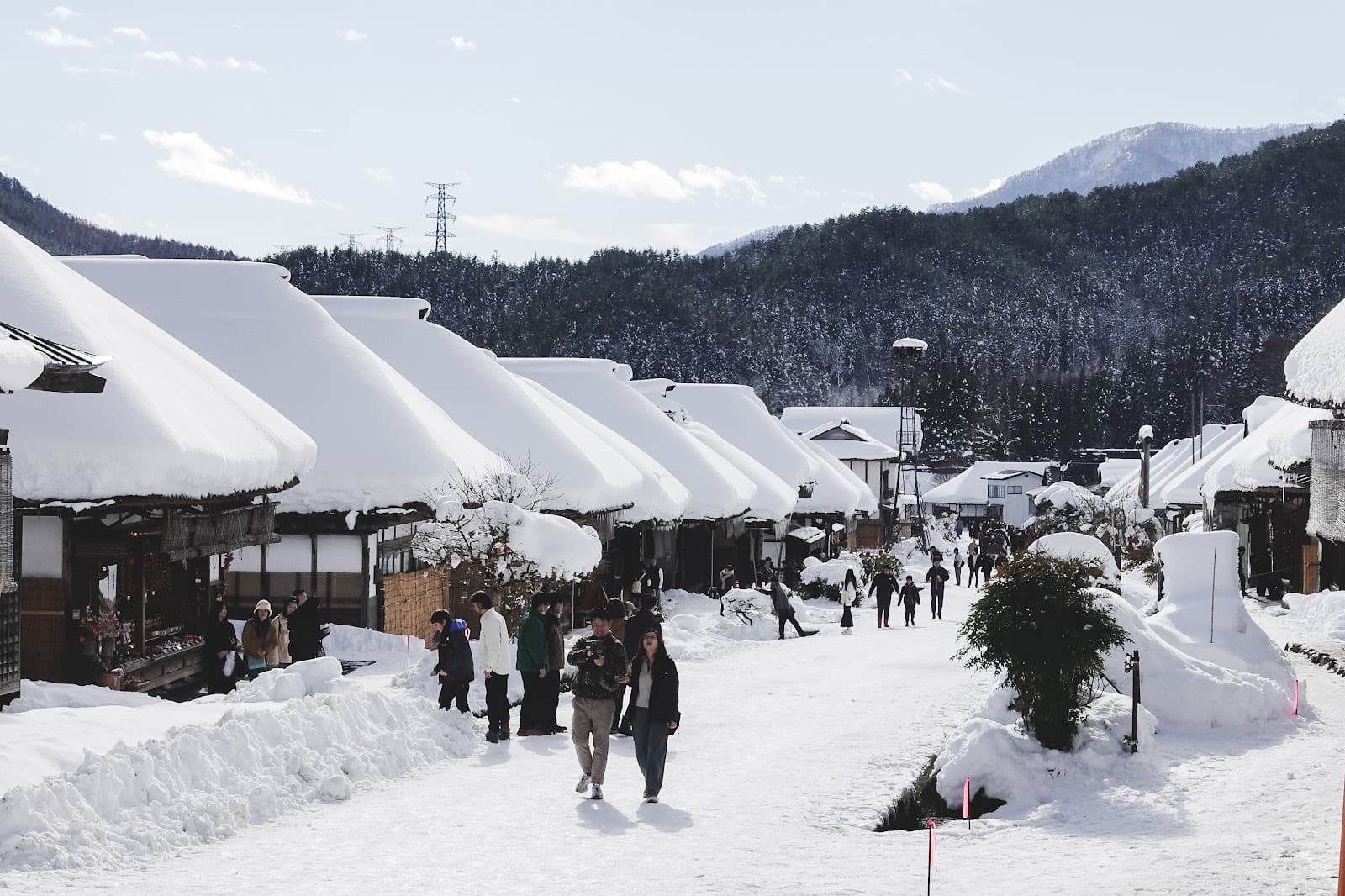
Altro in tohoku
View more →Share
Send this to anyone considering Ouchi-juku.