
大内宿
Ouchi-juku
Fukushima · tohoku
ईदो काल के एक संरक्षित पोस्ट टाउन, जिसमें पुरानी राजमार्ग के साथ फूस की छत वाले घर हैं, वसंत प्याज के साथ खाए जाने वाले सोबा के लिए प्रसिद्ध।

ओउची-जुकु किसके लिए है
इतिहास यात्रियों, फोटोग्राफरों और जो पुरानी ग्रामीण जापान में एक जीवंत कदम वापसी चाहते हैं, विशेषकर सर्दी की बर्फ के नीचे।
ओउची-जुकु के बारे में
ओउची-जुकु ईदो काल के दौरान अइजु-निशी कैदो रोड पर एक रिले स्टेशन था, और इसकी सिंगल स्ट्रीट के खड़ी फूस की छत वाली घरें लगभग जैसे वे थे वैसे ही रखी गई हैं। भवन अब सोबा की दुकानें, कला की दुकानें और मिनशुकु रखते हैं। एक छोटी सी पहाड़ी पर चढ़कर एक दृश्य बिंदु सड़ों की पंक्ति का शास्त्रीय शॉट देता है, फरवरी में बर्फ से ढका हुआ जादुई।
ओउची-जुकु में घूमना-फिरना
निकटतम ट्रेन स्टेशन JR तदमी लाइन पर शिमोगो है, लगभग 30 मिनट दूर स्थानीय बस द्वारा; वहां से, आप प्रमुख फुकुशिमा स्टेशन तक पहुंच सकते हैं या शिंकानसेन नेटवर्क से जुड़ सकते हैं। बसें शिमोगो से सीधे पोस्ट टाउन तक चलती हैं, आमतौर पर प्रतिदिन कई बार चलती हैं, हालांकि समय सारणी सीमित हैं इसलिए आगे की योजना बनाएं। भुगतान के लिए, IC कार्ड जैसे Suica या Pasmo क्षेत्रीय बसों पर काम करते हैं, या कागज टिकट खरीदें (आमतौर पर यात्रा के लिए ¥1,000 के आसपास) स्टेशन पर। संरक्षित गांव में एक बार, सब कुछ चलने योग्य है, पुरानी राजमार्ग के साथ समूहीकृत फूस की छत वाले घर और सोबा रेस्तरां आसान पैदल दूरी के भीतर। साइकिलें स्थानीय रूप से किराए पर ली जा सकती हैं आसपास की पहाड़ी सड़कों और पास के आकर्षणों की खोज के लिए, हालांकि खड़ी भूभाग आत्मविश्वासी चक्रवात के लिए सर्वोत्तम है। टैक्सियां दुर्लभ हैं और सेवाएं न्यूनतम हैं, इसलिए निर्धारित बसों और पैदल यातायात पर निर्भर करना इस दूरस्थ, ऐतिहासिक स्थान के लिए आवश्यक है।
करने लायक चीज़ें
6 में से 6सूची फ़िल्टर करने के लिए किसी टैग पर टैप करें।
Your JP Adventure
Ouchi-juku की यात्रा की योजना बनाएँ
इसे दिन-प्रतिदिन के रूट में बदलें। Tabi-Kun आपकी तारीखों, रफ़्तार और रुचियों के अनुसार एक व्यक्तिगत Ouchi-juku यात्रा कार्यक्रम तैयार करता है, शुरुआत मुफ़्त।
Ouchi-juku की यात्रा की योजना बनाएँ →Next up
Ouchi-juku sunflower
10 Jul · 30 Jul · 20 Aug
Sunflower usually just starting around your dates.
Full forecast & date overlapघूमने का सबसे अच्छा समय
वसंत और शरद ऋतु इस सुंदर संरक्षित पोस्ट टाउन की खोज के लिए आदर्श हैं। मार्च के अंत से अप्रैल की शुरुआत तक चेरी ब्लॉसम का समय आता है, जब आसपास के फुकुशिमा पहाड़ गुलाबी फूलों से नरम हो जाते हैं। सितंबर के माध्यम से अक्टूबर शानदार क्रिमसन और सोने की शरद ऋतु पत्तियां प्रदान करता है जो ऐतिहासिक फूस की छत वाली घरों को सही ढंग से फ्रेम करता है। इन महीनों के दौरान हल्के तापमान कोबल्ड सड़कों में टहलने और स्थानीय सोबा नूडल्स का नमूना लेने को वास्तव में आरामदायक बनाते हैं। जून के बारिष्ट मौसम और जुलाई से अगस्त की अत्यधिक गर्मी और गर्मी की भीड़ से बचें। दिसंबर से फरवरी गांव को बर्फानी परिदृश्य में बदल देता है, जो दृष्टि से आकर्षक है लेकिन पहुंच को चुनौती देता है। ओउची-जुकु विंटर फेस्टिवल, आमतौर पर फरवरी के अंत में आयोजित, शहर को बर्फ में धूल लगाकर प्रदर्शित करता है और पारंपरिक प्रदर्शन और स्थानीय खाद्य स्टॉल प्रदर्शित करता है। देर अक्टूबर और नवंबर शांत मौसम पीक शरद ऋतु से अधिक आगंतुकों का विरोध करते हुए अंतरंग अनुभव के लिए अनुमति देते हैं।
All seasonal phenomena · 2026
The whole calendar for this city
Live and forecast windows update through the year; historical entries are the multi-year average.
- Historical
1 Feb to 25 Mar
- Historical
18 Mar to 5 May
- Historical
15 Apr to 20 May
- Historical
18 Apr to 12 May
- Historical
5 Jun to 15 Jul
- Historical
SunflowerStarting now
10 Jul to 20 Aug
- Historical
5 Oct to 5 Dec
Monthly Climate & Weather
Best months: May, Oct.
Most challenging: Jan to Feb, Dec (heavy snow).
- ·Autumn colours (koyo) peak in mid-October, often spectacular in Tohoku's mountains.
- ·Summer festivals such as Aomori Nebuta (August) draw large crowds despite the heat.
Historical averages · Source: Japan Meteorological Agency (JMA), 1991 to 2020 normals
यह कहाँ है
Fukushima, tohoku
Getting there
निकटतम हवाई अड्डा
-अन्य शहरों तक का समय
- SendaiTrain2 hr 30 min
- TokyoShinkansen3 hr
कहाँ ठहरें
गांव स्वयं सीमित आवास प्रदान करता है, इसलिए अधिकांश आगंतुकों को आस-पास के निशी-अइजुवाकामात्सु में आधार बनाते हैं, जहां व्यावसायिक होटल और मुट्ठी भर पारंपरिक रायोकान ट्रेन स्टेशन और खरीदारी जिलों के चारों ओर समूहीकृत होते हैं। व्यावसायिक होटल आमतौर पर डबल कक्ष के लिए ¥8,000 से ¥15,000 तक चार्ज करते हैं, जबकि रायोकान शाम के भोजन और ओंसेन पहुंच के साथ आमतौर पर ¥12,000 से ¥22,000 प्रति व्यक्ति चलते हैं। निशी-अइजुवाकामात्सु स्टेशन से, पोस्ट टाउन लगभग 30 से 40 मिनट दूर है बस द्वारा, इसे दिन की यात्रा या छोटी रहने के लिए प्रबंधनीय बनाता है। वैकल्पिक रूप से, कुछ यात्री ग्रामीण फुकुशिमा के पहाड़ी सेटिंग के अधिक निमग्न अनुभव के लिए गांव में कैप्सूल होटल या कॉम्पैक्ट छुट्टी किराये पसंद करते हैं। यात्रा स्वयं सुंदर है, देवदार वन और कृषि घाटियों से गुजरती है जो क्षेत्र के सांस्कृतिक और ऐतिहासिक चरित्र को फ्रेम करते हैं।
क्या खाएँ
ओउची-जुकु का हस्ताक्षर व्यंजन नेगी सोबा है, गेहूं के सोबा नूडल्स परंपरागत रूप से गर्म शोरबा में डुबो कर खाए जाते हैं और लंबी स्लाइस कच्चे वसंत प्याज के माध्यम से काटे जाते हैं। इस सुंदर संरक्षित पोस्ट टाउन की मुख्य सड़क के साथ परिवार द्वारा चलाए जाने वाले कई रेस्तरां, अधिकांश ¥800 से ¥1,200 प्रति कटोरी चार्ज करते हैं। नेगी सोबा अनुभव ईदो-काल यात्रियों के भोजन की सरलता और इतिहास को पकड़ता है। नूडल्स से परे, फूस की छत वाली इमारतों में छिपे छोटे ब्रेवरीज पर स्थानीय फुकुशिमा साके का नमूना लें, या चाय के घरों पर मौसमी पहाड़ी सब्जियों का आनंद लें। बजट-सचेत आगंतुकों के लिए, गांव के केंद्र के पास स्ट्रीट स्टॉल हल्के नाश्ते और चावल की क्रैकर्स उचित कीमतों पर प्रदान करते हैं। यहां का भोजन क्षेत्र की पहाड़ी विरासत और पुरानी राजमार्ग के सांस्कृतिक महत्व को दर्शाता है।
अक्सर पूछे जाने वाले सवाल
Reviews
Reviews from Google Maps
A Day Trip to Ouchi-juku from Aizuwakamatsu Overall: A charming visit, worth the trip if you are in the area. • Transport & Cost: I purchased a round-trip ticket from Aizuwakamatsu Station for 2,200 JPY, which is quite a good deal. The train ride is straightforward, but make sure to stay alert for the announcements so you don't miss the stop at Yunokami Onsen Station. • The Shuttle Bus: Upon arrival, the bus to the village can get very crowded. They tend to prioritize passengers with prior reservations first. However, don't worry—the staff is very organized and they will ensure everyone eventually gets a seat on a bus to Ouchi-juku. • The Village Experience: Ouchi-juku is undeniably beautiful with its iconic thatched roofs. However, be aware that it feels more like a tourist attraction than a preserved "living" ancient village. Almost every house has been converted into a souvenir shop or a restaurant. You can easily see everything and walk through the entire village in about 1 to 2 hours. • Facilities: Good news for visitors—there are clean public toilets located right at the main parking lot near the entrance. • Final Verdict: While the experience didn't blow me away as "extraordinary," it was still a pleasant and very photogenic trip. If you have half a day to spare, it’s definitely worth the visit!
Ōuchijuku feels like traveling back in time to the Edo period ❄️🏮 This historic post town in Fukushima is famous for its traditional thatched-roof houses lined along the old street, creating a nostalgic and peaceful atmosphere unlike anywhere else in Japan. I visited during winter, and the snow-covered scenery made the village look even more magical. Walking through the streets while snow gently covered the rooftops felt like stepping into a postcard. There are also many local food stalls, souvenir shops, and cozy restaurants where you can experience the charm of rural Japan. The winter illumination and snow festival held in February make the atmosphere even more beautiful at night. Ōuchijuku is definitely worth visiting if you want to experience traditional Japan and stunning winter scenery away from the busy cities ☃️
This is a wonderful tourist attraction located just outside the city. The view is beautiful, and the entire village was covered in snow during my visit, making it look absolutely stunning. One of the best things about this place is that it wasn’t nearly as crowded as I expected, which made it very peaceful and easy to take plenty of photos without other people in the background. If you are looking for a scenic spot that is off the beaten path, I highly recommend visiting this village.
Visited on 04 Jan 2026 Started the drive from Kōriyama Station, arrived here around 4pm due to some other issues encounter, so most of the stores are closed. Despite that, the scenery of the snowy village/street was quite spectacular and memorable, maybe its because this is my first time on encountering such view, probably visiting once again when the stores are opening. Even with 4wd and winter tyres, the drive to Aizuwakamatsu when we left was quite tough due to the heavy snow pile up on the road.
Ouchi-juku is a phenomenal spot to visit if you’re planning on taking a road trip during your japan trip. The village boasts beautiful buildings from the edo period, which are incredibly well preserved. Most are used for food and drink spots, or souvenir shops. At the foot of the hill by the village, you’ll find a small shrine area. Very charming spot which will take you about 2-3 hours to complete. No entrance fees, but you do have to pay for parking if you plan on arriving by car.
Day trips from Ouchi-juku
Close enough to visit for the day and be back in Ouchi-juku that night.
ओउची-जुकु के लिए गाइड
View more →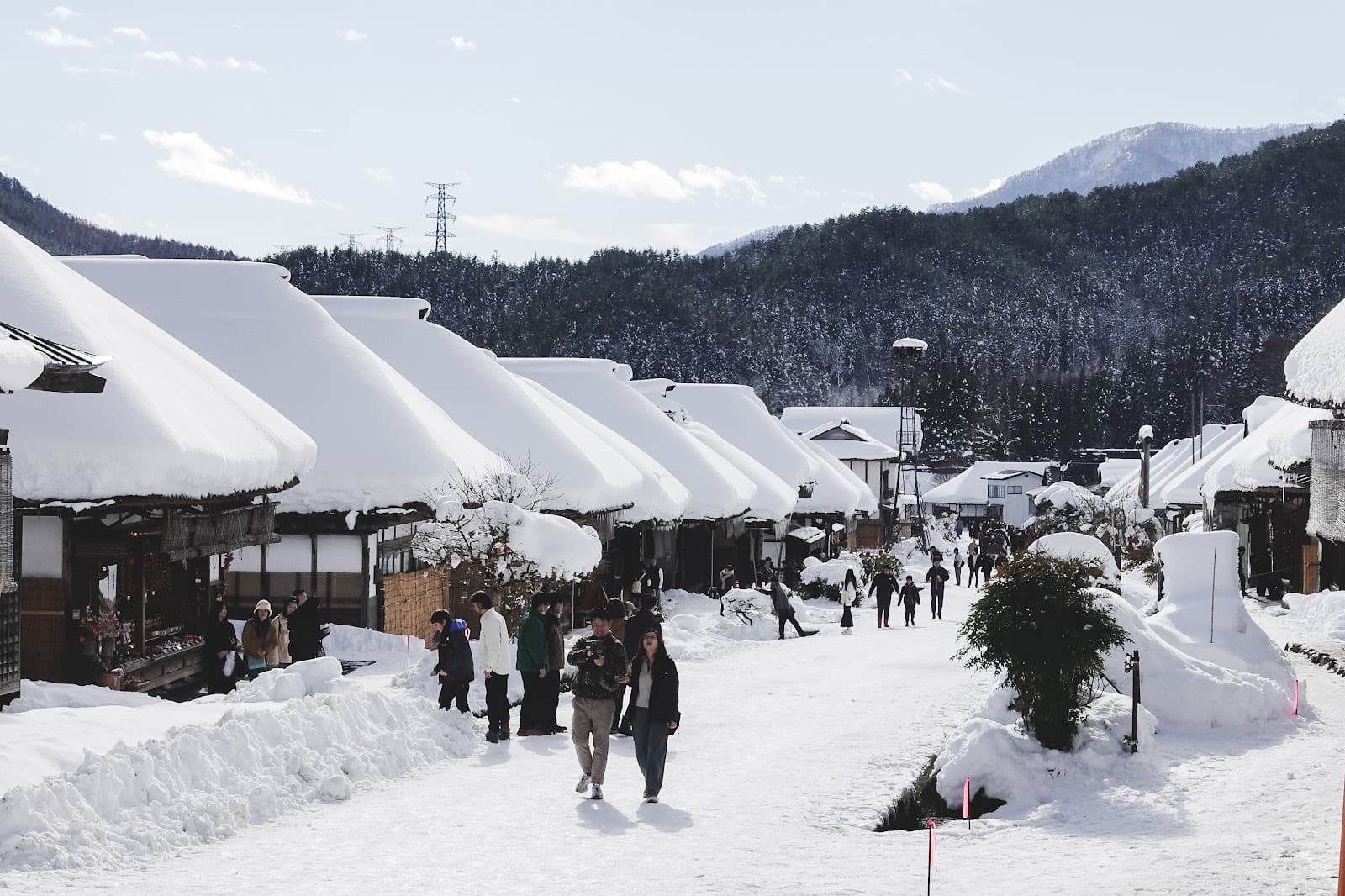
tohoku में और देखें
View more →Share
Send this to anyone considering Ouchi-juku.