
大内宿
Ouchi-juku
Fukushima · tohoku
Un pueblo de relé de la era Edo preservado de casas de techo de paja a lo largo de una carretera antigua en las montañas de Fukushima, famoso por soba comido con una cebolleta de primavera.

Para quién es Ouchi-juku
Viajeros de historia, fotógrafos y aquellos que buscan un vívido paso atrás a la vieja Japón rural, especialmente bajo nieve invernal.
Sobre Ouchi-juku
Ouchi-juku fue una estación de relé en la carretera Aizu-Nishi Kaido durante el período Edo, y su única calle de casas de techo pronunciadamente de paja se ha mantenido casi como era. Los edificios ahora albergan tiendas de soba, puestos de artesanía y minshuku. Un corto ascenso a un punto de vista de ladera da la foto clásica de la fila de techos, mágica cuando está cubierta de nieve en febrero.
Cómo moverse por Ouchi-juku
La estación de tren más cercana es Shimogo en la Línea JR Tadami, aproximadamente 30 minutos de distancia por autobús local; de allí, puedes alcanzar estaciones principales de Fukushima o conectar a la red de shinkansen. Los autobuses operan de Shimogo directamente al pueblo de relé mismo, generalmente funcionando varias veces al día, aunque los horarios son limitados así que planifica con anticipación. Para pago, tarjetas IC como Suica o Pasmo funcionan en autobuses regionales, o compra boletos de papel (típicamente alrededor de ¥1.000 para el viaje) en la estación. Una vez en el pueblo preservado, todo es transitable a pie, las casas de techo de paja y restaurantes de soba se agrupan a lo largo de la carretera antigua a una distancia de caminata fácil. Las bicicletas pueden alquilarse localmente para explorar carreteras de montaña circundantes y atracciones cercanas, aunque el terreno pronunciado se adapta mejor a ciclistas seguros. Los taxis son escasos y los servicios mínimos, así que depender de autobuses programados y tráfico a pie es esencial para esta ubicación remota e histórica.
Qué hacer
6 de 6Toca una etiqueta para filtrar la lista.
Your JP Adventure
Planifica un viaje a Ouchi-juku
Conviértelo en una ruta día a día. Tabi-Kun crea un itinerario personalizado de Ouchi-juku adaptado a tus fechas, ritmo e intereses, gratis para empezar.
Planifica un viaje a Ouchi-juku →Next up
Ouchi-juku sunflower
10 Jul · 30 Jul · 20 Aug
Sunflower usually just starting around your dates.
Full forecast & date overlapMejor época para visitar
**Mejor época para visitar Ouchi-juku** La primavera y el otoño son ideales para explorar este pueblo de relé bellamente preservado. Finales de marzo a inicio de abril trae temporada de flor de cerezo, cuando las montañas Fukushima circundantes se suavizan con flores rosa, mientras que septiembre a octubre ofrece brillante follaje de otoño crimesí y oro que enmarca perfectamente las casas de techo de paja históricas. Las temperaturas templadas durante estos meses hacen que deambular por las calles adoquinadas y probar fideos de soba locales sea genuinamente cómodo. Evite la temporada lluviosa de junio y el calor opresivo de julio a agosto y multitudes de verano. Diciembre a febrero transforma el pueblo en un paisaje nevado, que es visualmente impresionante pero desafía la accesibilidad. El Festival de Invierno Ouchi-juku, típicamente celebrado a finales de febrero, muestra el pueblo cubierto de nieve y presenta demostraciones tradicionales y puestos de comida local. Las temporadas intermedias en finales de octubre y noviembre ofrecen menos visitantes que el otoño de pico, permitiendo una experiencia más íntima de esta gema cultural.
All seasonal phenomena · 2026
The whole calendar for this city
Live and forecast windows update through the year; historical entries are the multi-year average.
- Historical
1 Feb to 25 Mar
- Historical
18 Mar to 5 May
- Historical
15 Apr to 20 May
- Historical
18 Apr to 12 May
- Historical
5 Jun to 15 Jul
- Historical
SunflowerStarting now
10 Jul to 20 Aug
- Historical
5 Oct to 5 Dec
Monthly Climate & Weather
Best months: May, Oct.
Most challenging: Jan to Feb, Dec (heavy snow).
- ·Autumn colours (koyo) peak in mid-October, often spectacular in Tohoku's mountains.
- ·Summer festivals such as Aomori Nebuta (August) draw large crowds despite the heat.
Historical averages · Source: Japan Meteorological Agency (JMA), 1991 to 2020 normals
Dónde está
Fukushima, tohoku
Getting there
Aeropuerto más cercano
-Tiempo a otras ciudades
- SendaiTrain2 hr 30 min
- TokyoShinkansen3 hr
Dónde alojarse
El pueblo mismo ofrece alojamiento limitado, así que la mayoría de visitantes se basan en el cercano Nishi-Aizuwakamatsu, donde hoteles de negocios y un puñado de ryokan tradicionales se agrupan alrededor de la estación de tren y distritos comerciales. Los hoteles de negocios típicamente cobran ¥8.000 a ¥15.000 por habitación doble, mientras que los ryokan con cenas nocturnas y acceso a onsen generalmente funcionan ¥12.000 a ¥22.000 por persona. De la estación de Nishi-Aizuwakamatsu, el pueblo de relé está aproximadamente 30 a 40 minutos de distancia en autobús, haciéndolo manejable como un viaje de día o estadía corta. Alternativamente, algunos viajeros prefieren hoteles cápsula o alquileres vacacionales compactos en el pueblo para una experiencia más envolvente de la ubicación montañosa Fukushima rural. El viaje mismo es escénico, pasando a través de bosques de cedro y valles agrícolas que enmarcan el carácter cultural e histórico de la región.
Qué comer
El plato característico de Ouchi-juku es negi soba, fideos de trigo sarraceno tradicionalmente comidos sumergiéndolos en un caldo cálido y mordiendo gruesas rebanadas de cebolleta de primavera cruda en lugar de usar palillos. Varios restaurantes familiares bordean la calle principal de este pueblo de relé bellamente preservado, la mayoría cobrando ¥800 a ¥1.200 por tazón. La experiencia de negi soba captura la simplicidad e historia de comidas de viajeros de la era Edo. Más allá de fideos, prueba sake local de Fukushima en pequeñas destilerías acurrucadas entre los edificios de techo de paja, o disfruta verduras de montaña estacionales en casas de té. Para visitantes conscientes del presupuesto, puestos callejeros cerca del centro del pueblo ofrecen snacks más ligeros y galletas de arroz a precios razonables. La comida aquí refleja el patrimonio montañoso de la región y la importancia cultural de la carretera antigua, haciendo que cada comida sea una conexión al pasado feudal de Japón.
Preguntas frecuentes
Reviews
Reviews from Google Maps
A Day Trip to Ouchi-juku from Aizuwakamatsu Overall: A charming visit, worth the trip if you are in the area. • Transport & Cost: I purchased a round-trip ticket from Aizuwakamatsu Station for 2,200 JPY, which is quite a good deal. The train ride is straightforward, but make sure to stay alert for the announcements so you don't miss the stop at Yunokami Onsen Station. • The Shuttle Bus: Upon arrival, the bus to the village can get very crowded. They tend to prioritize passengers with prior reservations first. However, don't worry—the staff is very organized and they will ensure everyone eventually gets a seat on a bus to Ouchi-juku. • The Village Experience: Ouchi-juku is undeniably beautiful with its iconic thatched roofs. However, be aware that it feels more like a tourist attraction than a preserved "living" ancient village. Almost every house has been converted into a souvenir shop or a restaurant. You can easily see everything and walk through the entire village in about 1 to 2 hours. • Facilities: Good news for visitors—there are clean public toilets located right at the main parking lot near the entrance. • Final Verdict: While the experience didn't blow me away as "extraordinary," it was still a pleasant and very photogenic trip. If you have half a day to spare, it’s definitely worth the visit!
Ōuchijuku feels like traveling back in time to the Edo period ❄️🏮 This historic post town in Fukushima is famous for its traditional thatched-roof houses lined along the old street, creating a nostalgic and peaceful atmosphere unlike anywhere else in Japan. I visited during winter, and the snow-covered scenery made the village look even more magical. Walking through the streets while snow gently covered the rooftops felt like stepping into a postcard. There are also many local food stalls, souvenir shops, and cozy restaurants where you can experience the charm of rural Japan. The winter illumination and snow festival held in February make the atmosphere even more beautiful at night. Ōuchijuku is definitely worth visiting if you want to experience traditional Japan and stunning winter scenery away from the busy cities ☃️
This is a wonderful tourist attraction located just outside the city. The view is beautiful, and the entire village was covered in snow during my visit, making it look absolutely stunning. One of the best things about this place is that it wasn’t nearly as crowded as I expected, which made it very peaceful and easy to take plenty of photos without other people in the background. If you are looking for a scenic spot that is off the beaten path, I highly recommend visiting this village.
Visited on 04 Jan 2026 Started the drive from Kōriyama Station, arrived here around 4pm due to some other issues encounter, so most of the stores are closed. Despite that, the scenery of the snowy village/street was quite spectacular and memorable, maybe its because this is my first time on encountering such view, probably visiting once again when the stores are opening. Even with 4wd and winter tyres, the drive to Aizuwakamatsu when we left was quite tough due to the heavy snow pile up on the road.
Ouchi-juku is a phenomenal spot to visit if you’re planning on taking a road trip during your japan trip. The village boasts beautiful buildings from the edo period, which are incredibly well preserved. Most are used for food and drink spots, or souvenir shops. At the foot of the hill by the village, you’ll find a small shrine area. Very charming spot which will take you about 2-3 hours to complete. No entrance fees, but you do have to pay for parking if you plan on arriving by car.
Day trips from Ouchi-juku
Close enough to visit for the day and be back in Ouchi-juku that night.
Guías de Ouchi-juku
View more →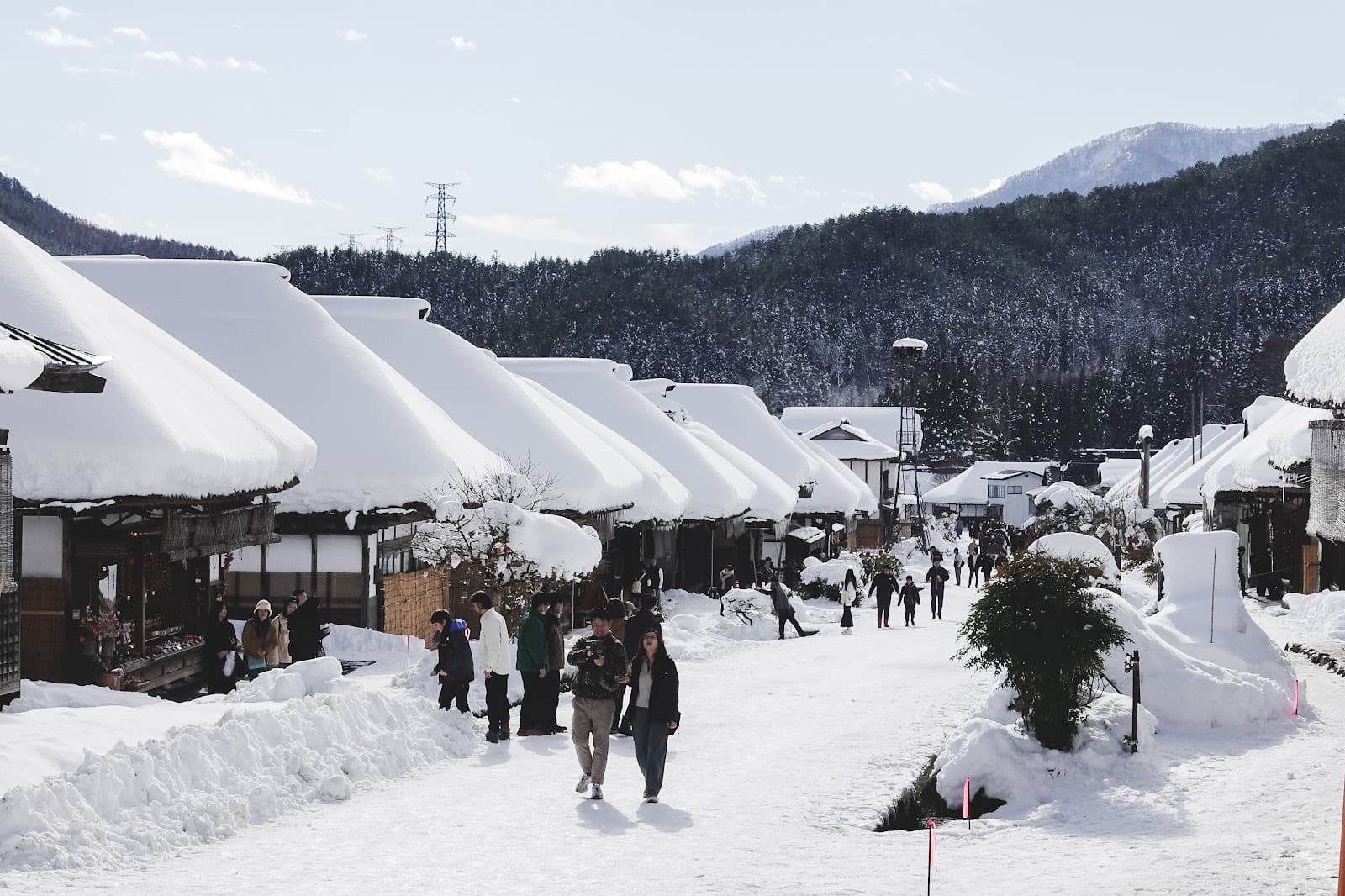
Más en tohoku
View more →Share
Send this to anyone considering Ouchi-juku.