
 By Declan Barry
Temple Stays in Japan (Shukubo): A Practical Guide
Staying overnight at a Japanese Buddhist temple offers one of the most authentic cultural experiences available to travellers. Known as shukubo (宿坊), these temple lodgings were originally created for pilgrims but now welcome curious visitors seeking a glimpse into monastic life. You'll sleep on tatami mats, wake before dawn for morning prayers, and share simple vegetarian meals prepared according to centuries-old traditions.
This isn't luxury accommodation, but that's precisely the point. A temple stay strips away modern distractions and invites you into a slower, more contemplative rhythm. Here's everything you need to know to book and enjoy this memorable experience.
What to Expect During a Temple Stay
Temple lodgings vary considerably, from basic pilgrim accommodation to surprisingly comfortable rooms with private facilities. Most fall somewhere in between, offering clean, simple Japanese-style rooms with shared bathrooms.
Your typical day begins around 6:00 AM with morning prayers (otsutome). You're usually welcome to observe or participate, sitting quietly at the back of the prayer hall as monks chant sutras. The rhythmic chanting, incense smoke, and early morning light create an atmosphere unlike anything you'll experience elsewhere in Japan.
Breakfast follows prayers, typically around 7:00 AM. You'll eat shojin ryori, the traditional Buddhist vegetarian cuisine that eschews meat, fish, and strong-smelling vegetables like garlic and onions. Don't let this sound limiting - skilled temple cooks transform seasonal vegetables, tofu, and mountain plants into elaborate, delicious meals. Each dish arrives in beautiful lacquerware, arranged with the aesthetic precision Japan is famous for.
After breakfast, you're generally free to explore the temple grounds, meditate, or simply rest. Some temples offer additional activities like calligraphy, meditation instruction, or garden tours. Check-out usually occurs around 10:00 AM.
Evening routines mirror the morning but in reverse. Dinner arrives around 6:00 PM (another shojin ryori meal), followed by free time. Some temples hold evening meditation sessions. You'll sleep on a futon laid out on tatami mats, with the temple's silence broken only by distant bells or the rustle of wind through ancient trees.
Where to Experience Temple Stays
Mount Koya (Koyasan), Wakayama Prefecture
Mount Koya remains Japan's premier destination for temple stays, with over 50 temples offering accommodation. This sacred mountain, founded by the monk Kobo Daishi in 816, serves as the headquarters of Shingon Buddhism. The entire mountaintop feels like stepping into another era, with temples connected by stone paths winding through cedar forests.
Standout temples include Ekoin, which offers excellent English support and morning fire ceremonies, and Ichijoin, known for its stunning rock garden. Prices range from ¥9,000 to ¥15,000 per person including two meals. The entire experience - from the cable car ride up the mountain to waking amongst morning mist - creates an unforgettable atmosphere.
From Osaka, take the Nankai Electric Railway to Gokurakubashi Station (around 90 minutes, ¥1,260), then the cable car to the summit (five minutes, ¥390).
Zenkoji Temple, Nagano
Nagano
Zenkōji temple
This renowned Buddhist temple founded in the 7th century features picturesque grounds & a museum.
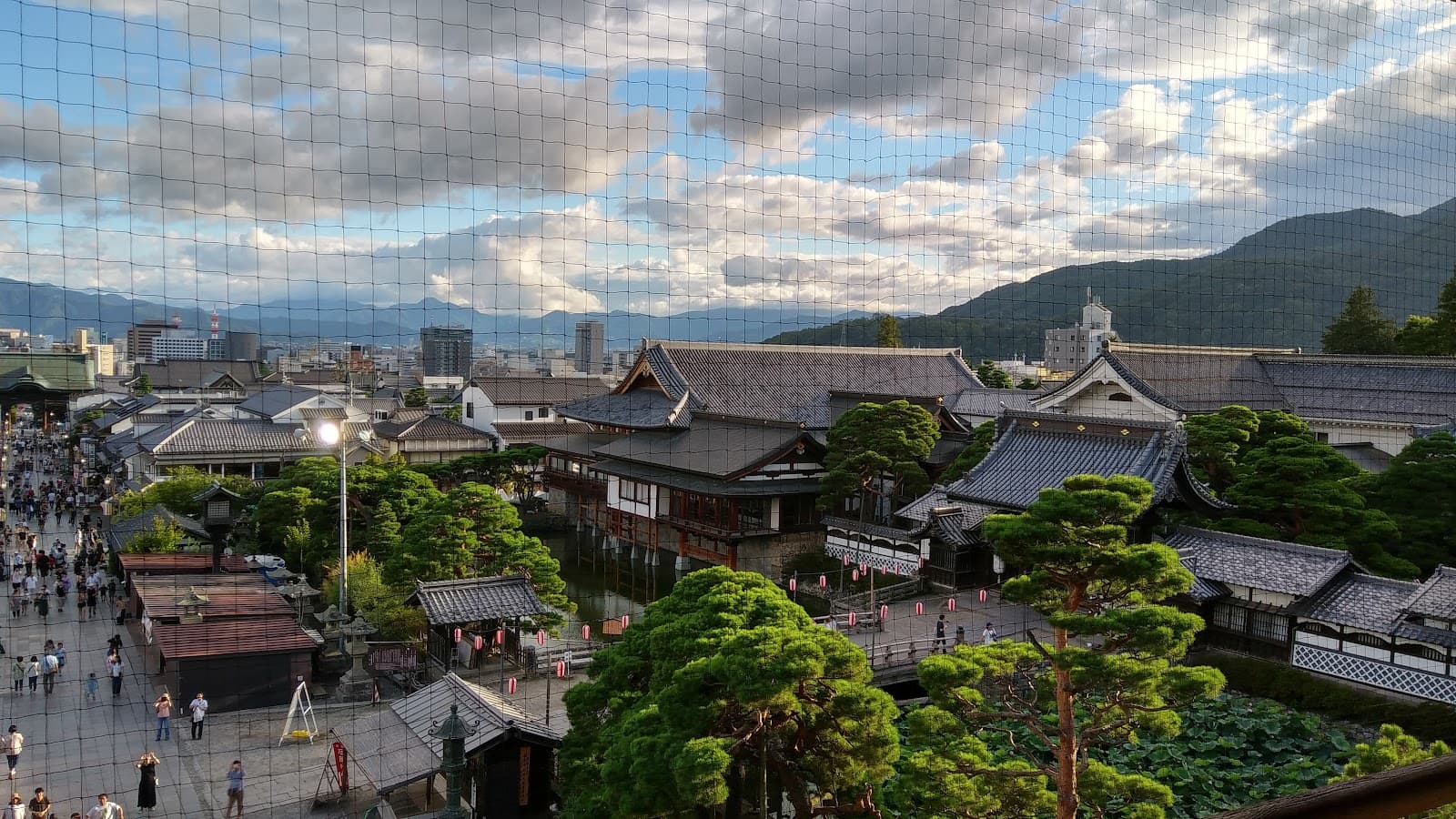
Open in Maps ↗Zenkoji, one of Japan's most important pilgrimage sites, offers several shukubo options within its extensive grounds. The temple welcomes all Buddhist denominations and even non-Buddhists, maintaining an unusually open atmosphere. Morning prayers here draw large crowds - the abbot's blessing as they walk through the congregation is considered particularly auspicious.
The neighbourhood surrounding Zenkoji retains a traditional feel, with old wooden buildings housing soba restaurants and craft shops. Temple stays cost approximately ¥9,500 per person with meals. Nagano Station sits just 20 minutes walk from the temple, accessible via Hokuriku Shinkansen from Tokyo (90 minutes, around ¥8,000).
Shukubo on the Kumano Kodo Pilgrimage Routes
The ancient Kumano Kodo pilgrimage trails, winding through the mountainous Kii Peninsula, pass several temples offering accommodation. These stays suit active travellers hiking the routes, providing authentic pilgrim experiences. Temples along the trail, such as those in Hongu or near Kumano Nachi Taisha, offer basic but welcoming lodging.
Prices run around ¥8,000-10,000 per person with meals. Access varies by specific location, but most travellers base themselves in Tanabe or Kii-Katsuura, reaching trailheads by local bus.
Kyoto Temple Stays
Whilst less common than in Mount Koya, several Kyoto temples accept overnight guests. Myorenji Temple in central Kyoto offers an intimate experience, with English-speaking staff and meditation instruction. The small scale means you'll interact more directly with resident monks.
Kyoto temple stays typically cost ¥10,000-12,000 per person. The advantage here lies in combining your temple experience with Kyoto's countless other attractions, though the urban setting feels less removed from everyday life than mountaintop alternatives.
Booking Your Temple Stay
Many temples don't use standard hotel booking platforms. For Mount Koya, the Koyasan Shukubo Association website (eng.shukubo.net) lists available temples with photos and English descriptions. You can email temples directly, though English proficiency varies. Some temples work with the Japanese Guest Houses booking site.
For other locations, the Japan National Tourism Organization maintains an updated list of temples accepting guests. Travel agencies specialising in Japan (both international and domestic) can arrange bookings, particularly helpful if language barriers concern you.
Book well in advance during peak seasons (April cherry blossom season, autumn colours in October-November, and August's Obon holiday). One to two months ahead is wise; popular temples like Ekoin at Mount Koya fill up even earlier.
When enquiring, specify:
- Your preferred dates and flexibility
- Number of guests and room requirements
- Any dietary restrictions (temples can usually accommodate allergies, though the vegetarian menu is fixed)
- Whether you want to participate in morning prayers and meditation
Temple Stay Etiquette
Respectful behaviour is essential when staying in an active religious site. Follow these guidelines to ensure a positive experience for everyone:
At Check-In Remove your shoes at the temple entrance (slippers are provided). Speak quietly - temples maintain peaceful atmospheres. Complete check-in paperwork promptly and clarify the schedule for meals and prayers.
In Your Room Rooms are simple but clean. You'll find yukatas (casual cotton kimonos) for wearing around the temple. Most temples provide basic toiletries, but bring any specific items you need. Keep your room tidy - this isn't a hotel with daily housekeeping.
During Prayers and Ceremonies Arrive a few minutes early and sit toward the back unless directed otherwise. Sit in seiza (kneeling) position if comfortable, or cross-legged if not. Remain quiet and still throughout. Photography is usually forbidden during religious ceremonies - always ask first. You needn't participate actively; respectful observation is perfectly acceptable.
At Meals Meals are eaten in silence or with minimal conversation at most temples. Wait until everyone is served before beginning. Eat everything provided - wasting food contradicts Buddhist principles. If you genuinely cannot eat something due to allergies, inform staff at check-in.
The traditional meal greeting is "itadakimasu" (before eating) and "gochisousama deshita" (after finishing), said with hands pressed together in gratitude.
Bathing Most temples have communal baths with set hours for men and women. Wash thoroughly at the taps before entering the bath itself - the bath is for soaking, not washing. Keep noise to a minimum and be mindful of other guests. Some temples have private bathing times available; ask at check-in.
General Conduct Maintain quiet voices throughout the temple, especially early morning and evening. Bow when passing monks. Don't enter areas marked as private. If you're unsure about anything, ask - temple staff appreciate questions over inadvertent disrespect.
What to Pack
Temples provide bedding and yukatas, but pack:
- Comfortable, modest clothing for wearing during the day and at meals. Long trousers or skirts are appropriate; avoid revealing clothing.
- Warm layers for early morning prayers, even in summer. Temple halls can be chilly at dawn.
- Personal toiletries including any specific products you need. Basic soap and towels are usually provided, but bring toothpaste, skincare, etc.
- Socks for walking around the temple (you'll remove shoes but need something on your feet).
- A small torch for navigating dark hallways at night.
- Earplugs if you're a light sleeper. Morning bells start early.
- An open mind and patient attitude - temple stays require adjustment to unfamiliar routines.
Leave valuables at your main accommodation if possible. Whilst temples are safe, you're carrying belongings to shared spaces and have limited secure storage.
Costs and Practical Considerations
Expect to pay ¥9,000-15,000 per person per night, including two meals. This represents excellent value considering the quality of food, the unique experience, and the historic settings. Some temples charge slightly more for single occupancy or rooms with private facilities.
Payment is usually cash only, settled at check-in or checkout. Few temples accept credit cards, so withdraw sufficient yen beforehand. Some temples request advance payment or deposits via bank transfer when booking.
Language Considerations English proficiency varies dramatically. Mount Koya temples generally offer the best English support, with some providing English-language booklets explaining routines and history. Elsewhere, expect limited English. This needn't be a barrier - schedules are straightforward once explained, and temple staff are patient with communication.
WiFi and Connectivity Many temples offer WiFi in common areas, though coverage may be spotty. Consider this a chance to disconnect. Mobile phone signals work fine for checking maps or messages, but respect the peaceful atmosphere by keeping phones silent and used discreetly.
Accessibility Most temples involve stairs, uneven stone paths, and buildings without lifts. Accessibility for wheelchair users or those with significant mobility issues is extremely limited. If you have concerns, contact temples directly to discuss options.
Beyond the Stay: Enhancing Your Experience
Arrive at least a day early if possible, particularly at Mount Koya. Explore the temple grounds, visit the atmospheric Okunoin cemetery before staying overnight, and acclimate to the environment. This transforms the experience from a single night to a deeper immersion.
Consider purchasing temple items as meaningful souvenirs. Prayer beads (juzu), incense, and omamori (protective amulets) make thoughtful gifts or keepsakes. Many temples also offer goshuin, artistic calligraphy stamps collected in special books - a wonderful way to document your journey.
If meditation interests you, ask about instruction. Some temples offer introductory sessions in zazen (seated meditation) or other practices. Even a brief lesson provides techniques you can practise at home.
Is a Temple Stay Right for You?
Temple stays suit travellers seeking authentic cultural experiences over comfort. You'll sacrifice lie-ins, private bathrooms, and evening entertainment. In return, you'll gain insights into Japanese Buddhism, experience sublime tranquillity, and create memories that outlast any luxury hotel stay.
This experience particularly appeals to those who:
- Appreciate cultural immersion and learning
- Enjoy quiet, contemplative activities
- Want to understand Japanese spirituality beyond tourist observations
- Can adapt to unfamiliar routines and simple accommodation
- Value unique experiences over conventional tourism
If you need extensive English communication, prefer flexible schedules, or want vibrant nightlife, a temple stay may frustrate rather than fulfil. That's perfectly fine - Japan offers countless accommodation styles to suit different preferences.
For those willing to embrace the experience fully, a night in a Japanese temple provides profound insights into the country's spiritual traditions and offers a rare moment of genuine peace in our busy world. The memory of morning prayers at dawn, the taste of carefully prepared vegetarian cuisine, and the sense of connection to centuries of pilgrims who walked these same paths stays with you long after you return home.