
長野
Nagano
Nagano · chubu
historynatureculture
The 1998 Winter Olympics host city, home to Zenko-ji - one of Japan's most visited pilgrimage sites - and gateway to mountain resorts.

Who Nagano is for
Pilgrimage visitors, history buffs, and winter sports fans.
About Nagano
Zenko-ji temple enshrines Japan's first Buddhist image. Nagano hosted the 1998 Olympics and the ski venues at Hakuba remain fully operational.
Things to do
16 of 16Tap a tag to filter the list.
Zenkōji temple
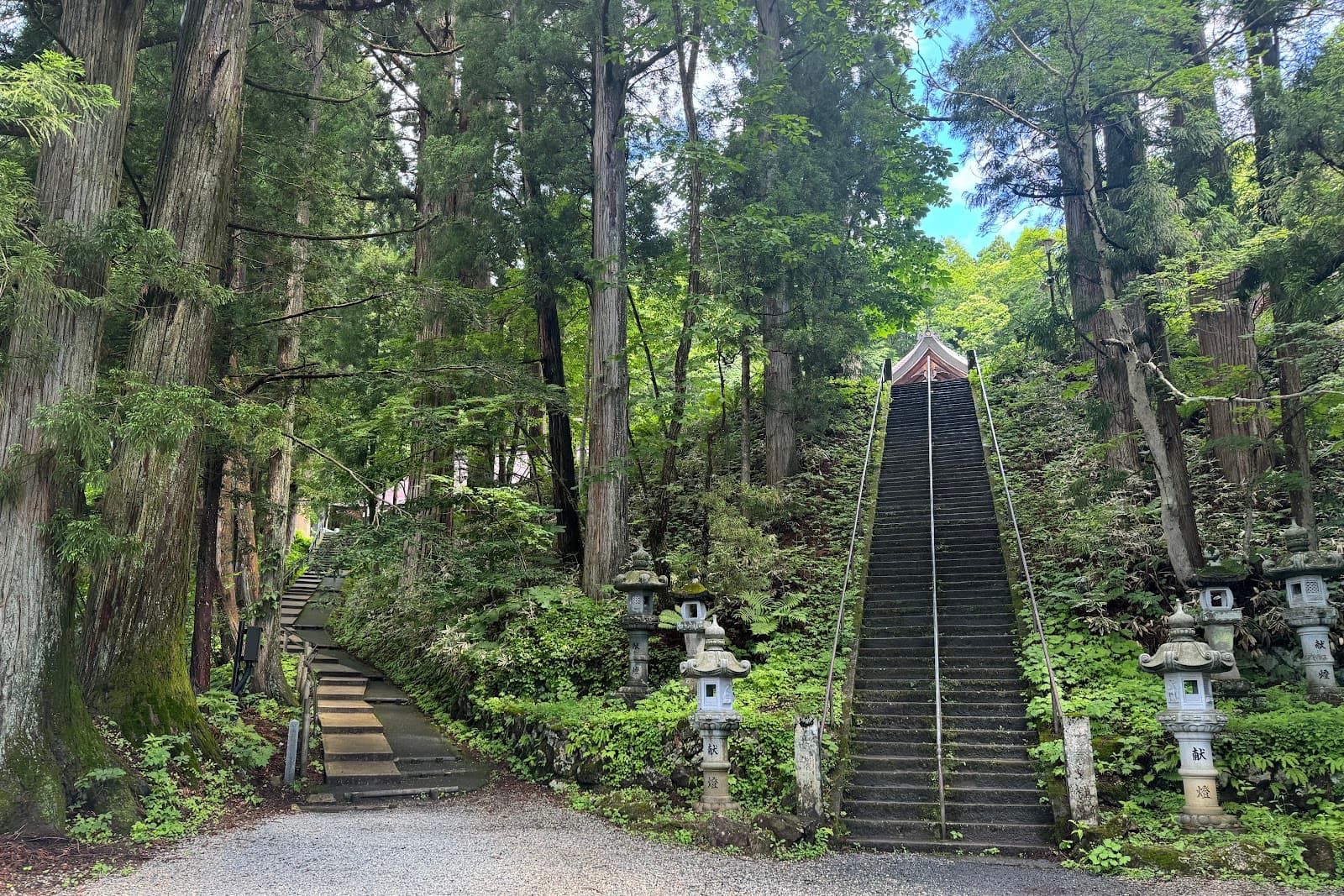
PopularThis renowned Buddhist temple founded in the 7th century features picturesque grounds & a museum.
View on Google MapsKawanakajima Old Battlefield
Large park on the site of a 1500s battlefield, with historical exhibits, paths & leafy picnic areas.
View on Google MapsMIDORI Nagano
Bustling shopping center providing a variety of boutiques, a grocery store & eateries.
View on Google MapsNagano Prefectural Art Museum
Showrooms of paintings & calligraphy by artists linked to emerging styles of the early 20th century.
View on Google MapsJōyama Park
Life-size models of dinosaurs, many with built-in slides, in a picturesque park with picnic spots.
View on Google Maps
Your JP Adventure
Plan a trip to Nagano
Turn this into a day-by-day route. Tabi-Kun shapes a personalised Nagano itinerary around your dates, pace, and interests — free to start.
Plan a trip to Nagano →Getting around Nagano
Getting around Nagano is straightforward thanks to a network of local buses and the Nagano Express (Nagano Dentetsu) railway line, which connects the city center to nearby mountain areas and the 1998 Olympic venues. Most visitors purchase an IC card like Suica or Pasmo at the station, or pick up a one-day bus pass for around ¥700, which offers unlimited travel on city buses and is useful if you're hopping between Zenko-ji temple and outlying attractions. The compact city center is quite walkable, especially the pilgrimage route leading to the famous temple, and bicycle rentals are available near the station for those wanting to explore at a leisurely pace. Taxis are readily available but rarely necessary within the city itself, though they become more practical if you're heading to remote mountain resorts or ski areas during winter. Local buses typically run until around 9 p.m., with frequent daytime service making them the most practical option for day trips to nearby destinations.
Best time to visit
The ideal months to visit are April and November, when cherry blossoms paint the landscape in spring and vibrant autumn foliage blankets the surrounding mountains. Both seasons offer mild, comfortable weather perfect for exploring Zenko-ji temple and hiking the nearby alpine regions. The rainy tsuyu season typically arrives in June, while typhoons can disrupt travel in September, and summer heat peaks in July and August, drawing large crowds to mountain resorts. Winter brings heavy snow, though this appeals to skiing enthusiasts at resorts like Shiga Kogen. For a unique cultural experience, time your visit around the Oeshiki festival in October, a centuries-old pilgrimage event at Zenko-ji that attracts thousands of devotees in traditional processions. Shoulder seasons like May and early October also warrant consideration, offering pleasant weather with fewer visitors than peak spring and autumn periods.
Where to stay
The Zenko-ji temple district offers traditional ryokan and small inns that capture the pilgrimage atmosphere surrounding Japan's most visited Buddhist temple, with easy walking access to the main shrine and surrounding heritage sites. Central Nagano near the station caters to business travelers with modern hotels typically ranging ¥8,000 - 15,000 for a double room, positioning you within a short train ride of both the temple and mountain attractions. For a more contemporary experience, the Yamamura and Tomoe areas feature vacation rentals and newer guesthouses popular with nature-focused visitors heading to nearby ski resorts and hiking trails in the Japanese Alps. Capsule hotels are available but less common here than in major cities. Most neighborhoods connect conveniently to regional trains and bus services; the station itself is the transit hub for reaching Zenko-ji in about 15 minutes on foot or by local transport, and mountain resorts typically require 30 minutes to 90 minutes by train or bus depending on your destination.
What to eat
Nagano's culinary scene reflects its mountain heritage and pilgrimage traditions, with soba noodles taking center stage as the region's signature dish - locals prize hand-pulled varieties served both hot in broth and chilled with dipping sauce. The Omotesando shopping street and the traditional market near Zenko-ji temple offer excellent opportunities to sample regional specialties, from miso to pickled vegetables. The prefecture is renowned for its sake breweries, many offering tastings to visitors exploring the snow country's brewing heritage. Budget-conscious travelers will find excellent soba at casual standing counters for typically ¥800 - 1,200 per bowl, while more refined preparations at dedicated restaurants run higher. Don't miss yama-no-susume (mountain vegetables) dishes, which showcase Nagano's alpine produce in seasonal preparations throughout the year.
Frequently Asked Questions
Guides for Nagano
View more →Guides
Spirited Away: The Real Places Behind Studio Ghibli's Masterpiece
Discover the real Japanese locations that inspired Spirited Away, from Dōgo Onsen's historic bathhouse to traditional towns echoing the film's atmosphere.
12 min read·23 May 2026
Tips
Removing Shoes in Japan: When, Where, and How to Navigate This Essential Custom
Complete guide to removing shoes in Japan. Learn when and where to take off footwear at temples, restaurants, homes and hotels, plus proper etiquette tips.
12 min read·23 May 2026
More in chubu
View more →Gero Onsen
下呂温泉
Chubu · Gifu
One of Japan's three great hot spring resorts, with clear alkaline baths and a charming Hida River valley setting.
ExperiencesNatureCulture
See moreNagoya
名古屋
Chubu · Aichi
Japan's fourth-largest city, a manufacturing powerhouse with a magnificent castle, unique food culture, and the Toyota Museum.
UrbanFoodHistory
See moreToba
鳥羽
Chubu · Mie
A pearl and oyster town on the Ago Bay, home to Mikimoto Pearl Island, ama women divers, and Japan's most famous aquarium.
CultureNatureFood
See moreBessho Onsen
別所温泉
Chubu · Nagano
Nagano's oldest hot spring, with Kamakura-period Buddhist temples including a National Treasure pagoda.
ExperiencesHistoryCulture
See moreShare
Send this to anyone considering Nagano.