
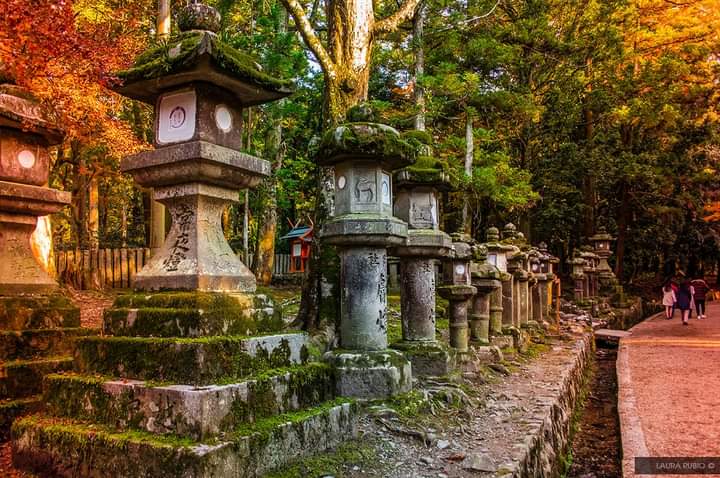
 By Declan Barry
Japan on a Budget: What's Actually Possible (Real Numbers, Real Tips)
Japan has a reputation for being expensive, and certain aspects genuinely are. But here's the truth: with smart choices and realistic expectations, you can explore this incredible country without emptying your savings account. I've seen countless travellers enjoy remarkable Japanese experiences on modest budgets by understanding where to spend and where to save.
Let me show you what's actually achievable with real numbers, specific strategies, and honest trade-offs.
Accommodation: Your Biggest Opportunity to Save
Accommodation typically devours 30-40% of a Japan travel budget, which makes it your primary target for savings.
Hostels and Guesthouses (¥2,500-4,500 per night)
Dormitory beds in major cities cost ¥2,500-3,500 in Tokyo and Osaka, slightly less in smaller cities like Hiroshima (¥2,000-3,000). Book directly through hostel websites rather than aggregators to sometimes save ¥300-500 per night.
Tokyo
Tokyo Tower
Reminiscent of the Eiffel Tower, this landmark features observation areas & other attractions.
Open in Maps ↗Many Japanese hostels offer exceptional value beyond just a bed. Book and Bed Tokyo in Ikebukuro places beds inside bookshelves for ¥3,800. Len Kyoto Kawaramachi provides traditional tatami rooms with shared facilities for ¥3,200. You're not sacrificing comfort, you're choosing a different experience.
Capsule Hotels (¥3,000-5,000 per night)
Capsule hotels occupy a sweet spot between hostels and business hotels. Nine Hours Shinjuku charges ¥4,500 for spotlessly clean pods with excellent showers and lounges. First Cabin properties (¥4,800-5,500) offer larger "cabins" that feel more like compact rooms.
The advantage: you get privacy, security, and often superior facilities compared to budget hotels at similar prices.
Business Hotels (¥5,500-8,000 per night)
Chain business hotels like Toyoko Inn, Super Hotel, and Route Inn deliver tiny but functional private rooms. Book directly for member rates: Toyoko Inn membership (free) knocks ¥500-800 off standard rates. Weekday nights in regional cities can drop below ¥5,000.
These hotels include basics like soap, towels, pyjamas, and usually breakfast. The rooms are genuinely small (9-12 square metres), but perfectly adequate for sleeping and showering.
Strategic Booking
Stay in different neighbourhoods rather than the most central locations. Ikebukuro and Ueno in Tokyo, or Tennoji in Osaka, offer 20-30% cheaper accommodation than Shibuya or Namba whilst remaining superbly connected by metro.
Osaka
Tennoji Park
Landscaped city park offering lawns, flowerbeds, paved areas, fountains & cafes.
Open in Maps ↗Book accommodation in smaller cities for significantly better value. A business hotel night in Kanazawa or Takayama costs ¥5,500 versus ¥8,000 in Tokyo for identical quality.
Transport: The JR Pass Question
The Japan Rail Pass decision determines whether your transport costs ¥15,000 or ¥45,000 for a two-week trip.
When the JR Pass Makes Sense
A 7-day ordinary JR Pass costs ¥29,650 (2024 prices). A Tokyo-Kyoto-Osaka-Tokyo loop on shinkansen costs approximately ¥29,000 in individual tickets. Add a return trip to Hiroshima (¥19,000) or one to Kanazawa (¥14,000), and the pass delivers clear savings.
The pass makes financial sense when you're covering 800+ kilometres by shinkansen within seven days, or doing a classic Tokyo-Kyoto-Osaka-Hiroshima-Tokyo circuit.
When to Skip the JR Pass
Staying in one region for your entire trip makes the pass poor value. Two weeks in Kansai (Kyoto, Osaka, Nara, Kobe) requires no shinkansen travel. Instead, buy a Kansai Thru Pass (3-day version: ¥4,000) for unlimited private railway and metro use.
Nara
Nara Park
Landscaped, public park with ancient temples & the Nara National Museum of art, plus tame deer.
Open in Maps ↗Tokyo-focused trips don't need the JR Pass either. A 72-hour Tokyo Metro pass costs ¥1,500. Toei and Metro combination day passes are ¥900. You'll spend ¥6,000-8,000 on local transport across ten days versus ¥29,650 for an unused JR Pass.
Budget Transport Alternatives
Night buses slash both accommodation and transport costs. Tokyo to Kyoto night buses cost ¥4,500-6,500 (versus ¥13,320 for shinkansen) and save a hotel night. Willer Express and JR buses offer reasonable comfort for overnight journeys.
Local trains cost 50-60% less than shinkansen. Tokyo to Kyoto on local and rapid trains takes 8-9 hours but costs only ¥8,210. This works brilliantly on travel days when you're not pressed for time.
Food: Delicious on Any Budget
Japan's food culture accommodates every budget without compromising quality or authenticity.
Convenience Store Strategy (¥500-800 per meal)
Family Mart, Lawson, and 7-Eleven sell genuinely good food. Onigiri (rice balls) cost ¥120-180. Bento boxes range from ¥350-600. A filling breakfast of onigiri, yoghurt, and coffee costs under ¥500.
Convenience store meals aren't a compromise, they're a legitimate part of Japanese food culture. The karaage (fried chicken) and egg sandwiches are excellent. You'll see Japanese businesspeople eating identical meals.
Chain Restaurants (¥600-1,000 per meal)
Yoshinoya, Matsuya, and Sukiya serve gyudon (beef bowls) for ¥400-600. Udon chains like Hanamaru charge ¥300-500 for hot udon bowls. Curry houses (CoCo Ichibanya, Go Go Curry) offer filling meals for ¥700-900.
These aren't tourist traps, they're daily lunch spots for Japanese workers. The food is quick, hot, and satisfying.
Supermarket Timing
Supermarkets discount prepared foods 30-50% after 8pm. Sushi platters drop from ¥800 to ¥400. Bento boxes marked ¥650 become ¥325. This requires flexible dinner timing but creates substantial savings across a longer trip.
Large supermarkets in basement floors of department buildings (depachika) offer premium prepared foods with similar evening discounts. Life, Seiyu, and Aeon supermarkets are everywhere.
Splurge Strategically
Budget travel doesn't mean avoiding good restaurants entirely. Set a ¥3,000-4,000 budget for one special meal every 3-4 days. A proper ramen bowl costs ¥900-1,200. Quality sushi lunch sets are ¥1,500-2,500. Izakaya dinner with beer runs ¥2,500-3,500.
You're creating memorable food experiences whilst maintaining an overall daily average that fits your budget.
Attractions and Activities: Free and Cheap Options
Entrance fees add up quickly, but Japan offers remarkable experiences at minimal cost.
Shrines and Temples
Most shrines charge no admission. Meiji Jingu (Tokyo), Fushimi Inari (Kyoto), and Itsukushima Shrine (Miyajima) are free to enter. Major temples charge ¥300-600. Kinkaku-ji and Kiyomizu-dera in Kyoto cost ¥400-500 each.
Tokyo
Meiji Jingu
Surrounded by forest, this venerable Shinto shrine features a seasonal iris garden.
Open in Maps ↗Kyoto
Kinkaku-ji
Historic, tranquil temple with a gold-leaf facade set amid landscaped gardens & a reflecting pond.
Open in Maps ↗Temple and shrine visits form the backbone of cultural exploration in Japan and remain remarkably affordable.
Gardens and Parks
Many gardens charge ¥300-500. Tokyo's Shinjuku Gyoen costs ¥500. Kenroku-en in Kanazawa charges ¥320. But numerous parks are completely free: Ueno Park, Yoyogi Park, Osaka Castle Park's grounds (castle interior ¥600).
Museums on Budget Days
Many museums offer free admission days monthly. Tokyo National Museum (normally ¥1,000) is free on Respect for the Aged Day and Culture Day. Check individual museum websites for free admission schedules.
Prefectural and city museums generally cost ¥300-500 versus ¥1,000-1,800 for major national museums.
Neighbourhoods for Walking
The best Japanese experiences cost nothing. Walking Kyoto's Higashiyama district takes 2-3 hours through traditional streets and past temples. Exploring Tokyo's Harajuku to Shibuya route is free. Osaka's Dotonbori at night costs only what you choose to eat.
Street photography, people watching, and absorbing atmosphere in different neighbourhoods provides endless free entertainment.
Sample Daily Budgets
Tight Budget (¥6,000-7,500 per day / £33-42)
- Accommodation: ¥2,500-3,500 (hostel dorm)
- Breakfast: ¥400 (convenience store)
- Lunch: ¥650 (chain restaurant)
- Dinner: ¥800 (supermarket bento)
- Local transport: ¥800-1,000
- One paid attraction: ¥500
- Snacks/drinks: ¥300-500
This requires discipline but absolutely works. You're eating well, sleeping safely, and seeing major attractions. The trade-off is minimal spontaneity and careful planning.
Comfortable Budget (¥10,000-12,000 per day / £55-66)
- Accommodation: ¥5,000-6,000 (business hotel or nice hostel private)
- Breakfast: ¥600 (cafe or hotel)
- Lunch: ¥1,000 (proper restaurant)
- Dinner: ¥1,500-2,000 (izakaya or restaurant)
- Local transport: ¥1,000-1,500
- Attractions: ¥1,000-1,500
- Coffee/snacks: ¥500-800
- Small shopping/contingency: ¥1,000
This budget allows spontaneous decisions, occasional taxis, and stress-free choices. You're not counting every ¥100 coin.
Mid-Range Comfort (¥15,000-18,000 per day / £83-100)
- Accommodation: ¥8,000-10,000 (good business hotel or ryokan occasionally)
- Meals: ¥5,000-6,000 total (including one nice dinner)
- Transport: ¥2,000 (flexibility for taxis)
- Attractions: ¥2,000-3,000
- Shopping/extras: ¥2,000-3,000
This represents comfortable travel without luxury. You're staying centrally, eating very well, and never worrying about transport choices.
Specific Money-Saving Tactics
Free Water Everywhere
Restaurants provide free water automatically. Tap water throughout Japan is excellent quality. Carry a refillable bottle and skip ¥150 vending machine drinks.
Discount Tickets
Major stations have discount ticket shops (金券ショップ, kinken shop) selling shinkansen tickets at 5-7% below regular prices. These are legitimate resold tickets from companies' unused allocations.
100-Yen Shops
Daiso, Seria, and Can Do sell travel essentials for ¥110 each (¥100 plus tax). Umbrellas, toiletries, snacks, and useful items cost 70-80% less than convenience stores.
Tax-Free Shopping
Spending over ¥5,000 in tax-free eligible shops saves 10% consumption tax. Bring your passport. Major electronics stores, department stores, and dedicated tax-free shops participate.
Avoid Tourist Menus
Restaurants in heavy tourist areas charge 30-50% more for identical food. Walk two blocks away from Kinkaku-ji or Senso-ji temple for dramatically cheaper meals.
What's Worth the Splurge
Budget travel isn't about refusing all expenses, it's about choosing carefully.
Worth Paying For
- One night in a proper ryokan with kaiseki dinner (¥15,000-20,000). The traditional experience is genuinely special.
- Tsukiji Outer Market breakfast (¥3,000). Fresh sushi for breakfast in Tokyo's famous market remains memorable.
- Onsen day trip (¥800-1,500 entry). Natural hot spring bathing is quintessentially Japanese.
- One proper sushi or kaiseki lunch (¥3,000-5,000). Lunch sets cost 40-60% less than dinner for similar quality.
Not Worth the Premium
- Airport limousine buses (¥3,200) when local trains cost ¥1,340 and take similar time
- Character cafes (¥2,000-3,000 for themed food that's mediocre)
- Tourist rail passes covering areas you won't visit
- Hotel breakfasts (¥1,500-2,500) when convenience stores cost ¥500
Seasonal Considerations
Travel timing affects costs significantly.
Cheapest Seasons
- January-February (excluding New Year): Lowest accommodation prices, 20-30% discounts common
- June (rainy season): Reduced rates despite perfectly manageable weather
- December (early): Pre-holiday discounts before Christmas illuminations peak
Peak Pricing
- Cherry blossom season (late March-April): Accommodation doubles in Kyoto
- Golden Week (early May): Everything increases 50-100%
- Summer holidays (mid-August): Domestic tourism drives prices up
- Autumn foliage (November): Second-highest accommodation costs
Booking accommodation 2-3 months ahead for peak seasons saves 20-30% versus last-minute prices.
Two-Week Budget Examples
Backpacker Budget (¥90,000-100,000 / £500-550 total)
- 13 nights accommodation (hostel): ¥39,000
- Food (¥2,000/day): ¥28,000
- 7-day JR Pass: ¥29,650
- Local transport: ¥8,000
- Attractions/activities: ¥10,000
- Contingency: ¥5,000-15,000
This covers Tokyo (4 nights), Kyoto (4 nights), Osaka (2 nights), Hiroshima (2 nights), return to Tokyo (1 night).
Comfortable Budget (¥180,000-200,000 / £1,000-1,100 total)
- 13 nights accommodation (business hotels/nice hostels): ¥75,000
- Food (¥3,500/day): ¥49,000
- 7-day JR Pass: ¥29,650
- Local transport: ¥15,000
- Attractions/shopping: ¥25,000
- Contingency: ¥10,000-15,000
Same route but with private rooms, better meals, and shopping flexibility.
Final Reality Check
Japan on a genuine shoestring (under ¥6,000 daily) is possible but demanding. You'll spend significant mental energy on constant budgeting. For most people, ¥8,000-10,000 daily creates sustainable budget travel with room for spontaneity.
The key insight: Japan's infrastructure makes budget travel remarkably easy once you know the systems. Convenience stores, business hotels, efficient transport, and affordable chain restaurants form a complete ecosystem supporting cost-conscious travel.
You're not experiencing a lesser version of Japan on a budget. You're experiencing the same Japan that millions of Japanese people live daily, eating at the same restaurants, using the same transport, and visiting the same places. That's authentic travel, regardless of price point.
Start with these strategies, adjust based on your comfort level, and you'll discover that Japan is far more accessible than its expensive reputation suggests. The experiences that make Japan special - the culture, the kindness, the beauty - cost remarkably little to access.