
 By Declan Barry
Vegetarian and Vegan Eating in Japan: A Realistic Guide for Plant-Based Travellers
Japan's culinary reputation precedes it - ramen, sushi, tempura, yakitori. But what if you don't eat meat, fish, or animal products? The honest answer is that Japan can be challenging for vegetarians and vegans, but it's absolutely manageable with the right knowledge and realistic expectations.
This guide cuts through the confusion to give you practical strategies for eating well as a plant-based traveller in Japan.
Understanding the Landscape: Why Japan Can Be Tricky
Japanese cuisine relies heavily on dashi (stock), and traditional dashi contains bonito flakes (katsuobushi) or small dried fish. This means that seemingly vegetarian dishes - miso soup, clear broths, even the liquid in a bowl of cold soba noodles - often contain fish products.
Many Japanese people don't consider fish to be "meat", so when you say "no meat" (niku nashi), you might still receive dishes with fish, seafood, or fish-based stocks. The concept of pure vegetarianism, and especially veganism, is relatively new in mainstream Japanese dining culture, though this is rapidly changing in major cities.
The good news? Japanese Buddhism has a long tradition of shojin ryori (Buddhist vegetarian cuisine), and the growing health-conscious movement means plant-based options are increasing, particularly in Tokyo, Osaka, and Kyoto.
Tokyo
Tokyo Tower
Reminiscent of the Eiffel Tower, this landmark features observation areas & other attractions.
Open in Maps ↗Osaka
Osaka Castle
Revered castle dating to 1597 & since rebuilt, featuring gardens & a museum with varied exhibits.
Open in Maps ↗Essential Japanese Phrases
Arm yourself with these phrases - write them down on your phone or carry a translation card:
For vegetarians (no meat or fish):
- "Watashi wa bejitarian desu" (I am vegetarian)
- "Niku to sakana wa taberemasen" (I cannot eat meat and fish)
- "Dashi mo dame desu" (Stock is also not okay)
For vegans:
- "Watashi wa vegan desu" (I am vegan)
- "Niku, sakana, tamago, nyuseihin wa taberemasen" (I cannot eat meat, fish, eggs, or dairy products)
- "Dashi, katsuo-bushi mo dame desu" (Stock and bonito flakes are also not okay)
Many restaurants now recognise the English words "vegetarian" and "vegan", especially in tourist areas.
Where to Find Vegetarian and Vegan Food
Dedicated Vegetarian and Vegan Restaurants
Tokyo leads Japan in plant-based dining. Shibuya, Harajuku, and Sangenjaya have multiple dedicated vegan restaurants. Try Ain Soph Ripple in Shinjuku for vegan burgers (around ¥1,400-¥1,800), or Nagi Shokudo near Shibuya for wholesome set meals (¥1,200-¥1,500). T's Tantan inside Tokyo Station serves excellent vegan ramen (¥930-¥1,150) - perfect if you're catching a shinkansen.
Kyoto has strong vegetarian options due to its Buddhist temple culture. Shigetsu at Tenryuji Temple in Arashiyama serves traditional shojin ryori lunch sets (¥3,300-¥5,500). Mumokuteki Cafe near the Imperial Palace offers organic vegetarian cuisine in a relaxed atmosphere (lunch sets around ¥1,200).
Kyoto
Arashiyama
Scenic location showcasing a host of monkeys, plus a bamboo forest & water vistas.
Open in Maps ↗Osaka has growing options in the Namba and Umeda areas. Paprika Shokudo near Shinsaibashi serves hearty vegan curries and plates (¥1,000-¥1,400).
Chain Restaurants (Your Reliable Friends)
Certain chains are vegetarian-friendly goldmines:
CoCo Ichibanya (curry chain): Order vegetable curry and specifically request "no meat" and "vegetable stock only". They're accommodating and the staff understand these requests. Expect ¥700-¥900 for a standard portion.
Mos Burger: Offers a soy patty burger (soy patty in Japanese is recognisable). Their onion rings use vegetable oil. Around ¥400-¥500 per burger.
Freshness Burger: Has clearly marked vegetarian options including veggie burgers. Slightly more expensive at ¥600-¥800.
Convenience Stores: Your Late-Night Salvation
Japanese convenience stores (konbini) can sustain you between meals:
- Onigiri: Look for "ume" (pickled plum), "konbu" (kelp), or plain salted rice balls. Check ingredients for bonito - some konbu onigiri contain katsuobushi. Around ¥120-¥150 each.
- Edamame: Usually safe. ¥150-¥200.
- Vegetable stick packs: With miso dip (check the miso doesn't contain dashi). ¥200-¥300.
- Bananas and other fruit: Typically ¥100-¥200.
- Packaged salads: Read ingredients carefully - some dressings contain bonito extract. ¥250-¥400.
- Soy milk: Plain or flavoured, widely available. ¥150-¥200.
Family Mart and Lawson have been expanding their plant-based options, with some stores stocking vegetable-based prepared meals.
Specific Dishes to Seek Out
Naturally Vegetarian Options
Inari sushi: Sweet tofu pockets filled with sushi rice. Available at supermarkets and some kaiten (conveyor belt) sushi restaurants. The rice inside traditionally contains rice vinegar and sugar (no fish), but check the tofu pocket hasn't been flavoured with dashi. Usually ¥100-¥150 per piece.
Kappa maki: Cucumber sushi rolls. Simple, refreshing, available everywhere. ¥150-¥300 for a plate.
Vegetable tempura: Request it without tempura dipping sauce (tentsuyu), which contains dashi. Ask for salt instead. Around ¥600-¥900.
Yasai itame: Stir-fried vegetables. Ask restaurants to prepare without oyster sauce or fish sauce. Rice-bowl restaurants (donburi chains) often offer this. ¥700-¥900.
Natto: Fermented soybeans on rice. An acquired taste but purely plant-based and nutritious. Breakfast option at hotels, or buy at supermarkets for ¥100-¥150.
Dishes That Need Modification
Zaru soba (cold buckwheat noodles): The noodles themselves are typically just buckwheat and wheat flour, but the dipping sauce contains dashi. Some modern soba restaurants in cities now offer vegetable-based tsuyu - ask beforehand. Expect ¥800-¥1,200.
Okonomiyaki: This savoury pancake can be made vegetarian by omitting the bonito flakes (katsuobushi) and seafood. Request "yasai okonomiyaki" without "katsuobushi" and "sakura ebi" (dried shrimp). The okonomiyaki sauce is usually vegetarian. Around ¥800-¥1,200.
Tokyo
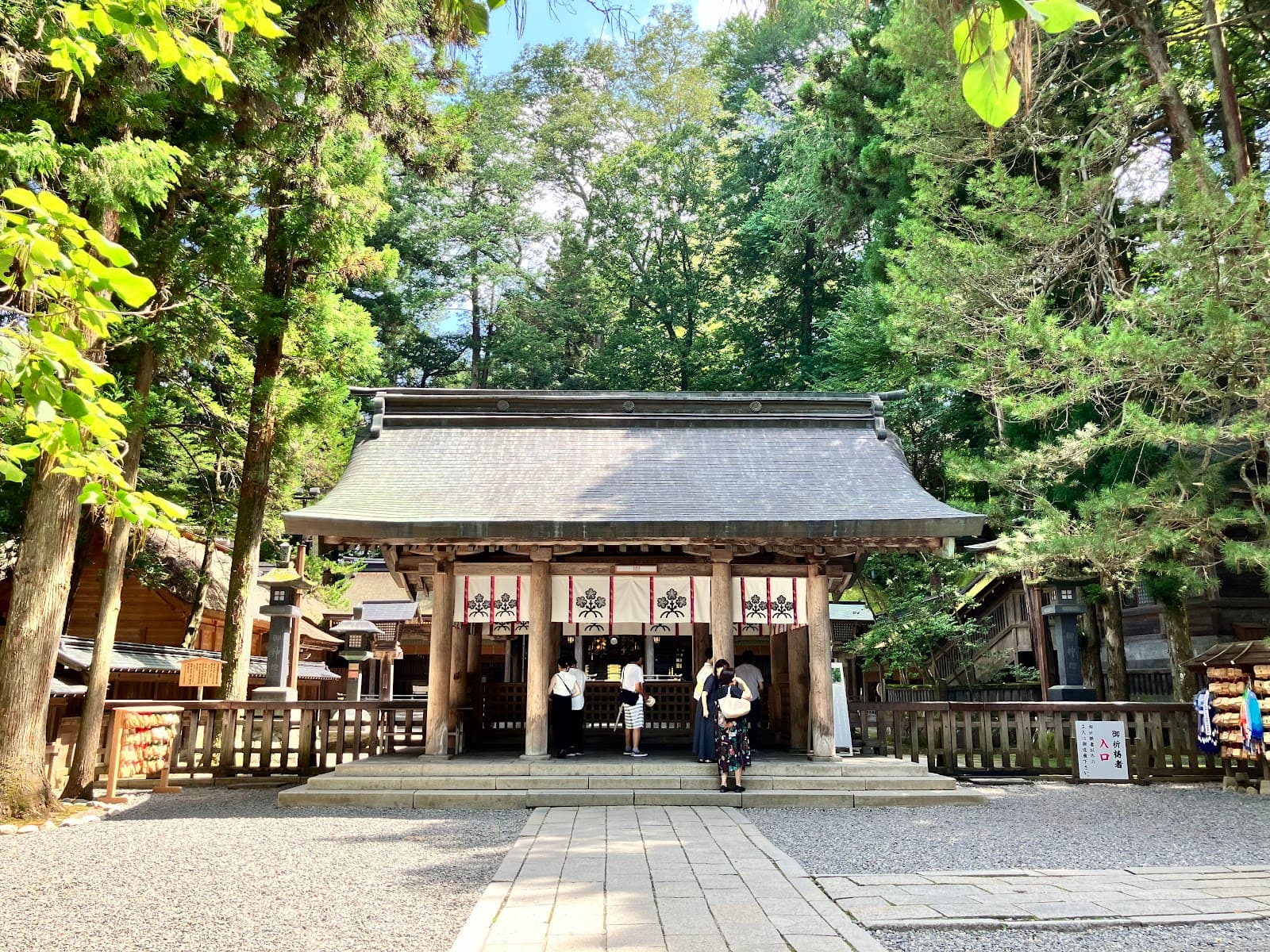
Sakura Shrine
Serene shrine with pink ribbons tied to trees as offerings & spring cherry blossom displays.
Open in Maps ↗Udon: Similar to soba - the noodles are fine but the broth contains dashi. Some places offer vegetable broth alternatives.
Supermarkets and Self-Catering
If you have accommodation with kitchen access, supermarkets open up enormous possibilities:
- Tofu: Multiple varieties, incredibly cheap (¥80-¥200 per block)
- Natto: ¥100-¥150 for three packs
- Fresh vegetables: Well-priced and high quality
- Pre-made vegetable tempura: Often in the deli section, ¥300-¥500
- Mushrooms: Huge variety including shiitake, enoki, and maitake
- Rice: Buy a small bag and use your rice cooker
- Miso paste: Check for dashi-free versions ("dashi nashi" or just fermented soybeans and koji). ¥300-¥600
- Noodles: Soba, udon, and ramen noodles to cook yourself
Regional Considerations
Easier Areas
Tokyo, Kyoto, Osaka: Dedicated vegan and vegetarian restaurants, English menus, staff familiar with dietary restrictions.
Kamakura: Buddhist temple town with shojin ryori options.
Takayama: Known for vegetable-focused mountain cuisine, though you'll need to communicate carefully about dashi.
More Challenging Areas
Rural regions: Limited options, language barriers more significant. Stock up at convenience stores and supermarkets.
Hokkaido: Heavily seafood and dairy-focused cuisine. Sapporo has some options, but smaller towns are difficult.
Kyushu: Regional cuisine features pork prominently (tonkotsu ramen, etc.). Fukuoka has growing vegetarian options, but rural Kyushu requires planning.
Temple Lodgings (Shukubo)
Staying at a temple lodging, particularly on Mount Koya (Koyasan) or in Kyoto, guarantees vegetarian meals. Shukubo serve shojin ryori - elaborate Buddhist vegetarian cuisine using seasonal vegetables, tofu, and mountain vegetables.
Prices typically range from ¥9,000-¥15,000 per person per night including two meals. The food is often the highlight - beautifully presented, delicious, and completely plant-based. Book several months in advance for popular temples.
Apps and Resources
HappyCow: International app showing vegetarian and vegan restaurants worldwide. Very useful in Japanese cities. Free with paid premium option.
Google Translate: Download Japanese for offline use. Photograph menu items to translate them. Accuracy varies but helpful.
Vegetarian Japan: Website and app specifically for plant-based eating in Japan.
Translation cards: Print laminated cards in Japanese explaining your dietary requirements. Several websites offer free downloads.
Hotels and Breakfast
When booking hotels, check breakfast options:
Western-style buffets: Usually offer fruit, bread, jam, salad, and sometimes beans or mushrooms. Coffee with soy milk increasingly available.
Japanese breakfast: Traditional Japanese breakfast includes fish, miso soup with dashi, and egg. Some hotels can prepare vegetarian alternatives if requested in advance - confirm when booking.
Business hotels: Chains like Toyoko Inn or Dormy Inn often have self-service breakfast included. You can usually assemble something vegetarian from the buffet, though it might be limited to rice, natto, pickles, and fruit.
Realistic Expectations
What to Expect as a Vegetarian
You won't starve, but you might eat more simply than you'd hoped. In cities, you'll find good variety. In rural areas, expect to rely heavily on convenience stores, supermarket ready-meals, and the occasional restaurant that can accommodate you.
Budget around ¥2,000-¥3,000 per day for food if you're mixing convenience store meals with occasional restaurant dining. More if you eat at dedicated vegetarian restaurants frequently (¥3,500-¥5,000 daily).
What to Expect as a Vegan
It's more challenging. Hidden ingredients are your main obstacle - milk powder in bread, egg wash on pastries, butter on teppanyaki grills. Dedicated vegan restaurants are your safest bet. In rural areas, you'll do a lot of self-catering.
Prepare mentally for limited choices and some repetitive meals. Bring protein-rich snacks from home - nuts, protein bars, energy balls - to supplement convenience store offerings.
Emergency Snacks to Pack
Bring from home:
- Protein powder (plant-based)
- Nut butter sachets
- Dried fruit and nuts
- Protein or granola bars
- Instant soup sachets (vegetable-based)
- Nutritional supplements if you have specific requirements
Japanese customs is fine with commercially packaged foods. Just declare anything that might be questionable.
Final Thoughts
Japan as a vegetarian or vegan requires flexibility, planning, and sometimes accepting "good enough" rather than "perfect". You'll likely eat more convenience store food than you'd prefer, and you might tire of vegetable curry and inari sushi.
But you absolutely can travel Japan on a plant-based diet. The key is research before you go, using apps to find suitable restaurants, learning key phrases, and keeping backup snacks available.
The situation improves yearly as plant-based eating gains recognition. Tokyo 2020 (held in 2021) pushed many restaurants to add vegetarian and vegan options, and this trend continues.
Approach it with curiosity rather than frustration, celebrate the meals that work brilliantly, and remember that even limited Japanese vegetarian food - fresh tofu, perfectly seasoned vegetables, quality rice - offers flavours and experiences you can't get anywhere else.
Your Japan adventure awaits, and yes, you can absolutely do it plant-based.