
 By Declan Barry
Traditional Performing Arts in Japan: Where and When to Experience Them
Japan's traditional performing arts offer a window into centuries of cultural refinement, where every gesture carries meaning and every pause speaks volumes. From the haunting masks of Noh theatre to the exaggerated makeup of Kabuki, these art forms continue to captivate audiences in dedicated theatres across the country. Whether you're drawn to the rhythmic stamping of Bunraku puppets or the elegant movements of traditional dance, Japan's performing arts scene rewards curious travellers with unforgettable experiences.
Understanding Japan's Major Performing Arts
Before booking tickets, it's helpful to understand what sets each art form apart. Japan's traditional performing arts developed over different periods, each reflecting the aesthetic values and social structures of its time.
Kabuki is the most accessible starting point for first-time visitors. Developed in the early 1600s, it features elaborate costumes, dramatic makeup called kumadori, and all-male casts (even for female roles). Performances combine dialogue, dance, and music, often telling historical tales or romantic dramas. The exaggerated acting style and colourful staging make it visually spectacular even if you don't understand Japanese.
Noh represents the opposite end of the spectrum - minimalist, slow-moving, and deeply symbolic. Dating back to the 14th century, Noh uses carved wooden masks, simple props, and sparse staging. A single performance might last several hours, with actors moving in deliberate, stylised patterns. The accompanying kyogen comedy interludes provide lighter relief between Noh plays.
Bunraku puppet theatre showcases Japan's extraordinary attention to craftsmanship. Each puppet, roughly two-thirds life-size, requires three operators working in perfect synchronisation. The puppets' lifelike movements - from subtle eye shifts to flowing kimono sleeves - often move audiences to forget they're watching wood and fabric rather than living actors.
Traditional dance forms like Nihon Buyo draw from Kabuki movement vocabulary but exist as standalone performances. These dances tell stories through precise hand gestures, fan manipulation, and kimono handling, often accompanied by shamisen music and narrative singing.
Tokyo: The Capital's Performing Arts Scene
Tokyo offers the most frequent performances and the greatest variety of traditional arts, making it ideal for visitors with limited time or those wanting to sample multiple art forms.
Tokyo
Tokyo Tower
Reminiscent of the Eiffel Tower, this landmark features observation areas & other attractions.
Open in Maps ↗Kabuki-za Theatre, Ginza
The Kabuki-za stands as Tokyo's premier Kabuki venue, and its distinctive architecture - with swooping rooflines and orange-red facade - is itself worth seeing. Located at Higashi-Ginza Station (Hibiya Line), the theatre runs near-daily Kabuki programmes.
Tokyo
Hibiya Park
Western-style city park featuring flower beds, outdoor music venues & public halls.
Open in Maps ↗Full programmes typically include three to four acts over four to five hours (starting around 11:00 and 16:30), with tickets ranging from ¥4,000 for fourth-floor seats to ¥20,000 for premium ground-floor positions. However, the Kabuki-za offers something invaluable for travellers: single-act tickets (hitomaku-mi). For ¥800-¥2,000, you can watch one act from fourth-floor standing areas, experiencing Kabuki without committing an entire afternoon. Purchase these tickets on the day at the separate hitomaku-mi entrance.
English audio guides (¥1,000 deposit, ¥500 rental) explain the plot and highlight significant moments. Arrive 20 minutes early to rent a guide and find your seat. The theatre also houses a basement gallery displaying Kabuki costumes and props (¥600 entry, or free with performance tickets).
National Theatre of Japan, Hanzomon
This government-run venue near the Imperial Palace (Hanzomon Station, Hanzomon Line) presents Kabuki, Bunraku, traditional dance, and occasionally Noh. The schedule varies monthly, so check their English website before your visit.
Bunraku performances typically run for two to three weeks each season (generally January, April, August, and November). Tickets range from ¥3,000 to ¥10,000. The National Theatre provides excellent English programme booklets with plot summaries and character descriptions, making Bunraku surprisingly accessible despite the classical Japanese narration.
The theatre's smaller venue, the National Engei Hall, sometimes hosts traditional storytelling (rakugo) and other variety arts. These performances are usually cheaper (¥2,500-¥4,000) but rarely offer English support.
National Noh Theatre, Sendagaya
Situated near Sendagaya Station (Chuo-Sobu Line), this modern theatre specialises in Noh and Kyogen. Regular performances occur monthly, typically on weekends. Tickets range from ¥2,700 for restricted-view seats to ¥7,000 for central positions.
Noh requires patience - performances move at a meditative pace, and beginners often struggle to stay engaged. However, the National Noh Theatre runs English-subtitled performances several times yearly (usually February, June, and November). These special performances project plot summaries and explanatory notes onto screens beside the stage, making the experience far more accessible.
Even without subtitles, watching skilled Noh performers navigate the polished cypress stage in silk robes and ancient masks creates a mesmerising atmosphere. Arrive 15 minutes early to purchase an English programme (¥1,000) and read the plot synopsis.
Kanze Noh Theatre, Ginza
This smaller, independent Noh theatre near Ginza Station offers a more intimate setting than the National Noh Theatre. Performances occur less frequently (check their Japanese website or have your hotel call for schedules), but ticket prices are similar (¥4,500-¥7,000).
The Kanze school represents one of five major Noh traditions, each with subtle stylistic differences. Whilst English support is minimal, the smaller space lets you appreciate the actors' controlled breathing and minute facial expressions behind the masks.
Kyoto: Traditional Arts in the Ancient Capital
Kyoto's performing arts scene reflects the city's role as Japan's cultural heartland for over a thousand years. Venues here often occupy historic buildings, and performances sometimes emphasise classical repertoire over modern innovations.
Minami-za Theatre, Gion
Japan's oldest Kabuki theatre, Minami-za dates to the early 1600s. Located in the Gion district near Gion-Shijo Station (Keihan Line), the theatre's current building (reconstructed in 1929 and renovated in 2018) combines traditional architectural elements with modern comfort.
Regular Kabuki performances run throughout the year except August, when the theatre closes for summer break. Ticket prices range from ¥4,000 to ¥18,000. The December face-showing ceremony (kaomise) represents Kyoto's premier Kabuki event, featuring top actors from Tokyo and Osaka. December tickets often sell out weeks in advance, so book through the theatre's website or ask your hotel concierge for assistance.
Osaka
Osaka Castle
Revered castle dating to 1597 & since rebuilt, featuring gardens & a museum with varied exhibits.
Open in Maps ↗Minami-za doesn't offer single-act tickets like Kabuki-za, so plan for three to four hours. English audio guides are available (¥1,000) and highly recommended. The theatre's location in Gion makes it easy to combine Kabuki attendance with exploring the historic geisha district.
Kongo Noh Theatre, Central Kyoto
Nestled near Muromachi-Oike (several bus routes), the Kongo Noh Theatre represents another of the five Noh schools. This smaller venue hosts regular performances, typically on Sundays. Tickets range from ¥4,000 to ¥6,000.
The Kongo school, with roots in Kyoto's temple culture, often performs plays with Buddhist themes or stories set in the ancient capital. English support is limited, but the theatre's intimate size (around 400 seats) provides excellent sightlines. Purchase tickets through the Japanese website or have your hotel assist with booking.
Gion Corner, Gion
For time-pressed travellers wanting to sample multiple art forms in one evening, Gion Corner presents a 50-minute showcase featuring Kyogen comedy, Kyoto-style dance, puppet theatre excerpts, and other traditional arts. Located near Gion-Shijo Station, performances run nightly at 18:00 and 19:00 (March through November).
Tickets cost ¥3,150 and include English explanations. Whilst purists dismiss Gion Corner as overly touristy, it serves as a reasonable introduction if you're only in Kyoto briefly. The excerpts demonstrate each art form's distinctive characteristics, helping you decide which full performances to seek out.
Book through the website or purchase tickets on arrival (recommended to arrive 30 minutes early during peak seasons). The venue occupies part of the Gion Kaburenjo theatre complex, which hosts the annual Miyako Odori dance performances in April.
Miyako Odori and Seasonal Dance Performances
Kyoto's five geisha districts each present annual spring dance performances showcasing their geiko (geisha) and maiko (apprentice geisha). The most famous, Miyako Odori in Gion, runs throughout April at the Gion Kaburenjo theatre.
Tickets (¥4,500-¥8,500) include optional tea ceremony demonstrations before the performance. The choreographed dances feature dozens of performers in matching kimono, creating spectacular visual tableaux. English pamphlets explain each scene's theme.
Other districts' spring dances include Kitano Odori in Kamishichiken (March-April) and Kyo Odori in Miyagawa-cho (April). Autumn brings additional performances like Gion Odori (November). These provide rare opportunities to see geiko and maiko performing on stage rather than at private functions.
Osaka: The People's Performing Arts
Osaka's theatrical tradition emphasises entertainment value and audience engagement over Kyoto's refined restraint or Tokyo's scale. The city's bunraku heritage runs particularly deep.
National Bunraku Theatre, Osaka
This dedicated Bunraku venue near Nipponbashi Station (Sakaisuji Line and Sennichimae Line) presents Japan's finest puppet theatre. Three-week seasons run in January, April, June, July/August, and November, with daily performances at 11:00 and 16:00.
Tickets range from ¥3,000 to ¥9,500. First-floor seats (¥6,000-¥9,500) position you at eye level with the puppets, whilst second-floor seats (¥3,000-¥5,000) provide excellent overall views. English audio guides (¥1,000) and translation tablets (¥1,000) explain the narration and plot.
The theatre runs first-timer sessions (usually Saturday and Sunday mornings) where staff demonstrate puppet operation and explain Bunraku's three-person puppeteering system. These special performances (same ticket prices) include English support and abbreviated programmes perfect for international visitors.
Purchase tickets online through the theatre's English website up to one month before performances, or buy on the day at the box office (arrive early for popular shows). Single-act tickets are sometimes available for ¥1,000-¥2,000.
Osaka Shochikuza Theatre, Dotonbori
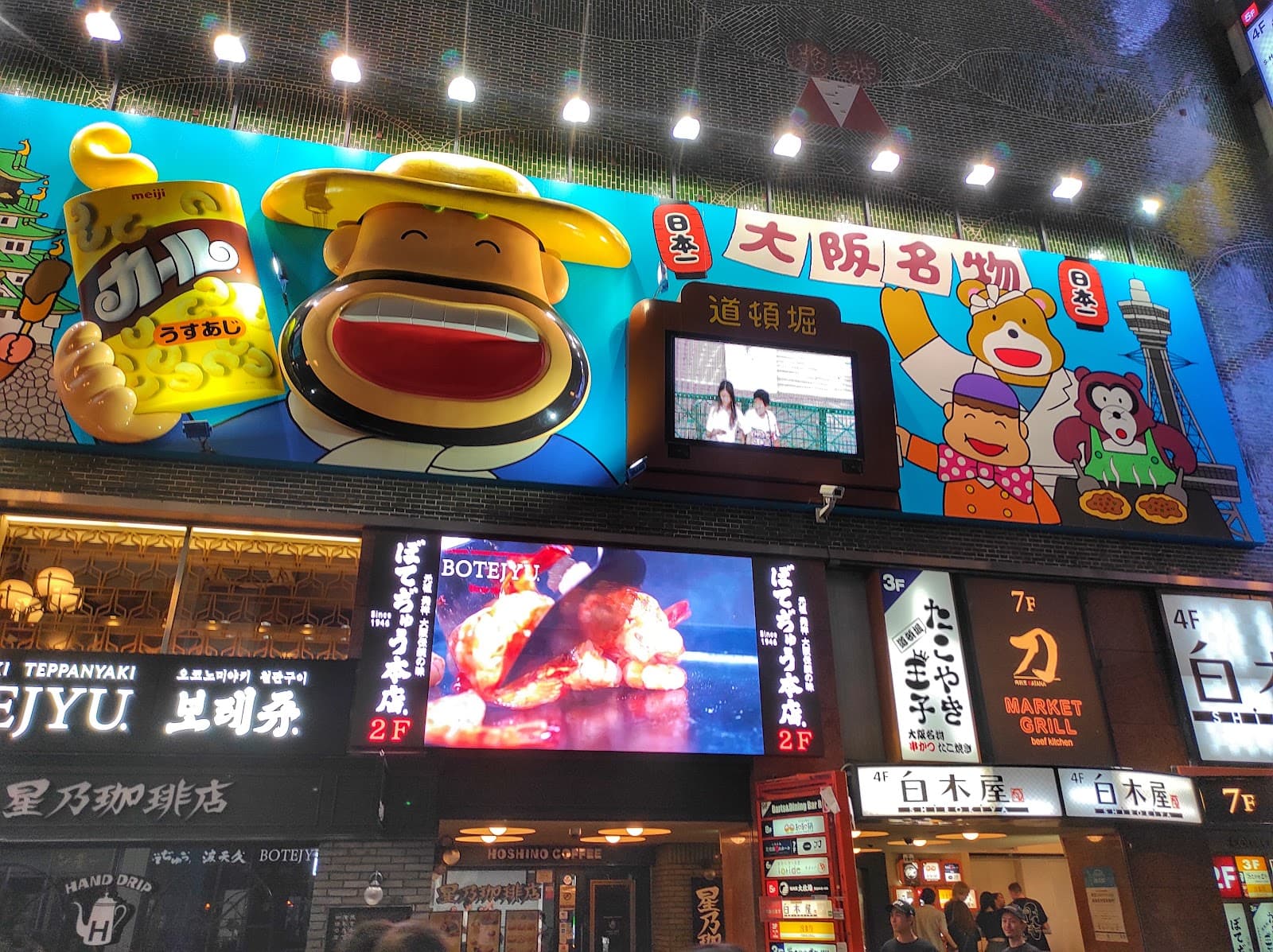
Located in Osaka's entertainment district near Namba Station (multiple lines), Shochikuza presents Kabuki and contemporary drama. The theatre's grand 1920s facade makes it a Dotonbori landmark.
Osaka
Dotonbori
Lively entertainment district known for its soaring illuminated billboards, restaurants & theaters.
Open in Maps ↗Kabuki performances occur several times yearly (February, August, and November are typical). Ticket prices range from ¥5,000 to ¥18,000. Osaka Kabuki tends toward livelier, more humorous repertoire than Tokyo or Kyoto performances, reflecting the city's mercantile culture and love of comedy.
English audio guides are available (¥1,000). The theatre doesn't offer single-act tickets, so expect three to four hours for a full programme. Book through the website or at the box office. The Dotonbori location makes combining Kabuki with street food exploration easy - grab takoyaki after the performance.
Practical Tips for Attending Performances
Booking tickets: Major theatres offer online booking through English websites, though some smaller venues require Japanese-language navigation or phone booking. Hotels typically assist with reservations. Book popular performances (December Kabuki, spring geisha dances) four to six weeks ahead.
What to wear: No strict dress code exists, but avoid shorts, tank tops, or heavily worn clothing. Smart casual attire (collared shirts, neat trousers, modest dresses) shows respect. Japanese audiences often dress formally for evening performances. You'll remove shoes at some traditional venues - wear presentable socks.
Photography: Strictly prohibited during performances. Theatres allow photographs in lobbies and sometimes from designated exterior positions. Flash photography is never permitted.
Food and drink: Traditional theatres sell bento boxes and refreshments during intervals (20-30 minutes between acts). Eating at your seat during intervals is acceptable and common. Purchase bento boxes (¥1,500-¥3,000) when you arrive, as popular options sell out. No eating or drinking during performances.
English support: Major Tokyo venues provide the best English resources (audio guides, translation devices, detailed programmes). Kyoto and Osaka offer less support outside major theatres. Audio guides dramatically improve understanding - always rent one for your first experience with each art form.
Performance length: Full Kabuki programmes run 3-5 hours with intervals. Noh performances last 2-4 hours depending on the number of plays. Bunraku programmes typically span 3-4 hours. Single-act options let you sample Kabuki or Bunraku in 45-90 minutes.
Arriving early: Reach theatres 30-40 minutes before curtain to rent audio guides, purchase bento boxes, read programme notes, and find your seat without rushing. Many theatres open their lobbies an hour early.
Seasonal considerations: December through January brings New Year programmes and face-showing ceremonies (premium prices, advance booking essential). April means spring dance performances in Kyoto (book two months ahead). August sees some theatres close or reduce schedules due to traditional summer breaks. November often features autumn repertoire and special performances.
Making the Most of Your Experience
Start with Kabuki if you're new to Japanese performing arts. Its visual spectacle and emotional directness provide an accessible entry point. The Kabuki-za's single-act tickets let you test your interest without major time or money commitments.
Once comfortable with Kabuki, try Bunraku at Osaka's National Bunraku Theatre, where excellent English support and afternoon performances fit easily into travel schedules. The first-timer sessions offer perfect introductions.
Save Noh for later visits or if you're specifically drawn to minimalist aesthetics. Its meditative pace challenges modern attention spans, but the art form's 600-year continuity and profound influence on Japanese culture reward patient viewing.
Combine performances with related cultural experiences. Visit Kabuki-za's gallery to see costumes up close. Explore Gion's streets before attending Miyako Odori. Examine Bunraku puppets at the National Bunraku Theatre's small museum (free with performance tickets).
Remember that understanding develops over time. Your first Kabuki performance might feel overwhelming - the unfamiliar musical accompaniment, stylised movements, and plot conventions take getting used to. Second and third viewings reveal layers of meaning and artistry invisible to beginners. Don't worry about comprehending everything; let the visual and auditory experience wash over you.
Japan's traditional performing arts maintain living connections to centuries of cultural refinement. By attending performances in Tokyo, Kyoto, or Osaka, you're not observing museum pieces but witnessing art forms that continue evolving whilst honouring their deep roots. The experience stays with you long after the curtain falls, a vivid memory of movement, music, and meaning that helps unlock Japan's cultural heart.