
 By Declan Barry
Queuing in Japan: The Unspoken Rules Every Traveller Should Know
If there's one thing that defines daily life in Japan, it's the queue. From train platforms to ramen shops, from temple entrances to toilet facilities, queuing is an art form the Japanese have perfected. Understanding these unspoken rules will help you blend in, avoid embarrassing mistakes, and show respect for local customs.
Why Queuing Matters in Japanese Culture
Queuing in Japan isn't just about waiting your turn - it's a reflection of core cultural values: consideration for others, respect for order, and the collective good over individual convenience. Jump a queue, and you've committed a social offence that locals won't forget.
The system works because everyone follows it. During my first trip to Tokyo, I watched commuters at Shinjuku Station form perfect lines at platform markers during rush hour, boarding trains in orderly fashion despite thousands of people moving through the space. No pushing, no shoving, just patient progression.
Tokyo
Tokyo Tower
Reminiscent of the Eiffel Tower, this landmark features observation areas & other attractions.
Open in Maps ↗Train Platform Queuing: The Foundation
Train platforms showcase Japanese queuing at its finest. Yellow or blue markers on the platform show exactly where carriage doors will open. Passengers form neat lines behind these markers, leaving space in the middle for people to exit.
The basic rules:
- Stand to the sides of the markers, never directly in front of the doors
- Wait for all passengers to exit before boarding
- If the train is packed and you're at the back of the queue, don't force your way on - wait for the next train (they arrive every 2-5 minutes on most Tokyo lines)
- During rush hour at major stations like Shibuya or Osaka's Umeda, station staff with white gloves help organise queues and gently push passengers into carriages (this is normal and expected)
Shinkansen queuing follows different rules. On the platform, numbered signs correspond to your carriage number. Form a queue behind your number. For non-reserved seats (jiyūseki), queues can be long during peak times - arrive 20-30 minutes early for busy routes like Tokyo to Kyoto on Friday evenings.
Escalator Etiquette: Regional Differences
Here's where it gets interesting: escalator rules vary by region.
In Tokyo and eastern Japan: Stand on the left, walk on the right.
In Osaka and western Japan: Stand on the right, walk on the left.
Osaka
Osaka Castle
Revered castle dating to 1597 & since rebuilt, featuring gardens & a museum with varied exhibits.
Open in Maps ↗Kyoto follows Osaka's system. If you forget which side, watch what locals do for five seconds. The pattern becomes obvious.
One crucial point: official policy asks everyone to stand still on escalators for safety reasons. You'll see signs encouraging this at stations. However, the walking culture persists, especially during rush hours. As a visitor, follow the local custom rather than the official rule - blocking the walking side during morning rush hour will earn you frustrated sighs.
Restaurant and Shop Queuing
Ramen Shops and Small Eateries
Popular ramen shops like Ichiran or Ippudo can have queues stretching down the street. The system:
- Join the end of the queue outside
- Don't lean against other shop windows or block entrances while waiting
- When you reach the front, you'll often use a ticket machine just inside the door before being seated
- If there's a wait list, staff will give you a numbered ticket - don't wander off too far, though browsing nearby shops is acceptable
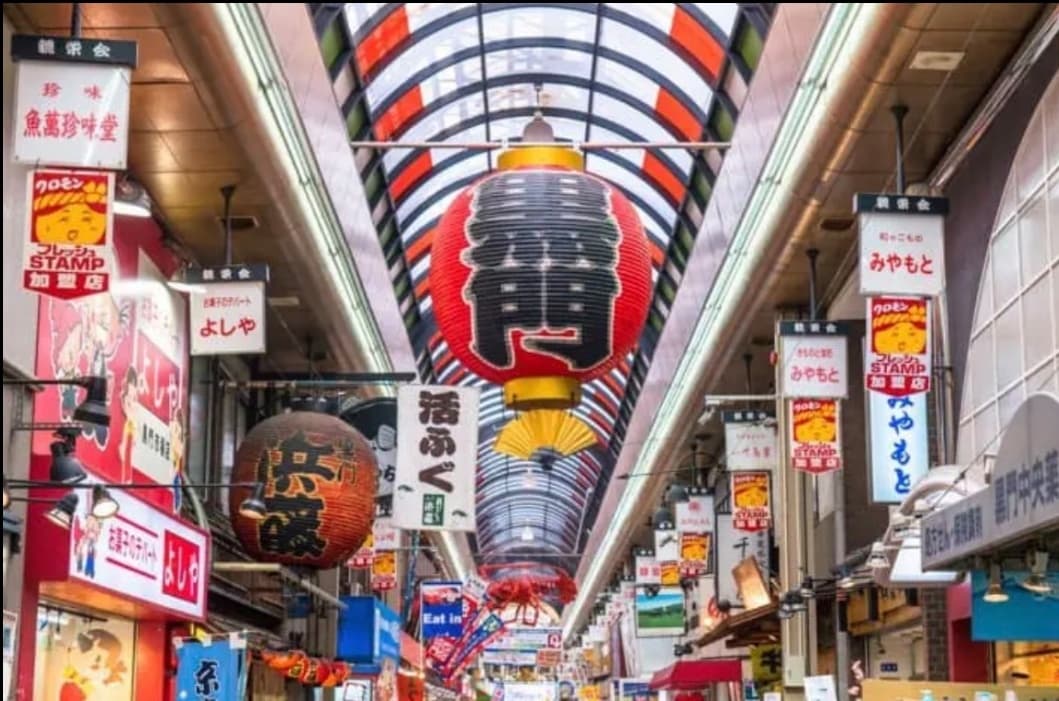
At Tsukiji Outer Market in Tokyo or Kuromon Market in Osaka, queues for popular stalls (Sushi Dai, for example) can exceed two hours. The unspoken rule: one person queues while others explore, but don't try to add people to your party when you're five minutes from the front. This is considered extremely rude.
Osaka
Kuromon Market
Spacious market with vendors selling street food, fresh produce & shellfish, plus souvenirs.
Open in Maps ↗Department Store Queues
Department store sales, especially at places like Isetan in Shinjuku or Takashimaya in Osaka, follow strict protocols:
- Staff will organise queues with velvet ropes before doors open
- On special sale days (New Year's fukubukuro lucky bags, for instance), arrive 30-60 minutes early
- Once inside, queues form naturally at checkout counters - never approach a register if someone is waiting, even if another staff member seems free
Toilet Queuing: The Efficient System
Public toilets in Japan often use a single-queue system feeding multiple cubicles. Instead of queuing in front of individual doors, one line forms and people take the next available cubicle.
How it works:
- Wait behind the yellow line or designated waiting area
- Watch all cubicle doors - take the first one that opens
- If you need a specific type (Western or Japanese-style), you can wait for that one, but step aside to let others pass
- In women's toilets at busy locations like Harajuku Station, staff sometimes direct the queue for efficiency
At popular tourist sites like Fushimi Inari Shrine in Kyoto or Sensō-ji Temple in Tokyo, toilet queues can be substantial. Go before you start exploring.
Attraction and Event Queuing
Theme Parks
Universal Studios Japan in Osaka and Tokyo Disneyland operate on FastPass and virtual queue systems, but regular queues follow strict rules:
Osaka
Universal Studios Japanユニバーサル・スタジオ・ジャパン
This sprawling theme park dedicated to popular American movies features rides & live entertainment.
Open in Maps ↗- Don't save spots for friends joining later (groups should queue together from the start)
- Queue barriers are there for a reason - no cutting corners or ducking under ropes
- If you need to leave the queue temporarily, tell the people around you - in emergencies, they'll usually let you return to your spot
Temple and Shrine Queuing
During New Year's (hatsumode) or festival days, popular shrines like Meiji Jingu in Tokyo or Yasaka Shrine in Kyoto have queues lasting hours.
Tokyo
Meiji Jingu
Surrounded by forest, this venerable Shinto shrine features a seasonal iris garden.
Open in Maps ↗The protocol:
- Follow the barriers and staff directions
- Keep moving steadily - don't stop in the middle of the queue for photos
- When you reach the offering box, keep your prayer brief (30 seconds maximum) - others are waiting
- If you want longer contemplation time, step aside after the initial prayer
The Konbini Queue Science
Convenience stores (konbini) like 7-Eleven, Lawson, and FamilyMart have perfected checkout queuing.
Standard system:
- One queue forms down the middle aisle
- Take the next available register when called
- If two registers are free simultaneously, the person at the front goes left, the next person goes right
Peak times (7:00-9:00am, 12:00-1:00pm, 6:00-8:00pm) see efficient queues moving quickly. Don't stress if you're still figuring out the payment machine - staff will help.
Queue Violations: What Not to Do
Certain behaviours mark you as disrespectful:
Never:
- Push or physically contact people in queues (touching is avoided in Japanese culture)
- Cut in line or try to slip past people
- Save spaces for friends joining later, especially in restaurant queues
- Stand on the wrong side of escalators during rush hour
- Block the exit path when queuing to board trains
- Make loud complaints about queue length or speed
- Use your phone for calls while queuing in quiet spaces
The phone rule is nuanced: using your phone silently in queue is fine. Talking on the phone, especially on trains or in quiet areas, is inconsiderate.
Reading the Invisible Queues
Sometimes, queues aren't visually obvious. At popular bakeries like Bread, Espresso & in Tokyo's Omotesando, people wait inside the small shop without an obvious line structure. Watch who arrived before you and wait your turn - locals track this mentally.
At ticket machines (train stations, museums), form a queue behind the machines rather than hovering nearby. Stand back about one metre to give the current user privacy.
Cultural Context: Why This Matters
Japanese society runs on principles of wa (harmony) and omotenashi (hospitality). Queuing maintains social order and ensures fairness. When you respect these systems, you're showing cultural awareness that locals appreciate.
I've seen this reciprocated countless times: tourists who queue properly receive warmer service, helpful directions, and patient assistance with language barriers. Locals notice and remember considerate behaviour.
Special Situations
Elderly and Disabled Priority
Priority seating areas on trains have separate queuing zones. If you're in a regular queue and notice elderly passengers or people with disabilities, quietly offering your space is appreciated (though some may politely decline).
Lost in Queue
If you genuinely don't understand the queue system somewhere, ask. Say "sumimasen" (excuse me) and look confused - someone will show you. Japanese people are remarkably helpful to polite, confused tourists.
Tourist Peak Times
Golden Week (late April to early May), summer holidays (July-August), and autumn foliage season (November) bring longer queues everywhere. Popular spots like teamLab Borderless in Tokyo or the Arashiyama Bamboo Grove in Kyoto become queue marathons. Visit during weekday mornings when possible.
Making Queuing Work for You
Strategic timing:
- Visit attractions at opening time (most temples open 6:00-7:00am) or late afternoon
- Eat lunch before 11:30am or after 1:30pm to avoid restaurant queues
- Shop at department stores mid-week rather than weekends
- Use smaller train stations when possible - Harajuku Station has longer queues than Meiji-jingumae Station, which accesses the same area
Physical comfort:
- Carry a small foldable fan in summer - some queues offer no shade
- Wear comfortable shoes - you'll be standing
- Bring water, especially for outdoor queues at theme parks or summer festivals
The Unexpected Benefits
Queuing in Japan offers unexpected advantages. The orderly system means:
- Actual wait times are often shorter than expected - efficiency is high
- You're not fighting for position or worried about losing your spot
- You can relax, check your phone, or chat quietly without vigilance
- The stress common in chaotic queuing situations simply doesn't exist
Final Thoughts: When in Rome (or Osaka)
Mastering Japanese queuing etiquette isn't difficult - watch what locals do, be patient, and respect the system. These seemingly small actions contribute to the remarkably smooth functioning of a society where 14 million people transit through Tokyo daily without chaos.
The beauty of Japanese queuing culture is its fairness: first come, first served, no exceptions. Once you understand and embrace these unspoken rules, you'll find your Japan experience runs more smoothly, you'll attract less attention, and you'll feel more connected to the rhythms of daily life.
Queueing properly is perhaps the simplest way to show respect for Japanese culture - and it costs you nothing but awareness and patience.