
 By Declan Barry
Photography Etiquette in Japan: Where You Can and Cannot Shoot
Japan presents extraordinary photographic opportunities at every turn, from ancient temples silhouetted against modern skylines to perfectly composed gardens and bustling street scenes. However, Japanese cultural norms around photography differ significantly from Western expectations. Understanding where you can freely shoot and where cameras cause offence will help you capture beautiful memories whilst respecting local customs.
General Photography Rules in Japan
Japan operates on a principle of collective harmony, where individual actions shouldn't disturb others. This philosophy extends to photography. The basic rule: if your photography might inconvenience someone, disrupt an experience, or invade privacy, reconsider taking the shot.
Most outdoor public spaces permit photography freely. Streets, parks, and public squares generally welcome photographers. However, pointing your camera directly at strangers' faces without permission remains impolite. Japanese people value privacy highly, and many feel uncomfortable being photographed without consent, even in public settings.
When you want to photograph someone, a polite bow and the phrase "Shashin o totte mo ii desu ka?" (May I take a photo?) works wonders. Most people will either agree warmly or politely decline, and both responses deserve equal respect.
Temples and Shrines: Understanding the Rules
Religious sites present the most confusion for visitors. Photography rules vary dramatically between locations, and what's acceptable at one temple might be forbidden at another.
Exterior photography at temples and shrines is typically permitted. You can photograph torii gates, main halls from outside, gardens, and architectural details freely. The famous Fushimi Inari Taisha in Kyoto welcomes photographers along its thousands of vermillion torii gates. Senso-ji Temple in Asakusa, Tokyo, allows exterior shots of its magnificent Kaminarimon gate and five-storey pagoda.
Kyoto
Fushimi Inari Taisha
Mountainside Shinto shrine dating from 711 A.D. featuring a path with hundreds of traditional gates.
Open in Maps ↗Tokyo
Tokyo Tower
Reminiscent of the Eiffel Tower, this landmark features observation areas & other attractions.
Open in Maps ↗Interior photography tells a different story. Most temple and shrine interiors prohibit photography completely. These spaces house sacred objects, and photographing them is considered disrespectful. You'll usually see clear signage showing a crossed-out camera icon. At locations like Kinkaku-ji (Golden Pavilion) in Kyoto, you cannot enter the building, but photographing from designated viewing areas is encouraged.
Kyoto
Kinkaku-ji
Historic, tranquil temple with a gold-leaf facade set amid landscaped gardens & a reflecting pond.
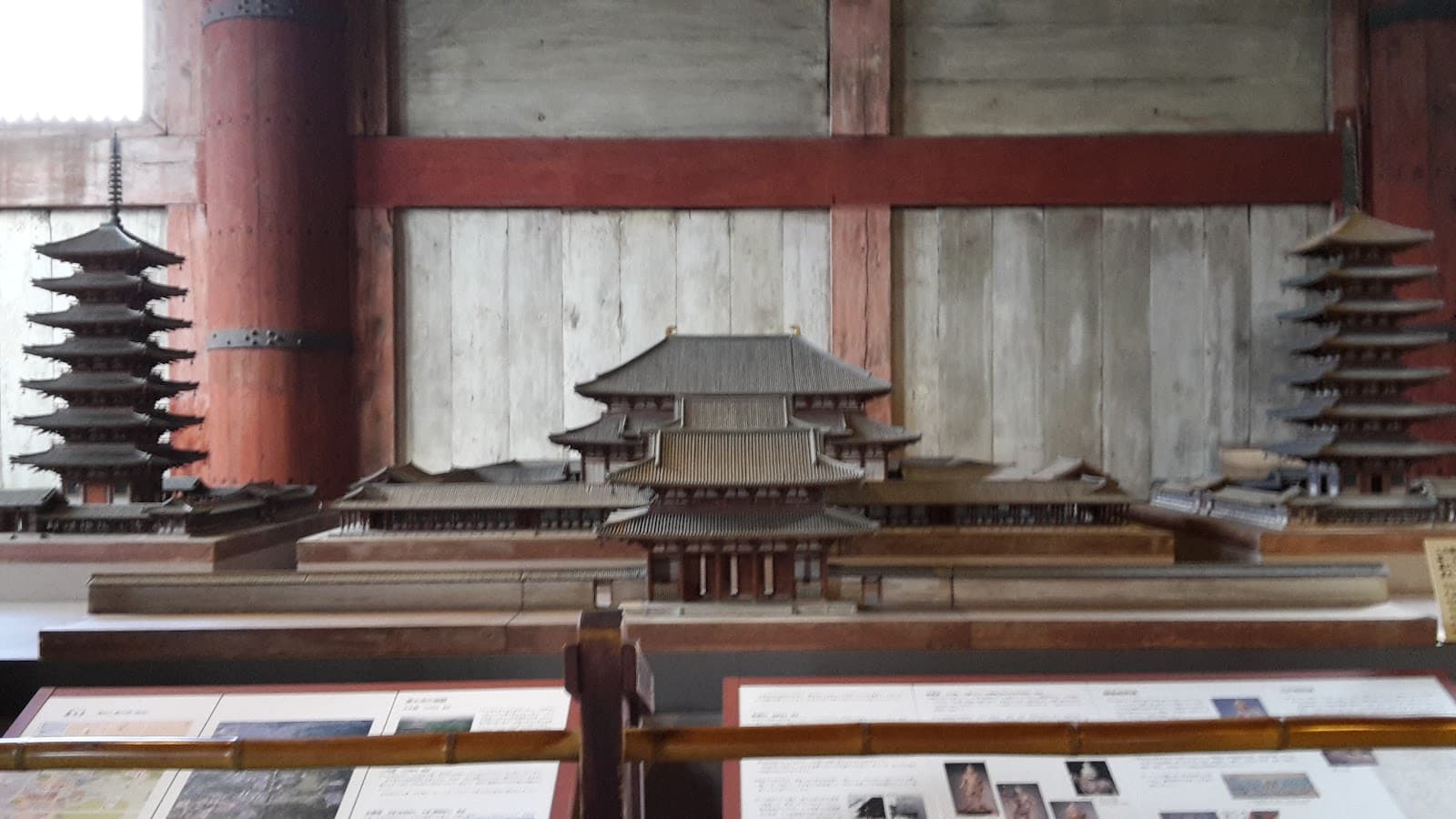
Open in Maps ↗Some sites charge photography fees. At Nara's Todai-ji Temple, exterior shots are free, but special exhibitions sometimes restrict cameras. Always check for signs or ask staff if you're uncertain. The phrase "Shashin wa daijoubu desu ka?" (Is photography okay?) proves invaluable.
Nara
Nara Park
Landscaped, public park with ancient temples & the Nara National Museum of art, plus tame deer.
Open in Maps ↗Nara
Tōdai-ji
Buddhist temple originally built in the mid-700s, with one of Japan's largest bronze Buddha statues.
Open in Maps ↗Never use flash inside temples and shrines, even when photography is permitted. Flash damages delicate artwork, textiles, and painted surfaces. It also disrupts other visitors' spiritual experiences.
Museums and Art Galleries
Japanese museums typically prohibit photography of permanent collections entirely. Unlike many Western institutions that now permit non-flash photography, Japanese museums protect artworks and copyright strictly.
The Tokyo National Museum, Kyoto National Museum, and most prefectural museums ban cameras in exhibition halls. You'll need to check bags with cameras at the entrance or keep them stored throughout your visit. Special exhibitions often have even stricter rules.
Kyoto
Kyoto National Museum
Long-running museum with Japanese sculptures, paintings, calligraphy & metalwork, plus a cafe.
Open in Maps ↗Some exceptions exist. The 21st Century Museum of Contemporary Art in Kanazawa permits photography of specific installations marked with camera icons. TeamLab's immersive digital art experiences actively encourage photography, as sharing images forms part of the artistic experience - check the current venue and ticketing details directly with TeamLab, as their Tokyo locations have evolved in recent years.
Museum gardens and outdoor sculpture areas usually allow photography. The Hakone Open-Air Museum welcomes photographers throughout its grounds, and the Adachi Museum of Art in Shimane permits garden photography from designated windows, though not of the indoor collection.
Castles and Historical Sites
Japan's castles generally welcome exterior photography. Himeji Castle, Matsumoto Castle, and Osaka Castle all permit photographs of their magnificent exteriors from any angle.
Interior photography depends on the specific castle. Himeji Castle prohibits photography inside its main keep to prevent congestion on narrow staircases and protect wooden interiors. Matsumoto Castle allows non-flash photography on lower floors but restricts it in upper levels. Signs indicate where restrictions begin.
Historical villages like Shirakawa-go in Gifu Prefecture welcome photography of the traditional gassho-zukuri farmhouses from public paths. However, many buildings remain private homes. Don't photograph through windows or enter private property without permission. Some farmhouses open as museums charge small photography fees (typically ¥200 - 300).
Restaurants and Food Photography
Japan's relationship with food photography sits in an interesting middle ground. Many restaurants, especially casual eateries, accept food photography as normal behaviour. Social media culture has made meal photos socially acceptable at most establishments.
However, high-end restaurants, traditional kaiseki establishments, and exclusive sushi counters often frown upon photography. The reasoning: photographing disrupts the carefully crafted atmosphere and dining rhythm. At restaurants like Kyoto's three-Michelin-starred Kikunoi, cameras remain firmly stored.
Middle-ground establishments appreciate discretion. Take your photos quickly without flash, keep your phone low to avoid disturbing other diners, and never photograph other guests. If you're at an omakase sushi counter, ask the chef's permission first. Many chefs feel proud showing their work and will agree, but others prefer you focus on eating.
Street food stalls and casual restaurants welcome photography. Ramen shops, izakayas, and conveyor-belt sushi chains expect photos. Markets like Tokyo's Tsukiji Outer Market and Osaka's Kuromon Market are photographer's paradises where food stalls actively court camera attention.
Public Transport Photography
Train and subway photography requires careful judgement. Photographing empty platforms, station architecture, and trains from platforms is generally acceptable. Tokyo Station's magnificent Marunouchi building and Kanazawa Station's dramatic Tsuzumi Gate are designed as photo opportunities.
Photographing inside trains needs discretion. If you want to capture the view from a train window or document your journey, ensure no identifiable passengers appear in your frame. Japanese passengers value privacy intensely, and photographing them, even accidentally, can cause genuine distress.
Never photograph station staff without permission. Railway employees work under strict professional standards, and unauthorised photos can cause them workplace difficulties.
The shinkansen (bullet train) presents unique considerations. Photographing from your seat facing forwards or towards the window is fine. The passing scenery, especially Mount Fuji views between Tokyo and Osaka, is fair game. However, keep your camera directed away from other passengers.
Geisha Districts and Cultural Areas
Kyoto's Gion district has photography regulations in place due to persistent tourist behaviour problems. Since 2019, photography on private streets in Gion has been prohibited, with fines of ¥10,000 for violations. This rule emerged after tourists repeatedly harassed geiko and maiko (Kyoto's geisha and apprentice geisha) while attempting to photograph them, and enforcement has continued to be taken seriously.
You can photograph Gion's main public streets, historic buildings, and streetscapes freely. However, do not photograph geiko or maiko without explicit permission. These are working professionals heading to appointments, not tourist attractions. Chasing them, blocking their path, or touching them for photos is unacceptable behaviour.
Other geisha districts, including Kanazawa's Higashi Chaya District and Tokyo's remaining geisha areas, don't have formal photography bans but appreciate the same respect. Photograph the beautiful streets and architecture, not working geisha without permission.
Onsen and Public Baths
This rule is absolute: never bring cameras, phones, or any recording devices into onsen, sento (public baths), or bathing areas. Photography in these spaces violates Japanese law regarding privacy and can result in police involvement.
Even if bathing areas appear empty, cameras remain forbidden. Many facilities display signs warning that photography will be reported to police. This rule protects everyone's privacy in vulnerable situations.
You can typically photograph changing room areas, exterior buildings, and entrance halls if clearly permitted, but when in doubt, ask staff first. Some modern onsen resorts have designated photo spots where you can capture the ambience without violating privacy rules.
Gardens and Nature Sites
Japanese gardens generally welcome photography, though some famous locations impose restrictions during peak seasons to prevent crowding. Kenroku-en in Kanazawa permits photography year-round, as does Korakuen in Okayama. The gardens at Katsura Imperial Villa in Kyoto require advance booking, but photography is allowed on tours.
Tripods present challenges. Many gardens prohibit tripods during busy periods to prevent blocking paths. Handheld photography remains acceptable. If you're serious about garden photography, visit early morning on weekdays when fewer visitors mean more flexibility.
National parks like Nikko, Kamikochi in the Japanese Alps, and Mount Fuji's five lakes region welcome photography freely. Wildlife photography follows standard ethical practices: maintain distance, don't feed animals, and stay on designated paths. Photographing deer in Nara is encouraged, but respect their space and follow park guidelines.
Note that the Mount Fuji area has introduced increasingly strict crowd-management measures in recent years, including barriers at certain iconic viewpoints such as the Lawson convenience store in Fujikawaguchiko. Check current local rules before visiting, as restrictions can change between seasons.
Shopping and Commercial Areas
Department stores and shopping centres typically prohibit photography to protect product designs and store layouts. Large signs at entrances often display camera restrictions. However, staff rarely enforce this strictly if you're discretely photographing a display for personal reference.
Street photography in commercial areas like Tokyo's Shibuya, Shinjuku, or Osaka's Dotonbori is acceptable when done respectfully. Photograph crowds and cityscape scenes rather than focusing on individuals. Night photography of neon signs and urban landscapes is particularly welcomed, as these scenes represent modern Japan's visual identity.
Smaller shops vary in their attitudes. Traditional craft shops often welcome photography of products, especially if you're genuinely interested in their work. Ask first with a smile, and shopkeepers often prove remarkably accommodating. However, never photograph pricing information or internal business operations without permission.
Events and Festivals
Matsuri (festivals) generally welcome photography enthusiastically. Events like Kyoto's Gion Matsuri, Aomori's Nebuta Matsuri, and Tokyo's Sanja Matsuri expect photographers. Participants often appreciate having their photos taken during performances.
However, some sacred ceremonies within festivals prohibit photography. When priests perform specific rituals or during solemn moments, put cameras away unless you see others photographing freely. Follow the lead of Japanese attendees.
Commercial events like Tokyo Game Show or Comiket have specific photography rules. Cosplayers at these events usually consent to photographs, but always ask first and respect their decision. Professional photographers need special permissions at most large events.
Common Courtesy Guidelines
Beyond specific location rules, these principles apply universally:
Be invisible: Take photos without blocking paths, making noise, or disrupting others' experiences. Japanese culture values not causing meiwaku (trouble) to others.
Flash photography: Beyond damaging artwork, flash photography startles people and disrupts atmospheres. Keep flash disabled in all indoor locations and most outdoor settings.
Tripods: Even where allowed, tripods shouldn't block pathways or require others to navigate around your equipment. Many locations ban tripods entirely during busy periods.
Drones: Japan heavily regulates drone use. The Civil Aeronautics Act and related regulations require registration and permits for most drone flights, and restrictions are especially tight near airports, national parks, populated areas, and government facilities. As of 2026, Level 4 autonomous flight rules are fully in effect, but tourist recreational flying remains tightly controlled. Research the latest guidelines from the Japan Civil Aviation Bureau before travelling with a drone.
Selfie sticks: While legal, extended selfie sticks cause the same blocking problems as tripods. Many temples, museums, and crowded areas ban them explicitly.
When Signs Aren't Clear
If you're uncertain whether photography is permitted, asking demonstrates respect and usually receives helpful responses. Approach staff with "Sumimasen" (excuse me), then "Shashin o totte mo ii desu ka?" (May I take a photo?). Most staff will clearly indicate yes or no, often with accompanying gestures.
Watch other visitors' behaviour. If you notice signs or locals not photographing in certain areas, follow their example. Japanese people rarely photograph in prohibited spaces, so their actions provide reliable guidance.
When you cannot photograph something, appreciate the moment fully without a camera. Some experiences benefit from complete presence rather than viewing through a screen. Japanese aesthetics value impermanence and memory over permanent documentation.
Practical Tips for Respectful Photography
Arrive early at popular photography locations. Dawn at places like Fushimi Inari, Arashiyama Bamboo Grove, or Tokyo's Meiji Shrine offers beautiful light and fewer crowds, meaning less chance of disturbing others whilst photographing.
Carry a small Japanese phrase card with photography questions. Beyond asking permission, phrases like "Flash dame desu ka?" (Is flash not allowed?) and "Arigatou gozaimasu" (thank you, formal) help navigate interactions smoothly.
Consider purchasing photo permissions where offered. Some locations charge nominal fees (¥100 - 500) for photography rights. Paying these fees supports site maintenance and cultural preservation.
Edit thoughtfully what you share publicly. Even if you had permission to photograph something, consider whether posting it publicly respects the subjects' privacy and dignity. This particularly applies to people, traditional ceremonies, and intimate cultural moments.
The Spirit Behind the Rules
Japanese photography etiquette ultimately reflects broader cultural values: respect for others, awareness of context, and prioritising collective harmony over individual desires. These aren't arbitrary restrictions but expressions of a society that values consideration deeply.
Understanding this philosophy transforms photography rules from frustrating limitations into opportunities for cultural connection. When you show respect for Japanese norms around photography, locals respond warmly, often going out of their way to help you capture the shots you want within appropriate boundaries.
Your photographs from Japan will be more meaningful when taken with awareness and respect. The images you bring home will remind you not just of beautiful sights, but of the gracious culture that welcomed you to capture them properly.