
 By Declan Barry
Mount Fuji from Below: Lakes, Trails and Views Without Climbing
You don't need to climb Japan's most iconic mountain to experience its majesty. The areas surrounding Mount Fuji offer some of the country's most spectacular viewpoints, tranquil lakes, forested trails and cultural sites, all with the sacred peak as your backdrop. This guide takes you through the best ways to appreciate Fuji-san from ground level, where the views are just as memorable and the experience far more accessible.
The Fuji Five Lakes Region
The Fuji Goko (Five Lakes) region on the northern side of Mount Fuji provides the most varied and accessible viewing experiences. Each lake has its own character and vantage point.
Lake Kawaguchi: The Classic Base
Lake Kawaguchiko is the most developed of the five lakes and serves as the main hub for Fuji viewing. The town of Fujikawaguchiko offers dozens of ryokan and hotels with lake-facing rooms, many featuring private hot spring baths where you can soak whilst gazing at the mountain.
The northern shore provides the iconic reflection shot, particularly stunning on calm mornings before 7am when the lake surface mirrors the peak perfectly. Take the Kachikachi Ropeway (¥900 return) to the observation deck on Mount Tenjo for elevated views across the lake to Fuji. The three-minute cable car ride delivers you to a platform 1,075 metres above sea level.
In late March and early April, cherry blossoms frame the mountain along the lake's northern promenade. The same stretch transforms into a lavender spectacle in mid-June at the Oishi Park Herb Garden, where purple flowers cascade down hillsides with Fuji rising behind them.
Lake Yamanaka: The Largest Canvas
Lake Yamanakako is the largest and highest of the five lakes at 980 metres elevation. This means you're physically closer to Mount Fuji's base, making the mountain appear more imposing. The lake remains less developed than Kawaguchi, offering a quieter experience.
The village of Yamanakako on the eastern shore provides excellent budget accommodation options. Cycle the 13-kilometre perimeter path (rental bikes from ¥500 for two hours at Yamanakako Kiraraso) to find your perfect viewing angle. The southern shore around sunset offers particularly dramatic lighting as the mountain silhouette darkens against orange skies.
In winter, the "Diamond Fuji" phenomenon occurs here when the setting sun aligns perfectly with Fuji's summit, creating a brilliant point of light at the peak. This happens around February 20th, weather permitting, and photographers arrive hours early to secure positions along the western shore.
Lake Motosu: The Five Thousand Yen View
If the view on the reverse of the ¥1,000 note looks familiar, that's because you're looking at Lake Motosuko's northwestern shore perspective. This lake offers the most dramatic and unobstructed Fuji views, with the mountain rising directly from the shoreline without buildings or development interrupting the scene.
The Panorama-dai viewpoint, a 20-minute walk uphill from the lake's northern road, provides the exact angle featured on Japanese currency. Visit at sunrise for mirror reflections on the glassy surface. The lack of commercial development means limited facilities, so bring water and snacks.
Lakes Shoji and Sai: The Quiet Pair
Lake Shojiko and Lake Saiko are smaller and less visited, perfect if you're seeking solitude. Lake Shoji's eastern shore offers intimate views across reed beds. Lake Sai features the Narusawa Ice Cave and Fugaku Wind Cave nearby, where you can explore lava tube formations that flowed from Fuji's eruptions centuries ago (both caves ¥350 entry).
Hakone's Fuji Perspectives
Whilst Hakone sits southwest of Mount Fuji rather than at its base, it provides some of the most photogenic viewpoints.
Hakone
Hakone Park
Former imperial palace complex offering walking paths & an observation platform with scenic views.
Open in Maps ↗Hakone
Hakone Shrine
Historic Japanese Shinto shrine with a small museum in a verdant lakefront setting.
Open in Maps ↗Lake Ashi: The Shrine Gate View
The iconic red torii gate of Hakone Shrine standing in Lake Ashi, with Mount Fuji rising beyond, creates one of Japan's most photographed scenes. Take the pirate ship cruise from Hakone-machi to Togendai (¥1,200, 25 minutes) for constantly changing angles.
Hakone
Lake Ashi
Picturesque caldera lake/resort area with boat tours, hot springs, accommodation & views of Mt Fuji.
Open in Maps ↗Morning offers the best visibility before afternoon clouds typically obscure the summit. Position yourself on the ship's stern (back deck) heading from Moto-Hakone to Togendai for optimal photos with the torii gate in the foreground.
The Hakone Ropeway between Togendai and Owakudani (¥1,550 one way) delivers aerial views across Lake Ashi to Fuji. On clear days, the entire 25-minute journey provides unobstructed sightlines, particularly spectacular when autumn colours paint the mountainsides below in October and November.
Owakudani's Volcanic Valley
From Owakudani's sulphurous volcanic valley, Mount Fuji appears as a perfect cone rising above the active geothermal landscape. The juxtaposition of Owakudani's steaming vents and Fuji's snow-capped symmetry creates a uniquely Japanese landscape. The viewing platform near the cable car station (no additional fee beyond transport) offers the best angles.
Try the local black eggs (kuro-tamago), boiled in the sulphurous hot springs, which turn the shells jet black. Local legend claims eating one adds seven years to your life. They cost ¥500 for five eggs and make for an unusual Fuji-viewing snack.
Trails and Walks with Fuji Views
Several accessible hiking routes provide forest walks with mountain vistas as rewards.
Arakurayama Sengen Park
This hilltop park in Fujiyoshida combines Mount Fuji with the brilliant red Chureito Pagoda in a single frame. The view has become so famous it risks feeling clichéd, but standing there in person remains powerful.
Climb 398 steps from Shimoyoshida Station (Fujikyuko Line) to reach the pagoda and viewing platform. The 20-minute climb rewards you with Fuji rising behind the five-storey pagoda, with the city of Fujiyoshida spread below. Cherry blossom season (early to mid-April) sees enormous crowds, so visit at sunrise or after 5pm. Autumn colours around late October to early November provide equally stunning scenes with fewer visitors.
Oshino Hakkai Village
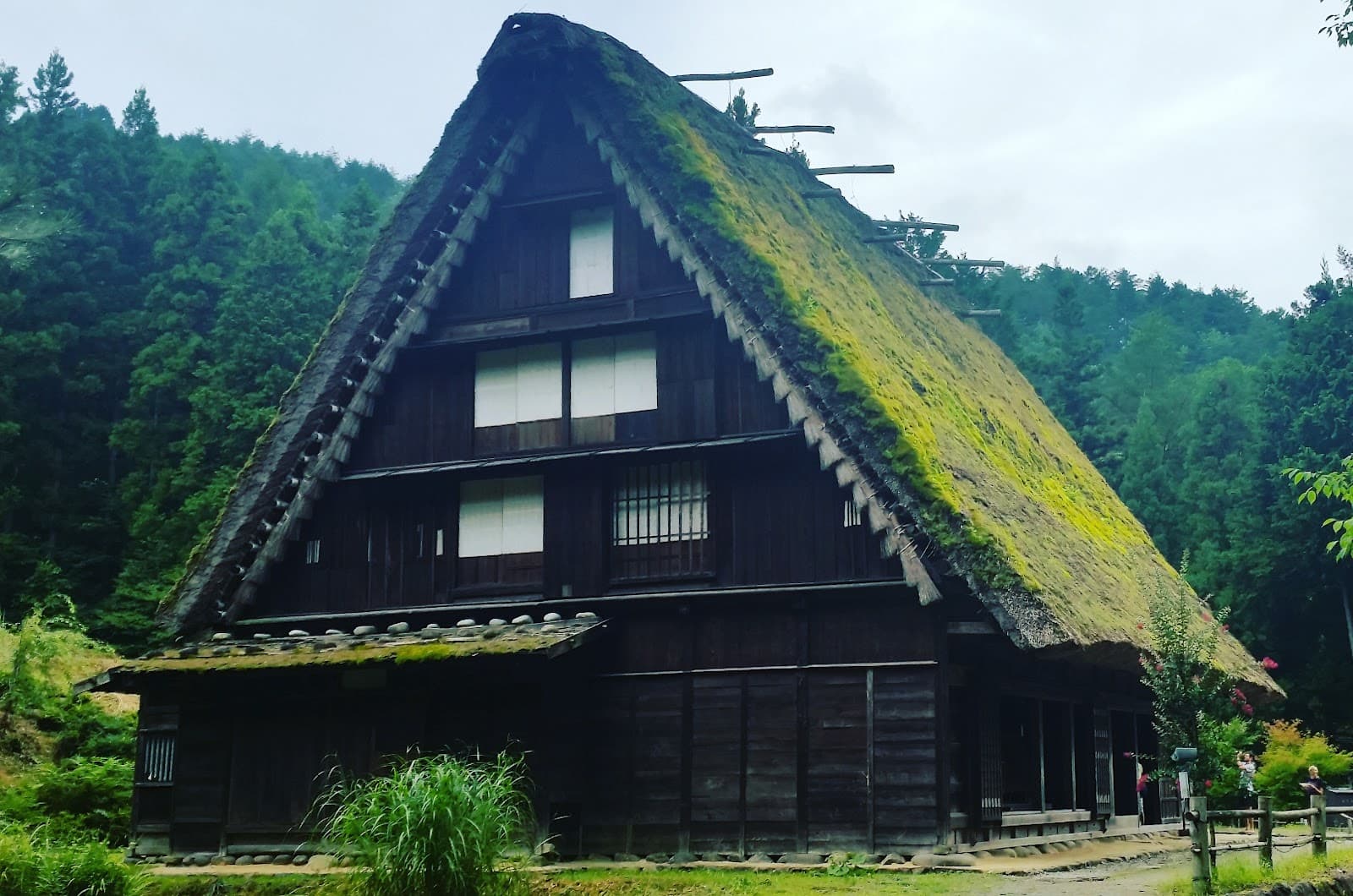
This traditional village features eight sacred ponds fed by snowmelt filtering through Fuji's volcanic rock over decades. The crystal-clear water reveals the ponds' depths with startling clarity, whilst traditional thatched-roof farmhouses frame views of the mountain beyond.
Walk the village's paths (free access to most areas, though some traditional houses charge ¥300 entry) to discover each pond's unique character. The entire circuit takes 90 minutes at a leisurely pace. Visit the early morning hours (before 9am) to avoid tour groups and capture reflections in the ponds' still water.
From Fujisan Station on the Fujikyuko Line, take the Oshino Hakkai-bound bus (¥300, 25 minutes). The village sits 935 metres above sea level, positioning you relatively close to Fuji's base.
Mishima Skywalk
Japan's longest pedestrian suspension bridge stretches 400 metres across a forested valley with Mount Fuji dominating the northern skyline. The bridge sways slightly as you walk, adding a touch of adventure to your viewing experience.
Entry costs ¥1,100 for adults, and the site includes gardens, cafes and viewing platforms at either end. Clear winter days offer the most reliable Fuji views, as summer humidity often obscures the peak. From Mishima Station (Tokaido Shinkansen or JR Tokaido Main Line), take a bus bound for Motohakone Port (¥490, 25 minutes) and alight at Mishima Skywalk.
Practical Viewing Considerations
Weather and Seasons
Mount Fuji is most visible from November through February when winter air offers the clearest conditions. Expect to see the peak 60-70% of days during these months. Summer months (June through September) bring humidity and clouds, reducing visibility to perhaps 30% of days.
Early morning provides the best viewing window year-round. Clouds typically build from late morning onwards, often completely obscuring the mountain by afternoon. Set your alarm and position yourself at viewpoints before 8am for optimal chances.
Winter months paint the mountain white with snow cover that remains visible from the fifth station upwards. Late spring and autumn offer partial snow coverage creating dramatic light and dark contrasts on the slopes.
Transport Between Viewing Areas
The Fuji area lacks comprehensive public transport, but several options connect key sites:
From Tokyo: Highway buses run from Shinjuku Station to Kawaguchiko Station (¥2,000, 2 hours 15 minutes) with departures every 30 minutes. The journey suits those without JR Passes. JR Pass holders should take the JR Chuo Line to Otsuki (75 minutes), then transfer to the Fujikyuko Line to Kawaguchiko (50 minutes).
Around the Lakes: The Omni Bus Red Line circles Lake Kawaguchi, stopping at major viewpoints (¥1,500 two-day pass). Separate buses serve Lakes Yamanaka, Sai and Motosu, though less frequently.
To Hakone: From Lake Kawaguchi, buses run to Gotemba Station (¥1,540, 70 minutes), where you can connect to Hakone transport networks.
Accommodation Strategies
Staying overnight near Mount Fuji significantly improves your chances of clear views, as you can check conditions at sunrise when visibility peaks. Lake Kawaguchi offers the widest range from budget hostels (from ¥3,500 per night) to luxury ryokan with private onsen (from ¥25,000 per person with meals).
Book rooms on the northern shores of any of the five lakes to wake facing Mount Fuji. Many ryokan serve breakfast in your room, allowing you to eat whilst watching sunrise illuminate the peak through your window.
Photography Tips
Bring a zoom lens for detail shots, though wide-angle lenses prove more versatile for capturing Fuji with foreground elements. A polarising filter cuts haze and deepens blue skies, particularly valuable given the mountain's distance from most viewpoints.
Arrive at popular photo spots 30 minutes before optimal lighting to secure positions. Sunrise illuminates Fuji's eastern face beautifully, whilst sunset creates silhouettes. The hour after sunrise and before sunset delivers the warmest light.
Check real-time conditions via the webcams at fujigoko.tv (in Japanese, but visual content needs no translation) before committing to specific viewpoints.
Making Your Fuji Viewing Trip
Allocate at least two full days for the Fuji area to increase your odds of clear conditions. Base yourself at Lake Kawaguchi for convenience, or Lake Yamanaka for quieter surroundings. Day one covers the lakes and eastern viewpoints, day two explores Hakone's western perspectives.
Combine Fuji viewing with other activities to maximise your time if clouds descend. The region offers excellent museums (Fuji-Q Highland amusement park, Kubota Itchiku Art Museum), onsen bathing, and craft workshops in traditional villages.
Remember that viewing Mount Fuji without climbing it isn't a second-best option - it's often the superior experience. You'll avoid the crowds, altitude sickness and darkness of summit attempts whilst enjoying Fuji as Japanese poets and artists have for centuries: as a sacred presence on the horizon, best contemplated from a respectful distance with hot tea in hand.