
 By Declan Barry
Kyoto to Nara: Transport Options and What to Expect
The journey from Kyoto to Nara is one of Japan's most rewarding day trips, connecting two ancient capitals rich in temples, gardens, and cultural treasures. While both cities served as Japan's political centre centuries ago, they offer distinctly different experiences today. This guide breaks down every transport option between Kyoto and Nara, helping you choose the best route for your schedule and budget.
Nara
Nara Park
Landscaped, public park with ancient temples & the Nara National Museum of art, plus tame deer.
Open in Maps ↗Why Visit Nara from Kyoto?
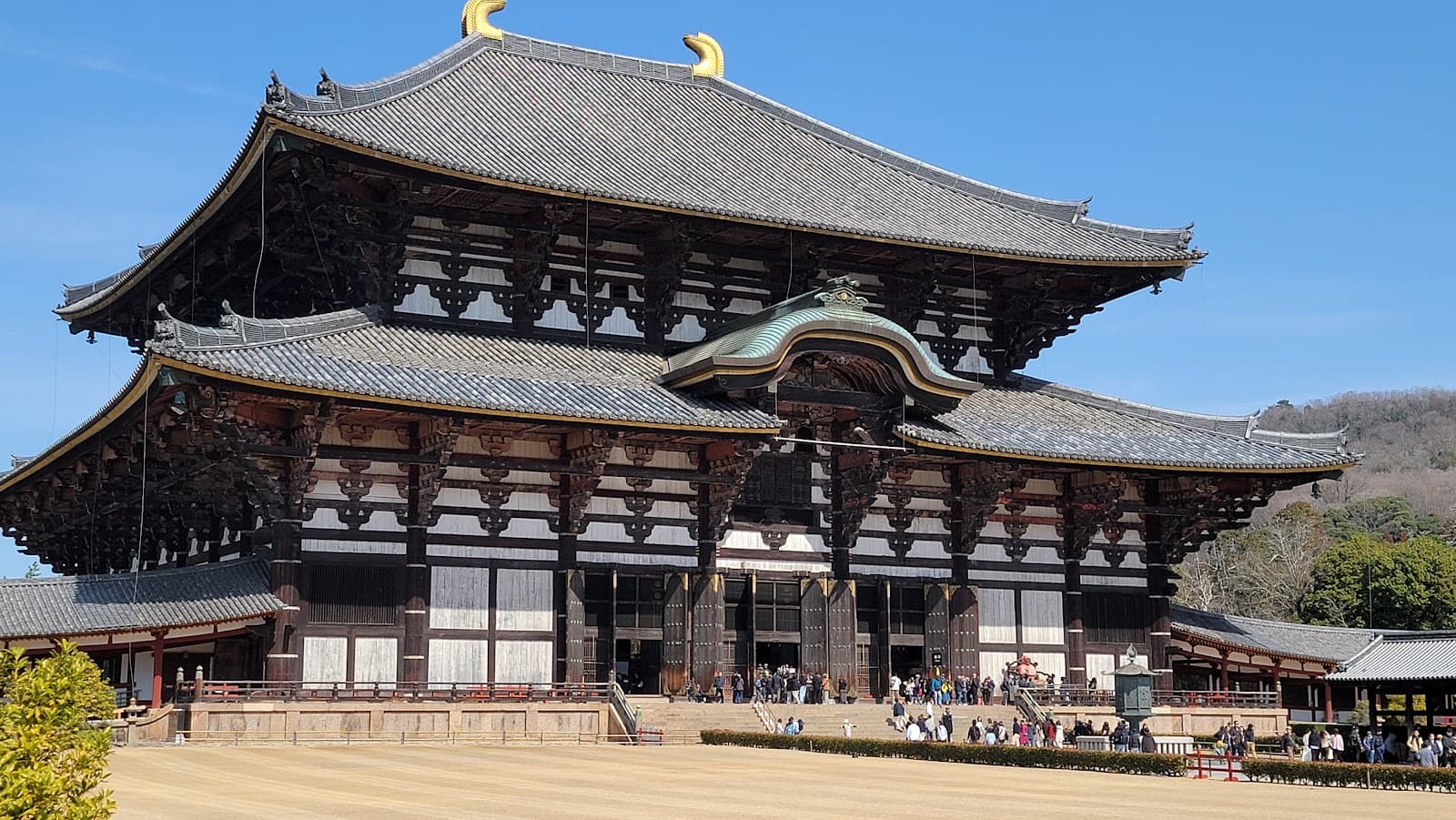
Nara makes an excellent day trip from Kyoto for several compelling reasons. The city's compact layout means you can visit its major attractions - Todaiji Temple with its giant bronze Buddha, Kasuga Taisha Shrine, and Nara Park's famous deer - all within walking distance of each other. Unlike Kyoto's sprawling geography, Nara's highlights cluster around a single park area, making it remarkably efficient to explore.
The journey between cities takes 35 to 75 minutes depending on your chosen route, and multiple transport options mean you can tailor your trip to your priorities, whether that's speed, cost, or scenic value.
The Three Main Routes
Three railway companies operate services between Kyoto and Nara, each following different routes with distinct advantages. Understanding these differences helps you make the right choice for your travel style.
Kintetsu Railway: The Fastest Option
Kintetsu Railway operates the most direct and popular service between Kyoto and Nara. Trains depart from Kintetsu Kyoto Station, located inside Kyoto Station's main building, and arrive at Kintetsu Nara Station - the most convenient station for sightseeing.
Express trains complete the journey in approximately 35 minutes and cost ¥680 one way. These limited express services require no additional fee beyond the basic fare, though you can purchase a reserved seat for an extra ¥520 if you prefer guaranteed seating. During peak travel times (spring cherry blossom season, autumn foliage season, and major holidays), reserved seats offer peace of mind.
Local trains take around 50 minutes and cost the same ¥680. They stop at more stations along the route, which adds time but provides flexibility if you're staying somewhere between the two cities.
Kintetsu Nara Station sits just a 5-minute walk from Nara Park's entrance, making it the most practical arrival point. The station has coin lockers (¥300-¥600 depending on size) if you're carrying luggage, plus a tourist information centre with English-speaking staff.
Kintetsu trains run every 10-30 minutes throughout the day, with more frequent service during morning and evening hours. First trains depart around 5:30am, and last trains leave Kyoto around 11:00pm.
JR Nara Line: The JR Pass Option
JR West operates two train types on the Nara Line: Miyakoji Rapid services and local trains. Both depart from JR Kyoto Station's Platform 8-10 area.
Miyakoji Rapid trains reach JR Nara Station in approximately 45 minutes for ¥720. These trains make fewer stops than local services, stopping only at major stations like Tofukuji, Inari (for Fushimi Inari Shrine), and Uji (famous for tea and temples).
Local trains take roughly 75 minutes and cost the same ¥720. They stop at every station along the route.
The crucial point: if you hold a JR Pass (Japan Rail Pass, JR West Kansai Area Pass, or similar), these trains cost you nothing extra. This makes JR the economical choice for pass holders, even though journey times exceed Kintetsu's.
JR Nara Station sits about 20 minutes' walk from Nara Park, roughly 1 kilometre from the park entrance. You can walk this distance easily, or take a local bus (¥210, covered by some day passes) for 5-7 minutes. The station neighbourhood has fewer tourist facilities than Kintetsu Nara Station.
Trains run every 30-60 minutes, with service from approximately 5:00am until midnight.
Nara Kotsu Bus: The Scenic Route
Direct highway buses operated by Nara Kotsu connect Kyoto Station with Kintetsu Nara Station. The journey takes approximately 90 minutes and costs ¥600-800 depending on the specific service.
Buses depart from the Kyoto Station Hachijo Exit (south side) bus terminal. Look for boarding point B3. Services run roughly every hour during daytime, with reduced frequency in early morning and evening.
While slower than trains, buses offer several advantages. You get comfortable reserved seating with luggage space, making them practical if you're travelling with bags. The highway route provides views of the Kyoto and Nara countryside that train routes miss, particularly pleasant during spring and autumn.
Buses arrive directly at Kintetsu Nara Station, just metres from Nara Park's entrance. This door-to-door convenience means no station transfers or additional walks.
Note that buses can experience delays during heavy traffic, especially on weekends and holidays. Add 20-30 minutes buffer time if you have strict schedule requirements.
Choosing Your Route: Decision Factors
Your best transport option depends on several factors working in combination.
Choose Kintetsu if:
- Speed matters most to you
- You want the station closest to Nara Park
- You're travelling during peak hours when JR trains get crowded
- You don't hold a JR Pass
- You prefer frequent departures for flexibility
Choose JR if:
- You hold any JR Pass
- You want to stop at Fushimi Inari Shrine or Uji en route
- You prefer less crowded trains (JR services typically have more available seating)
- The extra walking from JR Nara Station doesn't concern you
- You're connecting from other JR lines in Kyoto
Choose the bus if:
- You have large luggage
- You prefer comfortable seated travel guaranteed
- Cost matters most (buses are cheapest)
- You enjoy scenic highway views
- You have flexible timing and don't mind potential delays
The Fushimi Inari Option
Many visitors combine Nara with Fushimi Inari Shrine, famous for its thousands of vermillion torii gates. This works brilliantly because Fushimi Inari sits directly on the JR Nara Line.
From Kyoto Station, take the JR Nara Line to Inari Station (5 minutes, ¥150). After exploring the shrine, continue on the same line to Nara. This routing adds minimal time since you're already using the JR service.
Alternatively, visit Fushimi Inari on your return journey. The shrine illuminates beautifully at dusk, and returning to Kyoto from Inari afterwards takes just 5 minutes.
Kintetsu users can also stop at Fushimi Inari, but it requires a separate trip since Kintetsu Fushimi Station sits 10 minutes' walk from the shrine, versus JR Inari Station's location right at the shrine entrance.
Practical Tips for the Journey
Timing your visit: Arrive in Nara by 9:00-9:30am for the best experience. Early morning means fewer crowds, calmer deer, and cooler temperatures for walking. Most tour groups arrive 10:30am-12:00pm, so beating this rush transforms your visit.
Plan to leave Nara by 4:00-5:00pm. Most attractions close around 5:00pm, and the deer become less active in late afternoon. This timing gives you roughly 7 hours in Nara - ample time for the major sights.
Ticketing: Purchase tickets from machines at any station. Machines have English language options. Kintetsu and JR use separate ticket gates, so ensure you buy tickets from the correct company.
IC cards (Suica, PASMO, ICOCA) work on all three options - trains and buses. Simply tap at entry and exit gates. This eliminates ticket-buying entirely and often provides small discounts.
Station navigation: Kyoto Station is Japan's second-largest station building. Kintetsu Kyoto Station is inside the main station building, underground on the B1 level. Follow signs for "Kintetsu" from the main concourse. JR platforms are above ground; follow "JR Lines" signs. Don't confuse Kintetsu with the Kyoto Municipal Subway, which is separate.
Reserved seats: Kintetsu's reserved seats (¥520 extra) make sense during cherry blossom season (late March to mid-April) and autumn colours (November). Outside these periods, express trains rarely fill completely, so basic tickets suffice.
Return timing: Check last train times before starting your day. Last trains generally depart Nara around 11:00pm-midnight, but services become less frequent after 9:00pm. Missing the last train means an expensive taxi ride (¥12,000-15,000) or finding accommodation.
What to Expect in Nara
Nara's layout makes navigation straightforward. From either Kintetsu or JR Nara Station, you'll walk along shopping streets towards Nara Park. The park itself is free to enter and covers 502 hectares.
Over 1,200 deer roam freely throughout the park. These are wild animals, not zoo animals, though they're accustomed to human presence. Deer crackers (shika-senbei) cost ¥200 per bundle from vendors. Bow slightly to the deer before feeding them - some have learned to bow back.
Todaiji Temple's main hall houses Japan's largest bronze Buddha statue, 15 metres tall. Entry costs ¥600. Kasuga Taisha Shrine, a short walk beyond Todaiji, charges ¥500 for the inner shrine area, though the outer grounds are free.
Many visitors complete the Nara loop - walking from the station through the park to Todaiji, then to Kasuga Taisha, returning via the shopping streets - in 4-5 hours. Add time for lunch (Nara's speciality is kakinoha-zushi, mackerel sushi wrapped in persimmon leaves) and museum visits if interested.
Money-Saving Combinations
Several day passes cover transport between Kyoto and Nara plus local buses in both cities.
The Kintetsu 1-Day Pass costs ¥1,650 and includes unlimited Kintetsu trains between Kyoto and Nara plus local Nara buses. This breaks even if you make the round trip plus use local buses 3-4 times.
The JR Kansai Area Pass (1-day: ¥2,400, multiple days available) covers all JR trains in the region. Worthwhile if you're also visiting Osaka, Kobe, or Himeji during your stay.
IC card discounts: Using an IC card rather than paper tickets typically saves ¥10-20 per journey through rounding benefits.
If you're making only the round trip between Kyoto and Nara with no other travel, standard tickets cost less than day passes. Calculate your specific itinerary before purchasing passes.
Special Considerations
Cherry blossom season (late March to early April): Trains and buses become significantly more crowded. Reserve seats on Kintetsu or consider taking the earliest possible trains. Nara's cherry blossoms peak slightly later than Kyoto's, usually early April.
Autumn colours (November): Similar crowds to cherry blossom season. Nara's colours peak mid-to-late November, when maples around temples create spectacular scenery.
Rainy days: All transport options work equally well in rain. Bring an umbrella for walking in Nara Park, where deer remain active regardless of weather. Covered walkways connect many temple buildings.
With children: Kintetsu express trains offer the shortest journey time, reducing restlessness. The deer in Nara Park fascinate children, but supervise closely - deer can nip or push if they smell food.
Accessibility: All stations have lifts and accessible facilities. Kintetsu Nara Station's proximity to the park makes it better for wheelchair users or anyone with mobility limitations. Nara Park's main paths are paved and accessible, though some temple areas involve steps.
The Kyoto to Nara journey ranks among Japan's easiest and most rewarding day trips. With clear transport options, efficient connections, and concentrated attractions at your destination, you can experience both ancient capitals comfortably in a single day. Choose your route based on your JR Pass status, timing preferences, and whether you're stopping at Fushimi Inari, and you'll discover why this has been a pilgrimage route for over a thousand years.