
 By Declan Barry
Japan Convenience Store Services: Beyond Buying Food
When you spot a FamilyMart, 7-Eleven, or Lawson during your Japan trip, you might think "snack shop" and keep walking. But Japan's convenience stores (konbini) are actually multi-service hubs that can solve dozens of travel problems. From printing documents to paying bills, shipping luggage to buying concert tickets, these 24-hour establishments offer services that regularly save travellers time, money, and stress.
I've used konbini services to rescue trips more times than I can count - printing a forgotten hotel confirmation at 11pm, shipping ski equipment to avoid lugging it on trains, and collecting online purchases when my hotel wouldn't accept deliveries. Here's everything these remarkable shops can do for you beyond selling onigiri.
ATM Services That Actually Work for Foreign Cards
Japan remains surprisingly cash-dependent, and many Japanese ATMs reject foreign cards. Konbini ATMs, particularly 7-Eleven's Seven Bank machines, accept most international cards without fuss.
Seven Bank ATMs display instructions in English, Korean, Chinese, and Portuguese. The withdrawal limit is typically ¥100,000 per transaction (though your bank may impose lower limits), and the machines dispense ¥10,000, ¥5,000, and ¥1,000 notes. Service fees run ¥110-220 depending on the time and day, plus whatever your home bank charges.
The machines operate 24 hours in most locations, though some impose brief maintenance windows between 2am and 4am on Sundays. This round-the-clock availability proves invaluable when you arrive at Narita Airport late at night needing cash for the morning's taxi or entrance fees.
Lawson ATMs also accept international cards and offer similar services. FamilyMart recently upgraded its ATMs to accept foreign cards as well, though coverage isn't universal yet. When you see the blue and white "Plus" or "Cirrus" logos on the machine, you're good to go.
Multi-Function Copy Machines (Your Portable Office)
Those large machines near the magazines aren't just photocopiers. They're essentially print shops that speak multiple languages and accept various file formats.
Printing from USB or smartphone: Insert your USB stick or connect your phone via the konbini's Wi-Fi network (each chain has its own app - PrintSmash for Lawson, Sharp Print for FamilyMart). You can print PDFs, Word documents, photos, and even web pages. A4 black-and-white printing costs ¥10-20 per page, colour runs ¥50-80. Photo printing on proper photo paper costs ¥30-200 depending on size.
The machines offer impressive options - border adjustments, two-sided printing, multiple pages per sheet, and ID card copying (both sides on one page). Instructions switch to English with a menu button.
Scanning services: Forgot to scan a receipt? Need to send a document home? The machines scan to USB or directly to your email or smartphone. Scanning costs ¥30-50 per page. I've used this to digitise train tickets for expense reports and send signed forms back to the UK when postal services would have taken weeks.
Faxing: Yes, fax machines still matter in Japan. Many ryokans and smaller hotels prefer fax confirmations, and some reservations require faxed forms. Domestic faxes cost around ¥50 per page, international faxes run ¥100-300 depending on the destination.
Parcel and Luggage Services
This service alone justifies including konbini stops in your itinerary planning.
Takkyubin (luggage forwarding): Most konbini partner with Yamato Transport (kuroneko, the black cat company) or Sagawa Express. You can ship luggage between hotels, from airport to hotel, hotel to airport, or even to airport storage for your departure day.
Bring your suitcase to the counter, fill out a simple form (staff usually help with addresses), and your luggage arrives the next day in most cases (same-day service available for extra cost within certain zones). A standard suitcase from Tokyo to Kyoto costs ¥1,800-2,500 depending on size and weight. Ski equipment runs ¥2,500-3,500. This costs less than coin lockers for multi-day storage and frees you to explore with just a daypack.
Tokyo
Tokyo Tower
Reminiscent of the Eiffel Tower, this landmark features observation areas & other attractions.
Open in Maps ↗Pay at the counter with cash or card. You'll receive a tracking number to monitor delivery. The service is remarkably reliable - I've never had a delayed delivery in dozens of shipments.
International shipping: Need to send souvenirs home? The konbini offers international parcel services at competitive rates, though for anything valuable I still recommend using Japan Post. Still, it's convenient for bulky items like textiles or ceramics when you're running out of luggage space.
Package collection: If you order something online in Japan, you can choose konbini pickup instead of hotel delivery. Select your preferred store during checkout, collect your package within the holding period (usually 3-7 days), and present your collection number and ID. This works brilliantly when your accommodation doesn't accept deliveries or you're staying in a different hotel each night.
Bill Payment Services
This matters more for long-term visitors, but short-term travellers benefit too.
Many Japanese services (mobile phone top-ups, theme park tickets purchased online, concert tickets from Japanese vendors) generate konbini payment slips. Bring the slip or payment number to the counter, pay in cash, and receive a receipt. The payment processes instantly, which means your tickets or service activate immediately.
I've used this for Ghibli Museum tickets purchased through the Lawson Loppi machine (more on that below), baseball game tickets bought online, and supplementary train tickets that couldn't be purchased at station machines.
Tokyo
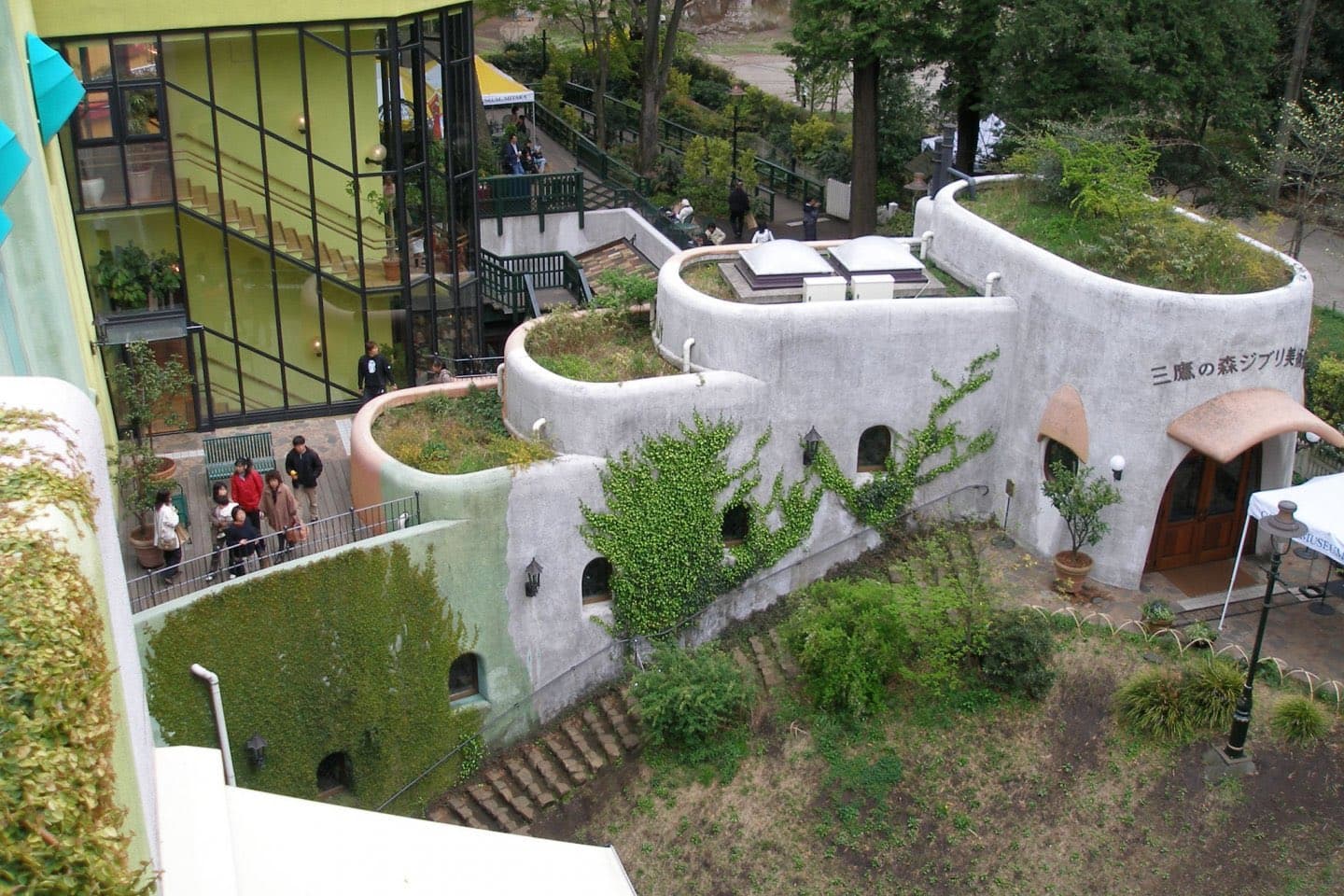
Ghibli Museum
Whimsical museum dedicated to the famed animation studio with a play area, theater & rooftop garden.
Open in Maps ↗Ticket Machines (Loppi at Lawson, Famiport at FamilyMart)
These standalone terminals sell tickets to hundreds of events and attractions. The interface can be intimidating, but most machines offer English menus.
What you can buy: Concert and theatre tickets, theme park admission (sometimes with discounts), bus tickets for highway buses, tickets to museums and exhibitions, ski lift passes, and event registrations. The machines also dispense Amazon and other online purchase receipts for counter payment.
How it works: Navigate the menu (buttons usually have English), select your item, print a receipt at the machine, take it to the counter within 30 minutes, and pay. Your actual tickets print at the counter or you receive a collection code.
The Lawson Loppi machine particularly shines for Studio Ghibli Museum tickets, which go on sale at Lawson machines on the 10th of the month preceding your visit (buy July tickets on June 10th). The machines also sell discounted universal attraction tickets and seasonal event passes.
Famiport at FamilyMart offers similar services plus some unique items like express bus tickets for popular routes (Tokyo to Kyoto, Osaka to Hiroshima). I've booked entire overnight bus journeys through Famiport machines when train tickets were sold out.
Osaka
Osaka Castle
Revered castle dating to 1597 & since rebuilt, featuring gardens & a museum with varied exhibits.
Open in Maps ↗Financial Services Beyond ATMs
Some konbini (especially 7-Eleven) let you make international money transfers through Western Union terminals. Useful in emergencies when you need to send or receive money quickly, though fees apply.
You can also purchase prepaid cards for mobile phones, online services, and streaming platforms. These cards work as gifts or for topping up your own services. Look for racks near the register displaying iTunes, Google Play, PlayStation Network, and Nintendo eShop cards, plus Japanese-service cards for Line Pay, Amazon Japan, and mobile carriers.
Hot Water and Microwave Services (The Free Ones)
Every konbini has a hot water dispenser and microwave for customer use, free of charge. This isn't just about heating purchased food - though that's certainly useful with konbini ramen, instant noodles, and bentō.
Carry instant miso soup packets or instant coffee sticks, fill your water bottle with hot water from the konbini, and you've got breakfast or a warm drink for zero additional cost. I do this constantly while hiking or during early morning temple visits. The hot water dispensers are usually near the coffee machines.
Some konbini also offer cold drinking water dispensers, though this is less universal.
Wi-Fi Services
Most major chain konbini offer free Wi-Fi, though connection procedures vary:
- 7-Eleven: "7SPOT" Wi-Fi, requires email registration, 60 minutes per session, unlimited sessions
- Lawson: "LAWSON Free Wi-Fi", simple connection, 60 minutes per session
- FamilyMart: "Famima Wi-Fi", requires app or email registration, 20 minutes per session, three sessions per day
Connection strength and speed vary by location. Urban locations generally offer faster speeds suitable for video calls or uploading photos. Rural konbini Wi-Fi can be sluggish.
This free Wi-Fi saves travellers without data plans or pocket Wi-Fi devices. Download maps, check train times, or message home whilst buying a coffee.
Toilets (The Unmentioned Essential)
Whilst not always advertised, many konbini have toilets available for customer use, particularly locations on highways or in residential areas without other facilities nearby. They're generally clean and well-maintained.
In city centres, konbini often lock toilets or reserve them for customers only. But when you're desperate and can't find a station or public facility, buying a small item gives you access to facilities that meet Japan's famously high hygiene standards.
Don't expect bidets or the luxury features of department store toilets, but they're perfectly serviceable and often cleaner than public facilities in other countries.
Practical Tips for Using Konbini Services
Language barriers: Most konbini staff speak limited English, but they're extraordinarily patient and helpful. Point, use the machine's English interface, or show text on your phone. Google Translate's camera function works brilliantly for forms.
Cash preference: Though konbini accept cards for purchases, many services (parcel shipping, bill payment, ticket payment) require cash. Always carry sufficient yen when planning to use non-purchase services.
Receipt importance: Keep every receipt. Japanese service culture means problems are rare, but receipts are your proof of payment and tracking. Receipts also include helpful information like package tracking numbers and collection codes.
Store location apps: Download the official apps for your preferred chains (7-Eleven, Lawson, FamilyMart). They include store locators showing which locations offer specific services. Not every tiny konbini has parcel services or working Wi-Fi.
24-hour availability: Most konbini services (ATMs, printing, purchases) operate 24 hours, but parcel pickup requires staff assistance during counter-staffed hours. Some stores in residential areas close counters overnight whilst keeping the shop open. Check before making midnight plans.
Chain-Specific Services Worth Noting
7-Eleven: Best ATM acceptance of foreign cards, reliable Wi-Fi, largest network (over 21,000 stores), excellent onigiri. The "Seven Café" coffee rivals dedicated coffee shops at ¥100 for regular size.
Lawson: Superior for tickets (Loppi machine excellence), better desserts, Natural Lawson stores offer organic and health-food options. Lawson stations inside train stations offer extended services.
FamilyMart: Best fried chicken (famichiki), good printing services, improving ATM foreign card acceptance. FamilyMart collaborates with Don Quijote in some locations for extended product ranges.
Daily Yamazaki: Excellent bakery sections, often has seating areas, strong in residential neighbourhoods.
Ministop: Has soft-serve ice cream stations, stronger food court elements, fewer locations but worth seeking for desserts.
Real Scenarios Where Konbini Services Rescue Trips
A few examples from personal experience and fellow travellers:
Scenario: Arriving at Kyoto Station with large suitcases, heading to Arashiyama for the day before hotel check-in. Solution: Ship luggage from station konbini to hotel for next-day delivery (¥1,500), explore Arashiyama unencumbered.
Kyoto
Arashiyama
Scenic location showcasing a host of monkeys, plus a bamboo forest & water vistas.
Open in Maps ↗Scenario: Hotel booking confirmation email won't load, check-in clerk needs printed proof. Solution: Emergency print from phone at konbini (¥20), crisis averted.
Scenario: Bought too many ceramics in Arita, suitcase won't close. Solution: Ship a box internationally from konbini (¥4,500 for 5kg to UK), keep remaining luggage manageable.
Scenario: Ticket machine won't accept foreign credit card for limited express train reservation. Solution: Buy train ticket through Famiport machine using cash, print receipt, collect ticket at counter.
Scenario: Forgot to get cash before arriving at cash-only onsen town. Solution: Seven Bank ATM withdrawal at local konbini despite no other working ATMs in town.
The reliability and ubiquity of konbini services means you're rarely more than ten minutes from a solution to most travel problems.
Final Thoughts
Japan's convenience stores earned their name through actual convenience, not marketing. They're infrastructure as much as shops, filling gaps in Japan's service landscape and operating as community hubs in residential areas.
For travellers, viewing konbini as multi-service centres rather than just food stops unlocks significant practical advantages. You'll save money on luggage transport, avoid carrying heavy bags on crowded trains, solve unexpected problems at any hour, and access services that might otherwise require multiple specialist shops or extensive Japanese language skills.
Next time you see that familiar konbini sign, remember you're looking at a potential luggage depot, print shop, ticket office, post office, and ATM rolled into one brightly lit, impeccably organised, 24-hour facility. It's a uniquely Japanese solution to modern convenience culture, and it's entirely at your service.