
 By Declan Barry
Hinamatsuri: Japan's Doll Festival in March
Every 3rd March, Japan celebrates Hinamatsuri, the Doll Festival, a centuries-old tradition honouring girls and wishing them health, happiness, and prosperous futures. Families display elaborate tiered platforms covered with ornate dolls dressed in Heian-period court attire, whilst children eat special sweets and drink sweet sake. For travellers visiting Japan in early March, Hinamatsuri offers a gentle window into Japanese family traditions, exquisite craftsmanship, and seasonal celebrations that paint the country in soft pinks and reds just as spring begins to arrive.
This guide explains the origins, customs, and where you can experience Hinamatsuri across Japan, from intimate neighbourhood displays to grand public exhibitions featuring thousands of dolls.
What Is Hinamatsuri?
Hinamatsuri (雛祭り), literally "doll festival", is a traditional celebration held on 3rd March each year. Also known as Momo no Sekku (Peach Festival) because peach blossoms typically bloom around this time, the day focuses on prayers for the health and happiness of young girls.
Families with daughters display hina dolls on a red-carpeted tiered platform called a hinadan. The most elaborate displays feature seven tiers with fifteen dolls representing the imperial court, complete with miniature furniture, musical instruments, palanquins, and serving utensils. The top tier always holds the emperor and empress dolls, whilst lower tiers display court ladies, musicians, ministers, and guards.
The dolls remain on display from mid to late February through 3rd March. According to superstition, families must pack away the dolls promptly after the festival, as leaving them out supposedly delays a daughter's marriage. Modern families often interpret this tradition as teaching children responsibility and the importance of caring for belongings properly.
Historical Origins
Hinamatsuri evolved from ancient purification rituals dating back over 1,000 years. During the Heian period (794-1185), people believed that dolls and paper figures could absorb evil spirits and misfortune. In a practice called hina-nagashi, people would transfer their sins to paper dolls, then float them down rivers to carry away bad luck.
The aristocracy's fondness for miniature objects and doll play eventually merged with these purification customs. By the Edo period (1603-1868), Hinamatsuri had developed into the elaborate festival we recognise today, with wealthy families commissioning increasingly ornate doll sets as status symbols. The tradition spread to commoners, though simpler displays remained more typical outside aristocratic households.
Today's hina dolls maintain the Heian court aesthetic, preserving 1,000-year-old costume designs in miniature form and offering a tangible connection to Japan's imperial past.
Traditional Hinamatsuri Foods
Specific foods feature prominently in Hinamatsuri celebrations, each carrying symbolic meaning:
Hishimochi are diamond-shaped rice cakes stacked in three colours: pink (representing peach blossoms and driving away evil), white (symbolising snow's purity), and green (showing new plant growth). The colours transition from winter through spring.
Hina-arare are small, crunchy, pastel-coloured rice crackers, often in pink, white, green, and yellow. These bite-sized sweets represent the four seasons and are particularly popular with children.
Chirashizushi is a festive scattered sushi rice dish topped with raw fish, omelette strips, and vegetables. The colourful presentation suits the celebratory mood, whilst ingredients like prawns (symbolising longevity) and lotus root (seeing into the future) carry auspicious meanings.
Ushiojiru is a clear clam soup. Clam shells represent a harmonious married couple because each pair of shells fits together perfectly, making this dish a wish for a daughter's future happiness.
Shirozake is a sweet, milky rice wine traditionally offered to the dolls and consumed by adults. Children often drink amazake instead, a non-alcoholic sweet rice drink with a similar appearance.
Many department stores and supermarkets stock these special foods in the weeks leading to 3rd March, whilst traditional Japanese confectioners create elaborate seasonal sweets inspired by Hinamatsuri themes.
Where to Experience Hinamatsuri
Tokyo
Meguro Gajoen in Meguro holds one of Tokyo's most spectacular Hinamatsuri displays each year from late January through early March. This historic wedding venue transforms into a doll palace with approximately 1,000 dolls displayed throughout its lavishly decorated rooms. The "Hundred Steps Staircase", a designated Tokyo Tangible Cultural Property, provides a stunning backdrop for traditional and contemporary doll arrangements. Entry costs around ¥1,500.
Tokyo
Tokyo Tower
Reminiscent of the Eiffel Tower, this landmark features observation areas & other attractions.
Open in Maps ↗From Meguro Station (JR Yamanote Line, Tokyu Meguro Line, Tokyo Metro Namboku Line), walk 10 minutes or take a taxi for approximately ¥730.
Asakusa neighbourhoods around Sensoji Temple often display dolls in shop windows and local museums. The Asakusa Culture and Tourism Information Centre sometimes hosts small exhibitions. Walk the traditional streets to spot displays in restaurant windows and craft shops, creating an authentic local atmosphere without admission fees.
Oji Inari Shrine in Kita Ward hosts the Oji Fox Parade in late February (around the last weekend), not directly Hinamatsuri but coinciding seasonally. The shrine area sometimes features doll displays in early March. From Oji Station (JR Keihin-Tohoku Line, Tokyo Metro Namboku Line), walk 5 minutes.
Kyoto
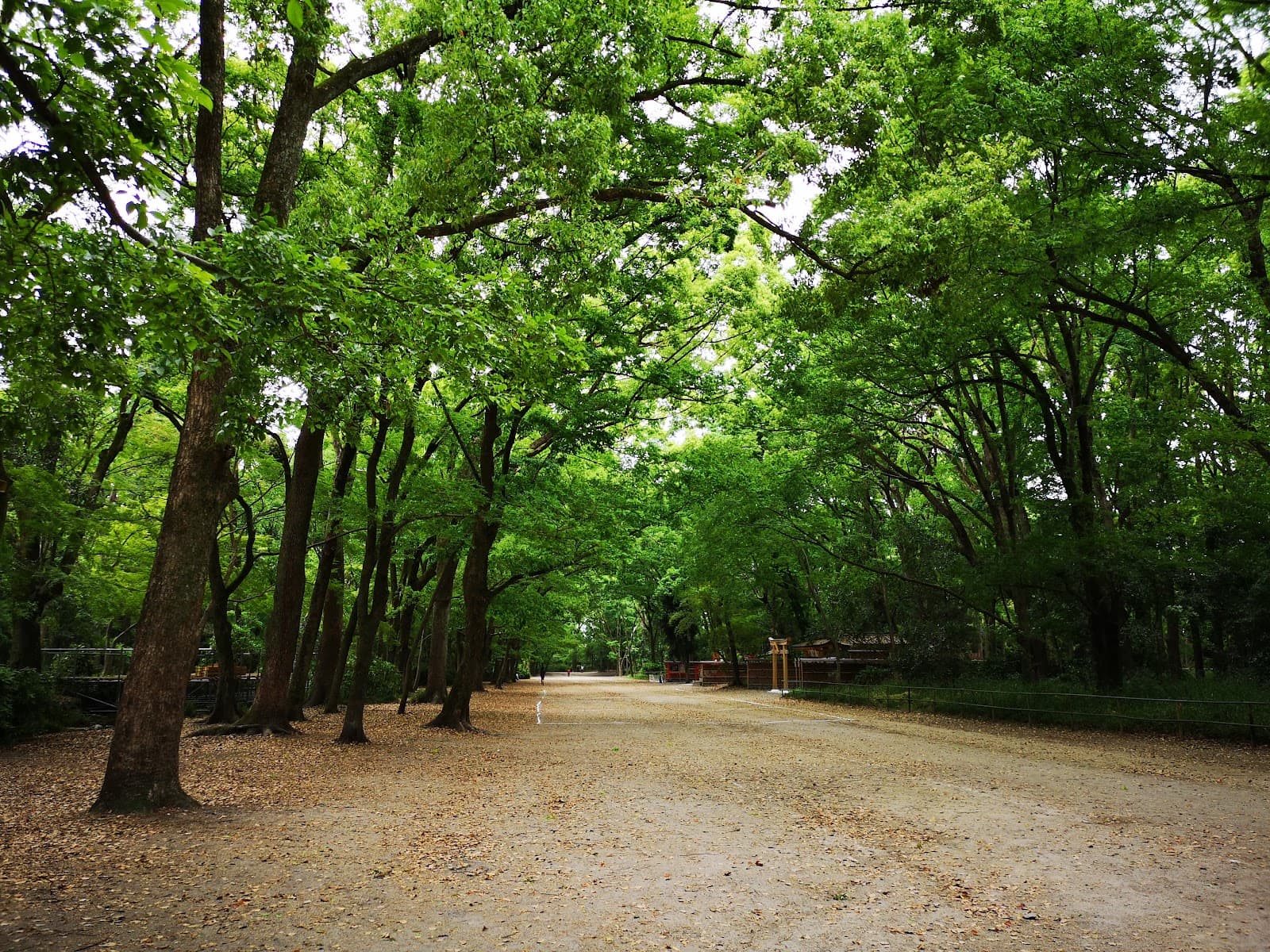
Shimogamo Shrine (Shimogamo-jinja) hosts Nagashibina, the ancient doll-floating ceremony, on 3rd March. Participants in Heian costumes place paper dolls in miniature straw boats and float them down the Mitarashi River within the shrine grounds, recreating the purification ritual that preceded modern Hinamatsuri. The ceremony typically occurs from 10:30 AM. Free to attend. From Demachiyanagi Station (Keihan Line, Eizan Railway), walk 12 minutes through the atmospheric Tadasu-no-Mori forest.
Kyoto
Shimogamo Shrine
Legendary 2,000-year-old shrine & excavation site set in a tranquil, riverside forest.
Open in Maps ↗Kyoto
Tadasu-no-Mori Forest
Peaceful forested park anchored by cherry & plum trees, a stream & walking paths.
Open in Maps ↗Hokyoji Temple in Fushimi displays approximately 3,000 hina dolls from late February through early April, creating an overwhelming visual spectacle across multiple buildings. Entry costs about ¥600. From Takeda Station (Kintetsu Line, Kyoto Municipal Subway Karasuma Line), take bus 19 to Ryukakuji-michi stop, then walk 7 minutes.
Traditional machiya townhouses along streets like Nishijin occasionally open their private doll collections to visitors during special March viewing days. Check with tourist information centres for current year schedules.
Katsuura, Chiba Prefecture
Katsuura Big Hina Festival transforms this coastal town into Japan's largest Hinamatsuri celebration from late February through early March. Approximately 30,000 dolls appear throughout the town, with the most dramatic display on the stone steps leading to Tomisaki Shrine, where over 1,800 dolls create a cascading river of colour. The evening illuminations add magical atmosphere. Most displays are free.
From Tokyo Station, take the JR Sobu/Uchibo Line express to Katsuura Station (approximately 90 minutes, ¥2,310). The festival transforms this quiet fishing town into a cultural destination for the season.
Kofu, Yamanashi Prefecture
Kofu's Hinamatsuri features unique "hanging hina" (tsurushi-bina) displays where dozens of small cloth dolls and decorations hang in cascades from the ceiling. Various locations throughout central Kofu participate. From Shinjuku Station, take the JR Chuo Line limited express to Kofu Station (90 minutes, ¥2,620).
Takayama, Gifu Prefecture
Takayama's preserved historic district hosts doll displays in merchant houses and museums during early March. The local style features Takayama-specific doll craftsmanship. From Nagoya Station, take the JR Wide View Hida limited express to Takayama Station (approximately 2 hours 30 minutes, ¥5,610). The town's Edo-period atmosphere perfectly complements Hinamatsuri's historical character.
Modern Interpretations and Contemporary Displays
Whilst traditional seven-tiered displays remain prestigious, modern Japanese homes often lack space for elaborate setups. Compact displays featuring just the emperor and empress dolls on a single tier have become popular, sometimes in contemporary designs that blend traditional costume elements with modern aesthetics.
Some contemporary artists create avant-garde Hinamatsuri installations, reimagining the tradition through different materials, scales, or concepts. Department stores and museums occasionally commission these experimental works alongside traditional displays.
Compact apartments and changing lifestyles have also led to families renting doll sets for the season rather than purchasing, or visiting public displays instead of maintaining home collections. This shift has contributed to increasingly spectacular public exhibitions as institutions compete to attract visitors.
Practical Tips for Travellers
Timing: Most displays run from mid-February through 3rd March. Arrive earlier in this window for less crowded viewing. The actual date of 3rd March sees many Japanese families celebrating privately at home, so public venues may be quieter.
Photography: Generally permitted at public displays and shrines, but always check for posted restrictions. Flash photography may be prohibited to protect delicate fabrics and prevent disturbing ceremonies. At private venues like Meguro Gajoen, photography rules vary by area.
Etiquette: At shrines hosting ceremonies, maintain respectful distance during rituals. If invited to participate in doll-floating ceremonies, follow staff instructions carefully. Never touch displayed dolls, as they can be extremely valuable and fragile.
Purchasing dolls: Quality hina dolls range from ¥30,000 for basic sets to several million yen for master craftsman creations. Tokyo's Asakusabashi area and Kyoto's traditional craft districts sell dolls year-round. Department stores create special Hinamatsuri sections in January and February.
Seasonal sweets: Purchase hishimochi and hina-arare from department store food halls or supermarkets. These appear in shops from mid-February and disappear quickly after 3rd March, so buy early if you want to try them.
Regional variations: Different areas of Japan maintain unique Hinamatsuri customs. Coastal regions sometimes still practice hina-nagashi doll floating, whilst mountain areas may display dolls made from local materials. Ask at local tourist information centres about area-specific traditions.
Planning Your Hinamatsuri Visit
Early March offers excellent travel conditions for combining Hinamatsuri experiences with other seasonal attractions. Winter snow sports continue in northern regions, whilst southern areas already show early spring flowers. Plum blossoms (ume) typically bloom late February through early March, often coinciding with doll displays.
Accommodation prices remain moderate compared to cherry blossom season (late March to April), making early March an excellent value period. However, book ahead in cities hosting major Hinamatsuri exhibitions, as these attract domestic tourists.
The Japan Rail Pass provides excellent value if you plan to visit multiple regions for different Hinamatsuri celebrations. A 7-day ordinary pass (¥29,650) easily pays for itself with trips between Tokyo, Kyoto, and regional festival locations.
Weather typically ranges from 5-15°C, with Tokyo and Kyoto experiencing mild days but chilly evenings. Layers remain essential, and occasional rain requires an umbrella. Northern regions like Takayama may still have snow.
The Significance Today
Whilst some view Hinamatsuri as outdated or overly focused on traditional gender roles, many Japanese families continue the tradition as a way to celebrate daughters, preserve cultural heritage, and connect generations. The dolls themselves represent extraordinary craftsmanship, with techniques passed down through families of artisans for centuries.
For travellers, Hinamatsuri offers insight into aspects of Japanese culture rarely visible in daily life: the importance of seasonal observances, the preservation of historical aesthetics, and the way traditional celebrations adapt to modern circumstances whilst maintaining their essential character.
The festival's gentle, domestic nature contrasts beautifully with Japan's more famous celebrations. There are no crowds of photographers fighting for space, no lottery systems for viewing spots, no need to arrive hours early. Instead, Hinamatsuri invites quiet appreciation of craftsmanship, colour, and tradition, creating memorable experiences through beauty rather than spectacle.
Whether you encounter a simple three-doll display in a neighbourhood shop window or stand before cascading thousands at a major exhibition, Hinamatsuri reveals Japan's continuing dialogue between past and present, tradition and daily life, grand artistry and humble family celebration.