
 By Declan Barry
Hidden Travel Costs in Japan: What First-Timers Miss
You've budgeted for flights, accommodation, and rail passes. You've researched restaurant prices and entrance fees. But when your Japan trip ends, why does your bank statement show more than expected? First-time visitors consistently underestimate certain costs that don't appear in typical travel guides. Here's what catches people off guard, with specific numbers to help you budget accurately.
Reserved Seat Fees on Shinkansen
Many travellers assume their JR Pass covers everything. It does cover unreserved seats on most shinkansen, but reserved seats cost extra. On the Nozomi and Mizuho services (the fastest trains), JR Pass holders must pay full fare even for unreserved seats.
Reserved seat supplements range from ¥530 for short distances to ¥4,960 for Tokyo to Hakata. Green Car (first class) upgrades add another ¥4,000-8,000. If you're travelling during Golden Week (late April to early May), Obon (mid-August), or New Year (late December to early January), reserved seats become essential as unreserved carriages fill completely.
Tokyo
Tokyo Tower
Reminiscent of the Eiffel Tower, this landmark features observation areas & other attractions.
Open in Maps ↗The solution: book reserved seats for long journeys and busy periods, but use unreserved seats for short hops between nearby cities. A reserved seat from Tokyo to Kyoto costs ¥4,960 extra, whilst Tokyo to Yokohama unreserved works perfectly fine at no additional charge.
Luggage Storage and Forwarding
Japan's train stations rarely have escalators at every exit, and hotel check-in typically starts at 3pm. Coin lockers (¥300-800 per day depending on size) fill quickly at major stations, particularly Tokyo, Kyoto, and Osaka during peak seasons.
Osaka
Osaka Castle
Revered castle dating to 1597 & since rebuilt, featuring gardens & a museum with varied exhibits.
Open in Maps ↗Takuhaibin (luggage forwarding) solves this elegantly but costs ¥2,000-3,000 per bag. Send your large suitcase from Narita Airport directly to your Kyoto hotel, arriving the next day. You travel light on the train, exploring Tokyo with just a day bag. Hotels arrange this service at their front desk.
Budget ¥4,000-6,000 for luggage forwarding if you're moving between distant cities (Tokyo to Kyoto, Osaka to Sapporo). For same-city hotel changes, coin lockers suffice. Large stations like Shinjuku have hundreds of lockers, but they fill by 10am on weekends.
Regional Transport Outside JR Coverage
Your JR Pass doesn't cover Tokyo Metro, private railways to Nikko, the train to Koyasan, Hakone's mountain railways, or buses in rural areas. These gaps add up.
Tokyo Metro day passes cost ¥600 (24 hours) or ¥900 (48 hours). Individual trips run ¥170-320. A week of Tokyo Metro travel without a pass totals ¥3,000-5,000. The Tobu Railway from Asakusa to Nikko costs ¥2,700 return. Hakone's comprehensive Freepass runs ¥6,100 for two days, covering all local transport.
In Kyoto, buses cost ¥230 per trip. A one-day pass at ¥700 pays for itself after three rides. Five days of Kyoto bus travel without passes: ¥3,500-4,500. With passes: ¥3,500 maximum.
Budget ¥5,000-8,000 for regional transport weekly if you're exploring beyond JR lines. Rural areas like Shirakawa-go or Kamikochi require buses costing ¥2,000-4,000 return per person.
Admission Fees Add Up Quickly
Temples and gardens individually seem reasonable: Kinkaku-ji costs ¥500, Fushimi Inari is free, Himeji Castle is ¥1,000. But visit ten attractions weekly and you've spent ¥7,000-10,000 per person.
Kyoto
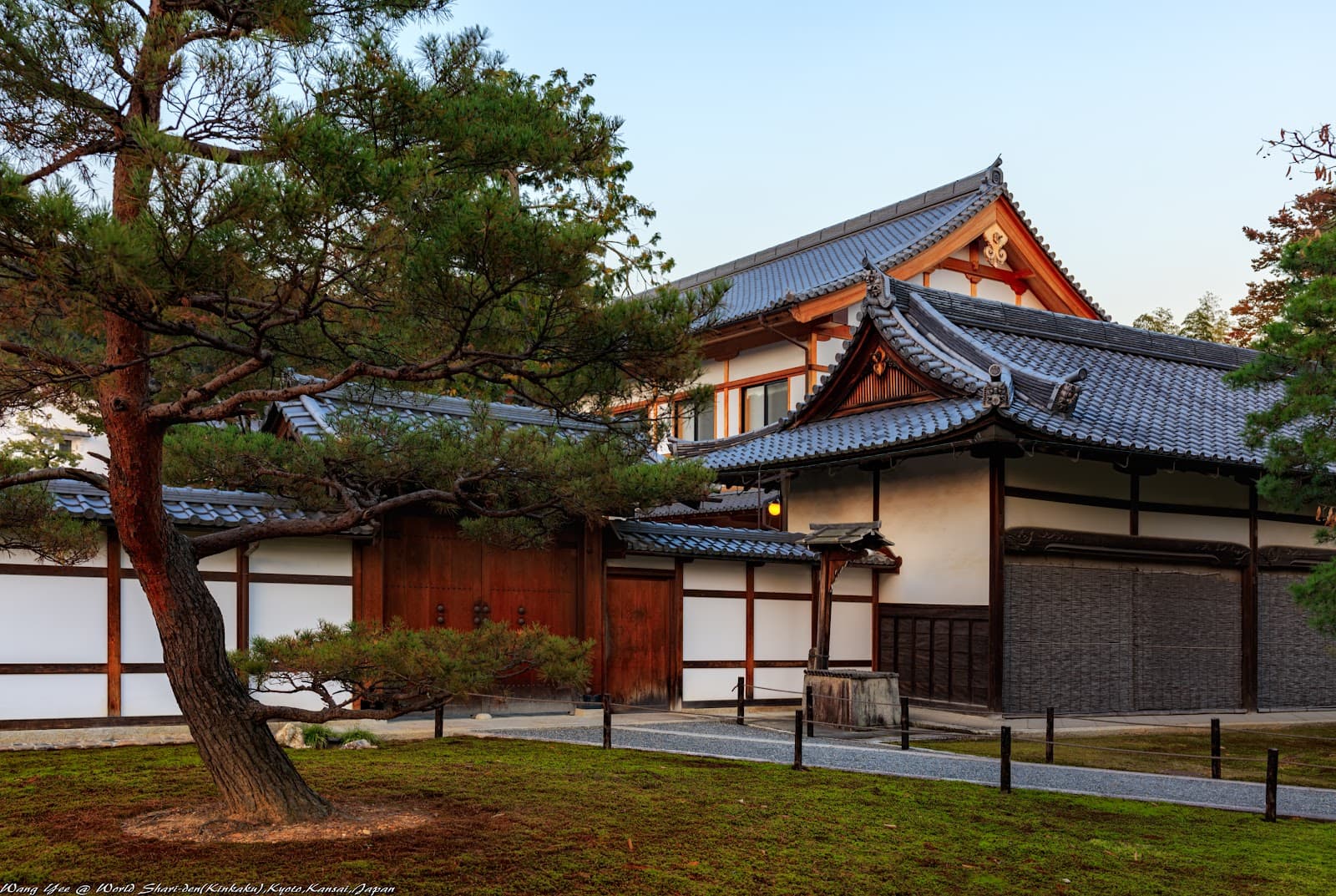
Kinkaku-ji
Historic, tranquil temple with a gold-leaf facade set amid landscaped gardens & a reflecting pond.
Open in Maps ↗Museums range from ¥600 (small local museums) to ¥2,000 (teamLab Borderless in Tokyo). Tokyo Tower observation deck: ¥1,200. Tokyo Skytree: ¥2,100 (weekday) to ¥3,100 (weekend). Osaka Castle keep: ¥600. Universal Studios Japan: ¥8,900-9,800 depending on date, plus ¥6,800-10,800 for Express Passes if you want shorter queues.
Osaka
Universal Studios Japanユニバーサル・スタジオ・ジャパン
This sprawling theme park dedicated to popular American movies features rides & live entertainment.
Open in Maps ↗Theme parks deserve special mention. Tokyo Disneyland: ¥7,900-9,400. DisneySea: same price. Fuji-Q Highland: ¥6,400 for admission plus unlimited rides. If you're visiting multiple Tokyo attractions, check combination tickets. The Asakusa/Tokyo Skytree area offers packages combining river cruises with observation deck access, saving ¥500-800.
Budget ¥5,000-7,000 weekly for attractions if you're temple-hopping in Kyoto, ¥10,000-15,000 if theme parks or major observation decks are included.
Table Charges and Otoshi
Many izakayas and yakitori restaurants charge otoshi (an appetiser you didn't order) at ¥300-500 per person. This isn't optional; it's a table charge. Chain restaurants (Torikizoku, Watami) don't typically charge otoshi, but independent izakayas do.
Table charges also appear at some cafes in tourist areas: ¥200-400 for the seat, separate from your drink. Starbucks doesn't charge this; small independent cafes in Kyoto's Gion district might.
Budget an extra ¥500-1,000 per person for an izakaya evening when otoshi applies. It's not a scam; it's standard practice. The appetiser is usually edible and sometimes quite good (pickles, tofu, seasonal vegetables).
Tipping by Another Name
Japan doesn't have tipping, but service charges appear on bills at hotels and upscale restaurants. Hotels add 10-15% service charges to room rates plus consumption tax (10%). A ¥20,000 room becomes ¥25,000 after both charges.
Restaurants sometimes add service charges for groups (typically six or more people): 10% extra on the bill. Kaiseki restaurants and hotel dining rooms often include service charges automatically. Check the menu or bill carefully; "サービス料" (service charge) appears near the total.
Budget an extra 10-15% beyond listed prices for upscale accommodation and formal dining. Business hotels and casual restaurants don't add service charges.
Cash Requirements Despite Modern Japan
Credit cards work in chains, department stores, and hotels. They don't always work at small restaurants, rural guesthouses, temple admission booths, local buses, or cash-only ramen shops.
ATM fees compound this. Post Office ATMs (found in every neighbourhood) charge ¥110 per withdrawal for foreign cards. 7-Eleven ATMs: ¥110-220. Your home bank might add its own fee: £3-5 per withdrawal. Make four withdrawals weekly and you're spending ¥2,000-3,000 monthly just on ATM fees.
Keep ¥10,000-20,000 cash always. Withdraw larger amounts less frequently to minimise fees. Post Office ATMs accept most international cards and offer English menus. They're open during post office hours (9am-5pm weekdays, 9am-12pm Saturdays), whilst 7-Eleven ATMs work 24/7.
Delivery Fees for Online Orders
Ordering food delivery through Uber Eats or Demae-can? Delivery fees run ¥200-500, plus service charges of 10%. A ¥1,000 meal becomes ¥1,400-1,600. Minimum order amounts (¥1,200-1,500) force you to order more than you'd buy at the restaurant.
Convenience stores stock fresh, quality meals at lower prices: ¥400-700 for a substantial bento. Supermarkets discount prepared foods by 20-50% after 7pm. A ¥680 sushi pack drops to ¥340.
Budget delivery as an occasional convenience (¥2,000-3,000 weekly if you're ordering regularly), but convenience stores save money without sacrificing quality.
Tourist Area Price Premiums
A coffee costs ¥300-400 at a chain cafe. In Kyoto's Arashiyama bamboo grove area, that same coffee is ¥600-800. Soft drinks from vending machines: ¥130-160 normally, ¥200 in tourist spots. Water bottles: ¥100-130 in convenience stores, ¥200-250 at tourist attractions.
Kyoto
Arashiyama
Scenic location showcasing a host of monkeys, plus a bamboo forest & water vistas.
Open in Maps ↗Restaurants near major sites charge 20-40% more than identical establishments three streets away. A tonkatsu set near Kiyomizu-dera costs ¥1,800. Walk to the residential neighbourhood five minutes downhill and it's ¥1,200.
Kyoto
Kiyomizu-dera
Iconic Buddhist temple on Mount Otowa known for the scenic views afforded from its sizable veranda.
Open in Maps ↗The strategy: buy drinks from convenience stores before visiting attractions. Eat in residential neighbourhoods rather than directly at tourist sites. A ten-minute walk saves ¥500-1,000 per meal.
Onsen Towel Rentals and Extras
Many onsen require you to rent towels: ¥200-400 for a small towel, ¥300-600 for a large one. Some provide them free; others don't. Ryokan rates usually include towels; day-visit onsen in places like Hakone or Kinosaki often charge separately.
Private family baths (kashikiri-buro) cost ¥2,000-5,000 for 45-60 minutes on top of general admission. They're worth it if you're modest about communal bathing, but they're an additional cost.
Lockers at onsen cost ¥100-200 (usually refundable). Some onsen charge for amenities: razors (¥100), hairbrushes (¥100), hair ties (¥50). Budget ¥500-1,000 per onsen visit beyond the admission fee if you're renting towels and using a private bath.
Seasonal Surcharges
Cherry blossom season (late March to early April) and autumn foliage (November) bring hotel price increases of 30-100%. A ¥12,000 Tokyo hotel room becomes ¥18,000-25,000 during peak sakura. Kyoto accommodation doubles in price during autumn's peak fortnight.
Shinkansen reservations become harder to secure without booking weeks ahead. Hotels sell out six months early in popular cities. Last-minute bookings force you into more expensive options or locations far from city centres.
The solution isn't avoiding peak seasons (they're peak for good reasons), but booking accommodation six months ahead and being flexible with dates. Travel midweek rather than weekends during peak seasons. A Kyoto hotel might be ¥18,000 on Saturday during autumn colours but ¥12,000 on Tuesday.
International Transaction Fees
Your credit card likely charges 2.5-3% on foreign transactions. Use it for a ¥100,000 trip and you're paying ¥2,500-3,000 in fees. Some UK cards (Starling, Revolut, Chase) don't charge foreign transaction fees, but many high-street banks do.
ATM withdrawals incur currency conversion fees even if your bank doesn't charge withdrawal fees. The ATM's exchange rate is typically 2-3% worse than the mid-market rate.
Check your card's terms before departing. Consider a zero-foreign-fee card for major purchases. One withdrawal of ¥50,000 is cheaper than five withdrawals of ¥10,000 when fees are per-transaction rather than percentage-based.
Souvenirs Cost More Than Expected
You'll buy more than planned. Japanese packaging, unique regional products, and incredibly tempting department store food halls encourage spending.
Budget ¥5,000-10,000 for souvenirs weekly, even if you're not a shopper. Temple stamp books (¥1,000-2,000) plus stamps (¥300-500 each) add up. Regional snacks for colleagues: ¥2,000-5,000 depending on quantity. A few nice items for yourself: ¥5,000-15,000.
Department store food halls (depachika) in Tokyo Station, Osaka's Umeda, or Kyoto Station sell beautiful packaged foods at ¥1,000-3,000 per box. They're perfect gifts but costs accumulate. Buy souvenirs throughout your trip rather than all at once at the airport, where prices increase 20-30%.
Practical Budgeting Strategy
Add 20-30% to your estimated daily budget for these hidden costs. If you calculated ¥10,000 daily (accommodation, food, transport), budget ¥12,000-13,000 to account for extras.
Track spending for the first three days, then adjust. First-timers often overspend initially (excitement, novelty) then settle into a rhythm. Keep ¥20,000 cash as an emergency buffer for cash-only situations.
Prioritise where you spend. Skip expensive observation decks if you're visiting mountain temples with free views. Choose smaller museums (¥400-600) over blockbusters (¥1,800-2,000) if your interest is casual. Use convenience store meals for some lunches, saving budget for special kaiseki dinners.
Japan offers excellent value overall, but these hidden costs catch first-timers unprepared. Budget for them specifically, and you'll enjoy your trip without financial surprises that dampen the experience.