
 By Declan Barry
Family Travel in Japan: The Practical Guide to a Stress-Free Adventure
Japan ranks as one of the world's most family-friendly destinations, combining spotless facilities, reliable transport, and a culture that genuinely welcomes children. I've guided countless families through their first Japan trip, and the question is never whether Japan works for families (it does, brilliantly), but how to make the most of its unique advantages whilst navigating the practical challenges.
Why Japan Excels for Family Travel
Japanese society treats children as valued members of public space. You'll find nappy-changing tables in both women's and men's toilets at most stations, department stores stock baby food and formula brands from multiple countries, and restaurants automatically bring child-sized chopsticks and booster seats without asking. Convenience stores open 24/7 mean you're never far from emergency supplies, and the exceptional public safety means older children can explore with more independence than they might have at home.
The infrastructure simply works. Trains run on time to the minute, toilets are everywhere and immaculate, and pedestrian crossings actually stop traffic. For parents juggling tired children and luggage, this reliability reduces daily stress considerably.
Age-Specific Considerations
Babies and toddlers (0-3 years): Japan handles this age group beautifully. Department stores like Takashimaya and Isetan have dedicated nursing rooms with private cubicles, hot water dispensers, and microwaves. Many also offer free nappy disposal. On shinkansen, the multi-purpose rooms can be reserved for nursing. Bring a carrier rather than relying solely on pushchairs, as not all stations have lifts, and crowded trains during rush hour (7:30-9:30am, 5:00-7:00pm) make pushchairs impractical.
Young children (4-8 years): This age adores Japan's themed attractions and interactive museums. The challenge becomes managing energy levels and preventing overstimulation. Japanese cities pack incredible density, which means you can see multiple attractions in a day, but that doesn't mean you should. Two major activities daily, with rest time between, works better than attempting five.
Tweens and teens (9+ years): Older children often love Japan more than their parents. Give them research responsibilities (finding the best ramen shop, navigating to a specific shrine), and you'll tap into their enthusiasm whilst teaching practical skills. The gaming culture, manga shops, and trendy districts like Harajuku provide built-in appeal.
Transport: Navigating with Children
Trains and Shinkansen
Children under 6 travel free on all trains when not occupying a seat. Children aged 6-11 pay half fare. On shinkansen, reserve seats in advance during peak seasons (Golden Week late April-early May, Obon mid-August, New Year). Request seats near the toilets and avoid the last row, which doesn't recline.
The Unreserved Cars (typically cars 1-3 on most shinkansen) become standing room only on busy routes. With children, always reserve. The JR Pass covers your children's reserved seats at half price (children aged 6-11), making it excellent value for families.
For local trains, avoid rush hours completely. If you must travel during peak times, wait for the next train rather than squashing children into packed carriages. The women-only cars (usually the front car during rush hours) often feel less crowded and more comfortable for families.
Station Navigation
Large stations like Shinjuku and Tokyo Station can overwhelm first-time visitors. Download station maps before arrival, identify your exit number (not just the station name), and allow 15-20 minutes for connections involving line changes. Most major stations now have lifts, but you might need to ask staff to unlock them. Look for the accessibility symbol on station maps.
Tokyo
Tokyo Tower
Reminiscent of the Eiffel Tower, this landmark features observation areas & other attractions.
Open in Maps ↗Coin lockers transform your day. Find them near every major station's exits (¥300-600 depending on size). Dump your shopping or spare jackets, then collect everything before your final train. Lockers accept IC cards like Suica or Pasmo, which you should absolutely get for each family member who'll navigate transport independently.
Accommodation Strategy
Japanese hotel rooms run smaller than Western equivalents. A standard room typically fits two people comfortably, three tightly. For families of four or five, consider these options:
Connecting rooms: Major international chains (Hilton, Hyatt, Prince Hotels) offer these. Book directly and request at reservation, not check-in.
Apartment hotels: Companies like Oakwood and Mimaru offer 2-3 bedroom apartments with kitchens and washing machines. Having laundry facilities eliminates the need to pack excessive clothing, and kitchens mean you can store snacks and prepare simple breakfasts. This saves both money and time.
Ryokan with family rooms: Traditional inns often accommodate families better than hotels. Futon bedding means the room adapts to your group size, and in-room kaiseki dinners remove the challenge of finding restaurants that suit everyone. Many onsen ryokan have private family baths you can reserve, solving the public bathing dilemma. Expect to pay ¥15,000-25,000 per person including two meals.
Capsule hotels: Skip these with children. They're designed for solo travellers, have limited luggage space, and separate by gender.
Eating With Children
Japanese restaurants genuinely welcome families, though some expectations differ from Western dining culture. Children are expected to sit relatively quietly and not disturb other diners, which Japanese children generally do from a remarkably young age.
Restaurant Types That Work Well
Kaiten-zushi (conveyor belt sushi): Children adore watching plates circle past. They can choose what looks appealing, portions are small, and you only pay for what you eat. Prices start from ¥100 per plate at chains like Kura Sushi and Sushiro.
Yoshinoku, Matsuya, Sukiya: These beef bowl chains offer fast service, simple menus with pictures, and prices around ¥400-600 per person. Perfect for tired families needing quick sustenance.
Family restaurants: Chains like Gusto, Jonathan's, and Royal Host cater specifically to families with children's menus, colouring sheets, and all-you-can-drink soft drinks bars. Quality is decent, prices are reasonable (¥800-1,200 per person), and nobody judges children being children.
Department store restaurant floors: The top floors of department stores house multiple restaurants, all displaying realistic plastic food models (sampuru) in their windows. Let children choose based on the displays, and you're guaranteed child-friendly service.
Dealing With Picky Eaters
Convenience stores stock surprisingly good food: onigiri rice balls (plain or with filling), sandwiches, chicken nuggets, fruit, and yoghurt. 7-Eleven, FamilyMart, and Lawson stock hot foods including fried chicken (karaage), steamed buns (nikuman), and simple noodle dishes you can eat in-store or take away.
Bakeries serve familiar items - plain bread rolls, sweet pastries, and occasionally pizza slices. Freshness Burger and MOS Burger offer Japanese-style burgers that bridge familiar and new.
Restaurants cannot accommodate substitutions as freely as Western establishments. Instead of requesting modifications, order simpler dishes. Yakitori (grilled chicken skewers), plain rice, miso soup, and tamago (egg sushi) work for most children.
Managing Jet Lag and Schedules
Japan sits 9 hours ahead of GMT, 13-14 hours ahead of US East Coast time. This time difference knocks most visitors sideways for 2-3 days. With children, jet lag multiplies the challenge.
Book morning flights when arriving from the West, forcing yourselves to stay awake until evening Japan time. Your first day will feel brutal, but you'll adjust faster. Upon arrival, get outside into natural light immediately. Visit a nearby park rather than major attractions. The sunlight helps reset circadian rhythms better than willpower alone.
Expect children to wake at 4:00-5:00am for the first few days. Have quiet activities prepared: manga books, drawing supplies, card games. Many convenience stores open 24 hours, so early morning walks to buy onigiri and watch the city wake up actually becomes a special experience.
Plan your most important activities for late morning (10:00am-1:00pm) during your first three days. Everyone will tire by 3:00pm, so return to your accommodation for rest before dinner. Don't fight the early exhaustion; lean into it until your bodies adjust.
Essential Items to Pack
Japan stocks nearly everything, but certain items cost more or come in different formulations:
Medications: Bring full supplies of any prescription medications plus over-the-counter remedies you trust. Japanese medicine contains different active ingredients and comes in much smaller doses than Western equivalents.
Sun protection: Japanese sunscreen protects well but feels thicker and whitens skin more than Western formulas. Bring your preferred brands, especially for children.
Specific food requirements: Whilst major cities stock international foods, specific dietary needs (particular formulas, allergen-free products) require hunting through specialty stores. Bring essentials.
Cash: Japan remains surprisingly cash-dependent. Carry ¥20,000-30,000 in small bills. Post offices and 7-Eleven ATMs accept international cards reliably.
Entertainment for transport: Download content to devices before departure. WiFi on shinkansen can be patchy, and data on tourist SIM cards typically caps at reasonable speeds after certain usage. Physical books, card games, and small toys work better than you'd expect.
Activities That Suit All Ages
Teamlab Borderless and Planets (Tokyo): These digital art museums mesmerise all ages. Book tickets online weeks in advance for popular time slots. Budget 2-3 hours. Adults ¥3,200, children (4-12) ¥1,000.
Pokemon Centre stores (multiple cities): Every major city has one. Even families without particular Pokemon interest find them fascinating. Free entry, no pressure to buy.
Castle visits: Osaka Castle, Himeji Castle, and Matsumoto Castle let children explore historic structures and imagine samurai battles. Himeji particularly impresses, being original construction. The steep stairs and lack of lifts suit mobile children better than those in pushchairs.
Osaka
Osaka Castle
Revered castle dating to 1597 & since rebuilt, featuring gardens & a museum with varied exhibits.
Open in Maps ↗Cooking classes: Many cities offer family-friendly classes teaching sushi rolling, ramen making, or bento preparation. Children gain skills and souvenirs (techniques they can recreate at home). Book through Cookbento, Airbnb Experiences, or Viator. Expect ¥5,000-8,000 per person for 2-3 hours.
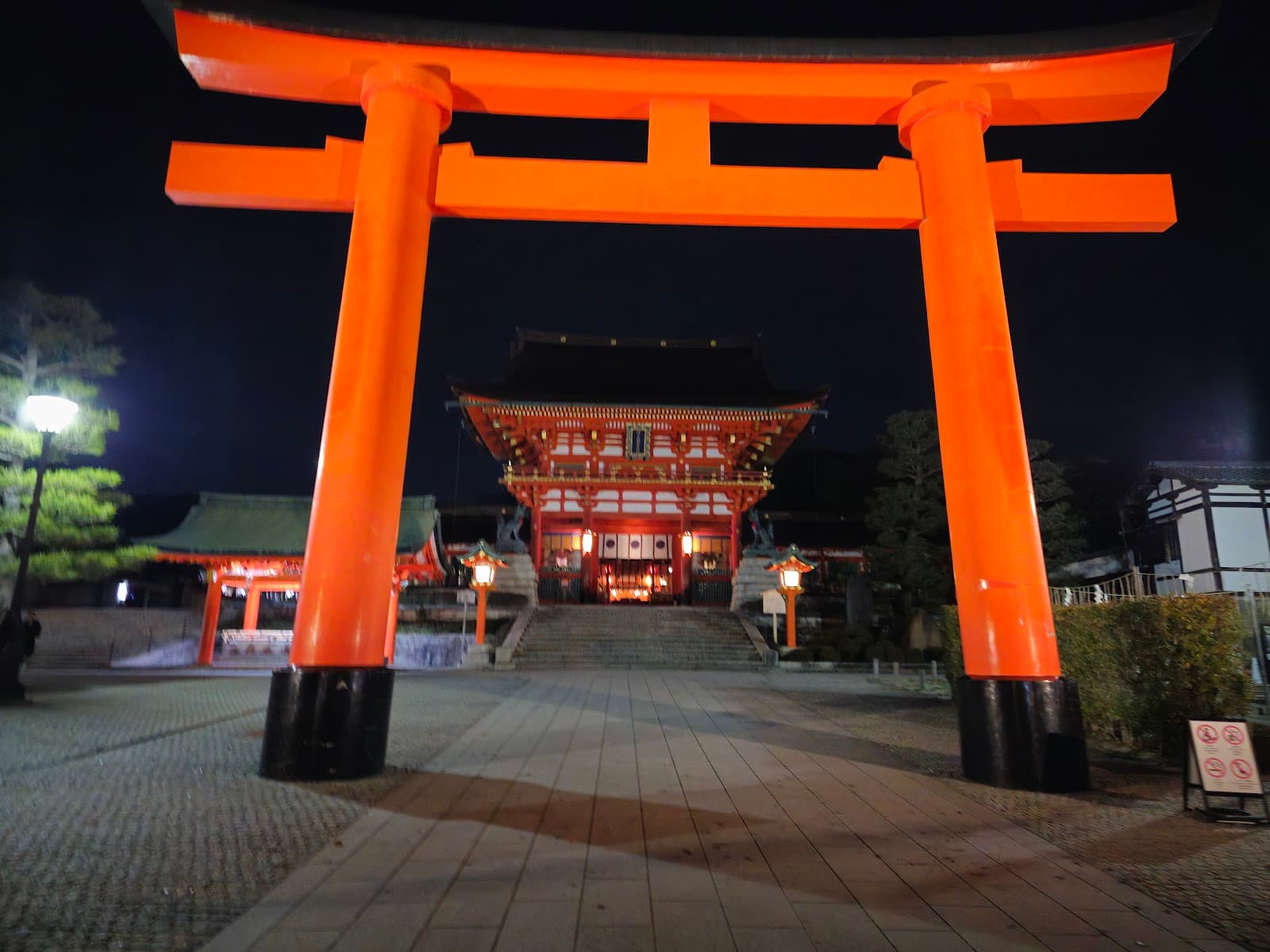
Temple and shrine visits: Fushimi Inari Taisha in Kyoto offers thousands of orange torii gates creating tunnels up the mountain. Children enjoy the adventure of climbing higher and spotting fox statues. Free entry, go early (7:00am) or late (4:00pm) to avoid crowds.
Kyoto
Fushimi Inari Taisha
Mountainside Shinto shrine dating from 711 A.D. featuring a path with hundreds of traditional gates.
Open in Maps ↗Animal cafes: Tokyo and Osaka host hedgehog, owl, reptile, and rabbit cafes. These differ from cat cafes by offering more interaction. Book in advance, verify age requirements (typically 6+), and budget ¥1,000-2,000 per person for 30-60 minutes. Ensure ethical operations before visiting - good cafes limit visitor numbers and give animals break periods.
Parks and playgrounds: Every neighbourhood has excellent public playgrounds with equipment rarely seen in Western countries. Yoyogi Park (Tokyo), Maruyama Park (Kyoto), and Osaka Castle Park offer space to decompress. Free entry, bring snacks.
Tokyo
Yoyogi Park
Large, public city park with lakes, fountains & forested areas with mature trees.
Open in Maps ↗Kyoto
Maruyama Park
Popular green space with an outdoor music hall, bronze statues & colorful, seasonal cherry blossoms.
Open in Maps ↗Practical Cultural Considerations
Shoes on/off: You'll remove shoes at temples, some restaurants, ryokan, and traditional venues. Choose footwear children can manage independently and bring socks without holes.
Onsen etiquette: Public baths require complete nudity and thorough washing before entering pools. Many onsen ban tattoos. Families can book private family baths (kashikiri-buro) at most onsen hotels for ¥2,000-5,000 per 45-minute session. Check hotel websites before booking.
Noise levels: Japanese children are taught to maintain quiet voices on trains and in public spaces. Your children don't need to be silent, but managing volume prevents uncomfortable situations. Bring headphones for devices rather than playing audio aloud.
Rubbish disposal: Streets have virtually no public bins, yet no litter. Carry a small bag for rubbish, dispose at convenience stores or your accommodation. Teaching children this responsibility becomes a useful lesson.
Managing the Unexpected
Children fall ill. Pharmacies (look for a green cross) stock basic supplies, but language barriers complicate explaining symptoms. The Japan National Tourism Organization operates a 24-hour visitor hotline (050-3816-2787) offering multilingual support including medical facility referrals.
Major cities have English-speaking clinics: Tokyo Medical & Surgical Clinic, Osaka Clinic, and Kyoto City Hospital's international desk. Most hotels can arrange appointments. Travel insurance covering medical treatment is essential - Japanese healthcare is excellent but expensive for visitors.
If children become overwhelmed or homesick, lean into familiar comforts. Find a playground, buy familiar snacks from an international supermarket (Costco, Kaldi), or stream familiar shows in your hotel. Japan's novelty is constant; sometimes normalcy helps.
Budgeting for Families
Daily costs for a family of four (two adults, two children) travelling comfortably:
- Accommodation: ¥15,000-25,000 (mid-range hotel or apartment)
- Food: ¥8,000-12,000 (three meals, snacks, drinks)
- Transport: ¥3,000-6,000 (local transport, some taxis)
- Activities: ¥5,000-10,000 (entry fees, experiences)
- Incidentals: ¥3,000-5,000 (souvenirs, treats)
Total: ¥34,000-58,000 (approximately £195-335 or $240-415) per day. A two-week trip costs £2,730-4,690 ($3,360-5,810) plus flights and JR Pass if chosen.
The 7-day JR Pass costs ¥29,650 for adults, ¥14,820 for children (6-11). If your itinerary includes Tokyo-Kyoto-Osaka-Tokyo or similar, the pass saves money and simplifies ticketing.
Final Practical Wisdom
Schedule buffer days between major destinations. Moving cities with children and luggage takes energy and time. A day in Kyoto where the only plan is "explore our neighbourhood" often becomes the most memorable.
Book accommodation near major stations. The convenience of dropping bags quickly and accessing transport easily outweighs any charm of quieter areas when travelling with children.
Lower your expectations of covering everything. Japan rewards depth over breadth. Spending two days truly exploring Kyoto's Gion district, eating various treats, and watching evening performances beats racing through ten temples, remembering none.
Japan's family-friendly infrastructure means you can relax more than in most destinations. The trains won't break down, the restaurants will have high chairs, and people will help if you look lost. Trust the systems, respect the culture, and enjoy watching your children discover a country that often loves them right back.