
 By Declan Barry
Coin Lockers in Japan: Where to Find Them and How to Use Them
Travelling through Japan with luggage can be liberating or exhausting, depending on whether you know about coin lockers. These ubiquitous storage facilities let you explore cities hands-free, turning a potentially awkward layover into a proper adventure. Whether you're hopping between cities or just need somewhere to stash your bags for a few hours, Japan's coin locker system is remarkably efficient once you understand how it works.
Why Coin Lockers Matter for Travellers
Japan's accommodation culture typically requires check-out by 10:00 or 11:00, but your train might not leave until evening. Many hotels store luggage for free, but if you're changing neighbourhoods or want to explore a city mid-journey, coin lockers become essential. They're also invaluable during day trips from your base, when carrying a daypack is fine but dragging a suitcase through Nara's deer park simply isn't.
Nara
Nara Park
Landscaped, public park with ancient temples & the Nara National Museum of art, plus tame deer.
Open in Maps ↗The locker network is extensive. Major stations like Tokyo, Shinjuku, Kyoto, and Osaka have hundreds of lockers across multiple floors and exits. Even smaller stations in cities like Takayama, Kanazawa, or Matsumoto offer at least a dozen. This infrastructure reflects Japan's efficient approach to travel - the system assumes you'll want flexibility and provides it.
Tokyo
Tokyo Tower
Reminiscent of the Eiffel Tower, this landmark features observation areas & other attractions.
Open in Maps ↗Osaka
Osaka Castle
Revered castle dating to 1597 & since rebuilt, featuring gardens & a museum with varied exhibits.
Open in Maps ↗Matsumoto
Matsumoto Castle
Known for its black walls, this grand, 16th-century castle features exhibits of historical weapons.
Open in Maps ↗Where to Find Coin Lockers
Train Stations
This is where you'll find 90% of the lockers you'll ever need. Every JR station of any size has coin lockers, usually located near ticket gates or along main concourses. The largest concentrations are at:
Tokyo Station: Lockers scatter across all floors, with major clusters near the Yaesu exits (both North and South) and throughout the Marunouchi side. The basement level near the Keiyo Line platforms holds particularly large locker banks. Digital maps near ticket gates show availability.
Shinjuku Station: This labyrinthine mega-station hides lockers everywhere. Check near the New South Exit, the East Exit underground passages, and along the JR platforms themselves. The Southern Terrace area typically has good availability because tourists don't always find it.
Kyoto Station: Most lockers concentrate on the ground floor near the central exit and along the Hachijo (south) side. The underground shopping area also houses several banks. During cherry blossom and autumn foliage seasons, lockers fill quickly by mid-morning.
Osaka Station: Look around the central concourse and near the Midosuji exits. The adjacent Lucua shopping complex also offers lockers, though these tend towards smaller sizes.
Shin-Osaka Station: As a shinkansen hub, this station offers numerous large lockers, especially on the third floor near the shinkansen gates. Many travellers forget about this station when planning their Osaka movements, but it's often less crowded than Osaka Station proper.
Smaller stations follow similar patterns. Lockers cluster near main exits, ticket offices, and along platform access routes. Station staff can point you towards locker areas, though they may not know which specific banks have availability.
Shopping Areas and Tourist Spots
Some shopping districts and tourist attractions provide lockers:
- Shibuya: Clusters around Shibuya Station exits and within the underground passages
- Harajuku: Near Takeshita Street's entrances and at Meiji-jingumae Station
- Asakusa: Around Sensoji Temple approaches and at Asakusa Station
- Dotonbori, Osaka: Several small banks along the main tourist stretch
- Fushimi Inari, Kyoto: Limited lockers at the station, often full during peak hours
These locations typically offer smaller lockers suitable for daypacks and shopping bags rather than full suitcases.
Airports
Narita and Haneda airports both maintain extensive locker facilities, though they're pricier than station lockers. These work well if you're spending a few hours in Tokyo between flights or need to store something overnight before an early departure. Narita's lockers are particularly useful given the airport's distance from central Tokyo - you can store luggage and take a final day trip rather than camping at the airport.
Locker Sizes and Costs
Coin lockers come in standardised sizes, though dimensions vary slightly by manufacturer and location.
Small lockers (roughly 35cm × 43cm × 57cm) cost ¥300-400 per day. These fit a daypack, handbag, or small shopping bags. If you're just carrying a jacket and want your hands free for shopping, small is sufficient.
Medium lockers (roughly 57cm × 43cm × 57cm) run ¥500-600 per day. A standard carry-on suitcase fits comfortably, as does a large backpack. This is the sweet spot for most travellers on day trips.
Large lockers (roughly 117cm × 43cm × 57cm) cost ¥700-800 per day. Full-sized suitcases, multiple bags, or bulky items like skiing equipment fit here. These disappear fastest at major stations during peak travel times.
Some stations offer extra-large sizes for oversized luggage, costing ¥900-1,000. These are rare and fill quickly.
The daily rate applies for 24 hours. If you exceed this period, you'll pay for another day when retrieving your items. Exceed three days, and your items may be removed and sent to the station office, requiring retrieval during office hours and potentially additional fees.
How to Use Coin Lockers: Step by Step
Traditional Coin Lockers
Older lockers operate mechanically:
- Find an empty locker: Doors either stand slightly ajar or display an empty marker (usually green)
- Place your items inside: Don't overstuff - the door needs to close and lock properly
- Insert coins: The lock mechanism shows the required amount, typically ¥300-800
- Close the door and turn the key: The key detaches when locked
- Keep the key safe: This is your only retrieval method - lose it and you'll face charges
Retrieving items is simple: insert the key, turn, and the door opens. Some lockers require a small additional fee if you've exceeded 24 hours.
IC Card Lockers
Newer electronic lockers accept Suica, PASMO, and other IC cards:
- Select an empty locker: The digital display shows available units with green numbers
- Place items inside and close the door
- Touch your IC card to the reader: The screen confirms the charge
- The system locks automatically: No key required
For retrieval, simply touch the same IC card to the reader. The system identifies your locker and unlocks it. If you've exceeded 24 hours, additional fees deduct automatically.
Cash Payment Lockers
Some modern lockers accept bills and coins:
- Choose your locker on the touch screen: Available units display in green
- Open the designated door and store items
- Return to the payment screen: Insert coins or bills
- Receive a receipt with a QR code or number: Store this digitally or keep it safe
Retrieval requires scanning the QR code or entering your number at the main terminal. Additional charges for extended time apply before the door opens.
Common Pitfalls and Solutions
All Lockers Full
This happens frequently in Kyoto during November and at Tokyo Station during Golden Week. Solutions:
- Check multiple locker banks throughout the station - one area might be full while another has space
- Try nearby stations on the same line
- Use luggage forwarding services (takuhaibin) to send bags to your next hotel
- Store bags at your current or next hotel - many accept luggage before check-in
Wrong Size Chosen
You realise your large backpack won't fit in the medium locker you've already paid for. Most IC card systems let you cancel within a few minutes and choose a different size. With mechanical locks, you're generally stuck. Choose your size carefully before committing.
Lost Key or Receipt
Station offices can help, but expect delays and fees (typically ¥1,000-3,000). Bring identification and your luggage tag or bag description. This process might take 30-60 minutes, so don't lose your key before catching a tight connection.
Items Removed
Exceed three days without retrieval and station staff move items to storage. You'll need to visit the station office during business hours (usually 10:00-18:00) with identification to reclaim your belongings. Expect storage fees of several thousand yen.
Incompatible IC Card
Your Suica works everywhere in Tokyo but some regional lockers only accept local cards. Always carry ¥1,000 in coins as backup. Convenience stores near stations happily break ¥1,000 notes if you buy something small.
Alternatives to Coin Lockers
Luggage Forwarding (Takuhaibin)
Companies like Yamato Transport and Sagawa Express ship luggage between hotels for ¥1,500-2,500 per bag. Drop off before 14:00 and items typically arrive the next day. This works brilliantly when moving between cities - send your main bag ahead and travel light with just a daypack.
Ecbo Cloak
This app-based service connects travellers with shops, cafes, and hotels willing to store luggage. Bags cost around ¥600-800 per day and you can book in advance, guaranteeing space during peak seasons. The network covers major tourist areas in Tokyo, Kyoto, Osaka, and other cities.
Hotel Luggage Storage
Most hotels store luggage free on check-out day. Some accept bags before check-in or even between hotel stays if you're friendly and the concierge has space. Business hotels are stricter than traditional ryokan or higher-end hotels about this.
Station Luggage Services
Major stations operate staffed luggage rooms charging similar rates to large lockers but guaranteeing space. These offices have set hours (typically 08:00-20:00) so plan accordingly.
Tips for Efficient Locker Use
Pack a small bag: Keep essentials in a daypack separate from your main luggage. Store the large bag and explore with just the small one.
Take photos: Photograph your locker's number and location. Station locker banks look identical and finding locker C-47 in a bank of 200 can be surprisingly difficult.
Set phone reminders: Forgetting about stored luggage happens, especially after a long day of sightseeing and a few beers. Set an alarm for your train time minus 30 minutes.
Morning advantage: Lockers at tourist hotspots like Kyoto Station fill by 10:00 during peak seasons. Arrive early or use alternative storage methods.
Geographic thinking: Storing bags at Ueno Station then exploring Shibuya means backtracking. Choose storage locations that align with your day's itinerary.
Weather protection: While lockers shelter items from rain, they're not climate controlled. Don't store chocolate in summer or assume frozen souvenirs will stay frozen.
Regional Variations
Tokyo and Osaka heavily favour IC card systems. Kyoto mixes older mechanical locks with modern systems. Rural areas and smaller cities predominantly use traditional coin-operated lockers. Always carry cash outside major metropolitan areas.
Some regions like Hokkaido offer extra-large lockers for ski equipment, particularly around resorts like Niseko. Okinawa's stations have fewer lockers overall but also face less competition from tourists.
Making Coin Lockers Part of Your Strategy
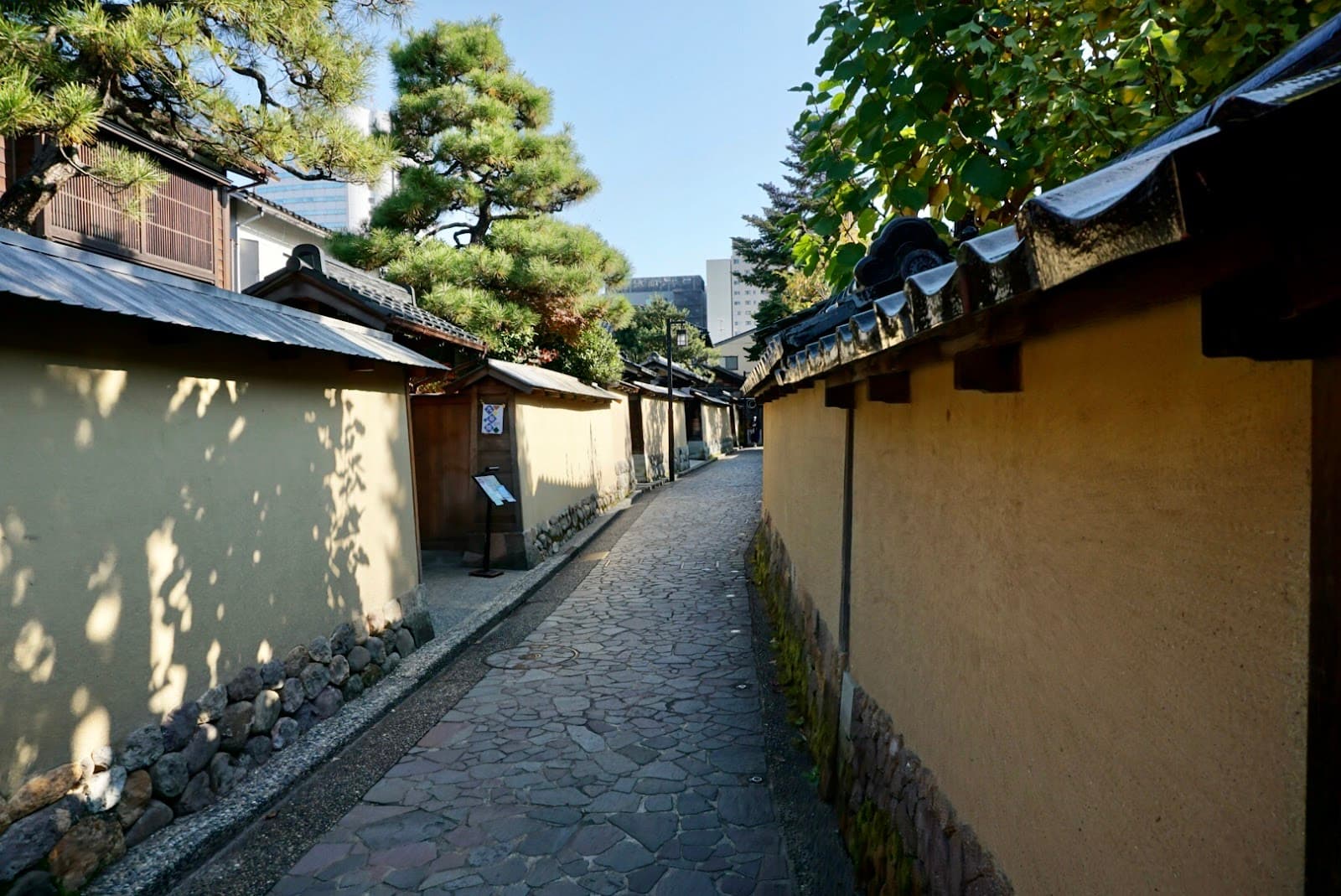
Intelligent locker use transforms travel days. Flying into Osaka at 09:00 with a Kyoto hotel booking for that evening? Store bags at Shin-Osaka Station and spend the day exploring Nara. Checking out of your Kanazawa hotel at 11:00 but not leaving for Tokyo until 18:00? Lockers let you visit the Nagamachi samurai district and 21st Century Museum unburdened.
Think of coin lockers as temporary base camps. They cost less than café sitting charges and provide far more freedom. That ¥600 medium locker transforms a tedious waiting period into productive exploration time.
The system works because it's simple, everywhere, and reliable. Once you've used lockers a few times, they become automatic. You'll start planning days around them, maximising your freedom to explore without dragging your life's possessions through crowded streets and temple grounds. That's the kind of travel efficiency Japan does better than anywhere else.