
 By Declan Barry
Should I Visit Japan in Spring, Summer, Autumn or Winter?
Japan transforms completely with each season, and there's genuinely no wrong time to visit - only different experiences. Your ideal season depends on what matters most to you: weather comfort, crowd levels, natural beauty, or cultural festivals. Here's what each season actually offers, with practical details to help you decide.
Spring (March to May): Cherry Blossoms and Pleasant Weather
Spring is Japan's most famous season, and for good reason. The cherry blossoms typically bloom from late March in Tokyo and Osaka, progressing northward through April to early May in Hokkaido.
Tokyo
Tokyo Tower
Reminiscent of the Eiffel Tower, this landmark features observation areas & other attractions.
Open in Maps ↗Osaka
Osaka Castle
Revered castle dating to 1597 & since rebuilt, featuring gardens & a museum with varied exhibits.
Open in Maps ↗What Spring Really Offers
Temperatures range from 10-20°C in March to 15-25°C by May - comfortable for walking all day without overheating. You'll want layers: a light jacket for mornings and evenings, but short sleeves by afternoon in Tokyo and Kyoto.
The cherry blossom season (sakura) creates pink canopies in parks, along rivers, and around temples. Ueno Park in Tokyo, Maruyama Park in Kyoto, and Osaka Castle grounds become outdoor celebrations where locals gather for hanami (flower viewing picnics). The blossoms last only 7-10 days at peak, so timing matters if this is your priority.
Tokyo
Sakura Shrine
Serene shrine with pink ribbons tied to trees as offerings & spring cherry blossom displays.
Open in Maps ↗Kyoto
Maruyama Park
Popular green space with an outdoor music hall, bronze statues & colorful, seasonal cherry blossoms.
Open in Maps ↗Beyond the famous parks, consider lesser-known spots that offer equally stunning displays with fewer crowds. Meguro River in Tokyo lines a 4km stretch with roughly 800 cherry trees, accessible via the Nakameguro Station (3 minutes from Shibuya on the Tokyu Toyoko Line, around ¥130). Philosopher's Path in Kyoto provides a quieter 2km walking route alongside a canal, reachable from Ginkaku-ji Temple (take bus 5 or 17 from Kyoto Station, around ¥230, roughly 40 minutes).
Kyoto
Ginkaku-ji
This 15th-century Zen temple features picturesque gardens & a sand mound shaped like Mount Fuji.
Open in Maps ↗Early spring brings plum blossoms (ume) in late February and March, which bloom before sakura. Kitano Tenmangu Shrine in Kyoto hosts roughly 1,500 plum trees, typically peaking early to mid-March. Admission to the plum grove costs around ¥1,000 during the peak viewing period, with tea ceremony experiences available in the garden.
Spring Practicalities
Crowds peak during Golden Week (late April to early May), when domestic tourism surges as several public holidays cluster together. Hotels in popular cities like Tokyo, Kyoto, and Hakone can triple in price during this week. Book accommodation 4-6 months ahead for cherry blossom season. If your dates land in Golden Week, consider staying in less popular bases like Osaka (for exploring Kyoto) or Yokohama (for Tokyo access) where availability may be better.
Rain is moderate but increasing through the season. Pack an umbrella - you'll probably use it. Late May brings warmer, muggier conditions as summer approaches. May also sees wisteria (fuji) blooming at venues like Ashikaga Flower Park (90 minutes from Tokyo via JR and Ryomo Line to Ashikaga Flower Park Station, around ¥1,800 one way). Admission costs vary with bloom status, typically around ¥900-1,800.
For photographers, early morning visits (around 06:00-07:00) offer the best light and thinnest crowds at popular spots. Most parks open at dawn and admission is typically free, though special gardens may charge entry fees of around ¥300-500.
Spring works brilliantly for first-time visitors who want comfortable weather and Instagram-worthy scenery. The season suits temple visits in Kyoto, hiking in the Japan Alps, and city exploration without winter cold or summer humidity. If you're planning hiking, note that many alpine trails remain closed until late April or early May due to snow, so verify access before committing to mountain itineraries.
Summer (June to August): Festivals, Mountains and Humidity
Summer in Japan means two things: incredible festivals and challenging humidity. This season divides into rainy season (tsuyu) in June and proper summer heat from July onwards.
The Reality of Japanese Summer
June brings consistent rain, particularly heavy in western Japan. Kyoto, Osaka, and Hiroshima see near-daily showers. Eastern regions like Tokyo get less rain but still experience grey, damp conditions. Temperatures sit around 20-25°C - warm but not hot. The upside to rainy season is fewer tourists and hydrangea (ajisai) blooming at temples across Japan. Meigetsu-in Temple in Kamakura (around 50 minutes from Tokyo Station via JR Yokosuka Line to Kita-Kamakura, roughly ¥920) becomes famous for blue hydrangeas framing its grounds, with admission typically around ¥500.
July and August turn genuinely hot. Tokyo, Osaka, and Kyoto regularly hit 32-35°C with 70-80% humidity. The combination creates sticky, draining conditions. Air conditioning is ubiquitous indoors, creating a constant cycle of sweaty-to-freezing-to-sweaty as you move between outside and buildings. Carry a small towel (locals do) for wiping sweat, and budget for constant beverage purchases from the vending machines that appear every 50 metres.
The upside? Summer festivals (matsuri) fill every weekend. Gion Matsuri in Kyoto throughout July features elaborate float parades (yamaboko) on 17 July and 24 July, with evening street festivals (yoiyama) on preceding nights. These evenings showcase traditional music, street food stalls, and thousands of locals in yukata. Access is free, though good viewing spots for the parade processions fill by mid-morning.
Tenjin Matsuri in Osaka (24-25 July) concludes with river processions and fireworks over the Okawa River. Sumida River Fireworks in Tokyo (late July, date varies) launches roughly 20,000 fireworks, visible from multiple stations along the Sumida River. Arrive by 17:00 for viewing spots - crowds exceed 900,000 people. Asakusa, Oshiage, and Ryogoku stations provide access via various lines.
Making Summer Work
Plan indoor activities during peak heat (11:00-16:00). Museums, department stores, and shopping arcades offer climate-controlled relief. Schedule temple visits and outdoor sightseeing for early morning (before 10:00) or evening (after 17:00). Many temples open around 06:00, allowing comfortable exploration before heat builds.
Mountain regions become appealing summer destinations. Hakone (90 minutes from Shinjuku Station via Odakyu Romance Car, around ¥2,330) offers lake cruises and mountain railways with temperatures roughly 5-8°C cooler than Tokyo. The Japan Alps around Takayama and Kamikochi provide genuine alpine coolness. Kamikochi, accessible only April to mid-November, requires a bus journey from Takayama (around 90 minutes, roughly ¥2,600) but delivers temperatures around 20-25°C even in August.
Hokkaido in summer offers the most comfortable conditions in Japan. Sapporo sees temperatures around 20-26°C with lower humidity. Furano's lavender fields peak in late July, accessible via JR from Sapporo (roughly 2 hours via limited express to Furano Station, around ¥4,500). Hiking trails in the Alps are only accessible June to September - this is your window for multi-day mountain hut experiences on routes like the Tateyama-Kurobe Alpine Route.
Beaches in Okinawa, Kamakura, and along the Japan Sea coast are genuinely busy with domestic tourists. Kamakura's beaches (Yuigahama, Zaimokuza) open for swimming typically from early July through August. They're accessible from Tokyo in around an hour via JR Yokosuka Line to Kamakura Station (around ¥920), then 10-15 minutes walking. If you enjoy beach culture and don't mind crowds, summer is your season.
Summer suits travellers prioritising festivals, mountain hiking, or those with school-age children who must travel during holidays. It doesn't suit anyone who wilts in heat or prefers comfortable walking weather. Budget for higher cooling costs (cold drinks, more frequent breaks in air-conditioned spaces) and potentially more indoor meal locations versus picnicking.
Autumn (September to November): Peak Season with Good Reason
Autumn rivals spring as Japan's best season, offering comfortable weather without the crowds that spring cherry blossoms attract (though November can get busy).
Autumn Advantages
September still carries summer heat and humidity, particularly in the first half. Typhoon season peaks in September, bringing occasional heavy rain and transport disruptions. If typhoons approach during your trip, trains and buses to mountain regions may suspend service with 24 hours' notice. Urban transport typically continues with potential delays. Travel insurance covering weather disruptions makes sense for September bookings.
By October, conditions improve dramatically: 15-23°C temperatures, lower humidity, and crisp, clear days perfect for outdoor exploration. October often delivers Japan's most reliable weather - dry, sunny, and comfortable for full-day walking itineraries. This is the month to schedule intensive sightseeing, hiking, or cycling routes.
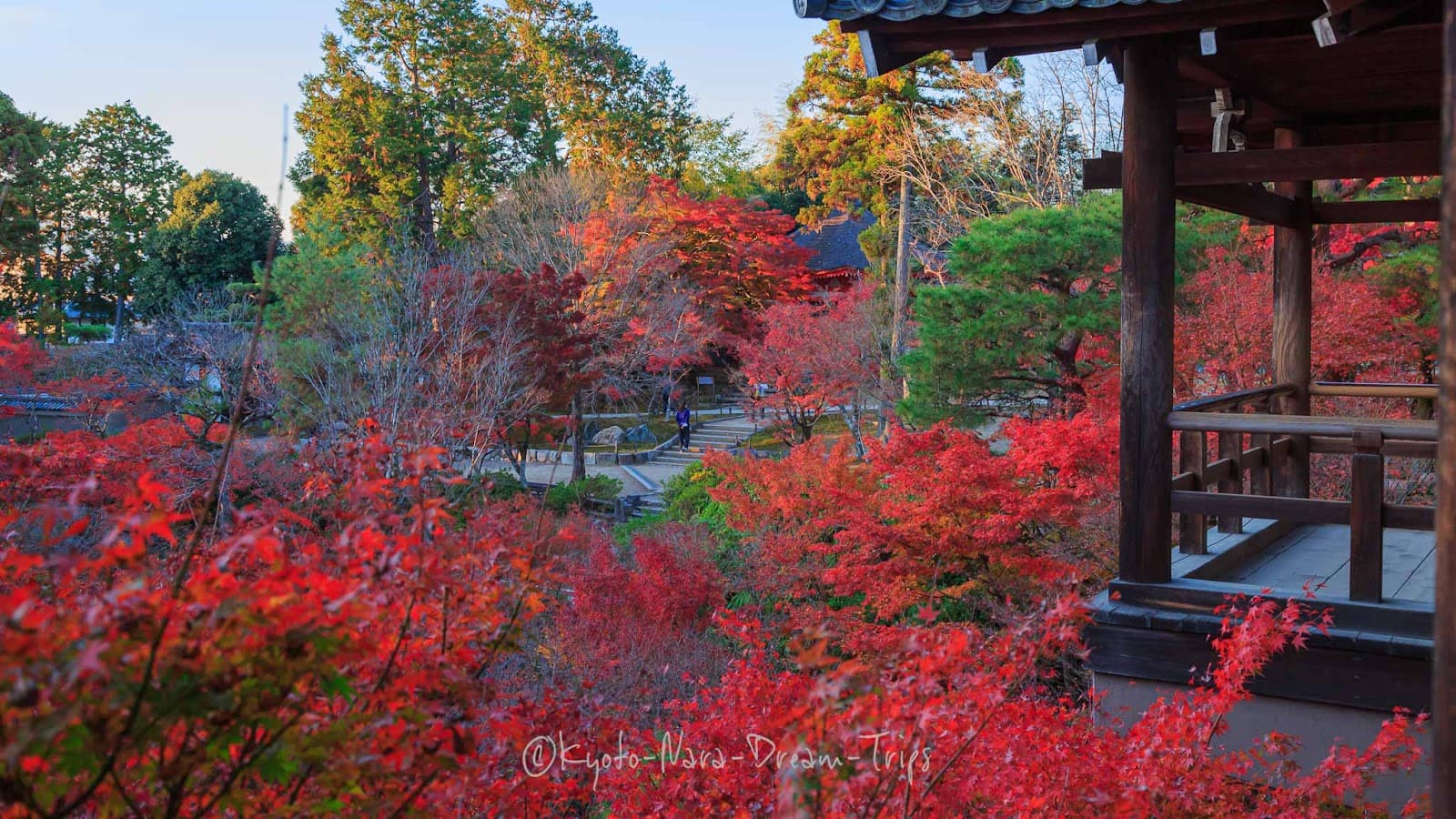
Autumn foliage (koyo) typically peaks in November, starting in Hokkaido in October and moving south through Kyoto and Tokyo by mid-to-late November. The colour change is less fleeting than cherry blossoms - leaves remain vivid for 2-3 weeks. Peak timing varies by elevation and latitude, and forecasts (koyo forecasts, similar to sakura forecasts) appear from early October.
Kyoto's temple gardens transform: Tofuku-ji Temple's maple corridor (Tsuten Bridge) frames a valley of maples in crimson and gold, with admission around ¥600 during peak foliage (free other seasons). Eikan-do Temple offers evening illuminations in November, typically 17:30-20:30 with admission around ¥1,000. Arashiyama's bamboo groves framed by red leaves create contrasts worth photographing, and the area remains accessible for free walking, though specific gardens like Tenryu-ji Temple charge around ¥500.
Kiyomizu-dera's hillside becomes covered in amber and crimson, with evening illuminations mid-November through early December (typically 18:00-21:00, admission around ¥400). The illuminations attract queues of 30-60 minutes on weekends, so arrive before 18:00 or after 20:00 for shorter waits.
The Japan Alps, particularly around Kamikochi, offer spectacular mountain koyo with hiking trails at their most photogenic. Kamikochi typically peaks early to mid-October at higher elevations, roughly three weeks before Kyoto. Day hikes like the route from Kappa Bridge to Myojin Pond (around 2 hours return, free access beyond the park entrance) showcase alpine foliage against mountain backdrops.
Autumn Practicalities
November weekends in Kyoto see significant crowds at famous temples, though nothing like Golden Week. Weekday visits remain pleasant. Book Kyoto accommodation 3-4 months ahead for November. Consider staying in less central areas like Yamashina (10 minutes from Kyoto Station on JR lines, around ¥200) or across the river in less touristy neighbourhoods where hotels cost 30-40% less.
Weather is reliably good. You'll need a light jacket or jumper by November, particularly in the mornings and evenings (temperatures can drop to 8-10°C), but days are warm enough for comfortable walking at 16-20°C. Rain is minimal compared to other seasons, though brief showers occur. Pack an umbrella but expect to use it less than in spring.
Autumn suits almost every traveller type: first-timers wanting good weather, photographers seeking dramatic scenery, and anyone planning extensive walking or outdoor activities. The season works particularly well for combining cities and mountain regions. If you're visiting gardens specifically for koyo, verify peak timing forecasts before booking, as viewing windows shift by 1-2 weeks depending on weather patterns that year.
Winter (December to February): Snow, Discounts and Festivals
Winter is Japan's underrated season. Fewer tourists, lower prices, and completely different landscapes make it ideal for certain experiences.
What Winter Actually Offers
Tokyo, Osaka, and Kyoto experience dry, sunny weather from December through February. Temperatures range from 2-12°C - cold but manageable with proper clothing. These cities rarely see snow beyond occasional dustings. The air is crisp and clear, offering excellent visibility for Mount Fuji views from Tokyo observation decks and Hakone viewpoints.
Northern and mountain regions transform entirely. Hokkaido and the Japan Alps receive heavy, powder snow from December through March. Niseko, Hakuba, and Nozawa Onsen become world-class ski destinations. The snow is genuinely exceptional - light, dry powder from Siberian air masses crossing the Sea of Japan. Niseko receives roughly 12-15 metres annually, with consistent powder dumps through January and February.
Access to ski resorts varies but typically involves multiple connections. Niseko from Sapporo requires around 3 hours via JR limited express to Kutchan then bus (roughly ¥4,800 total), or direct resort buses (around ¥5,500, roughly 3 hours). Hakuba from Tokyo takes around 4-5 hours via Shinkansen to Nagano then bus (roughly ¥10,000 total), though overnight buses from Shinjuku run cheaper at around ¥4,500-6,000. Lift tickets cost approximately ¥5,000-7,000 per day, with multi-day passes offering discounts.
Onsen (hot spring) experiences peak in winter. Soaking outdoors in 40°C water while snow falls around you is magical. Hakone offers numerous onsen options, including day-visit facilities (around ¥1,000-2,000) and ryokan with private baths. Takayama provides rustic onsen towns like Hirayu Onsen (30 minutes by bus from Takayama Station, around ¥620), where simple public baths cost around ¥500. Kinosaki Onsen, a preserved onsen town in Hyogo Prefecture (2.5 hours from Kyoto via limited express, around ¥4,500), allows visitors to bathe at multiple public onsen with a day pass (typically around ¥1,200).
Winter Practicalities
Accommodation costs drop significantly outside ski resorts. Tokyo and Kyoto hotels run 30-40% cheaper than spring or autumn. Crowds at major attractions are minimal - you can visit Fushimi Inari Shrine or Sensoji Temple without fighting through masses of tourists. Morning visits to popular spots often feel nearly private, a stark contrast to autumn weekends.
Winter illuminations (from late November through February) create stunning light displays in Tokyo, Osaka, and smaller cities. Roppongi Hills, Tokyo Midtown, and Shibuya Blue Cave host spectacular lighting installations, free to view from public spaces. Osaka's Namba Parks and Midosuji Boulevard offer similar displays. These evening spectaculars compensate for early sunsets (around 16:30 in December and January).
New Year (1-3 January) is Japan's most important holiday. Most businesses close, and domestic tourism surges for shrine visits (hatsumode). Museums, many restaurants, and shops shut down 31 December through 2-3 January. Train services run reduced schedules on 1 January. This period combines higher prices with reduced services. Either embrace it as a cultural experience (witnessing hatsumode at major shrines like Meiji Jingu or Fushimi Inari) or avoid it entirely. Shrines distribute amazake (sweet warm sake) and the atmosphere is festive, but expect crowds exceeding typical busy seasons.
Winter suits skiers and snowboarders obviously, but also budget travellers, hot spring enthusiasts, and anyone who prefers fewer crowds. The season works well for city-focused trips where you're moving between indoor attractions - museums, covered markets, shopping districts, and restaurants. It's less suitable if outdoor activities and temple gardens are your priorities, as gardens lose visual interest without foliage and many become bare earth and skeletal trees.
Regional Variations: Japan Is Not One Climate
Japan stretches roughly 3,000km from Hokkaido to Okinawa, creating significant climate differences worth understanding when planning.
Hokkaido's Distinct Seasons
Hokkaido experiences genuinely different timing than Honshu (main island). Summer arrives later and stays cooler, making July and August Hokkaido's peak tourist season for domestic visitors escaping southern heat. Autumn foliage peaks in October, roughly three weeks before Kyoto. Winter brings heavy snow from December through March, with February seeing the Sapporo Snow Festival (around 5-12 February annually) featuring massive ice sculptures in Odori Park. Spring cherry blossoms arrive late April to early May, weeks after Tokyo.
If you're combining Hokkaido with Tokyo or Kyoto, expect temperature differences of 5-10°C cooler in Hokkaido. Pack accordingly, particularly for shoulder seasons.
Okinawa's Subtropical Calendar
Okinawa operates on a subtropical schedule. Winter (December-February) sees temperatures around 15-20°C - cool by local standards but comfortable for visitors. Spring arrives earlier, with cherry blossoms in January (a different species than mainland sakura). Summer extends from May through October, with genuine beach season running May-September. Rainy season hits May-June, earlier than mainland Japan.
Typhoon season (July-October) affects Okinawa more severely than Honshu, with September being the peak month. Flights and ferries cancel with some frequency during typhoon passages. Autumn is mild and pleasant, making October-November ideal for Okinawa if you want beach weather without summer's intense heat and typhoon risk.
The Japan Alps and Mountain Timing
Mountain regions follow their own calendar dictated by elevation. The Tateyama-Kurobe Alpine Route opens mid-April with snow walls 10-20 metres high flanking the road - a unique spring sight. Most alpine hiking trails remain snow-covered until June, with the main hiking season running July-September. Mountain huts typically operate only during these months.
Autumn foliage at elevation peaks in October, well before cities. Winter closes mountain access entirely, with routes like the Alpine Route shutting from late November through mid-April. If mountains are part of your itinerary, verify access periods before booking flights, as you cannot simply visit mountain areas year-round.
Making Your Decision: Practical Factors
Budget Considerations
Cherry blossom season (late March to April) and autumn foliage (November) command premium prices. Flights and hotels increase 40-50% compared to low season. Golden Week (late April/early May) and New Year (late December to early January) see even higher prices, with some Tokyo hotels doubling rates.
Winter (January-February, excluding New Year) and rainy season (June) offer the best value. Summer (July-August) sits mid-range despite the challenging weather. Shoulder periods like late May, early June, and early December deliver reasonable prices whilst avoiding the worst weather. If budget is a primary concern, January-February and June offer the lowest overall costs for the Japan experience, though each brings trade-offs in weather or activities.
Crowd Tolerance
Spring cherry blossom season brings maximum crowds, followed by autumn foliage in November. Summer sees moderate crowds despite being school holiday season - the weather deters some international visitors. Winter offers the quietest experience at major attractions. If you find queues and packed trains stressful, avoid late March-April and November weekends. Weekday travel in less famous months (January, February, June) allows nearly private experiences at temples and shrines that typically heave with visitors.
Weather Priorities
If comfortable temperatures matter most: spring (April-May) and autumn (October-November) are ideal. If you don't mind humidity and heat: summer enables unique experiences like festivals and mountain hiking on routes closed other seasons. If cold doesn't bother you: winter offers brilliant clear days in cities and powder snow in mountains. If rain tolerance is low: avoid June and September, and favour winter months when Pacific coast regions see dry, stable conditions.
Activity Focus
Cherry blossoms and hanami culture: Spring (late March-April) Mountain hiking and beaches: Summer (July-August) Temple gardens and foliage: Autumn (October-November) Skiing and onsen: Winter (December-February) Festivals: Summer (July-August) has most matsuri, but festivals occur year-round - research specific events if this is your priority.
Booking and Planning Timeline
Once you've chosen your season, booking timelines affect both availability and price.
For spring cherry blossom season (late March-April) and autumn foliage (November): book flights 5-6 months ahead and accommodation 4-6 months ahead. Popular ryokan in Kyoto and Hakone sell out 6 months early for peak periods. JR Pass purchases can wait until 1-2 months before travel if you're buying through official channels, though delivery times vary by country.
For summer (July-August) and winter (December-February, excluding New Year): booking 3-4 months ahead secures good options without premium prices. These seasons see less advance booking pressure except for specific events like Gion Matsuri or Sapporo Snow Festival.
For shoulder and low seasons (May, June, September, January-February): booking 2-3 months ahead generally suffices, with last-minute deals sometimes available. This flexibility particularly applies to business hotels in major cities, which discount heavily when corporate travel is light.
Domestic transport reservations vary by type. Shinkansen seat reservations can be made 1 month before travel, but unreserved cars work fine except during peak seasons. Highway buses often sell out for popular routes (Tokyo-Kyoto, Tokyo-Takayama) during weekends in peak seasons - book these 2-4 weeks ahead. Local trains and subways never require reservations.
The Honest Answer
No single season suits everyone. Spring and autumn offer the most balanced experience - good weather, beautiful natural displays, and reasonable crowds if you avoid peak weeks. They're safe choices for first-time visitors who want reliably pleasant conditions and the classic Japan imagery of cherry blossoms or red maples framing temples.
But specialised interests might make other seasons better: summer for festival culture and mountain access, winter for snow sports and budget travel. Japan rewards repeat visits precisely because each season offers such different experiences. The winter onsen experience differs fundamentally from a summer matsuri, which differs from an autumn temple garden walk.
If you're flexible on dates, consider the shoulder periods: late May/early June or late November/early December. You'll catch elements of peak seasons (lingering greenery and early rainy season hydrangeas in June, or tail-end autumn colours and early winter illuminations in December) with fewer tourists and better prices. These periods suit photographers who want less crowded compositions and travellers who prefer a relaxed pace without navigating masses of tourists at every attraction.
The true answer? Visit during the season that matches your priorities, pack appropriately, and adjust your plans to work with the conditions. Japan captivates in every season - just in different ways. First-time visitors often choose spring or autumn for good reason, but if your interests lean toward skiing, festivals, or simply experiencing Japan without tourist crowds, the "off-peak" seasons deliver equally rewarding experiences at better value.
