
 By Declan Barry
Antiques in Japan: Kyoto vs Tokyo for Serious Finds
Japan's antique scene offers treasures spanning centuries - from Edo-period ceramics to Meiji-era lacquerware, Taisho glass to Showa retro curiosities. Whether you're a serious collector hunting museum-quality pieces or simply drawn to the patina of aged wood and the stories behind vintage textiles, understanding where and how to shop makes all the difference. Tokyo and Kyoto represent two distinct approaches to Japan's antique market, each with unique advantages for different collecting styles.
Tokyo
Tokyo Tower
Reminiscent of the Eiffel Tower, this landmark features observation areas & other attractions.
Open in Maps ↗Understanding Japan's Antique Categories
Before diving into locations, knowing what you're looking at helps enormously. Japanese antiques broadly fall into several categories, each with different price points and availability.
Tansu (traditional wooden chests) range from affordable merchant pieces around ¥30,000 to rare samurai chests exceeding ¥500,000. Look for original iron fittings, solid wood construction, and natural wear patterns. Modern reproductions flood tourist areas, but reputable dealers provide provenance documentation.
Ceramics and Porcelain span everyday Imari ware to precious tea ceremony pieces. Prices start around ¥5,000 for common bowls and climb into millions for signed works by recognized masters. Regional kilns - Bizen, Kutani, Arita - each have distinctive characteristics serious collectors learn to identify.
Textiles include kimono (vintage pieces from ¥8,000), obi sashes, futon covers, and indigo-dyed fabrics. Condition matters tremendously. Moths, sun damage, and improper storage destroy value quickly.
Mingei (folk craft movement items from the 1920s-1940s) have surged in international popularity. Expect ¥15,000-¥200,000 for authenticated pieces by movement artists.
Understanding these categories helps you navigate both cities' markets effectively.
Tokyo's Antique Landscape: Volume and Variety
Tokyo's sheer size creates a high-turnover market. Dealers constantly refresh inventory, and the city's wealth means quality pieces surface regularly. The trade-off? Higher prices and a faster-paced environment.
Oedo Antique Market at Tokyo International Forum
Held twice monthly (check dates - typically first and third Sunday), this outdoor market draws 250+ dealers to the plaza beneath Tokyo Station. Arrive at 9am opening for best selection. By 11am, serious dealers have picked through premium items.
You'll find everything from ¥500 vintage postcards to ¥300,000 tansu chests. The democratic layout means treasures hide among tourist trinkets. I've watched collectors unearth signed Mashiko pottery for ¥8,000 that would fetch triple in a Roppongi gallery.
Bring cash - many vendors don't accept cards. Bargaining is acceptable but gentle; start at 10-15% below asking price. English varies widely among dealers.
Getting there: Yurakucho Station (JR Yamanote Line) or Tokyo Station, Marunouchi South Exit. Free admission.
Omotesando and Aoyama Gallery District
Upscale galleries along Omotesando and side streets into Aoyama specialise in museum-quality pieces. Kurodaya on Kotto-dori stocks superb Edo-period ceramics (¥50,000-¥2,000,000). Nearby Morita Antiques features impeccable tansu and folk textiles.
Prices reflect curatorial expertise and authentication guarantees. Galleries provide detailed provenance, condition reports, and international shipping arrangements. For serious collectors building documented collections, this investment in expertise pays dividends.
Expect appointment-only or limited hours. Many galleries close Sundays and Mondays. Research specific shops beforehand and email to confirm availability.
Getting there: Omotesando Station (Ginza, Chiyoda, Hanzomon Lines). Walk towards Aoyama-dori and explore side streets.
Nippori Fabric Town and Surrounding Antiques
While Nippori Fabric Town (Nippori Seni Gai) specialises in new textiles, surrounding streets hide excellent vintage kimono dealers. Walk the backstreets between Nippori and Uguisudani stations for shops stocking thousands of vintage kimono from ¥3,000.
Look for shops with organised storage rather than chaotic piles - it indicates better preservation practices. Check for moth damage (tiny holes), fading (hold fabric to light), and odours (mothballs or mustiness suggest storage issues).
Several dealers will ship internationally. Kimono make excellent collector items or can be repurposed into home textiles by skilled tailors.
Getting there: Nippori Station (JR Yamanote Line). Exit south and explore the neighbourhood systematically.
Koenji and Nakano: Mid-Century and Retro
For Showa-era (1926-1989) antiques and vintage, Koenji's narrow shopping arcades contain dozens of specialist shops. Nakano Broadway, five minutes from Nakano Station, houses vintage toy dealers, retro electronics, and pop culture antiques spanning the 1950s-1990s.
Prices run lower than central Tokyo. Bargaining is more common. The vibe is relaxed, with dealers passionate about specific niches - one shop might specialise entirely in vintage cameras, another in 1970s glassware.
These areas reward browsing. Unlike formal antique districts, discoveries happen unexpectedly. I've found ¥2,000 vintage kokeshi dolls that would cost ¥8,000 in Aoyama galleries.
Getting there: Koenji Station (JR Chuo Line) or Nakano Station (JR Chuo Line).
Kyoto's Antique Scene: Depth and Tradition
Kyoto's antique market draws on 1,200 years as Japan's cultural capital. Dealers often inherit businesses spanning generations, with relationships to temples, tea schools, and old Kyoto families. When estates dissolve or temples deaccession items, they surface in Kyoto first.
Teramachi and Shinmonzen: The Traditional Heart
Teramachi Street, particularly between Oike-dori and Sanjo-dori, concentrates Kyoto's most established dealers. Shinmonzen Street near Gion specialises in tea ceremony utensils and high-end ceramics.
Shops here feel like museums. Dealers possess encyclopaedic knowledge, often speaking English well. They'll explain kiln marks, artist signatures, and historical context patiently. Prices are premium but justified by authentication and expertise.
Morita Antiques' Kyoto location (different from Tokyo) on Shinmonzen stocks extraordinary tea ceremony pieces. Nishihara on Teramachi specialises in Buddhist art and temple objects. These aren't casual browsing destinations - arrive with specific interests and questions.
Hours vary but typically 11am-6pm, closed Wednesdays or Thursdays. Some shops welcome walk-ins; others prefer appointments for serious buyers.
Getting there: Teramachi - Kyoto Shiyakusho-mae Station (Tozai Line). Shinmonzen - Gion-Shijo Station (Keihan Line), walk towards Hanamikoji.
Kobo-san and Tenjin-san Markets
Toji Temple's Kobo-san market (21st of each month) and Kitano Tenmangu's Tenjin-san market (25th of each month) are Kyoto institutions. These open-air markets draw 1,000+ vendors selling antiques alongside food, plants, and crafts.
Kyoto
Kitano Tenmangu Shrine
Shrine with 10th-century origins featuring annual festivals to mark natural & historical events.
Open in Maps ↗Arrive early - 6am to 8am - for best selection. Serious antique sections cluster near temple buildings. Expect everything from ¥1,000 vintage sake cups to ¥150,000 Buddhist statuary.
The atmosphere differs markedly from Tokyo markets. Vendors are often part-time dealers - farmers, temple staff, or families selling inherited items. Prices start lower, bargaining is expected, and discoveries feel more serendipitous. I've watched foreign collectors negotiate ¥35,000 tansu down to ¥22,000 through patient, respectful discussion.
Bring cash, comfortable shoes, and shopping bags. Markets run rain or shine. Winter mornings can be bitterly cold; summer brings intense heat and humidity.
Getting there: Kobo-san - Toji Station (Kintetsu Kyoto Line). Tenjin-san - Kitano-Hakubaicho Station (Keifuku Kitano Line) or bus 50/101 to Kitano Tenmangu-mae.
Higashiyama District Side Streets
Between Kiyomizu-dera and Gion, small antique shops line quiet residential streets. Unlike tourist-focused souvenir shops on main roads, these cater to local collectors and interior designers.
Kyoto
Kiyomizu-dera
Iconic Buddhist temple on Mount Otowa known for the scenic views afforded from its sizable veranda.
Open in Maps ↗Shops here specialise narrowly - one carries only mingei textiles, another focuses on Edo-period ironwork. Owners often work by appointment but will welcome respectful browsers during posted hours.
Prices reflect Kyoto's lower overheads compared to Tokyo. The same quality tansu might cost ¥80,000 in Kyoto versus ¥120,000 in Omotesando. For collectors shipping items internationally, savings offset transport costs.
Getting there: Kiyomizu-Gojo Station (Keihan Line) or Gion-Shijo Station, walk into residential areas east of Higashioji-dori.
Practical Comparison: Which City Suits You?
Choose Tokyo if:
- You want maximum variety and constant turnover
- You're shopping across multiple categories
- You value contemporary gallery presentation and authentication
- You have limited time (markets every weekend)
- You're interested in mid-century and Showa-era items
- You prefer English-language support and modern business practices
Choose Kyoto if:
- You're focusing on traditional arts and tea ceremony items
- You want deeper historical context and provenance
- You prefer a slower, more contemplative shopping experience
- You're seeking better value on comparable items
- You can time visits around monthly temple markets
- You appreciate buying from generational specialists
Essential Shopping Tips
Authentication matters. Request documentation for expensive items. Reputable dealers provide certificates, artist signatures, and provenance details. For ceramics over ¥100,000, consider hiring an independent appraiser (Tokyo and Kyoto both have English-speaking services).
Condition is everything. Japanese collectors prize original condition. Repairs, even professional ones, significantly impact value. Learn to spot restorations - ceramics show different glazes under UV light, wood repairs have mismatched grain patterns.
Shipping costs add up. International shipping for a medium tansu runs ¥60,000-¥100,000. Factor this into purchase decisions. Some dealers arrange consolidated shipping, reducing per-item costs for multiple purchases.
Bargaining etiquette varies. High-end galleries have firm prices. Street markets expect negotiation. Start by asking "Is this your best price?" ("Kore wa saitei kakaku desu ka?"). Never make offers you won't honour - backing out after agreement is deeply offensive.
Cash remains king. Many dealers, especially at markets, only accept cash. ATMs at 7-Eleven and post offices accept foreign cards reliably. Carry ¥50,000-¥100,000 for serious market shopping.
Fakes exist but are rare. Japan's antique trade maintains high ethical standards. Reproductions are labelled clearly. The bigger risk is overpaying for common items marketed as rare. Research typical prices beforehand.
Seasonal Considerations
June (tsuyu rainy season) and August humidity damage textiles. Dealers reduce textile inventory or store pieces protectively. November through March offers best selection as dealers prepare for spring buying season.
Temple markets proceed year-round but winter morning temperatures drop to freezing. Summer markets face afternoon thunderstorms. April and October offer ideal weather for extended browsing.
Building Your Knowledge
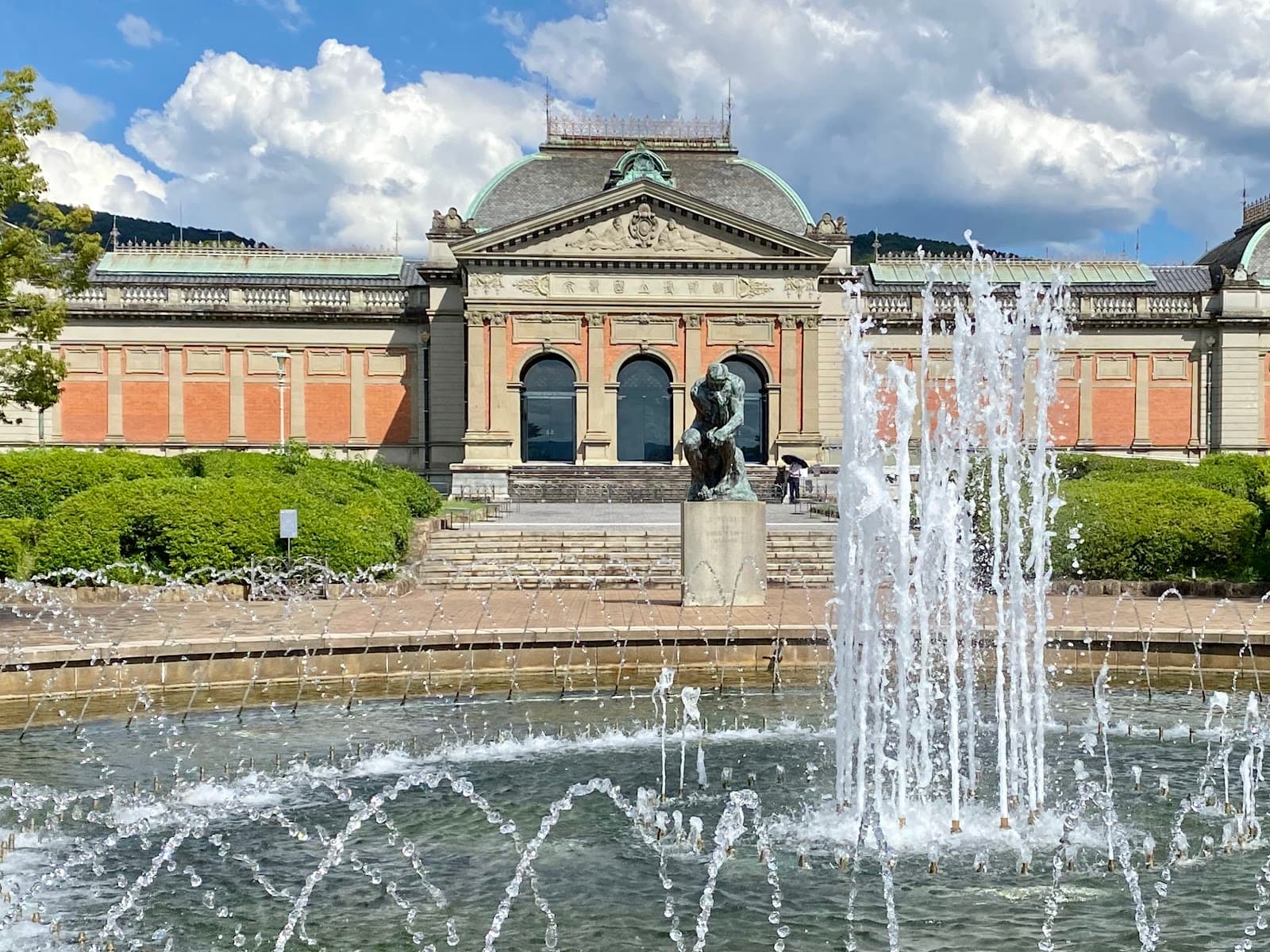
Serious collecting requires education. Tokyo National Museum and Kyoto National Museum both offer superb permanent collections contextualising Japanese decorative arts. Study these before shopping to understand quality markers, regional variations, and historical development.
Kyoto
Kyoto National Museum
Long-running museum with Japanese sculptures, paintings, calligraphy & metalwork, plus a cafe.
Open in Maps ↗The Japan Antique Dealers Association (JADA) maintains dealer registries and offers authentication services. Member dealers display certification prominently.
Making Your Choice
Both cities reward antique hunters, but your collecting style determines the better fit. Tokyo excels at breadth - multiple markets weekly, diverse categories, contemporary presentation. Kyoto offers depth - generational expertise, traditional arts emphasis, temple connections yielding exceptional pieces.
Many serious collectors combine both. Start in Tokyo's weekend markets to understand pricing and availability. Then visit Kyoto dealers armed with specific wants. The combination provides market context plus access to Kyoto's unique inventory.
Ultimately, the best Japanese antiques don't just decorate spaces - they connect you to centuries of craftsmanship, artistic movements, and daily life across eras. Whether you're drawn to the refined elegance of tea ceremony ceramics or the robust utility of merchant-class furniture, both cities offer pathways to pieces that will appreciate in value while enriching your understanding of Japanese culture.
The hunt itself becomes part of the story - early morning market arrivals, conversations with fourth-generation dealers, the weight of a two-hundred-year-old chest as shop staff wrap it carefully. These experiences layer meaning onto objects already rich with history. That's the real treasure Japan's antique scene offers serious collectors.