
 By Declan Barry
Yanesen (Yanaka, Nezu, Sendagi): Tokyo's Living Museum of Old Edo
Whilst Tokyo races towards the future with skyscrapers and digital billboards, three connected neighbourhoods in the city's northeast quietly preserve the atmosphere of old Edo. Yanesen - a portmanteau combining Yanaka, Nezu, and Sendagi - survived both the 1923 Great Kanto Earthquake and the WWII firebombing that destroyed much of Tokyo. What remains is a walker's paradise of narrow lanes, wooden houses, traditional shops, and over 70 Buddhist temples.
Tokyo
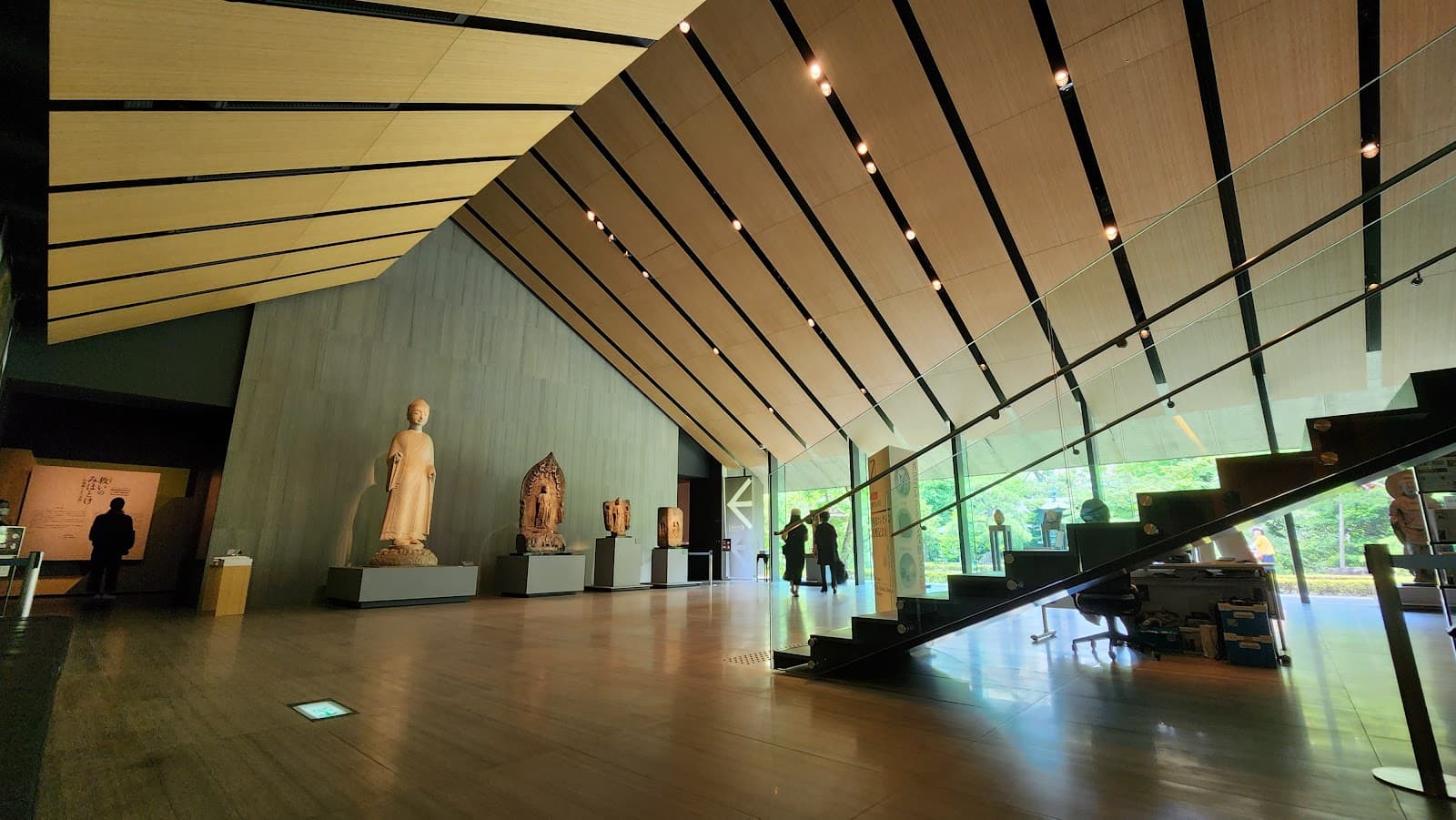
Nezu Museum
Japanese & East Asian art museum with pre-modern pieces in various media, plus a cafe & gift shop.
Open in Maps ↗Tokyo
Tokyo Tower
Reminiscent of the Eiffel Tower, this landmark features observation areas & other attractions.
Open in Maps ↗This isn't a preserved museum district. Yanesen is a living neighbourhood where residents hang laundry, tend gardens, and run family businesses that have operated for generations. You'll share the streets with locals buying vegetables, schoolchildren in uniform, and cats lounging in temple courtyards. It's the Tokyo that existed before neon and concrete became the dominant aesthetic.
Why Visit Yanesen
Yanesen offers something increasingly rare in major cities: the chance to wander without a rigid plan. Unlike Tokyo's major tourist districts where you rush between marked attractions, Yanesen rewards aimless exploration. The pleasure lies in discovering a tiny shrine squeezed between houses, watching a craftsperson repair Buddhist prayer beads through a shop window, or finding a 90-year-old café serving thick, bitter coffee in delicate china cups.
The area works particularly well as a half-day or full-day walk, especially if you enjoy:
- Traditional Japanese architecture and streetscapes
- Small, independent shops and cafés
- Temple and shrine visiting without crowds
- Photography (the light through wooden lattices is magnificent)
- Cat spotting (Yanaka is famous for its feline residents)
Getting to Yanesen
Yanesen covers roughly two square kilometres, making it perfectly sized for exploration on foot. Multiple stations provide access:
Nippori Station (JR Yamanote Line, JR Keihin-Tohoku Line, Keisei Main Line) serves as the most common starting point. From here, Yanaka Ginza shopping street is a five-minute walk. If you're travelling from Shinjuku or Shibuya, take the JR Yamanote Line directly to Nippori (20-25 minutes, ¥200).
Nezu Station (Tokyo Metro Chiyoda Line) provides access to the southern portion of Yanesen, convenient for starting near Nezu Shrine. From Tokyo Station, take the Marunouchi Line to Otemachi, transfer to the Chiyoda Line, and continue to Nezu (15 minutes total, ¥170).
Sendagi Station (Tokyo Metro Chiyoda Line) sits between Nezu and Nippori, offering another entry point. The walk from Sendagi to Yanaka Ginza takes about eight minutes.
All three stations have coin lockers for bags, though spaces can fill quickly on weekends. If lockers are full, use the storage services at Nippori Station, which has larger capacity.
Yanaka: The Temple District
Yanaka holds the densest concentration of temples - over 60 in less than one square kilometre. During the Edo period, this area served as a cemetery and temple district for the city, which explains the high concentration of Buddhist temples today.
Yanaka Cemetery
Start at Yanaka Cemetery, accessible immediately from Nippori Station's west exit. This isn't a sombre, silent graveyard but rather a public park where residents walk dogs, children play, and cherry trees create one of Tokyo's finest hanami spots each spring. The cemetery contains over 7,000 graves, including those of the last Tokugawa shogun, various samurai, and the painter Yokoyama Taikan.
The main pathway through the cemetery measures about 600 metres and feels like walking through a peaceful forest, despite being in central Tokyo. In early April, the cherry blossom tunnel along this path draws photographers from across the city, though it remains surprisingly manageable compared to spots like Ueno Park.
Tennoji Temple
Just south of the cemetery, Tennoji Temple dates to 1274, making it one of Tokyo's oldest. The bronze Buddha statue in the courtyard, cast in 1690, sits in the open air where weather has given it a dark green patina. The temple grounds are free to enter, and you can usually find elderly residents sitting on benches, feeding the temple's cats.
The temple hosts a lively antique market twice monthly (first and third Sunday), where dealers spread blankets with old kimono, ceramics, postcards, and occasionally genuine Edo-period items. Arrive early (by 8:00 AM) for the best selection. Bargaining is acceptable and expected.
Yanaka Ginza
This 170-metre shopping street represents everything charming about old Tokyo commercial districts. Around 60 shops line the street, selling fresh fish, hand-made rice crackers, traditional sweets, vegetables, clothing, and household goods. It's a functioning shopping street for locals first, tourist attraction second.
The iconic viewpoint sits at the top of Yuyake Dandan ("Sunset Steps"), a stairway leading down to the street. From here, especially in late afternoon, you can photograph the entire length of Yanaka Ginza with Mount Fuji occasionally visible in the distance on clear winter days.
Essential stops:
Yanaka Shippoya (谷中しっぽや) sells cat-themed goods - towels, bags, postcards, small ornaments. Everything features realistic cat illustrations rather than cute cartoon versions.
Niku no Suzuki (肉のサトー) prepares menchi-katsu (breaded, fried minced meat patties) that locals queue for. They're ¥220 each, served hot in paper, perfect street food whilst walking. The shop has operated since 1950.
Asakura Senbei hand-grills rice crackers over charcoal. Watch through the window as the craftsperson brushes soy sauce onto crackers, then flips them at exactly the right moment. A bag of assorted crackers costs ¥500.
The street gets crowded on weekend afternoons (2:00-4:00 PM). Visit on weekday mornings for a quieter experience where you can chat with shopkeepers.
Nezu: Shrines and Slopes
Nezu Shrine
This shrine ranks among Tokyo's finest, yet receives a fraction of Meiji Shrine's crowds. The current buildings date to 1706, constructed by the fifth Tokugawa shogun, and retain their original architecture - a rarity in Tokyo. The shrine's vermillion-painted structures, especially the azalea garden pathway lined with dozens of torii gates, create stunning photographs.
The azalea festival (late April to early May) transforms the grounds with 3,000 azalea bushes in pink, white, purple, and red. Entry to the festival garden costs ¥500 during bloom season (free the rest of the year). Outside festival season, you'll often have the shrine largely to yourself, particularly on weekday mornings.
The shrine's miniature torii gate tunnel predates Kyoto's more famous Fushimi Inari version and makes for excellent photos without the crowds. Enter through the main gate, then follow the path to the right towards the azalea garden.
Practical details:
- Opens: Dawn to dusk (approximately 6:00 AM to 5:00 PM)
- Admission: Free (except azalea garden during festival)
- From Nezu Station: 5-minute walk via Exit 1
Traditional Architecture
The streets surrounding Nezu Shrine contain Tokyo's highest concentration of surviving traditional wooden buildings. Many date to the Taisho period (1912-1926) and remain private homes, so observe respectfully and avoid peering into windows.
Shitamachi Kazoku (下町かざくり), a preserved traditional house now operating as a small gallery and shop, occasionally opens for viewing (weekends only, free admission). The interior shows typical merchant-class housing from the early 20th century.
Walk slowly through the residential streets between Nezu Shrine and Sendagi Station. Notice architectural details: wooden lattices (koshi), small gardens visible through gates, ceramic roof tiles, traditional shop signs. Many houses have small shrines (kamidana) visible through windows or hung outside.
Sendagi: The Quiet Corner
Sendagi sees fewer tourists than Yanaka or Nezu, giving it an even more residential atmosphere. The neighbourhood specialises in traditional crafts and nostalgic cafés.
Traditional Craft Shops
Isetatsu (since 1864) produces chiyogami - decorative paper with woodblock-printed patterns. The shop occupies a beautiful three-storey wooden building where you can watch craftspeople applying patterns. Small sheets start at ¥150, larger sheets suitable for wrapping gifts cost ¥800-¥1,500. The patterns range from traditional Edo designs to modern interpretations.
Nishimuraya sells Buddhist prayer beads (juzu) and has served temples and individual practitioners since the Edo period. Unless you need prayer beads, this functions more as a fascinating window-shopping experience. The variety of stones, wood, and construction methods demonstrates specialist craft knowledge rarely visible to tourists.
Café Culture
Yanesen hosts numerous kissaten - traditional Japanese coffee shops that emerged in the early-to-mid 20th century. These differ markedly from modern cafés: thicker coffee, classical music, careful service, often elderly clientele.
Kayaba Coffee occupies a 1916 building near Nezu Shrine. The morning set (morning service) offers thick toast, hard-boiled egg, and coffee for ¥650. Afternoons bring egg sandwiches on crustless white bread, a Japanese café classic. The wooden interior, period advertisements, and vintage coffee cups create an atmosphere of studied nostalgia.
Hagi Café hides in a converted traditional house with a garden courtyard. Order coffee or tea, then choose from the daily selection of homemade cakes. The cafe serves Japanese sweets alongside Western cakes, so you might find matcha roll cake beside apple tart.
Both cafés fill quickly on weekends (queues from 11:00 AM onwards). Weekday mid-mornings (9:30-11:00 AM) offer the best chance of immediate seating.
Suggested Walking Routes
Half-Day Route (3-4 hours)
- Start at Nippori Station
- Walk through Yanaka Cemetery (20 minutes)
- Visit Tennoji Temple (15 minutes)
- Explore Yanaka Ginza, stop for menchi-katsu (45 minutes)
- Walk to Nezu Shrine via residential streets (20 minutes)
- Visit Nezu Shrine (30 minutes)
- End at Nezu Station or continue to lunch spot
Full-Day Route (6-7 hours)
- Start at Nezu Station
- Visit Nezu Shrine early (30 minutes)
- Morning coffee at Kayaba Coffee (45 minutes)
- Explore craft shops in Sendagi area (1 hour)
- Lunch in Yanaka (1 hour)
- Yanaka Ginza shopping (45 minutes)
- Tennoji Temple and cemetery (30 minutes)
- Browse smaller temples and streets (1.5 hours)
- End at Nippori Station
Both routes assume a relaxed pace with stops for photos. Yanesen particularly rewards slow walking rather than destination-hopping.
Practical Information
When to Visit: Yanesen works year-round, but spring (late March to early May) offers cherry blossoms followed by azaleas. Autumn (October to November) brings comfortable temperatures and occasional fall colour, though Tokyo's autumn foliage is less dramatic than Kyoto. Summer (June to August) means heat and humidity but also fewer tourists.
What to Bring: Comfortable walking shoes (essential - you'll cover 5-8 kilometres on uneven surfaces), camera, cash (many small shops don't accept cards), empty bag for purchases.
Toilets: Available at all stations, Yanaka Cemetery, Nezu Shrine, and various convenience stores throughout the area.
Eating: Lunch options range from standing sushi bars (¥1,000 for a filling meal) to traditional restaurants (¥1,500-¥3,000). Many shops close between lunch and dinner (2:00-5:00 PM), so eat by 1:30 PM or wait until after 5:00 PM. Alternatively, stock up on street food from Yanaka Ginza.
Shopping Hours: Most shops open 10:00 AM to 6:00 PM. Many close Mondays or Tuesdays. Yanaka Ginza shops often close by 5:00 PM, earlier if items sell out.
What Makes Yanesen Special
Tokyo moves fast. Buildings are demolished and rebuilt constantly; neighbourhoods transform within years. Yanesen endures because it survived the disasters that levelled other areas, yes, but more importantly because residents actively maintain its character. Shopkeepers choose to continue traditional businesses rather than sell to developers. Homeowners repair old wooden houses rather than replacing them with modern structures.
This isn't Disneyland's sanitised version of "old Tokyo". You'll see cracks in plaster, weeds in temple courtyards, fading paint on shop signs. You'll also see evidence of living tradition: fresh flowers at shrines, smoke from incense, shopkeepers hand-making products using techniques passed through generations.
Visit Yanesen to understand what Tokyo was, and what parts of it still are for those who know where to look. Bring comfortable shoes, leave your schedule flexible, and let the neighbourhood reveal itself slowly. The best discoveries here aren't marked on maps.