
 By Declan Barry
Ueno: Tokyo's Cultural Heart - Museums, Park and Markets
Ueno feels different from the rest of Tokyo. Where Shibuya pulses with neon and Ginza gleams with luxury, Ueno hums with an older, more grounded rhythm. Students sketch cherry blossoms in the park, pensioners feed pigeons by the pond, and market vendors shout over stalls piled with dried fish and vintage jeans. This is Tokyo's cultural district, where art, nature and everyday life blend seamlessly together.
Tokyo
Tokyo Tower
Reminiscent of the Eiffel Tower, this landmark features observation areas & other attractions.
Open in Maps ↗I've spent countless afternoons wandering Ueno, and each visit reveals something new. The neighbourhood rewards curious travellers who take their time - those willing to duck into a backstreet izakaya after museum visits, or pause to watch street musicians perform beneath the park's plane trees.
Getting to Ueno
Ueno Station sits on the JR Yamanote Line, making it exceptionally easy to reach from anywhere in central Tokyo. The station also connects to the Ginza and Hibiya subway lines. From Tokyo Station, it's just 7 minutes on the Yamanote Line. From Shinjuku, expect 25 minutes on the same line.
Tokyo
Hibiya Park
Western-style city park featuring flower beds, outdoor music venues & public halls.
Open in Maps ↗The station itself sprawls across multiple levels and exits. For the park, use the Park Exit (Koen-guchi) on the west side. For Ameyoko Market, take the Shinobazu Exit on the east. Station signs are clear in English, but the sheer size can disorient first-time visitors - give yourself an extra 10 minutes if you're unfamiliar with the layout.
Ueno Park: Tokyo's Green Cultural Hub
Ueno Park (Ueno Koen) covers 133 acres and contains more museums per square metre than perhaps anywhere else in Japan. But it's also simply a lovely park where Tokyoites come to relax, especially during cherry blossom season when over 1,000 trees bloom simultaneously.
The park dates to 1873, making it one of Japan's oldest public parks. It was created on the grounds of Kan'ei-ji temple, which once sprawled across this entire area. Walking through today, you'll still encounter temple buildings tucked between museums - fragments of that older landscape.
Enter through the main gate near Ueno Station and you're immediately struck by the openness. Wide paths lead in multiple directions. My advice: don't rush. Pick two or three destinations rather than attempting everything in one visit.
Shinobazu Pond
The large pond at the park's southern end divides into three sections: a lotus pond (spectacular in July and August), a boat pond where you can rent swan boats for ¥700 per 30 minutes, and a wild bird sanctuary. The lotus pond particularly captivates - when the flowers bloom, they create a sea of pink and white extending to the horizon.
Bentendo Temple sits on an island in the middle, accessible by a stone causeway. Dedicated to Benzaiten, goddess of music and entertainment, it's a functioning temple where you'll see locals praying alongside tourists photographing the architecture. The hexagonal hall, rebuilt after World War II, features ornate details worth examining up close.
The Museum Quarter
Ueno Park contains eight major museums and cultural institutions. I'll focus on the three most essential for first-time visitors.
Tokyo National Museum sits at the park's northern edge and houses Japan's largest collection of art and antiquities. The main Honkan (Japanese Gallery) building alone contains 24 rooms spanning ancient ceramics to samurai armour to Buddhist sculptures. The collection rotates seasonally - you might see Heian period scrolls in spring, then Edo period ukiyo-e prints in autumn.
Admission costs ¥1,000 for adults. Plan for at least two hours, though you could easily spend an entire day. The museum offers English audio guides for ¥350, which I highly recommend - they provide context that transforms objects from pretty things into meaningful historical narratives.
Highlights include the samurai armour collection (third floor), the museum's extensive Buddhist sculpture gallery, and whatever special exhibition is running. The museum café serves decent lunch sets (¥1,200-1,800) with views over the museum garden.
National Museum of Western Art, designed by Le Corbusier, focuses on European art from the 14th to early 20th centuries. The permanent collection features works by Monet, Renoir, Van Gogh and Pollock. It's a smaller museum - 90 minutes covers the highlights comfortably.
Admission is ¥500, making it exceptional value. The building itself, a UNESCO World Heritage site since 2016, deserves attention. Le Corbusier's signature piloti (support columns) and geometric forms create an elegant modernist space. The spiral ramp at the centre lets you ascend through the collection chronologically.
National Museum of Nature and Science appeals particularly to families and anyone interested in natural history. The Japan Gallery explores the Japanese archipelago's unique ecology and geological formation. The Global Gallery covers evolution, dinosaurs and space exploration.
Admission costs ¥630. The museum sprawls across two buildings with dozens of rooms - you could easily spend three hours here. Don't miss the life-sized blue whale model suspended in the atrium, or the extensive collection of taxidermied Japanese wildlife.
Ueno Toshogu Shrine
This ornate shrine, dedicated to Tokugawa Ieyasu (founder of the Tokugawa shogunate), survived both the 1923 earthquake and World War II bombings intact. The main hall, covered in gold leaf and intricate carvings, exemplifies the opulent style of early Edo period shrine architecture.
Admission to the shrine grounds is free, though entering the main hall costs ¥500. The peony garden (separate ¥700 admission) blooms spectacularly in April and May, then again with different varieties in January.
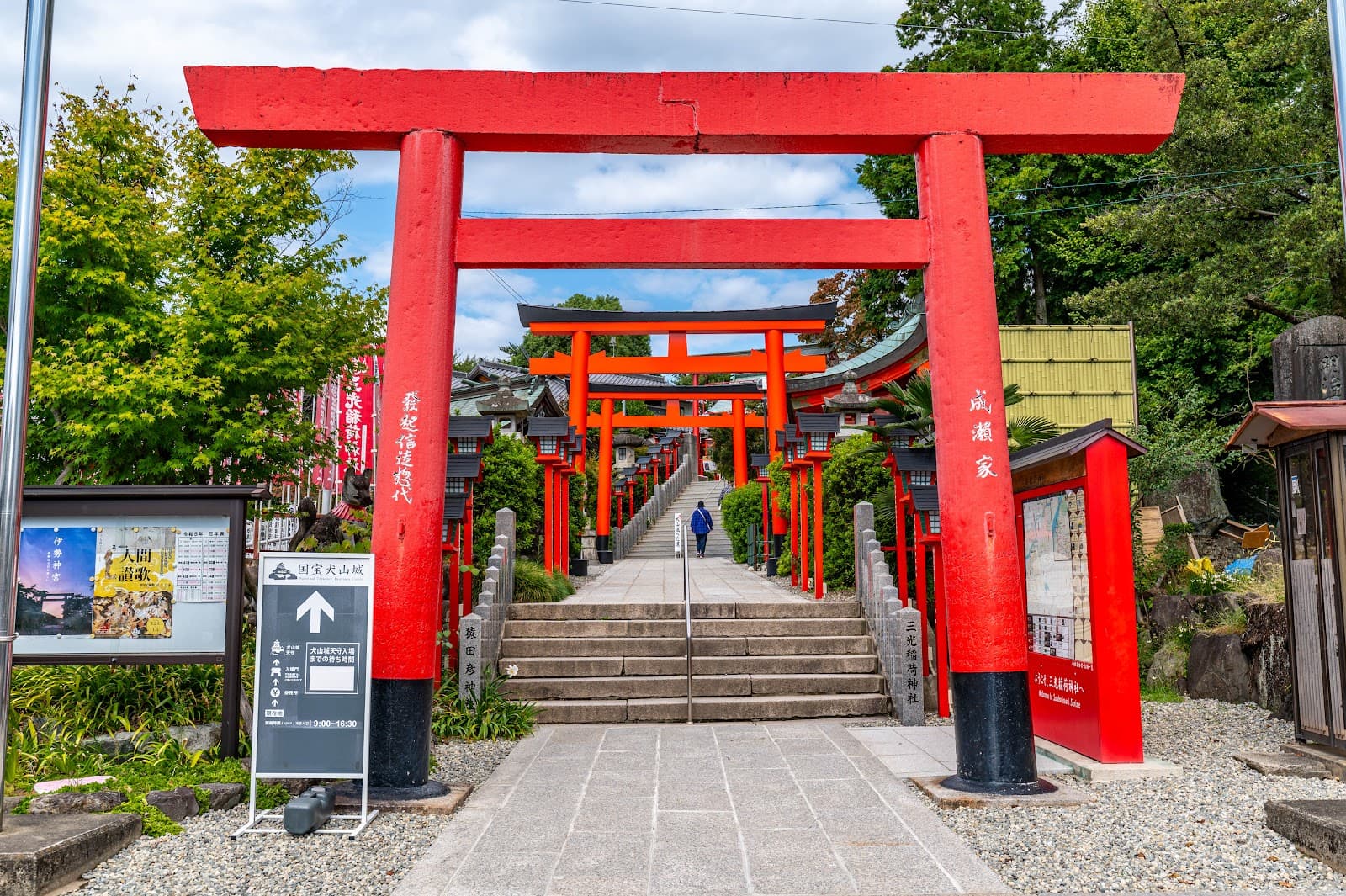
The 200-metre stone lantern-lined approach to the shrine provides one of Ueno's most atmospheric walks. Visit early morning - around 8am - to see the grounds in quiet light before tour groups arrive.
Ameyoko Market: Shopping and Street Food
Step out of Ueno Station's Shinobazu Exit and you're immediately in Ameyoko (officially Ameya-Yokocho). This half-kilometre shopping street runs beneath the elevated train tracks from Ueno to Okachimachi Station. The market evolved from post-war black market stalls selling American goods and sweets (ame means candy), though today it's entirely legitimate.
The energy is palpable. Vendors shout prices, shoppers jostle through narrow passages, and the smell of grilled seafood mingles with incense from Buddhist goods shops. It's chaotic, loud and utterly absorbing.
What to Buy
Ameyoko sells everything: dried seafood, fresh fish, cosmetics, vintage clothing, military surplus gear, sneakers, bags, Buddhist altar supplies, Korean ingredients, Chinese tea, and more. Prices are generally lower than department stores, and haggling is acceptable at many stalls (though not expected).
The dried seafood shops fascinate even non-shoppers. Enormous dried squid hang like kites. Bags of small dried fish sit in baskets. Mushrooms of every variety fill bins. If you're flying home, these make excellent gifts - they're lightweight, non-perishable, and distinctly Japanese.
For cosmetics and toiletries, OS Drug near the Okachimachi end offers competitive prices on Japanese beauty products. The shop is smaller and more crowded than typical drugstores, but stocks hard-to-find items.
Vintage clothing shops dot the market's northern section. Quality varies, but patient browsers find genuine bargains - vintage Levi's, leather jackets, military surplus. American Brand near the centre has particularly good curation.
Where to Eat
Ameyoko excels at quick, casual eating. During lunch hours, workers perch on stools at standing bars, downing bowls of ramen or rice topped with grilled meat.
Mikiya serves kaisen-don (rice bowls topped with raw fish) for ¥1,000-2,000. The fish comes from Tsukiji Market daily. The shop opens at 11am and often sells out by 2pm. There's no English menu, but point at what looks good in the display case.
Daitoryo specializes in yakitori (grilled chicken skewers). Smoke pours from the shopfront grill all afternoon. Five skewers and a beer costs around ¥1,500. Most customers stand at the counter, though a few tables squeeze into the back.
For something sweet, Niki no Kashi sells traditional Japanese sweets and sembei (rice crackers) in bulk. Buy 100g of mixed crackers for about ¥300 and snack while you explore.
Best Time to Visit
Ameyoko operates daily from roughly 10am to 8pm, though individual shop hours vary. Wednesday sees fewer vendors, as it's a traditional closing day for some shops. The market reaches peak chaos between noon and 4pm on weekends - thrilling if you enjoy crowds, overwhelming if you don't.
Late December transforms Ameyoko into New Year's preparations central. Japanese shoppers come to buy ingredients for osechi (New Year's feast dishes). Vendors sell decorative items, special foods, and fresh seafood at frantic pace. It's spectacular cultural theatre, though genuinely challenging to navigate through the crowds.
Yanaka: Old Tokyo Neighbourhood
Walk north from Ueno Park into Yanaka, and Tokyo's usual modernity fades. This neighbourhood survived the 1923 earthquake and World War II firebombing, leaving it with an unusual concentration of old wooden buildings, narrow lanes, and small temples.
The area isn't touristy in an obvious way - there are no major sights or famous attractions. Instead, Yanaka offers atmospheric wandering through residential streets where cats doze on temple steps and elderly residents tend pocket-sized gardens.
Yanaka Ginza, the neighbourhood's 170-metre shopping street, features family-run shops selling tea, rice crackers, handmade crafts, and prepared foods. The street dead-ends at Yuyake Dandan (Sunset Stairs), where locals gather at dusk to watch the sun set over western Tokyo's rooftops.
Yanaka Cemetery, the neighbourhood's largest green space, contains thousands of graves beneath cherry trees. It sounds morbid, but it's actually peaceful - a place where neighbourhood residents walk dogs and jog in early morning.
Practical Tips for Visiting Ueno
Timing Your Visit: If museums are your priority, arrive when they open (typically 9:30am). The Tokyo National Museum particularly gets crowded after 11am. For Ameyoko, mid-morning on weekdays offers the full experience with manageable crowds.
Cherry Blossom Season: Ueno Park is Tokyo's most famous hanami (cherry blossom viewing) spot. During peak bloom (late March to early April), expect massive crowds. The park's 1,000+ cherry trees are stunning, but the experience can feel more like crowd management than peaceful nature appreciation. If you visit during this period, go very early morning - before 7am - to appreciate the blossoms before the masses arrive.
Lockers: Ueno Station has extensive coin lockers (¥300-700 depending on size). The Park Exit has the most convenient cluster if you're heading to museums. Most museums also have free lockers inside, though they're small (backpack-sized maximum).
Money: While larger shops and museums accept credit cards, many Ameyoko vendors deal in cash only. The Family Mart convenience store near Ueno Station's central exit has an international ATM.
Combined Tickets: If you're visiting multiple museums, check if any combined tickets save money. The Tokyo National Museum sometimes offers deals including the National Museum of Nature and Science.
Making a Day of It
A satisfying Ueno day might look like this: arrive at 9:30am and spend the morning in one major museum (Tokyo National Museum or National Museum of Nature and Science). Exit around 12:30pm and walk through Ueno Park, pausing at Shinobazu Pond and Ueno Toshogu Shrine. Grab lunch at Ameyoko around 1:30pm, then explore the market for an hour. If you have energy, walk north into Yanaka for late afternoon exploration of old Tokyo streets, finishing with sunset from the stairs at Yanaka Ginza.
This pacing lets you experience Ueno's three distinct facets - high culture at museums, chaotic energy at the market, and quiet neighbourhood atmosphere in Yanaka - without rushing.
Ueno rewards travellers seeking substance over flash. It's not cute like Harajuku, not futuristic like Odaiba, not polished like Ginza. Instead, it offers something rarer in modern Tokyo: authenticity, depth, and the sense that you're experiencing a neighbourhood where real Tokyoites actually live, work, and spend their leisure time. That's what keeps me returning, camera and curiosity in hand, ready to discover whatever Ueno reveals next.