
 By Declan Barry
Tanabata: Japan's Star Festival and Where to See It
Every July and August, millions of colourful paper wishes flutter from bamboo branches across Japan as the country celebrates Tanabata, the Star Festival. Based on a Chinese legend about two star-crossed lovers who can meet only once a year, Tanabata transforms streets, shopping arcades, and temples into canopies of vibrant decorations. Whether you're watching elaborate floats parade through Sendai or writing your own wish at a quiet neighbourhood shrine, Tanabata offers one of Japan's most photogenic and emotionally resonant festival experiences.
The legend behind the festival
Tanabata tells the story of Orihime (the weaving princess, represented by the star Vega) and Hikoboshi (the cowherd, represented by Altair). The two fell deeply in love and married, but became so absorbed in each other that they neglected their work. Orihime's father, angered by their idleness, separated them across the Milky Way, allowing them to meet only on the seventh day of the seventh month.
Japanese children grow up hearing this bittersweet tale, which explains why Tanabata carries such emotional weight. The festival isn't just about colourful decorations - it's about hope, longing, and the belief that even impossible dreams might come true. This is why people of all ages write wishes on small strips of paper called tanzaku and hang them on bamboo, hoping their desires will reach the heavens when the two lovers reunite.
When Tanabata happens (it's complicated)
Here's where Tanabata gets confusing for visitors: the festival doesn't happen on the same date everywhere. Traditionally celebrated on the seventh day of the seventh month in the lunar calendar, modern Japan observes Tanabata on three different schedules:
July 7th (solar calendar): Tokyo, Yokohama, and many cities in eastern Japan celebrate on this date. You'll see decorations appear in shopping streets from late June through early July.
Tokyo
Tokyo Tower
Reminiscent of the Eiffel Tower, this landmark features observation areas & other attractions.
Open in Maps ↗Yokohama
Yokohama Park
Large city park planted with around 70,000 varieties of tulips each year.
Open in Maps ↗August 7th (one month later): Sendai - home to Japan's largest Tanabata festival - celebrates in early August, as do several other northern cities. This timing more closely aligns with the original lunar calendar date.
Lunar calendar date (variable): Some traditional areas still follow the old lunar calendar, meaning the date shifts each year, usually falling in August.
This staggered schedule actually benefits travellers - if you're in Japan anytime from late June through mid-August, you can likely catch Tanabata celebrations somewhere.
The decorations: more than pretty paper
Tanabata decorations (kazari) are incredibly specific, with each element carrying symbolic meaning:
Tanzaku (paper strips): These come in five colours representing the five elements in Chinese philosophy. People write wishes for academic success, health, love, or career advancement. Children's wishes tend toward concrete goals ("I want to be good at football"), whilst adults often write more abstract hopes ("peace for my family").
Kusudama (paper balls): Large, elaborate paper spheres represent flowers and bring good fortune. Making these requires considerable origami skill.
Kinchaku (purses): These symbolise wealth and thrift. In practical terms, they're often the most Instagram-worthy decorations, with their bright colours and distinctive shapes.
Kamigoromo (paper kimonos): Tiny folded kimonos represent sewing skill and protection from illness.
Toami (fishing nets): These symbolise good fishing harvests and, by extension, abundance.
Fukinagashi (streamers): Long, flowing strips of paper or cloth represent weaving threads, directly referencing Orihime's weaving skills.
At major festivals, shopping arcades become tunnels of these decorations, creating an almost overwhelming visual experience. The rustling sound of thousands of paper wishes moving in the breeze adds an unexpected auditory element to the festival.
Sendai Tanabata: the biggest celebration
The Sendai Tanabata Festival (August 6-8) is Japan's most spectacular Star Festival celebration, drawing over two million visitors annually. Unlike many Japanese festivals that centre around shrines, Sendai's Tanabata takes over the entire city centre.
Getting there: Sendai Station sits on the Tohoku Shinkansen line, 90 minutes from Tokyo (¥11,410 unreserved seat). Local trains from Tokyo take 4-5 hours but cost around ¥6,000.
What makes it special: The arcade near Sendai Station transforms into a cathedral of decorations. Businesses and neighbourhood groups compete to create the most impressive displays, with some installations reaching three storeys tall and costing millions of yen to produce. These aren't the simple paper decorations you'll see at small neighbourhood celebrations - they're genuine works of art, featuring intricate origami techniques, elaborate colour schemes, and innovative designs that push the boundaries of what's possible with paper and bamboo.
The festival officially runs for three days, but decorations appear several days beforehand. August 5th (the eve of the festival) features a massive fireworks display along the Hirose River, launching approximately 16,000 fireworks. This pre-festival event draws as many spectators as the main festival days.
Practical tips: Accommodation in Sendai books out months in advance. Consider staying in Yamagata (50 minutes by train, ¥860) or Fukushima (25 minutes, ¥1,170) if Sendai hotels are full. The festival operates roughly 10:00-21:00, with evenings particularly atmospheric when paper lanterns illuminate the decorations. Crowds peak on Saturday, so visit on Friday or Monday if possible.
Hiratsuka Tanabata: coastal colour
The Shonan Hiratsuka Tanabata Festival (early July, dates vary) ranks as Japan's second-largest Tanabata celebration. Located in Kanagawa Prefecture, Hiratsuka offers easier access from Tokyo than Sendai.
Getting there: Take the JR Tokaido Line from Tokyo Station to Hiratsuka Station (60 minutes, ¥1,170). The festival area starts immediately outside the station's north exit.
What to expect: Whilst smaller than Sendai, Hiratsuka's festival fills approximately 1.5 kilometres of shopping streets with decorations. The coastal location means slightly different weather patterns than inland festivals - expect warm temperatures but potential afternoon sea breezes. The festival typically attracts around 1.5 million visitors over three days.
Hiratsuka incorporates more modern elements than traditional celebrations. You'll see decorations featuring popular anime characters alongside classical designs, reflecting the festival's attempt to appeal to younger generations. The main street hosts numerous food stalls selling yakisoba, takoyaki, and kakigori (shaved ice), making it easy to spend an entire evening browsing decorations and sampling festival food.
Smaller Tanabata celebrations worth visiting
Asagaya Tanabata (Tokyo, early August): This festival in Tokyo's Asagaya neighbourhood features a quirky tradition - elaborate papier-mâché figures of pop culture characters mixed with traditional decorations. It's smaller and less crowded than major festivals, making it ideal for families. Take the JR Chuo Line to Asagaya Station (¥220 from Shinjuku, 10 minutes).
Ichihara Tanabata (Chiba, early July): Notable for decorations made by local schoolchildren, this festival offers insight into how Japanese families celebrate Tanabata. The community atmosphere differs significantly from the commercial energy of larger festivals. From Tokyo Station, take the JR Sobu Line to Goi Station (70 minutes, ¥1,170).
Ichinomiya Tanabata (Aichi, late July): If you're visiting Nagoya, this four-day festival features traditional decorations in the city's covered shopping arcades. From Nagoya Station, take the Meitetsu Bisai Line to Ichinomiya Station (25 minutes, ¥350).
Nagoya
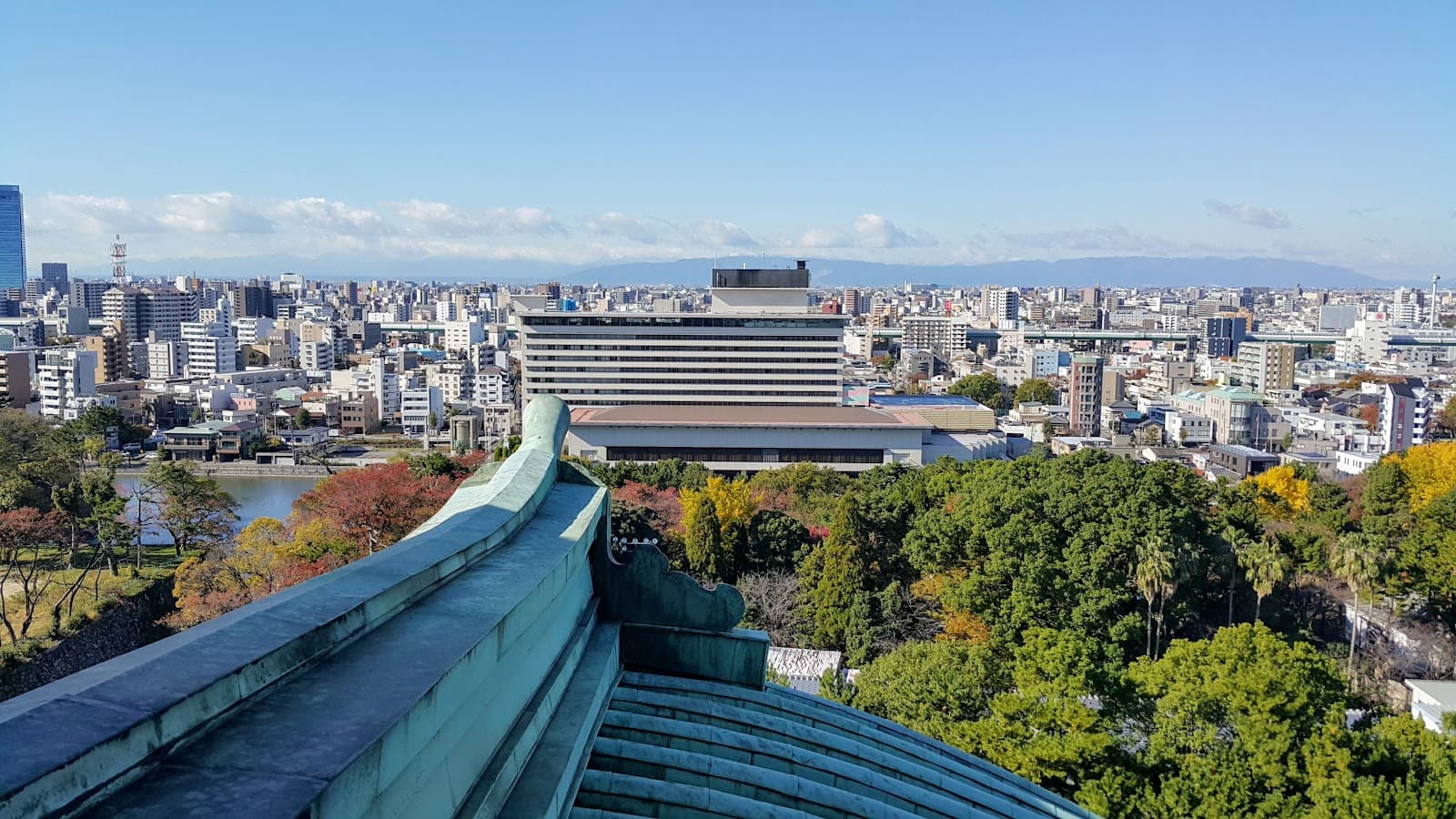
Nagoya Castle
This restored castle originally completed in 1612 features artifacts & exhibits on the Edo Period.
Open in Maps ↗Making your own Tanabata wish
Many shrines and temples set up bamboo branches where visitors can write and hang tanzaku during Tanabata season. Some places charge ¥100-300 for the paper and pen; others provide them free.
Writing your wish: Traditionally, people write wishes related to skills or self-improvement rather than material desires, reflecting the festival's origins in calligraphy practice. Common wishes include "improve my Japanese", "become a better artist", or "excel at my studies". However, modern practice welcomes any heartfelt wish.
Write your wish in Japanese if possible - locals appreciate the effort, and it feels more authentic. Simple phrases work fine: "日本語が上手になりますように" (Nihongo ga jouzu ni narimasu you ni - May I become good at Japanese) or "健康でありますように" (Kenkou de arimasu you ni - May I be healthy).
After the festival, temples ceremonially burn the tanzaku, believing the smoke carries wishes to heaven. This ritual burning typically happens on August 7th at temples celebrating on the lunar calendar.
Photography tips
Tanabata decorations create incredible photo opportunities, but getting good shots requires planning:
Timing: Visit during evening twilight for the best balance of ambient and artificial light. The decorations often include illumination, but they look flat in direct midday sun. Early morning (before 8:00) offers empty streets if you want shots without crowds.
Equipment: A wide-angle lens captures the scale of decoration tunnels in shopping arcades. However, a longer lens (50-85mm) better isolates individual decorations against busy backgrounds. Bring a tripod if shooting in the evening - you'll want slow shutter speeds to capture the decorations' colours without harsh flash.
Composition: Look up. Tanabata decorations are designed to be viewed from below, creating natural leading lines toward the sky. Side streets often have fewer crowds and equally impressive decorations. Don't forget detail shots - close-ups of individual kusudama, tanzaku fluttering in the breeze, or children reaching up to hang their wishes tell the festival's story as effectively as wide architectural shots.
Practical information for visitors
Costs: Attending Tanabata festivals is essentially free. You'll pay only for food, drinks, and travel. Budget ¥2,000-3,000 for an evening of festival snacks and perhaps a small souvenir. Writing a tanzaku costs ¥100-300 where charged.
Accessibility: Major festivals like Sendai and Hiratsuka take place in flat, paved shopping streets, making them wheelchair-accessible. However, crowds can be intense, especially on Saturday evenings. Consider visiting on weekday afternoons for easier navigation.
Weather: July and August Tanabata celebrations happen during Japan's hottest months. Temperatures typically reach 28-32°C with high humidity. Wear light, breathable clothing, carry water, and take breaks in air-conditioned shops. Sendai's early August timing usually means slightly cooler temperatures than July festivals further south.
Language: Major festivals have some English signage, but don't expect extensive English information. Download a translation app or bring a phrasebook. The visual nature of Tanabata means you'll enjoy the festival even with minimal Japanese ability.
What Tanabata reveals about Japan
Tanabata showcases several distinctive aspects of Japanese culture. The communal effort required to create elaborate decorations reflects Japan's group-oriented values - neighbourhood associations, schools, and businesses collaborate for months preparing their displays. The careful symbolism in traditional decorations demonstrates Japan's attention to meaning and detail.
The festival also reveals how Japan balances tradition with modernity. Ancient legends coexist with anime character decorations; handmade paper crafts appear alongside LED lighting. This isn't cultural confusion but rather Japan's remarkable ability to honour the past whilst embracing the present.
Most touchingly, Tanabata shows Japanese optimism and vulnerability. Adults writing wishes alongside children, hoping for success, health, or happiness, reveals a culture that - despite its reputation for emotional reserve - maintains a connection to hope and wonder. Standing in a shopping arcade surrounded by thousands of paper wishes, each representing someone's dream, creates an unexpectedly moving experience.
Whether you spend three days photographing Sendai's spectacular decorations or fifteen minutes writing a wish at a neighbourhood shrine, Tanabata offers a window into Japanese culture that few other festivals provide. It's colourful enough for casual tourists, meaningful enough for culture enthusiasts, and photogenic enough for Instagram perfectionists. Just remember to make a wish - the stars might be listening.