
 By Declan Barry
Otsu is ten minutes from Kyoto by train, yet most visitors never cross the prefectural border into Shiga. That oversight works in your favour. Japan's largest lake, three major Buddhist complexes, and a working city that has not been optimised for tourism are all accessible on a single day trip - or a quieter overnight base if you have had enough of Kyoto's crowds. This guide covers how to get there, what each site is actually like, how long it takes, what it costs, and who each option suits.
Getting to Otsu from Kyoto
From Kyoto Station, the JR Biwako Line (also shown as JR Biwako/Tokaido Line) reaches Otsu Station in around 9 minutes; a standard fare is around ¥230. The IC card price is marginally lower. If you hold a JR Pass, this leg is covered.
The Keihan Ishiyama-Sakamoto Line is the more useful service once you are in Otsu, connecting the town's key sites along the lakeside. A single fare between Keihan Hamaotsu Station (a short walk from JR Otsu) and Ishiyamadera Station takes roughly 22 minutes and costs around ¥340. Day passes for the Keihan line are worth buying if you are combining Mii-dera, Ishiyama-dera, and a lake walk: the Otsu 1-Day Ticket is around ¥700 and covers the full Keihan Ishiyama-Sakamoto Line plus the Keihan Oto Line tram within Otsu city.
Otsu
Ishiyama-dera
Tranquil place of worship known for its 2-story pagoda & Buddhist scrolls, plus fall foliage.
Open in Maps ↗Otsu
Mii-dera Temple
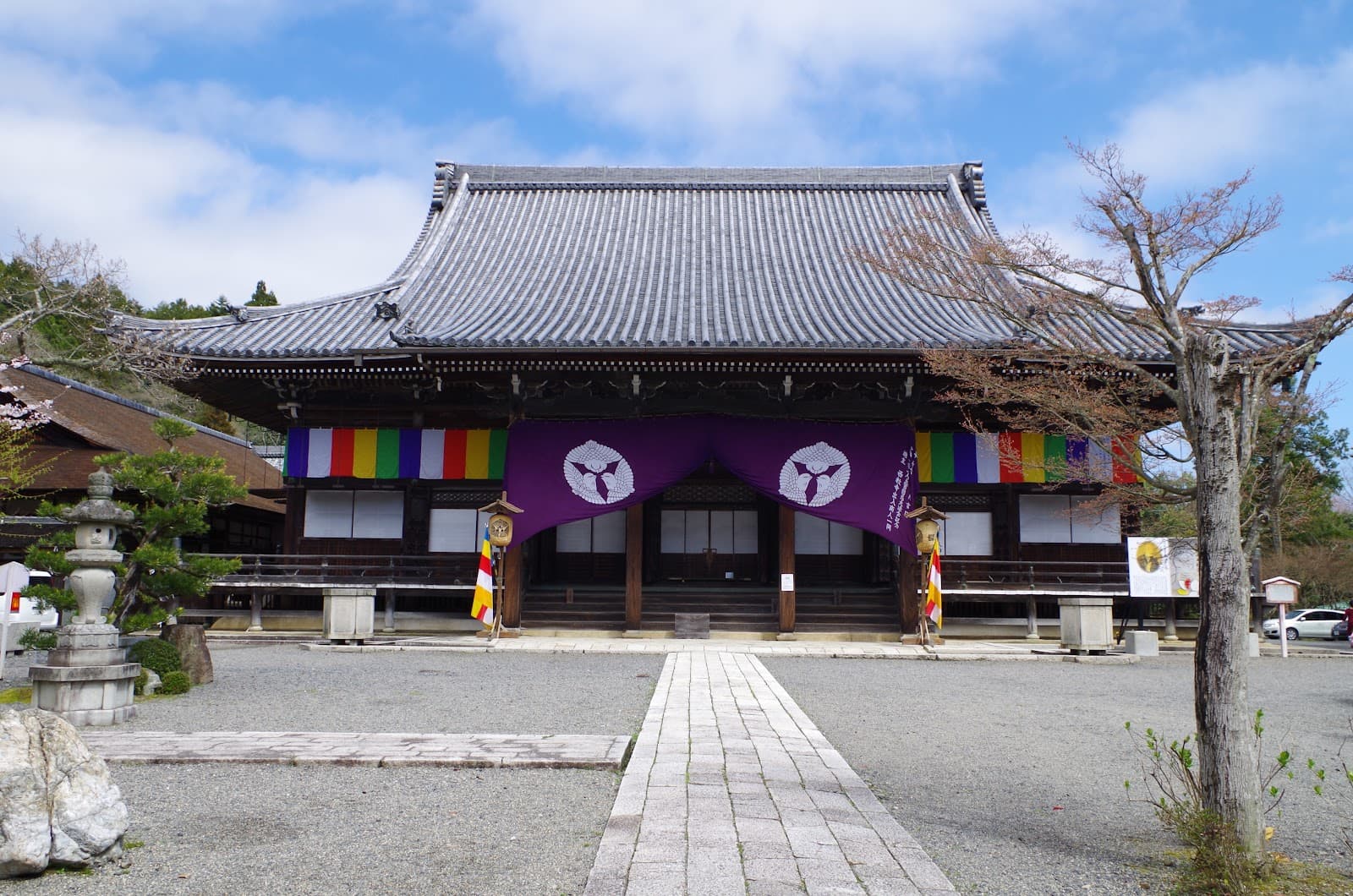
Sprawling Buddhist temple complex with a grand gate, a 3-tier pagoda & seasonal cherry blossoms.
Open in Maps ↗For Enryaku-ji on Mount Hiei, take the Keihan Ishiyama-Sakamoto Line to Sakamoto-Hieizanguchi Station (around 37 minutes from Hamaotsu), then the Sakamoto Cable Car to the top. The cable car fare is around ¥870 one way.
Otsu
Enryaku-ji Temple
This sprawling Tendai Buddhist monastery dates to the 7th century but was rebuilt centuries later.
Open in Maps ↗Mii-dera Temple (Onjoji)
Mii-dera sits at the northern edge of Otsu, a five-minute walk from Keihan Miidera Station. The temple complex covers a large area on the lower slope of the hills above the lake and has been active since the late 7th century. Admission is ¥600 for adults.
The main draw is the sheer scale of the place combined with the near-complete absence of tour groups. The Kanjo-in Kara-mon gate, the Miide bell (one of Japan's three great bells, which visitors are invited to strike for ¥100), and a three-tiered pagoda are spread across grounds that reward slow walking. The pagoda was constructed in the Momoyama period and has been designated an important cultural property.
Come in late March to early April and the cherry blossoms here are among the best along the Biwako area, with around 1,000 trees on site. For autumn colour, mid-November is typically reliable.
Caveat: the complex is larger than it looks on maps - allow at least 90 minutes. Wear shoes you can walk in, as the ground is uneven.
Ishiyama-dera
Ishiyama-dera is a 22-minute ride south from Hamaotsu Station on the Keihan line, terminating at Ishiyamadera Station. The temple sits above the Seta River where it flows out of Lake Biwa, and the climb through the rock-studded grounds is part of the experience.
The literary connection here is specific: in 1004, the court lady Murasaki Shikibu is said to have looked out from the Genji-no-ma chamber during the August full moon and begun drafting the Tale of Genji. A small room in the main hall preserves a scene depicting this moment. The claim is not provable, but the association is at least a thousand years old, and the setting - elevated, wooded, facing the river - makes the story plausible.
The two-storey pagoda dates to 1194 and is one of Japan's oldest wooden pagodas. The main hall itself is partly built on a base of raw wollastonite rock, which gives the lower precincts an unusual, geological feeling.
Admission is ¥600 for adults. Allow 60 to 90 minutes. The grounds reach peak colour around mid-November, which is when the site appears in the verified listing's note about autumn foliage. Summer is the quietest season visitation-wise, though the river walk below the temple becomes a pleasant evening spot for locals.
Caveat: this site is popular with Japanese visitors and school groups during spring and autumn. Arriving before 9:30 am noticeably reduces the density of people at the main hall.
Enryaku-ji and Mount Hiei
Enryaku-ji is not a single building - it is a complex of more than 100 structures spread across the forested ridge of Mount Hiei, divided into three precincts: the To-do (East Precinct), Sai-to (West Precinct), and Yokawa. Most visitors see only To-do, where the East Pagoda (Enryakuji Temple) holds the main hall, the lecture hall, and the National Treasure Hall. The Fundamental Central Hall (Enryaku-ji Konpon Chudo) within To-do is the ceremonial heart of the complex, with a flame that has reportedly been burning continuously since 788 AD.
Getting there from Otsu: take the Keihan Ishiyama-Sakamoto Line to Sakamoto-Hieizanguchi Station, then walk ten minutes to the Sakamoto Cable Car base station. The cable is around 2.1 kilometres long and takes 11 minutes. From the top station it is a short walk to the To-do precinct. Total journey from Keihan Hamaotsu Station is roughly 55 minutes.
Alternatively, from the Kyoto side: the Eizan Railway from Demachiyanagi Station in Kyoto reaches Yase-Hieizanguchi Station, from which a ropeway and cable car combination accesses the summit. This route takes roughly 45 minutes from Demachiyanagi.
Admission to the main precinct is ¥1,000 for adults. Allow at least two hours for To-do alone. The West Precinct and Yokawa each require additional travel within the complex (a free shuttle bus runs in peak season). The full site rewards those with a serious interest in Tendai Buddhism or Japanese monastic history; if you want a single strong impression and you are short on time, To-do and the Konpon Chudo are enough.
Caveat: the mountain sits above 800 metres and is genuinely cold from October through April - noticeably colder than Otsu below. The site has reduced winter hours and some secondary buildings close from November to February. Check the Enryaku-ji website before visiting between November and March.
A Lake Biwa Cruise
The Michigan Cruise (operated from Otsu Port by Lake Biwa Kisen) runs regular paddle-steamer style cruises on the lake. The standard 80-minute cruise departs from Otsu Port, a ten-minute walk from JR Otsu Station or Keihan Hamaotsu Station. Adult fares start at around ¥2,200 for the basic deck ticket; meal and afternoon tea options are available at higher prices. Check the Lake Biwa Kisen website for current departure times, as the schedule reduces significantly in winter.
The cruise is worth it if you want physical scale: Lake Biwa is 670 square kilometres, and the crossing puts the Hira and Hiei mountain ranges into perspective in a way that standing at the shore does not. The western shore, visible from the water, rises steeply; the eastern shore is lower and agricultural. On a clear day in autumn or late spring the contrast is sharp.
Caveat: the cruise suits people who appreciate open water and landscape. If you are primarily interested in temples, the time is better spent at Mii-dera or Ishiyama-dera.
Further Stops Worth Knowing About
Hiyoshi Taisha (Keihan Hiei-Sakamoto Station, five-minute walk) is Shiga's oldest shrine and the tutelary shrine of Enryaku-ji. The grounds contain paired shrines of the East and West Main Halls, a two-storey gate, and a mountain stream running through forest. Admission is ¥300. It is quieter than the mountain temple and the architecture is older-feeling, with less restoration work visible. Mid-November colour here is worth a stop if you are already at the Sakamoto cable car base.
Otsu
Hiyoshi Taisha
Serene shrine complex in grounds with trees, bridges & a stream, known for fall colors.
Open in Maps ↗Saikyo-ji Temple overlooks the lake from a hillside north of Sakamoto and is connected to the Azuchi-Momoyama period general Akechi Mitsuhide. The grave and the small painted monkey motifs on the buildings are specific to this site; admission is ¥500. The lake views from the upper precinct are clear on a good day.
Otsu
Saikyo-ji Temple
Temple overlooking Lake Biwa known for its monkey decorations, gardens & Akechi Mitsuhide's tomb.
Open in Maps ↗The Biwako Otsukan complex (lakefront, near Otsu Port) is a 1934 former hotel turned cultural venue. The building has a good cafe and a lakeside English garden (the Biwako Otsukan English Garden). It is a reasonable lunch stop between the port cruise and the walk back to the station.
Using Otsu as a Base Instead of Kyoto
Otsu has a small but workable range of accommodation, mostly business hotels in the station area. Rates are typically 20 to 35 per cent lower than equivalent Kyoto options in peak season (March-April and October-November). From JR Otsu Station, you are nine minutes from Kyoto Station, which means you can reach Gion, Fushimi Inari, or Arashiyama without much more commute time than staying in eastern or northern Kyoto.
The practical trade-off: Otsu's food and evening options are limited. The restaurant strip is modest and mostly geared toward local workers. If you want a lively evening out or good late-night dining, stay in Kyoto and day-trip to Otsu rather than the reverse.
For travellers visiting Kyoto in cherry blossom or autumn leaf season and finding accommodation prices prohibitive, Otsu is a concrete alternative - not a compromise if you are willing to commute ten minutes each way.
Planning Your Otsu Day: Suggested Combinations
Temple focus (full day): JR Kyoto to JR Otsu, walk or tram to Keihan Hamaotsu, Keihan line to Mii-dera (60-90 min), tram to Hamaotsu, then Keihan south to Ishiyamadera (60-90 min). Return from Ishiyama Station on JR Biwako Line to Kyoto (around 16 minutes, ¥240). This covers the two most accessible major sites without a mountain ascent.
Mountain focus (full day): JR Kyoto to JR Otsu, Keihan to Sakamoto-Hieizanguchi, cable car up to Enryaku-ji (3 hours minimum on the mountain), cable car back down, stop at Hiyoshi Taisha (30-40 min), return to Kyoto from Hamaotsu.
Lake and town (half day): JR Kyoto to JR Otsu, walk to Otsu Port for the Michigan Cruise (80 min), lunch at Biwako Otsukan, walk the lakefront back to the station. This works well as a morning before an afternoon in Kyoto.
What to Skip and Why
The Lake Biwa Museum in Kusatsu is 20 minutes further south of Ishiyama-dera and has good aquarium and fossil sections. It makes sense for families or those with a specific interest in freshwater ecology - Lake Biwa contains species found nowhere else on Earth - but it is too far south to combine naturally with the temple sites on a single day trip from Kyoto. If you go, do it as its own trip.
The Omi Shrine is primarily known for the Hyakunin-Isshu karuta card tournament held each January and has limited appeal outside that event for most visitors. The architecture is restored 20th-century rather than historic. Skip it unless you are specifically interested in traditional Japanese card games.
For a wider look at day trips possible from Kyoto, see our Day Trips from Kyoto guide. If you want to explore more of Shiga and the broader Kansai region beyond the main tourist circuit, our Kansai beyond Kyoto, Osaka, Nara, and Kobe guide covers further options.