
 By Declan Barry
Odaiba: What's There, What's Not, and When It's Worth Going
Odaiba sits on reclaimed land in Tokyo Bay, a purpose-built entertainment district that polarises visitors. Some find it a fascinating glimpse of Japan's bubble-era ambitions. Others call it a dated shopping mall with a harbour view. Both perspectives hold truth, which is precisely why understanding what Odaiba offers - and what it doesn't - matters before you commit half a day to getting there.
Tokyo
Tokyo Tower
Reminiscent of the Eiffel Tower, this landmark features observation areas & other attractions.
Open in Maps ↗This guide cuts through the tourism fluff. You'll learn what genuinely merits your time, what disappoints, and crucially, when Odaiba transforms from an average outing into something memorable.
Getting There: The Journey Is Part of the Experience
Odaiba connects to central Tokyo via three routes, each offering different perspectives:
The Yurikamome Line from Shimbashi Station (¥380, 22 minutes to Odaiba-Kaihinkōen Station) runs on elevated tracks above the Rainbow Bridge. Sit at the front of the driverless train for unobstructed views across Tokyo Bay. During evening rush hour, you'll stand wedged against commuters, so travel mid-morning or after 19:00 for window seats.
The Rinkai Line from Shinjuku or Ikebukuro (¥490-¥500, connections required) deposits you at Tokyo Teleport Station. This underground route saves no time but costs more. Use it only if you're already near a connecting station.
The Odaiba Seaside Park Water Bus from Asakusa (¥1,720, 50 minutes) or Hinode Pier (¥520, 20 minutes) turns transport into sightseeing. Boats depart hourly, weather permitting. Book the Asakusa route only if you're combining both districts in one day - otherwise, the premium isn't justified.
Reality check: From most Tokyo hotels, reaching Odaiba takes 45-60 minutes door-to-door. Factor this into your planning. It's not a quick pop-over between other activities.
What's Actually There
TeamLab Borderless: The Anchor Attraction
TeamLab Borderless reopened in February 2024 at Azabudai Hills (having moved from Odaiba), but Odaiba now hosts TeamLab Planets at Toyosu, technically adjacent to Odaiba. You'll wade through knee-deep water, walk across cushioned floors that swallow your feet, and stand inside rooms where digital koi fish swim around your legs.
Tickets cost ¥3,800 (adults) and sell out days ahead during school holidays (late July to August, late December to early January, late March to early April). Book online at least three days before weekend visits, one week for holidays. The 90-minute experience justifies the price if you enjoy immersive digital art. If you prefer traditional museums, you'll find it gimmicky.
When to visit TeamLab Planets: Weekday mornings immediately after 09:00 opening see smallest crowds. Avoid 14:00-16:00 when tour groups arrive.
Oedo Onsen Monogatari: Closed Permanently
This former onsen theme park closed in September 2021. Tourism websites still list it prominently because they haven't updated since 2019. Cross it off your list entirely.
DiverCity Tokyo Plaza and the Gundam
The 19.7-metre Gundam statue outside DiverCity stands in Unicorn Gundam configuration, replacing the original RX-78-2 model in 2017. It transforms at 11:00, 13:00, 15:00, and 17:00 daily, with lights and sound for 90 seconds.
The statue merits a 10-minute photo stop if you're already in Odaiba. Making a special trip for it wastes your time unless you're a dedicated Gundam fan visiting the Gundam Base store inside (8th floor), which stocks exclusive model kits unavailable elsewhere in Tokyo.
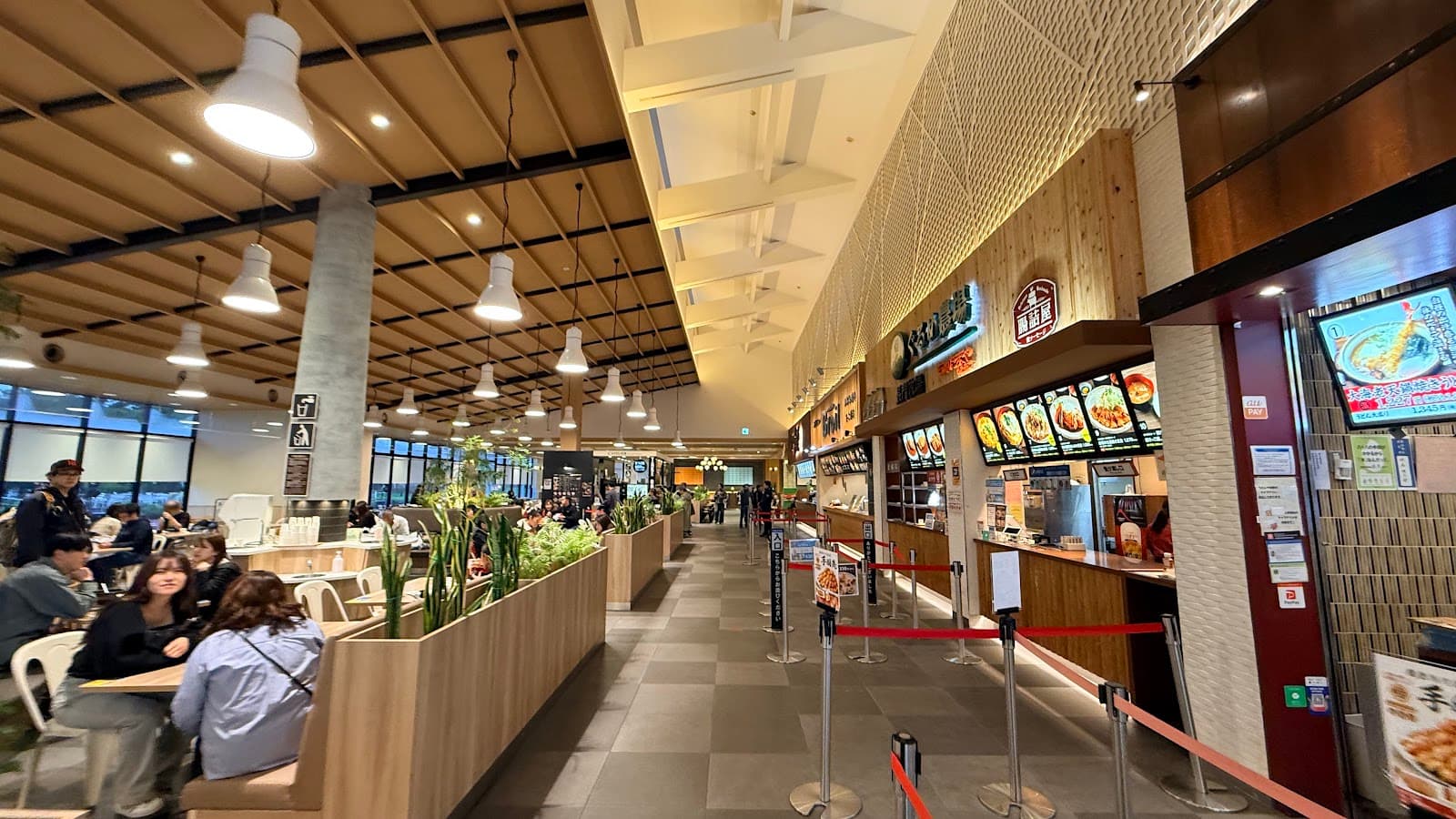
DiverCity itself is a standard shopping mall: Uniqlo, H&M, Zara, food court. Nothing you can't find in Shibuya or Shinjuku with less travel time.
Palette Town: Demolished
The giant Ferris wheel, teamLab Borderless original location, and Venus Fort shopping complex were demolished between 2022-2024 to make way for redevelopment. Any guide mentioning these is outdated.
Odaiba Seaside Park and the Beach
This artificial beach offers the novelty of sand in Tokyo - and little else. Swimming is prohibited due to water quality. The beach serves primarily as a foreground for Rainbow Bridge photographs.
Visit at sunset (timing varies seasonally: 16:30 in winter, 18:30 in summer) when the bridge illuminates. The rainbow lighting that gives the bridge its name runs 18:00-24:00 daily. Arrive 30 minutes before scheduled sunset for optimal photography light.
The beach area is genuinely pleasant for a 20-minute stroll, particularly on weekday afternoons when it's nearly empty. Weekends bring families with beach toys, making it crowded but not unpleasantly so.
Miraikan: The National Museum of Emerging Science and Innovation
Miraikan presents robotics, space technology, and future science through interactive exhibits. The museum assumes visitors have high-school level science knowledge. Elementary content predominates, making this better suited to families with children aged 8-14 than adult tourists.
Admission costs ¥630. The museum merits 90 minutes if you're interested in Japan's robotics history, particularly the ASIMO demonstrations (check the schedule, as they're not continuous). Otherwise, your time is better spent at the Tokyo National Museum in Ueno.
Aqua City and Decks Tokyo Beach
Two shopping centres connected by covered walkways. Aqua City houses a Tsukiji Sushiko outlet (¥2,200-¥4,500 per person) with harbour views. The food quality matches central Tokyo standards at identical prices, so the view becomes the differentiator.
Decks Tokyo Beach contains Daiba Itchome Shotengai, a recreation of 1950s Tokyo streets with vintage storefronts. It's an artificial nostalgia trip, but effective if you appreciate retro aesthetics. Budget 30 minutes for wandering.
Tokyo Joypolis
Sega's indoor theme park spans three floors of arcade games and VR rides. Entry costs ¥1,200, with individual attractions charging ¥600-¥800 each. A passport (unlimited rides) costs ¥4,500.
Joypolis targets Japanese teenagers. Most attractions have Japanese-only instructions and dialogue. If you're travelling with adolescents who love arcade games, they'll enjoy two hours here. Adult travellers without children typically regret the entry fee.
What's Not There (Despite What You'll Read)
Affordable accommodation: Odaiba hotels (Grand Nikko Tokyo Daiba, Hilton Tokyo Odaiba) charge premium rates for standard rooms. You're paying for the bay view, not the facilities. Stay in Shinagawa or Shibuya instead.
Local food culture: Restaurants in Odaiba serve tourist-oriented menus at inflated prices. The area lacks the intimate izakayas, ramen shops, and neighbourhood cafés that characterise Tokyo's established districts.
Authentic Tokyo atmosphere: Odaiba is artificial by design. It doesn't pretend otherwise, but visitors expecting traditional Japanese urbanism will find only corporate retail planning.
Convenient connections: Despite being in Tokyo, Odaiba functions as an island. Getting anywhere else requires backtracking to Shimbashi or Shinagawa.
When Odaiba Is Worth Going
Scenario 1: Rainy Days with Children
Odaiba excels when weather closes outdoor options. The shopping centres connect via covered walkways, creating a 2-kilometre indoor circuit. Children can see the Gundam, play at Joypolis, visit Miraikan, and eat without stepping into rain.
Scenario 2: Evening Photography Expeditions
Odaiba transforms after dark. The Rainbow Bridge illumination, Tokyo Tower visible across the bay, and Statue of Liberty replica (yes, there's one) create unexpected photographic compositions. The promenade stays open 24 hours, though facilities close by 21:00.
Combine an 18:00 arrival (catching sunset) with dinner at Bills Odaiba (Decks Tokyo Beach, 3F) overlooking the bay. Budget ¥3,500 per person. Then walk to the beach for bridge photographs. You'll spend 2.5 hours total and leave satisfied.
Scenario 3: TeamLab Planets + Nothing Else
If TeamLab Planets is your sole objective, Toyosu Station (one stop before Odaiba on the Yurikamome Line) puts you at the entrance in 3 minutes. Visit Planets, then return to central Tokyo. Don't feel obligated to "explore Odaiba" because you're nearby.
Scenario 4: Summer Fireworks Events
Odaiba hosts several fireworks festivals: the Rainbow Bridge Festival (August), Tokyo Bay Grand Fireworks (October), and occasional corporate-sponsored displays. Check the Tokyo Convention & Visitors Bureau calendar before your trip.
For fireworks, arrive by 17:00 to claim beach space. Bring a mat (kombini stores sell disposable plastic sheets for ¥200). The crowds are intense but manageable compared to Sumida River fireworks.
When to Skip Odaiba Entirely
First-time Tokyo visitors with limited time: If you have 3-5 days in Tokyo, Odaiba shouldn't make your itinerary. Asakusa, Shibuya, Shinjuku, Harajuku, and the Imperial Palace grounds offer more representative Tokyo experiences.
Budget-conscious travellers: Beyond transport costs, Odaiba inflates prices across food, attractions, and activities. The same budget stretches significantly further in other Tokyo districts.
Architecture and history enthusiasts: Odaiba contains no historic structures and minimal architectural interest. The entire district dates from the 1990s-2000s.
Solo travellers seeking local interaction: Odaiba caters to families and tourist groups. The few locals you'll encounter are service staff. For authentic Tokyo neighbourhoods, explore Yanaka, Koenji, or Shimokitazawa instead.
Practical Planning
Timing your visit: Allocate 4-5 hours if you're visiting TeamLab Planets and exploring the shopping areas. Budget 2-3 hours for an evening photography walk and dinner. Don't schedule anything after Odaiba the same day - returning to your hotel and heading out again wastes time.
Food strategy: Eat before arriving or bring onigiri from a convenience store. Odaiba restaurants cluster in mall food courts (¥1,200-¥1,800 per person, mediocre quality) or upscale options (¥3,500-¥6,000, good quality but not better than equivalent central Tokyo restaurants). The Bills location mentioned earlier offers the best value-to-view ratio.
Seasonal considerations: Summer (July-August) brings extreme humidity. The walk between stations becomes uncomfortable. Winter (December-February) offers crisp bay views but biting winds along the waterfront. Spring (March-May) and autumn (October-November) provide optimal conditions.
Combination strategy: If you're visiting TeamLab Planets, consider adding Toyosu Market (one station away on the Yurikamome Line) for breakfast tuna before 09:00, then TeamLab at opening. This creates a cohesive morning in the bay area before returning to central Tokyo by early afternoon.
The Honest Assessment
Odaiba delivers specific experiences well: immersive digital art, evening harbour views, and weather-proof family entertainment. It fails at being "authentic Tokyo" because it never attempted that. Treating Odaiba as a purpose-built attraction district rather than a cultural neighbourhood aligns expectations with reality.
Visit Odaiba when it solves a specific need (rainy day activities, evening photography, TeamLab Planets access) or offers something unavailable elsewhere in your itinerary. Skip it when you're trying to "see everything" or when another district would serve your interests better.
The key isn't whether Odaiba is "worth it" in absolute terms. The question is whether it's worth it for your specific trip, on your specific day, with your specific interests. Often, the answer is no. Sometimes, particularly as the sun sets and the Rainbow Bridge lights up across the water, the answer is yes.