
 By Declan Barry
The No-Eating-While-Walking Culture in Japan: What It Means in Practice
You've probably heard that eating while walking is frowned upon in Japan. But what does this actually mean when you're navigating Osaka's Dotonbori with a steaming takoyaki box, or you've just bought an ice cream cone in Tokyo's summer heat? Let's untangle this cultural norm so you can enjoy Japanese street food without accidentally causing offence.
The Cultural Context: Why This Matters
The Japanese concept of avoiding eating whilst walking stems from several cultural values. First, there's the idea that food deserves your full attention and respect. Eating on the move suggests you're treating your meal casually, almost dismissively. Second, there's a practical concern about cleanliness - walking whilst eating increases the risk of dropping food or creating litter in public spaces that Japanese communities work hard to keep pristine.
Third, and perhaps most importantly, there's the consideration for others. Eating whilst walking might mean bumping into someone with your food, or inadvertently getting sauce on another person's clothing in a crowded area. In a culture that prioritises group harmony and consideration for others, this matters.
However - and this is crucial - this isn't a rigid law. It's a guideline that varies enormously depending on context, location, and what you're eating.
When the Rule Applies Most Strictly
Residential Areas and Quiet Streets
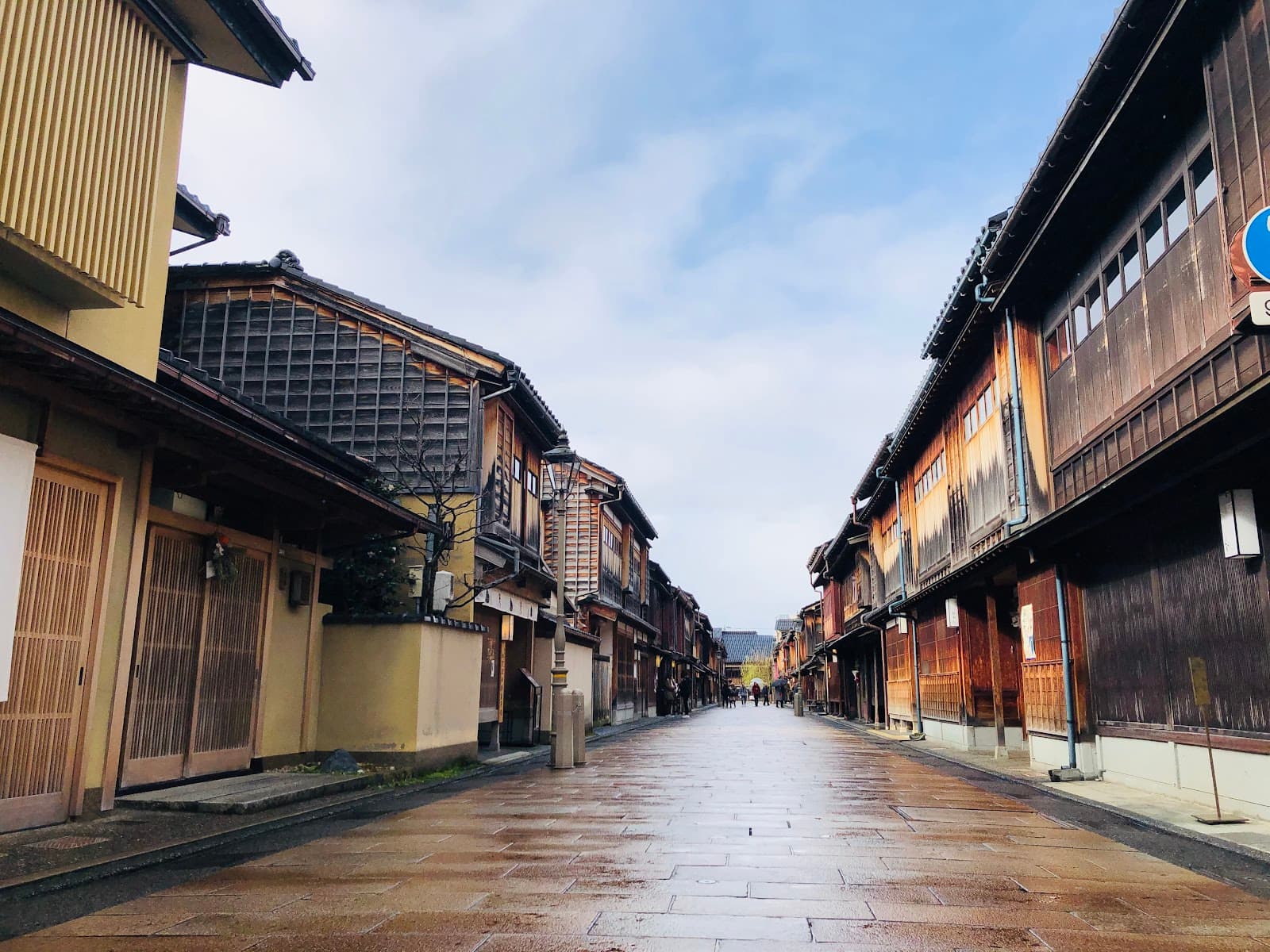
In residential neighbourhoods across cities like Kyoto, Kanazawa, or suburban Tokyo, eating whilst walking is genuinely uncommon. You'll rarely see locals doing it. If you've bought something from a convenience store, find a bench or wait until you reach your accommodation.
Trains and Buses (With One Exception)
Never eat on local trains or city buses. Not a sandwich, not sweets, not even a small snack. You'll notice that even on a two-hour journey, locals won't eat. The exception is long-distance shinkansen (bullet trains), where eating ekiben (station bento boxes) is completely normal and expected. The food trolley even comes through selling snacks and drinks.
Inside Shops and Department Stores
Walking through a department store whilst eating is definitely not done. Even in food halls (depachika), you'll see people buying elaborate foods, but they wait to eat them. Many department stores have dedicated eating areas where you can consume your purchases.
Formal Areas
Near temples, shrines (except during festivals), business districts, and upmarket shopping areas like Tokyo's Ginza or Osaka's Midosuji, eating whilst walking feels particularly out of place.
When It's Completely Fine
Festival Settings
At matsuri (festivals), all bets are off. Summer festivals, cherry blossom viewing parties, and temple festivals actively encourage walking around with food. Takoyaki, yakisoba, karaage, taiyaki - everyone's eating whilst strolling. The Gion Matsuri in Kyoto each July, or the Asakusa Samba Carnival in Tokyo, see thousands of people eating on the move.
Designated Food Streets
Certain streets exist specifically for eating whilst walking. Osaka's Dotonbori and Kuromon Market are prime examples. Tokyo's Nakamise-dori leading to Sensoji Temple in Asakusa is lined with food stalls selling items clearly meant to be eaten whilst walking - ningyo-yaki, freshly grilled senbei, soft-serve ice cream. Kyoto's Nishiki Market operates similarly, though it's more crowded, so many vendors provide small standing areas.
Theme Parks
Universal Studios Japan in Osaka and Tokyo Disneyland operate like Western theme parks - eating whilst walking is standard behaviour.
Beaches and Parks
At Kamakura's beaches or in large parks like Osaka Castle Park or Tokyo's Yoyogi Park, eating whilst walking is perfectly normal, especially during hanami (cherry blossom) season or during picnics.
The Practical Grey Areas
This is where it gets nuanced, and where you'll need to read the situation.
Ice Cream in Summer
Japanese summers are brutal. When you buy soft-serve ice cream from a stand, it melts fast. You'll see locals eating ice cream whilst walking in tourist areas and shopping streets, but they're typically conscious about it - staying to one side, being careful not to drip. In quiet residential streets, most people would wait or eat it standing still near the shop.
Convenience Store Coffee
Many konbini (convenience stores) sell excellent coffee. Some locals do walk with it, particularly on their way to work, but you'll notice they're careful. If you buy one from Lawson on a quiet Kyoto backstreet at 7am, most locals would drink it standing outside the store rather than walking with it.
Onigiri and Bread
These wrapped, contained items are less problematic than messy foods. You'll occasionally see someone eating an onigiri whilst walking in a business district during lunch rush. It's not common, but it's not shocking. Sweet bread from a bakery falls into the same category.
Canned Drinks
Walking with a canned drink from a vending machine is completely acceptable everywhere. You'll see salarymen doing this constantly.
The Stand-Still Solution
Here's the Japanese compromise you'll see constantly: eat standing still, near where you bought the food.
In Osaka's Kuromon Market, you'll notice vendors with small counter spaces or standing areas. Buy your grilled scallops, step to the side, eat them there, dispose of your rubbish in the provided bins, then continue. This satisfies the cultural preference - you're giving your food attention, not creating a moving mess hazard, and you're supporting the vendor by staying in their area.
Many takoyaki stands in Osaka have a small counter or standing space. Buy your box, stand there whilst eating a few pieces whilst they're hot, then move on. Nobody minds if you walk with the box afterwards, but eating the messy, sauce-covered ones whilst stationary shows awareness.
In Tokyo, the area around Tsukiji Outer Market (which continues operating despite the inner market's move) works this way. Buy grilled items, eat them standing near the stall. You'll see everyone doing it.
Reading the Crowd
When uncertain, observe. If you see locals eating whilst walking in an area, it's probably fine. If you don't see anyone doing it, that's your signal to wait or find a bench.
In Kyoto's Gion district, particularly near the historic streets where you might spot geisha, you'll notice even tourists avoid eating whilst walking. The atmosphere itself suggests more respectful behaviour.
In contrast, Harajuku's Takeshita Street in Tokyo is packed with people eating crepes whilst walking. The street itself is a teenage fashion and food playground where this behaviour is normalised.
Practical Strategies for Different Foods
Takoyaki (octopus balls): These come piping hot with sauce. Buy them, stand near the stall, eat the first few, then you can walk with the container. Use the provided picks properly.
Taiyaki (fish-shaped cake): Comes in a paper wrapper that contains everything. Generally fine to walk with in shopping areas, but still better to stand still in quiet zones.
Yakitori (grilled chicken skewers): The skewer makes this tricky. Best eaten standing near the vendor, then dispose of the stick properly.
Dango (rice dumplings): Similar to yakitori - the skewer means it's better to stand still.
Melon pan or other bread: Wrapped and contained. Lower risk, but still better to stand in residential areas.
Soft serve ice cream: Acceptable to walk with in tourist and shopping areas during summer, but be very conscious of dripping. Stay to one side of the pavement.
The Rubbish Question
Japan famously has few public bins, which complicates eating on the go. Most food vendors provide bins, but if you walk away from that area, you're expected to carry your rubbish until you find a bin (often at convenience stores or train stations) or return to your accommodation.
Many locals carry small plastic bags specifically for rubbish. Carrying your empty takoyaki container for ten minutes isn't unusual. What's absolutely unacceptable is dropping litter or leaving it on a wall or bench.
Some vending machines have bins beside them specifically for drink containers. You can use these, but only for bottles and cans, not for food packaging.
What About Drinks?
Non-alcoholic drinks are fine to carry and sip from whilst walking almost anywhere, with two exceptions: inside temples/shrines (beyond the grounds) and on local trains. Bottled water, canned coffee, and sports drinks are all acceptable.
Alcohol is different. Whilst Japan doesn't have open container laws like many Western countries, walking whilst drinking alcohol is generally avoided except during festivals or in specific entertainment districts like Tokyo's Golden Gai or Osaka's Namba area at night.
Age and Context Matter
You'll notice younger Japanese people, particularly teenagers, more comfortable eating whilst walking in trendy areas. But even they typically avoid it in quiet or formal settings. Older generations rarely eat whilst walking anywhere, which tells you something about the cultural shift happening.
Businesspeople almost never eat whilst walking, even in their lunch hour. If they buy something, they'll eat it at the konbini seating area or standing outside before continuing.
If You Make a Mistake
Honestly? Japanese people are incredibly forgiving of obvious tourists, especially if you're making an effort to be respectful. If you accidentally start eating whilst walking in an inappropriate area, nobody's likely to say anything. You might notice glances, but confrontation is rare.
What matters more is how you respond if you realise. Simply stop walking, finish eating or wrap up your food, and dispose of any rubbish properly. This shows awareness and consideration, which is what the cultural norm is really about.
The Bigger Picture
This cultural practice isn't about arbitrary rules - it's about mindfulness, respect for food, and consideration for shared space. Understanding this helps you navigate not just eating, but many aspects of Japanese public behaviour.
When you stand still to eat your takoyaki by the vendor's stall in Osaka, or wait until you're sitting on a shinkansen to open your ekiben, you're participating in a cultural value system that prioritises thoughtfulness and community harmony. That's worth more than the convenience of eating whilst walking.
Japan offers incredible street food and casual eating opportunities. By adapting slightly - standing still for a few minutes, or waiting until you reach a park bench - you can fully enjoy these experiences whilst showing respect for local customs. It's a small adjustment that makes a meaningful difference.