
 By Declan Barry
Nikko in Summer: Why the Uncrowded Season is Perfect for Shrine Exploration
Whilst spring's cherry blossoms and autumn's fiery maples draw massive crowds to Nikko, summer reveals a different side of this UNESCO World Heritage site. From late June through August, the sacred shrine complex breathes more freely, the weather proves surprisingly pleasant at elevation, and you'll actually have space to appreciate the intricate carvings without jostling for position.
I've visited Nikko across all seasons, and summer remains my favourite for actually experiencing the spirituality of Toshogu Shrine rather than just photographing it over someone's shoulder.
Why Summer Works for Nikko
Nikko sits at roughly 600 metres elevation, which translates to temperatures 5-7°C cooler than Tokyo. When the capital swelters at 35°C, Nikko hovers around a manageable 28°C. The higher you venture towards Chuzenji Lake (1,270 metres), the more comfortable it becomes.
July and August see fewer than half the visitors that descend during October's autumn colour peak. Japanese school groups favour spring and autumn for educational trips, whilst international tourists cluster around the same periods. This leaves summer surprisingly peaceful, particularly on weekdays.
The lush green canopy over the shrine pathways provides natural air conditioning. Those towering cryptomeria trees planted 400 years ago serve a practical purpose beyond aesthetics - they create a microclimate that keeps the shrine precinct noticeably cooler than surrounding areas.
Toshogu Shrine Without the Crowds
Toshogu Shrine, the elaborate mausoleum of Tokugawa Ieyasu, contains over 5,000 intricate carvings across its structures. In autumn, you'll spend more time watching the backs of heads than examining these details. Summer changes the equation entirely.
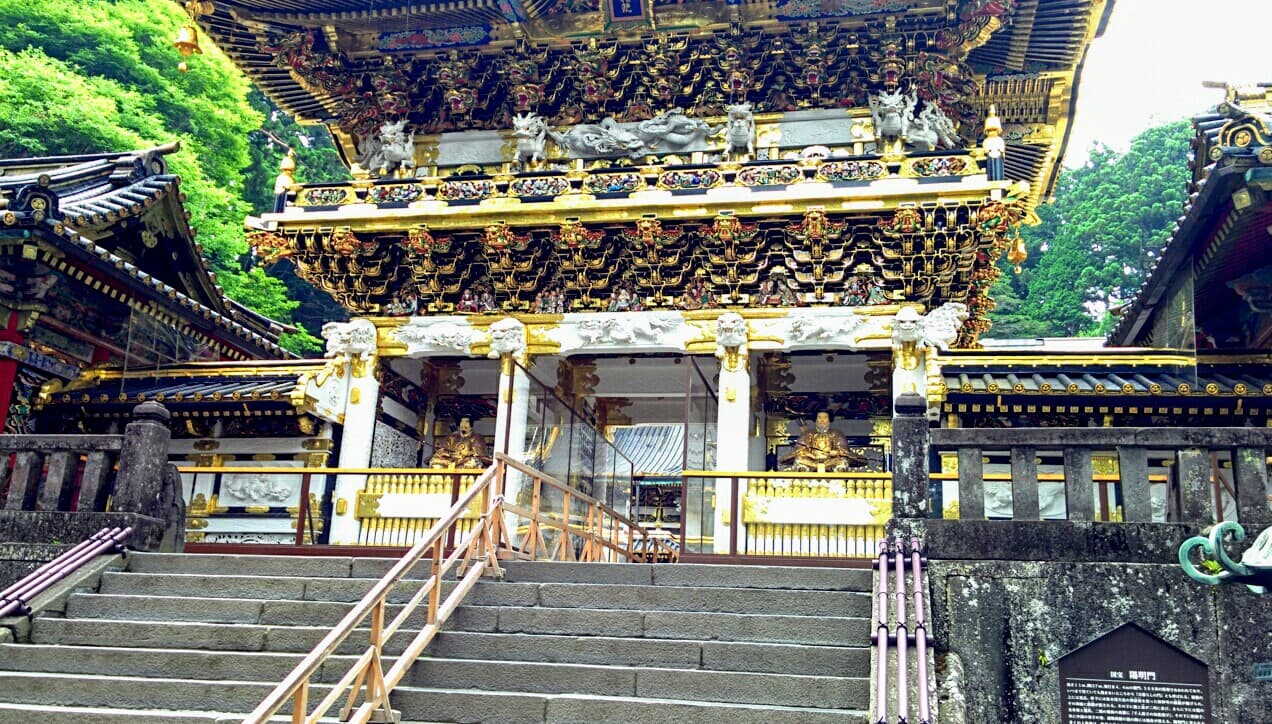
Arrive at opening time (8:00 AM from April through October) and you'll find the Yomeimon Gate practically to yourself for the first hour. This gives you proper time to spot the sleeping cat carving (Nemuri Neko) without queuing, to photograph the three wise monkeys without strangers' hands in frame, and to climb the 207 steps to Ieyasu's tomb with only the forest sounds for company.
Nikko
Yōmeimon Gate
Well-known gate at Nikkō Tōshō-gū, featuring intricately carved reliefs with colorful paint.
Open in Maps ↗The ¥1,300 admission fee covers the main shrine precincts. Add ¥550 for access to the Honjido hall with its famous crying dragon ceiling - absolutely worth it in summer when you can actually hear the acoustic phenomenon without competing noise from crowds.
Weekdays in July offer the quietest experience. Avoid the first two weeks of August when Japanese families travel during Obon holidays, but late August becomes peaceful again as the school term approaches.
The Wider Shrine Complex Strategy
Most visitors concentrate solely on Toshogu, but the shrine complex encompasses several other significant sites that see even fewer summer visitors:
Futarasan Shrine (¥200 admission) sits a pleasant 10-minute walk from Toshogu along a shaded path. This shrine predates Toshogu by centuries and maintains a calmer, more traditionally Japanese aesthetic. The absence of tour buses here makes it feel genuinely sacred rather than touristy. Summer's green moss covering the stone lanterns creates an otherworldly atmosphere.
Taiyuin Mausoleum (¥550) honours Tokugawa Iemitsu and rivals Toshogu for architectural splendour whilst receiving a fraction of the visitors. The approach through Japanese cedars feels more intimate than Toshogu's grand avenue. Summer afternoons here prove particularly quiet - most tour groups skip this site entirely.
Rinnoji Temple (¥400 for the main hall, additional fees for the Treasure House and Shoyoen Garden) marks the starting point of the shrine area. The three golden Buddha statues inside reach 8 metres high, and summer's natural light through the hall's windows illuminates them beautifully. The Shoyoen Garden behind the temple becomes a green sanctuary in summer, with koi ponds and stone bridges offering respite between shrine visits.
Nikko
Rinnōji Temple
Centuries-old Buddhist complex with a renowned wooden hall, a treasure house & a peaceful garden.
Open in Maps ↗Budget roughly ¥3,000-4,000 per person for admission fees if you visit all major sites. This represents exceptional value for UNESCO World Heritage structures of this calibre.
Weather Realities and Rain Strategy
Nikko's summer brings rain - there's no avoiding this fact. June marks the tail end of tsuyu (rainy season), whilst July and August see afternoon thunderstorms rolling through the mountains. But this rain follows predictable patterns you can work with.
Mornings typically stay dry, with clouds building after midday. Structure your shrine visits for morning hours (8:00 AM - 12:00 PM), then shift to indoor attractions or lunch during afternoon storms. These downpours rarely last beyond an hour or two.
The shrine structures themselves provide extensive covered areas. Toshogu's corridors allow you to move between buildings whilst staying dry, and the elaborate roof structures create natural shelters. I've spent perfectly pleasant rainy afternoons examining ceiling paintings and architectural details that I'd previously rushed past.
Pack a compact umbrella rather than relying on a raincoat - you'll want both hands free for cameras and shrine exploration. The stone pathways can become slippery when wet, so wear shoes with proper grip rather than fashion sandals.
The Temperature Advantage at Different Elevations
Nikko's main shrine area sits at about 600 metres, but day trips to higher elevations become genuinely comfortable in summer:
Lake Chuzenji (1,270 metres) reaches only 23-25°C even in August. The Tobu bus from Nikko Station takes 45 minutes (¥1,200 one-way, or ¥2,000 for a two-day free pass covering all area buses). Summer boat cruises across the lake (¥1,500 for a circuit) operate without the bitter winds that make them uncomfortable in spring and autumn.
Kegon Falls drops 97 metres beside the lake. Summer's increased water volume makes the falls more impressive than autumn's reduced flow. The observation platform (¥570) brings you level with the falls' base, where the spray creates natural cooling on hot days.
Senjogahara Marshland offers flat hiking trails through high-altitude wetlands. Summer brings wildflowers and comfortable temperatures for the 5-kilometre circuit (2-3 hours). This landscape proves impossible to appreciate in winter's snow and less appealing in autumn's brown grasses.
The elevation differential means you can strategically move upward as days warm. Start with shrines in town during cool mornings, then bus to higher elevations for afternoon activities.
Practical Summer Considerations
Hydration matters despite cooler temperatures - the combination of elevation, walking, and humid air means you'll need more water than expected. Vending machines dot the shrine area, but bring a refillable bottle (public fountains are scarce). Budget ¥150 per drink from machines.
Sunscreen remains essential. The forest canopy provides intermittent shade rather than constant cover, and UV radiation strengthens at elevation. Japanese humidity means sweat won't wash it off quickly either.
Insect repellent helps in forested areas, particularly near the rivers and lakesides. Mosquitoes aren't overwhelming but they're present. Convenience stores near Nikko Station stock effective repellents if you forget to pack your own.
July and August see occasional bear warnings in mountain areas beyond the main shrine precinct. Stay on marked trails and make noise when hiking in Senjogahara. The shrine complex itself has never recorded bear encounters - they avoid areas with human activity.
Accommodation and Timing Advantages
Summer's lower visitor numbers translate directly to accommodation savings and availability. Ryokan near the shrines charge ¥15,000-20,000 per person in autumn but drop to ¥10,000-15,000 in summer (including dinner and breakfast). Western-style hotels near Nikko Station fall to ¥6,000-8,000 per night for perfectly adequate rooms.
Book just a week ahead in July or late August (avoid early August's Obon period). Autumn requires two months' advance booking, and even then you'll pay premium rates.
Consider staying overnight rather than day-tripping from Tokyo. The first Tobu Limited Express from Asakusa (¥4,500 return, or ¥2,800 each way for standard trains) arrives at 9:00 AM - you've already missed the quiet opening hour. Staying locally means you're at the shrines by 8:00 AM, experience evening's emptiness, and avoid Tokyo's packed trains.
Food and Refreshment Strategy
The shrine area offers limited food options, and what exists caters to tour groups with predictable menus and elevated prices. However, summer's reduced crowds mean the few quality spots stay accessible:
Yuba (tofu skin) dishes represent Nikko's speciality. Meiji no Yakata, a 10-minute walk from Toshogu, serves excellent yuba soba sets for ¥1,400-2,000 in a Western-style mansion setting. Tables stay available for walk-ins during summer, unlike autumn's hour-long waits.
Nikko Station area provides better value and variety. Walk 5 minutes from the station to find numerous small restaurants serving everything from katsu curry (¥900) to more elaborate kaiseki sets (¥3,000-5,000). Several convenience stores stock supplies for picnicking at Lake Chuzenji.
Bring snacks and water from Tokyo if you're day-tripping - shrine-area vending machines charge ¥180 for drinks that cost ¥120 at Tokyo stations. Small savings compound across a full day.
Photography Benefits of Summer Green
Whilst autumn colour photographs dominate Nikko postcards, summer's deep green creates a different aesthetic that actually photographs beautifully:
The vermillion shrine structures contrast dramatically against green foliage. Toshogu's red gates and gold details pop against summer's lush backdrop in ways that autumn's reds muddy.
Morning light filters through green leaves to illuminate the shrine approaches. The famous cryptomeria avenue leading to the shrines glows with dappled light that autumn's bare branches can't replicate.
Fewer people means cleaner compositions. You can photograph the Yomeimon Gate without waiting for crowds to clear, capture the sacred bridge (Shinkyo) without tour buses in frame, and actually use a tripod without blocking foot traffic.
Rain creates atmospheric opportunities - wet stone pathways reflecting shrine structures, mist rising from forested valleys, and the darker greens that emerge under cloud cover. These moody shots prove impossible during autumn's clear, crowded days.
Making Your Summer Nikko Visit Work
Start from Tokyo's Asakusa Station using the Tobu Railway - the direct connection eliminates the JR transfer confusion at Utsunomiya. Limited Express trains (¥1,400 supplement plus base fare) take 1 hour 50 minutes and include reserved seating. Regular trains take 2 hours 45 minutes but cost only ¥1,390 each way.
The Nikko Pass (¥4,780 for two days) covers round-trip train fare plus unlimited bus travel in the Nikko area. It pays for itself if you visit Lake Chuzenji or take more than three local bus trips. Purchase at Tobu stations before departure.
Time your visit for mid-July or late August to avoid rainy season and Obon crowds. Weekdays always beat weekends, but even weekend crowds in summer stay manageable compared to autumn's chaos.
Wear layers - mornings start cool, afternoons warm up, then temperatures drop again in the evening. Comfortable walking shoes matter more than fashion given the stone pathways and steps.
Bring yen cash - not all shrine sites accept cards, and ATMs in the area can be temperamental. Budget ¥6,000-8,000 per person for admission fees, food, and incidentals.
The Essential Summer Truth
Nikko's summer remains underrated because travellers chase autumn colour and spring blossoms without considering what actually makes a shrine visit meaningful. Standing alone before Yomeimon Gate's 500 carvings, hearing wooden halls creak in the breeze rather than tour group chatter, climbing to Ieyasu's tomb with only forest sounds for company - these experiences define Nikko's spiritual significance far better than glimpsing vermillion roofs over strangers' shoulders whilst autumn leaves fall.
Summer delivers the Nikko that monks and pilgrims experienced before mass tourism - quieter, greener, and genuinely atmospheric. The crowds will return in October. Meanwhile, from late June through August, the shrines belong to those willing to visit during the season everyone else skips.