
 By Declan Barry
Most travellers see Narita as a runway and Odawara as a shinkansen blur. Both towns have enough substance to justify a deliberate stop of two to four hours - Narita as a layover or arrival-day add-on, Odawara as a natural pause before or after Hakone. Here is what each offers, how long you need, and how to fit them into a real itinerary.
Odawara
Odawara Castle
Small, stalwart castle featuring an assortment of exhibits & artifacts, plus views from the tower.
Open in Maps ↗Narita: A Working Temple Town Five Minutes from the Airport
Narita International Airport sits within Narita city, which means the temple complex, the old merchant street, and a lunch of fresh unagi are all reachable without a long transit. The town is not a theme park version of old Japan. It has a functioning commercial district alongside the historic core, and the approach street, Naritasan Omotesando (rated 4.6 by visitors), has been selling things to pilgrims for centuries.
Narita
Naritasan Park
Trails skirting tree-lined ponds & a plum garden with seasonal blossoms, plus a calligraphy museum.
Open in Maps ↗Getting There from the Airport
From Narita Airport Terminal 2, take the JR Narita Line one stop to Narita Station - the journey is roughly 9 minutes and costs ¥240. Trains run frequently. Alternatively, take the Keisei Narita Line from Narita Airport Station to Keisei-Narita Station (one stop, around 5 minutes, ¥160). Both stations are about a 10-minute walk from the top of Omotesando. From central Tokyo, Narita Station is around 80-90 minutes on the JR Narita Line from Akihabara, roughly ¥1,170.
Naritasan Shinsho-ji and the Approach
Naritasan Shinsho-ji (4.5★) is the anchor of the town. The temple complex was established in 940 CE and is one of the most visited temple sites in Japan, drawing around 12 million visitors annually for the New Year period alone. Outside of major festivals, weekday mornings are quiet enough to walk the grounds at your own pace. The free guided walking tours (offered in English, check availability at the temple office on arrival) are genuinely useful for understanding what you are looking at, because the complex is larger than it appears from the entrance - there are multiple halls, a three-storey pagoda (4.4★), and the adjacent Naritasan Park (4.2★), which has trails around tree-lined ponds, a plum garden, and a calligraphy museum.
Narita
Naritasan Shinsho-ji
Complex featuring a 10th-century temple & a colorful 3-story pagoda, with free guided walking tours.
Open in Maps ↗Entrance to the temple grounds and park is free.
The Somon Gate (4.4★) marks the start of Naritasan Omotesando and is worth treating as a starting point rather than a detail to rush past. The stone-paved street runs about 800 metres from the gate to the main temple hall and is lined with shops selling eel, pickles, traditional sweets, and souvenirs. This is not a preserved street that happens to look old - it is genuinely old and genuinely commercial, which gives it a different texture from manufactured heritage streets elsewhere.
What to Eat: Unagi in Narita
Narita has a strong local tradition of unagi (freshwater eel), driven partly by proximity to the rivers of the Boso Peninsula and partly by centuries of pilgrims needing a substantial meal before or after temple visits. Ootori and Kikuya are among the long-standing unagi restaurants on Omotesando. Expect to pay ¥2,500-¥4,500 for a grilled eel set depending on grade. This is not a cheap lunch, but it is genuinely regional rather than tourist-oriented.
Other Things Worth Your Time in Narita
If you have a child in tow or any interest in aviation, the Museum of Aeronautical Sciences (4.1★), located close to the airport perimeter, has flight simulators and replica aircraft. It is a 15-minute bus ride from Narita Station and costs ¥700 for adults. Sakuranoyama Park (4.3★) is a public park on the airport boundary where you can watch aircraft approach and depart from close range, free of charge. It is a genuine spot for this, not a manufactured viewpoint.
Narita
Museum of Aeronautical Sciences
Aeronautical museum featuring flight simulators, replica planes & a wide variety of modern aircraft.
Open in Maps ↗Narita
Sakuranoyama Park
Departing & arriving planes can be watched from this public park also known for its cherry blossoms.
Open in Maps ↗How Long You Need in Narita
For Omotesando, the temple complex, and lunch: allow 2.5 to 3 hours. For a layover, this is realistic if you have at least 4 hours between flights and your bag is checked through. If you are arriving into Japan and your accommodation is not booked until evening, Narita works well as a way to ease into the trip rather than arriving in Tokyo exhausted and overstimulated. For transport options from Narita Airport into central Tokyo, our dedicated guide covers all the routes and prices in detail.
Honest Caveat
Narita is not a complex destination. It suits travellers who want a defined cultural experience within a short window, or who want to ease into Japan without immediately facing Tokyo. If you are already staying in Tokyo and considering it as a day trip specifically for sightseeing, it is a shorter and quieter version of what you can find in Kamakura or Nikko. The temple is significant, but the town does not need more than half a day.
Odawara: The Castle Town at the Gateway to Hakone
Odawara sits on the Tokaido coast, 83 kilometres south-west of Tokyo. It is the last major town before Hakone and the point where the Tokaido Shinkansen, JR lines, and the private Odakyu line all converge. Most people pass through in minutes. Odawara Castle is visible from the station, which is partly why people assume there is nothing to stop for - it looks like it might be a quick glance. It is not.
Getting There
From Tokyo Station: Tokaido Shinkansen Kodama service to Odawara, 35 minutes, ¥3,220 (non-reserved seat). If you hold a JR Pass, this is covered. On the JR Tokaido Line (rapid), the journey is around 80-85 minutes from Tokyo Station and costs ¥1,520 - a reasonable saving if you are not in a rush. From Shinjuku, the Odakyu Romancecar (reserved seating) runs to Odawara in about 70-75 minutes for around ¥2,200 including the limited express fee, and the view along the coast is pleasant.
Odawara Castle
Odawara Castle (4.2★) is not a large or elaborate castle. The current structure is a concrete reconstruction completed in 1960, which means it is a museum rather than an original building. The exhibits inside cover the Hojo clan, who held Odawara as their stronghold through the Sengoku period until Toyotomi Hideyoshi besieged and took it in 1590. That siege involved an army of around 200,000 troops, which is worth knowing before you look at the compact fortification and wonder how it lasted as long as it did.
Entrance to the castle tower costs ¥510 for adults. The Odawara Castle Park (4.2★) surrounding it is free and includes a museum of samurai artefacts, seasonal wisteria and plum blossom, and children's rides. The park is genuinely pleasant for a 45-minute walk, and the castle tower provides views over the town and towards Sagami Bay.
The honest caveat: the interior of the tower is a standard prefectural castle museum. If you have already visited Matsumoto, Himeji, or Hikone castles, the exhibits are not going to add much. The value here is in the park and the setting, and in the context of Odawara as a historically significant town rather than in the castle as an architectural or cultural object.
Kamaboko: The Local Food Worth Trying
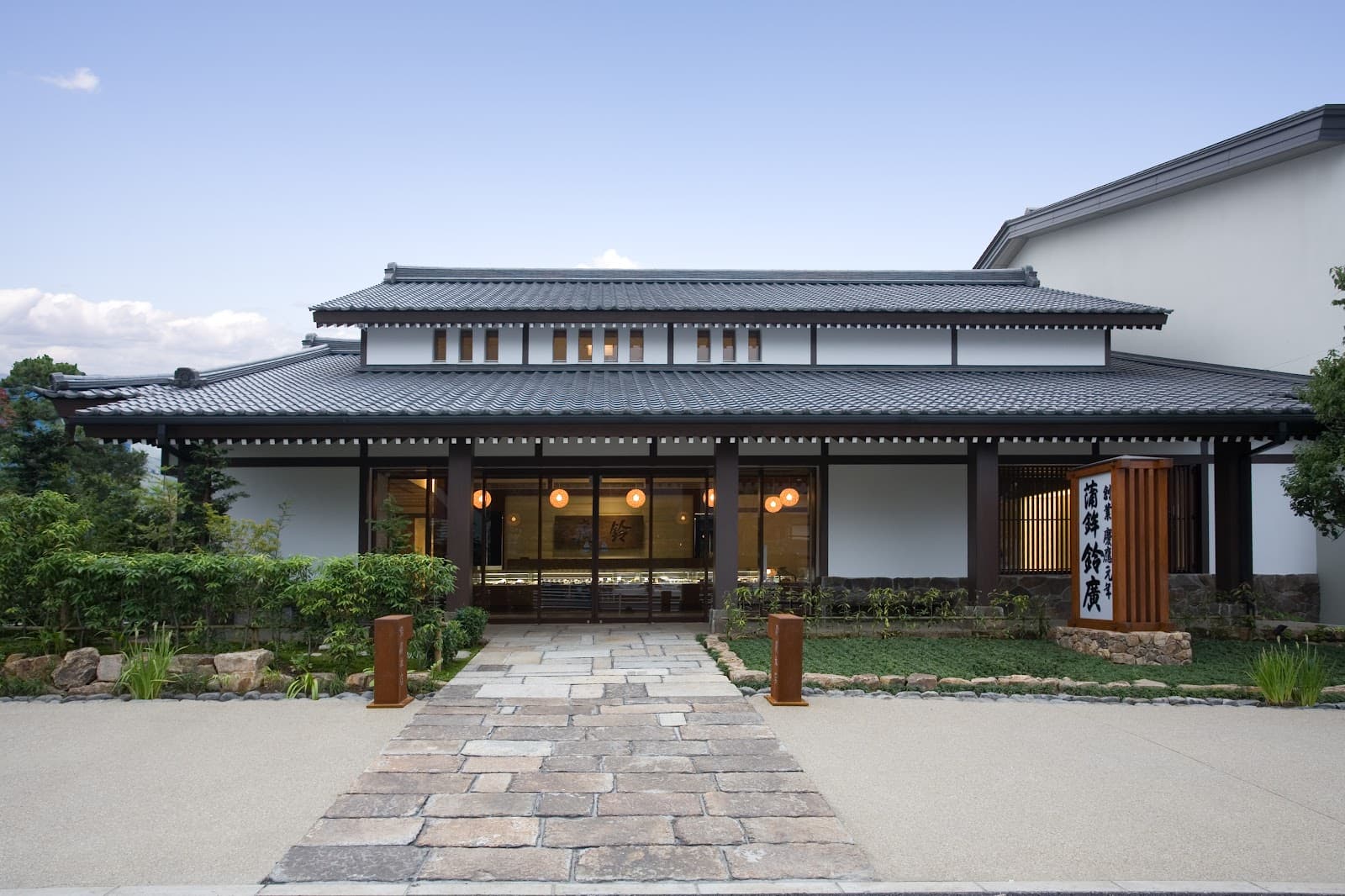
Odawara is the production centre for kamaboko, the cured fish cake that appears across Japanese cuisine, usually sliced and served as a side dish. The Suzuhiro Kamaboko-no-sato (4.1★) is both a food shop and an experience - it sells kamaboko, craft beer, and artisan foods, and runs workshops where you can make fish cakes yourself. The Suzuhiro Kamaboko Museum (4.0★) next door has exhibits, tastings, and workshop options. Both are located about 10 minutes by taxi or local bus from Odawara Station.
A workshop session at Suzuhiro costs around ¥1,320-¥2,200 depending on what you make. Tastings in the shop are free. If your schedule is tight, the shop itself gives a clear sense of what Odawara produces without committing to a full session.
Odawara as a Hakone Gateway
Odawara is where you buy the Hakone Freepass if you are arriving by Odakyu from Shinjuku, or where you board the Hakone Tozan Railway if you are heading to Hakone-Yumoto and beyond. Our Hakone transport guides cover this routing in full, so this article will not duplicate the logistics. What is worth stating here is that Odawara itself justifies 1.5 to 2 hours before continuing into Hakone - the castle, a walk through the park, and lunch or kamaboko at Suzuhiro fit neatly into a late-morning stop before the midday crowds reach Hakone.
If you are returning from Hakone in the afternoon, Odawara also works as a stopping point before the train home. The pace of the town after a busy day in Hakone is noticeably quieter.
One Place Most People Skip
Ishigakiyama Castle (4.2★) is a 15-minute taxi ride or 30-minute walk from the station and sits on a hill overlooking Odawara, Sagami Bay, and on clear days, Oshima Island. The ruins are from the 1590 siege fortification built by Hideyoshi - a different perspective on the same historical event that the Odawara Castle museum covers. There are almost no tourists here even in peak season, the park is free to enter, and the combination of moss-covered stonework and open views is precisely the kind of quiet historical site that is genuinely under-visited without any inflation of the description. A high park rating (4.2★) with minimal visitor queues tells its own story.
Fitting Both Towns Into a Trip
Narita and Odawara are not close to each other - travelling directly between them by train takes around 2.5 to 3 hours via Tokyo and involves multiple changes. They belong to different trip structures: Narita fits an arrival or departure day, Odawara fits a Hakone itinerary or a dedicated Kanagawa day.
A practical first-day structure for arrivals: land at Narita in the morning, take the JR Narita Line to Narita Station, walk Omotesando and visit the temple, eat unagi, then catch the Narita Express or Keisei Skyliner to your Tokyo hotel in the mid-afternoon. This avoids the exhausted-tourist pattern of going directly to Tokyo, staring at a metro map, and making bad decisions about dinner.
A practical Hakone structure: take the Odakyu Romancecar from Shinjuku to Odawara, spend 1.5 hours at the castle park and Suzuhiro, then continue to Hakone-Yumoto on the Hakone Tozan Railway. On the return, stop at Odawara for a later lunch or an Ishigakiyama Castle visit before the train back to Tokyo.
FAQs
See below.