
 By Declan Barry
Narita Beyond the Airport: Discovering the Historic Temple Town
Most travellers know Narita as the place where their Japan adventure begins or ends - a blur of immigration queues and departure gates. But just 10 minutes from Narita Airport lies one of the Kanto region's most rewarding day trips: a centuries-old temple town with atmospheric streets, exceptional eel restaurants, and a spiritual heart that predates Tokyo itself.
Tokyo
Tokyo Tower
Reminiscent of the Eiffel Tower, this landmark features observation areas & other attractions.
Open in Maps ↗If you've got a long layover, an early departure, or simply want to explore beyond Tokyo's familiar circuits, Narita town deserves your attention. Here's what actually awaits beyond the runways.
Getting There: Easier Than You Think
Narita town sits just 10 kilometres from the airport terminals. The journey takes 10-15 minutes and costs ¥260 on the JR or Keisei lines.
From Terminal 2, take the JR Narita Line (platform 1) or Keisei Main Line (platform 2) to Narita Station or Keisei-Narita Station - they're 400 metres apart and both work fine. Services run every 10-20 minutes throughout the day.
From Terminal 1, you'll need to take the free airport shuttle to Terminal 2 first (5 minutes), then catch your train. Alternatively, take the Keisei Line directly from Narita Airport Station beneath Terminal 2.
Both stations put you within a five-minute walk of Omotesando, the main approach street. You can store luggage at coin lockers in either station (¥300-¥600 depending on size) or at Narita Tourist Pavilion near the temple.
Narita-san Shinshō-ji: The Heart of Town
Narita's reason for existence stands at the end of Omotesando: Narita-san Shinshō-ji Temple, founded in 940 CE and one of Japan's most important Buddhist sites. Over 13 million visitors come annually - second only to Meiji Shrine in Tokyo - yet the temple maintains an atmosphere of genuine devotion rather than tourist spectacle.
The temple complex sprawls across 22 hectares of hillside gardens. The Great Main Hall, rebuilt in 1968, dominates the upper terrace with its sweeping copper roof. Inside, priests conduct goma fire rituals throughout the day - dramatic ceremonies where wooden prayer sticks burn in consecrated flames whilst monks chant sutras. These rituals happen every few hours and visitors can watch from the hall's edges (photography prohibited during ceremonies).
The Three-Storey Pagoda, built in 1712, stands as the temple's architectural masterpiece. Its vermillion lacquer glows particularly beautifully in late afternoon light. The pagoda suffered severe damage in the 2011 earthquake but underwent meticulous restoration completed in 2013.
Behind the main buildings, Narita-san Park offers 16.5 hectares of ponds, bridges, and seasonal plantings. The park transforms with the seasons: plum blossoms in February, cherry blossoms in early April, wisteria in May, and autumn colours from mid-November through early December. The three connected ponds attract herons, egrets, and occasionally kingfishers.
Entry to the temple grounds is free and the complex opens daily from sunrise to sunset (roughly 6:00-17:00 depending on season).
Omotesando: Edo-Period Shopping Street
The 800-metre approach to Narita-san, called Omotesando, preserves the atmosphere of an Edo-period temple town. Wooden buildings, many dating from the late 1800s or early 1900s, line both sides of the gently climbing street. Unlike the reconstructed nostalgia of some heritage zones, Omotesando remains a functioning commercial district where locals shop daily.
The street divides roughly into three sections. The lower section (nearest the stations) features souvenir shops selling temple amulets, daruma dolls, and printed calligraphy. The middle section concentrates Narita's famous eel restaurants - more on those shortly. The upper section, closest to the temple, offers traditional sweets, rice crackers, and tea shops.
Several shops welcome browsers:
Kawamata Senbei (川又煎餅) makes rice crackers by hand using techniques passed through five generations. You can watch craftspeople toast the sembei over charcoal fires, then buy warm crackers in flavours from simple salt to spicy nori.
Narita Yokan specialises in traditional yokan jellies - dense, sweet confections made from azuki beans, agar, and sugar. Their seasonal varieties match the temple's plantings: sakura in spring, yuzu in winter.
Tokyo
Sakura Shrine
Serene shrine with pink ribbons tied to trees as offerings & spring cherry blossom displays.
Open in Maps ↗Tsuruya sells woodblock prints of the temple and local festivals, many designed by contemporary artists working in traditional methods.
Budget at least an hour for wandering Omotesando. Most shops open 9:00-18:00 but some close earlier or take irregular holidays (particularly Tuesdays and Wednesdays).
Narita's Culinary Speciality: Unagi
Narita town built its culinary reputation on unagi - freshwater eel grilled over charcoal and lacquered with a sweet-savoury tare sauce. The tradition dates back centuries: pilgrims visiting Narita-san needed substantial meals, and the local rivers provided excellent eels.
Over 60 unagi restaurants operate in Narita today, with particularly high concentrations along Omotesando. Prices reflect the ingredient's premium status - expect ¥2,500-¥4,000 for a proper unagi meal - but the quality justifies the cost.
Three restaurants stand out:
Kawatoyo Honten (川豊本店) has grilled eels since 1910. Their three-storey wooden building with tatami rooms creates atmospheric dining. The unaju (eel over rice in a lacquer box) costs ¥3,200. Expect queues during lunch hours - arrive before 11:30 or after 13:30. Open 10:00-17:00 daily.
Kikuya (菊屋) offers a century-old recipe and riverside garden seating. Their uma-ju (premium large eel) runs ¥3,800 but delivers exceptional tenderness. Open 11:00-19:00, closed Thursdays.
Surugaya (駿河屋) balances tradition with modern comfort, offering both tatami and table seating. Their hitsumabushi (¥3,400) allows you to enjoy eel three ways: plain, with condiments, then as ochazuke with green tea poured over rice. Open 11:00-16:00, closed Tuesdays.
All three restaurants source eels live and grill to order, so expect 20-30 minutes between ordering and eating. The wait proves worthwhile.
Narita's Second Temple: Shinkatsu-ji
Ten minutes' walk east from Narita-san brings you to Shinkatsu-ji, a 1,000-year-old temple that predates its more famous neighbour. Whilst Narita-san draws crowds, Shinkatsu-ji offers contemplative quiet.
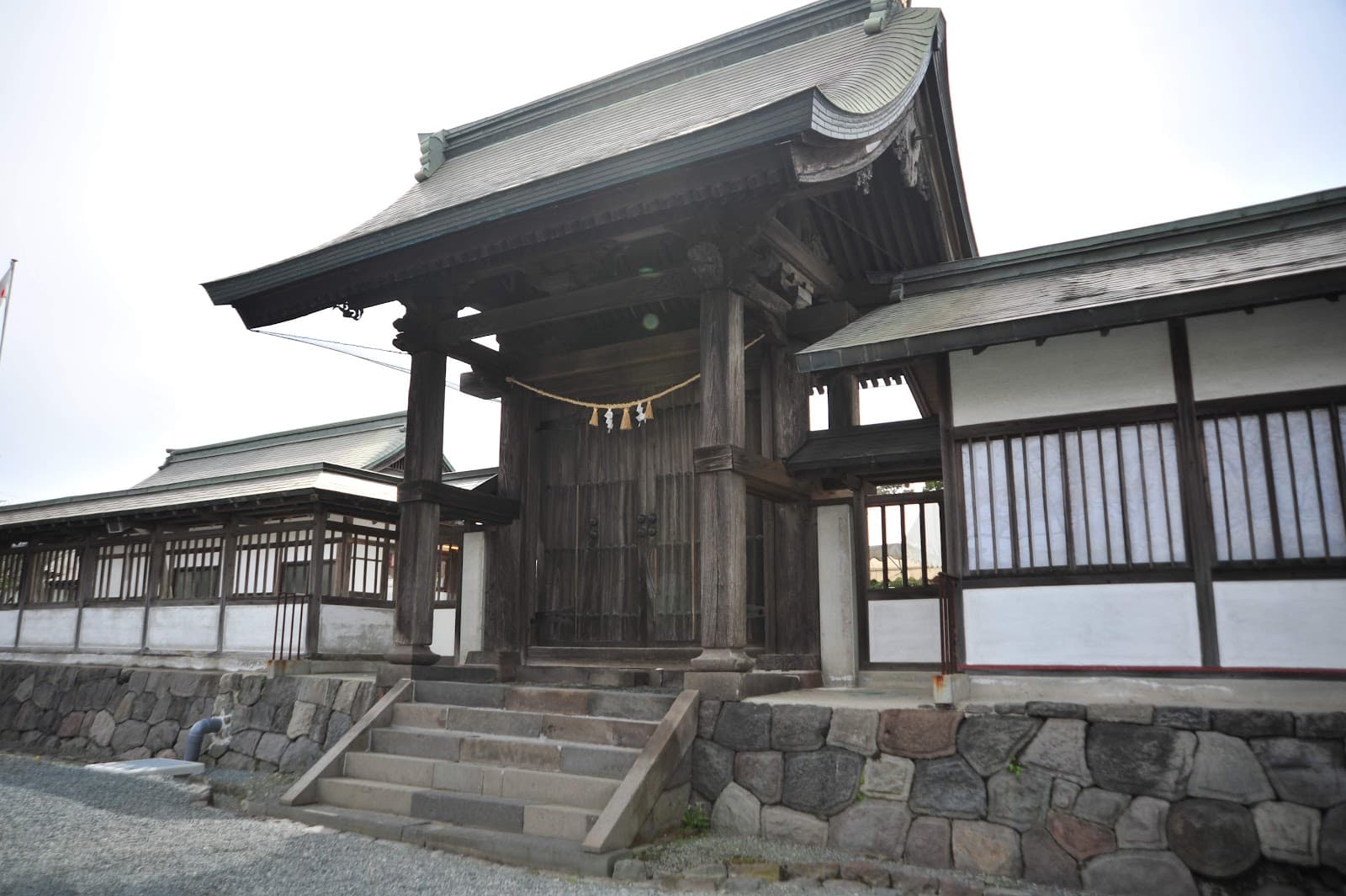
The temple's Main Hall dates from the Edo period, with elegant proportions and understated decoration. The two-storey gate, built in 1655, displays impressive carpentry in its bracket system. The temple grounds include a small cemetery where moss-covered stone markers tilt picturesquely.
Shinkatsu-ji charges no admission and keeps irregular hours (generally daylight hours). The temple sees few foreign visitors, making it an excellent counterpoint to Narita-san's bustle.
Narita-san Museum of Calligraphy
Japan's only museum dedicated solely to calligraphy occupies modern buildings within Narita-san's precincts. The permanent collection includes historical Buddhist sutras, calligraphy by famous monks, and contemporary works.
Exhibits rotate quarterly, displaying roughly 50 pieces at a time from the 5,000-work collection. English explanations remain minimal but the visual impact of masterful brushwork transcends language barriers.
Entry costs ¥500 (¥300 for students). Open 9:00-16:00 Tuesday-Sunday, closed Mondays and New Year period.
Practical Considerations
Time needed: A satisfying visit requires 3-4 hours minimum. Half a day (5-6 hours) allows unhurried temple exploration, lunch, and Omotesando browsing.
Luggage: Coin lockers at both railway stations accommodate bags up to large suitcase size. The Narita Tourist Pavilion (near the temple) offers temporary luggage storage for ¥500 per item.
Money: Whilst Tokyo has embraced cashless payments, Narita town runs largely on cash. Bring sufficient yen - ATMs in the stations accept international cards but shops and restaurants often don't accept cards.
Crowds: Weekends and Japanese holidays bring significant visitor numbers, particularly around Narita-san. Weekday mornings (before 11:00) offer the quietest experience. January 1-3 sees massive New Year crowds - avoid these dates unless you specifically want that experience.
Festivals: Narita's biggest events include the Setsubun Festival (early February) when thousands come for bean-throwing ceremonies, Narita Gion Festival (July) with portable shrine processions, and Autumn Grand Festival (November) featuring historical costumes and traditional performances.
Combining Narita with Airport Transit
Narita works brilliantly for various travel scenarios:
Long layover (6+ hours): Store luggage at the airport or Narita Station, take the 10-minute train ride, and explore for 3-4 hours. Remember to factor security queue times (60-90 minutes for international departures) back at the airport.
Night before departure: Stay in Narita town rather than airport hotels. Several business hotels near the stations cost ¥6,000-¥8,000 nightly - comparable to airport accommodation but with authentic dining options. Reach Terminal 2 in 15 minutes the next morning.
Arrival day: If you arrive early afternoon with Japan Rail Pass already active, visit Narita before heading to Tokyo. Your rail pass covers the Narita Line, making the detour essentially free.
Beyond the Obvious
Narita rewards curious exploration beyond the main temple street:
Narita Wholesale Market, 15 minutes' walk from the temple, operates public-facing restaurants serving exceptional-value seafood. Several shops open for lunch (11:00-14:00) weekdays.
Sakura-no-Yama Park, accessible by bus from Narita Station (¥200, 15 minutes), offers spectacular aircraft viewing with cherry trees and Mount Fuji visibility on clear winter days.
Boso-no-Mura Open Air Museum, 20 minutes by bus (¥300), recreates an Edo-period farming village with hands-on craft activities.
Making the Most of Your Visit
Narita town succeeds because it never became a theme park version of historic Japan. This remains a living temple town where locals worship, shop, and go about daily business. The authenticity - slightly scuffed, genuinely aged, functionally real - provides something increasingly rare in modern Japan.
Whether you've got a long layover or simply want to experience the Kanto region beyond Tokyo's intensity, Narita delivers an accessible, rewarding, and surprisingly substantial destination. The town proves that sometimes the journey's beginning or end deserves to become a destination itself.