
 By Declan Barry
Minshuku: Japan's Family-Run Guesthouses Explained
When you step through the sliding door of a minshuku, you're not just checking into accommodation - you're becoming a temporary member of a Japanese household. These family-run guesthouses offer something hotels simply cannot: genuine connection with local life, home-cooked meals, and insights into Japan that no guidebook can provide.
A minshuku (民宿) sits beautifully between a ryokan and a private home. Unlike their more formal ryokan cousins with their kaiseki feasts and attentive service, minshuku embrace simplicity and warmth. You'll sleep on futons laid over tatami mats, share stories over dinner with your hosts, and wake to the sounds of everyday Japanese life unfolding around you.
What Makes Minshuku Different
The heart of minshuku culture lies in its informality. Your host family typically lives in the same building, often just down the corridor. The grandmother might be preparing breakfast whilst her grandson does homework at the kotatsu. You're welcomed into their rhythm, not kept at the polite distance that characterises traditional hospitality businesses.
Expect communal bathing facilities - either a family-style bathroom you book for private use, or occasionally shared facilities where you'll follow Japanese bathing etiquette. The toilet might be separate from the bathroom (standard in Japanese homes). Your room will be simple: tatami flooring, a low table, floor cushions (zabuton), and a closet containing your futon bedding.
Meals are typically included and served at set times. Dinner might be at 18:00, breakfast at 07:30. This isn't negotiable flexibility - you're fitting into the household schedule. But what you gain is extraordinary: home-cooked regional specialities made with local ingredients, often from the family's own garden or nearby markets.
Where to Find Authentic Minshuku
The finest minshuku experiences cluster in rural and coastal areas where mass tourism hasn't yet homogenised accommodation options. The Japanese Alps remain minshuku heartland. In Takayama, traditional minshuku line the narrow streets of the Higashiyama Walking Course, many operating for three or four generations. Shirakawa-go's gassho-style farmhouses welcome guests into homes recognised by UNESCO, where irori hearths have burned continuously for centuries.
Shirakawa-go
Shirakawa-go
Historical village in a remote mountain area featuring traditional Gassho-style farmhouses.
Open in Maps ↗The Kumano Kodo pilgrimage routes threading through Wakayama Prefecture host some of Japan's most atmospheric minshuku. After hiking through cedar forests and past moss-covered stone markers, you'll arrive at guesthouses where the same families have welcomed weary pilgrims for decades. Expect futons that smell of sunshine, baths heated by wood fire, and hostesses who know exactly which temple stamp you're after next.
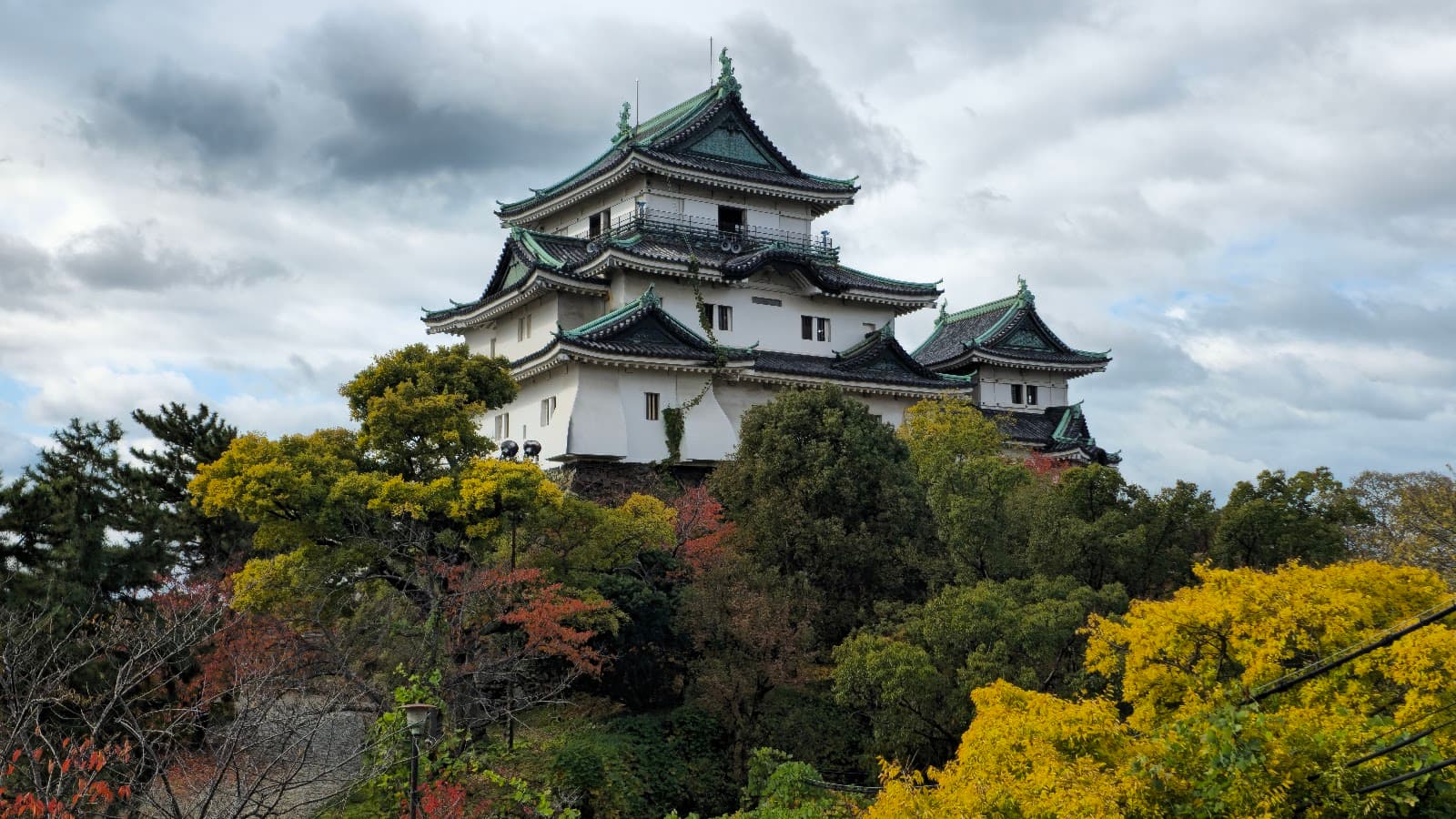
Wakayama
Wakayama Castle
Restored hilltop castle & park offering sweeping views, cherry blossoms & samurai weaponry exhibits.
Open in Maps ↗Noto Peninsula, jutting into the Sea of Japan from Ishikawa Prefecture, specialises in fishing-village minshuku where your dinner features whatever the fleet brought in that afternoon. In Wajima, minshuku owners often double as fishermen or morning market vendors. Your host might invite you to the market at 08:00, still in its original location since the Heian period.
On Sado Island (accessible by ferry from Niigata), minshuku cluster in former gold-mining villages and fishing ports. The island's isolation has preserved traditions - and minshuku culture - that have faded elsewhere. Here you'll find guesthouses where three generations still work together, preparing local specialities like burikama (yellowtail collar) and serving local Hokusetsu sake.
What to Expect from Your Stay
Arrive between 15:00 and 17:00 unless you've arranged otherwise. Many minshuku owners work other jobs during the day - farming, fishing, teaching - so they need time to prepare for your arrival. Phone ahead if you're running late; this courtesy matters enormously in small communities.
Your host will show you to your room, explain the bathing schedule, and confirm dinner time. This tour matters. Listen carefully when they demonstrate how to lock your door, where the toilet is located, and how the heater works. In older buildings, these systems can be charmingly idiosyncratic.
Bathing happens before dinner. If the bathroom uses a reservation system, book your slot when you arrive. Otherwise, check whether it's occupied before entering - some minshuku use simple wooden tags you flip to show occupancy. Remember Japanese bathing protocol: wash thoroughly at the taps before entering the tub, which is only for soaking. The same water serves multiple guests.
Dinner arrives at the specified time, served in your room or a communal dining area. Expect six to eight dishes showcasing regional ingredients and home-style cooking. Unlike kaiseki's artistic precision, minshuku meals feel like eating at your grandmother's house - if your grandmother happened to live in rural Japan and cooked brilliantly. In coastal areas, count on extraordinary seafood. Mountain minshuku serve river fish, mountain vegetables (sansai), and wild game.
Your futon appears whilst you're at dinner or bathing, laid out by your hosts. By morning, it vanishes into the closet. Some travellers feel uncomfortable with this intrusion into their room, but it's standard practice reflecting Japanese concepts of service and space usage.
Breakfast maintains the same home-cooked quality: rice, miso soup, grilled fish, pickles, a rolled omelette (tamagoyaki), and perhaps a local speciality. It's substantial fuel for whatever adventures your day holds. Breakfast time is even less flexible than dinner - arrive promptly or risk going hungry.
Booking Your Minshuku Stay
Most authentic minshuku don't appear on international booking platforms. The owners are often older, sometimes speaking no English, and they prefer bookings through established channels. Japanese travel sites like Jalan or Rakuten Travel list thousands of minshuku, though navigation requires some Japanese language ability or determined use of translation tools.
Local tourist associations offer booking services, particularly in rural areas where minshuku remain vital accommodation infrastructure. Takayama's tourist information centre near the station can book minshuku throughout the Hida region. The Kumano Kodo Pilgrimage Routes Association coordinates minshuku bookings along the walking trails.
Some minshuku now maintain basic websites or Facebook pages with email addresses for direct booking. This works well if you're comfortable with simple English exchanges or can write basic Japanese. Many hosts appreciate the direct connection and may offer insights about local festivals or hiking conditions.
Prices typically range from ¥6,000 to ¥10,000 per person per night including two meals. This represents exceptional value considering you're receiving private accommodation, dinner, and breakfast. Single-night stays are accepted, though some minshuku prefer two-night minimums, especially in remote locations where hosting requires significant preparation.
Payment usually happens in cash on departure. Few minshuku accept credit cards, so visit an ATM before arrival. 7-Eleven ATMs accept international cards and cluster in every town.
Language and Communication
Here's the honest truth: most minshuku hosts speak little or no English. This needn't derail your stay. The structure of minshuku hospitality means you can navigate the experience through gesture, timing, and basic courtesy. Arrive at the confirmed time, follow your host's demonstrations, eat what's served, and express gratitude with "gochisousama deshita" after meals.
Download Google Translate's offline Japanese package before departure. The camera function translates printed text - useful for breakfast schedules or bathing instructions posted in hallways. The conversation mode enables back-and-forth exchanges about dinner time or tomorrow's weather.
Learn essential phrases: "Arigatou gozaimasu" (thank you), "Oishii desu" (it's delicious), "Sumimasen" (excuse me/sorry), and "Onegaishimasu" (please/I ask this favour). These simple expressions transform interactions. Your hosts will appreciate the effort enormously, often responding with warmer service and insider recommendations.
Many minshuku families, especially younger generations, can exchange basic English phrases. Don't assume incomprehension - try simple English first. The grandmother might not understand, but her granddaughter who studied English at university may translate.
Cultural Considerations and Etiquette
Remove your shoes immediately upon entering, switching to provided slippers. These indoor slippers never enter tatami rooms - go barefoot or in socks on tatami. Separate toilet slippers live in the toilet room; use them only there, never elsewhere. Yes, it's a footwear management challenge initially, but you'll adapt within hours.
Tatami requires gentle treatment. Don't drag luggage across it. Don't walk on it in any footwear. The woven rush surface bruises easily, and replacing tatami costs significantly. Set your luggage on the wooden threshold or provided stand.
Respect quiet hours, typically from 22:00 to 07:00. Japanese wooden buildings transmit sound readily. Your phone conversation at midnight echoes through the entire establishment. Keep television volumes low, avoid running baths late at night, and move gently.
Mealtimes aren't flexible. If you've booked including meals, arrive punctually for dinner and breakfast. Your hosts have prepared specific dishes timed to your arrival. Missing meals without advance notice wastes food and disrespects their effort. If your plans change, communicate as early as possible.
Photograph respectfully. Ask permission before photographing people, especially your hosts. Some families welcome it; others find it intrusive. The communal spaces and your room are generally acceptable subjects, but confirm first.
Making the Most of Your Experience
The magic of minshuku emerges through engagement. Chat with your hosts over dinner. Ask about local festivals, hidden hiking trails, or the best time to visit the morning market. These conversations unlock insider knowledge that guidebooks cannot provide.
Bring small gifts (omiyage) from your hometown - nothing elaborate, perhaps biscuits, postcards, or regional sweets. Present them when you arrive, using both hands. This gesture aligns with Japanese gift-giving culture and establishes warm relations immediately.
Accept what's offered. If dinner includes an unfamiliar ingredient - fermented soybeans (natto), sea urchin (uni), or pickled vegetables you cannot identify - try everything. You needn't love it, but attempting each dish shows respect and often leads to interesting conversations about regional foodways.
Request recommendations. Your hosts live locally and know their area intimately. They'll suggest restaurants serving local specialities, hiking routes avoiding crowds, or festivals happening during your stay. This knowledge proves invaluable, particularly in rural areas where information in English barely exists.
Leave your room tidy. You needn't make the bed - your hosts will fold the futon - but don't scatter belongings everywhere. Japanese hospitality involves entering your room whilst you're absent, and chaos makes their work harder.
When Minshuku Suits Your Travel Style
Minshuku excel when you're exploring rural regions, hiking long-distance trails, or seeking authentic cultural immersion. They're perfect for independent travellers comfortable with unpredictability, who value experience over amenities. If you want to understand how Japanese people actually live - not the edited version hotels present - minshuku offer that window.
They're less suitable if you need extensive English support, require dietary flexibility, or prefer privacy and autonomy. Strict mealtimes don't accommodate spontaneous schedule changes. Language barriers can frustrate travellers who need detailed information or have complex requirements.
Families with young children often thrive in minshuku. Japanese hosts typically welcome children warmly, and the informal atmosphere suits families better than hushed ryokan formality. However, confirm the establishment accepts children when booking.
Solo travellers should note that per-person pricing remains constant. Unlike hotels where single rates exist, you'll pay the same whether alone or paired. This economics works better for couples or friends sharing rooms.
Beyond Accommodation: Becoming Part of the Story
The finest minshuku memories rarely centre on the rooms themselves. You'll remember the grandmother who taught you to make onigiri, shaping rice balls with practised hands whilst explaining the proper salt distribution. The fisherman host who invited you onto his boat at 05:00 to check nets in the pre-dawn mist. The family who drove you to a festival three villages over because they wanted you to experience their region's best celebration.
These moments cannot be manufactured or guaranteed. They emerge from the structure of minshuku hospitality, where hosts and guests exist in proximity, sharing space and meals and stories. You might stay one night and exchange only pleasantries. Or you might forge connections that bring you back annually, where your hosts remember your name and ask after your family.
This unpredictability defines minshuku's appeal. You're not purchasing a standardised product; you're accepting an invitation into someone's life and livelihood. What unfolds depends on personalities, timing, language ability, and luck. But when the chemistry aligns, when conversation flows despite language barriers, when your host shares treasured family recipes or local secrets, you'll understand why devoted travellers seek out these family guesthouses across Japan's quieter corners.