
 By Declan Barry
Booking Accommodation in Hakone: The Ryokan vs Hotel Decision
Hakone's accommodation landscape splits into two distinct worlds: traditional ryokan with tatami floors and kaiseki dinners, and Western-style hotels with beds and buffets. Both offer access to the region's famous hot springs, but the experience couldn't be more different. Your choice shapes not just where you sleep, but how you experience one of Japan's most beloved weekend escapes.
Hakone
Hakone Park
Former imperial palace complex offering walking paths & an observation platform with scenic views.
Open in Maps ↗Hakone
Hakone Shrine
Historic Japanese Shinto shrine with a small museum in a verdant lakefront setting.
Open in Maps ↗Understanding Ryokan: More Than Just a Room
A ryokan stay follows centuries-old hospitality traditions. You'll remove your shoes at the entrance, slip into a yukata (cotton kimono), and pad through corridors in provided slippers. Your room features tatami mat flooring, sliding shoji screens, and a low table for dining. The futon bedding gets laid out by staff each evening and packed away each morning.
Most Hakone ryokan include two meals in the room rate: an elaborate kaiseki dinner and a Japanese breakfast. Dinner arrives as a procession of small dishes - perhaps 8-12 courses - showcasing seasonal ingredients and regional specialities. Breakfast typically features grilled fish, miso soup, rice, pickles, and rolled omelette. These meals aren't optional extras; they're built into the ryokan philosophy of complete hospitality.
Prices reflect this all-inclusive approach. Expect to pay ¥25,000-45,000 per person per night at a mid-range Hakone ryokan, with luxury properties reaching ¥60,000-80,000. Budget options around ¥15,000-20,000 exist but remain limited. The per-person pricing (not per-room) can surprise first-timers, though it makes more sense when you factor in the included meals.
The Hotel Alternative: Flexibility and Familiarity
Western-style hotels in Hakone range from business-hotel functionality to resort luxury. You'll find proper beds, private bathrooms with standard fixtures, and the freedom to structure your day without meal commitments. Many hotels offer onsen facilities comparable to ryokan baths, sometimes with better views or more varied bath types.
The pricing model differs fundamentally. Hotels charge per room (typically ¥15,000-35,000 for a double), with meals as optional add-ons. A buffet breakfast might cost ¥2,500-3,500, whilst dinner runs ¥5,000-8,000. This flexibility suits travellers who want to explore Hakone's restaurant scene or prefer lighter meals.
Hotel rooms provide more space for luggage, easier access for mobility issues, and familiar amenities like kettles, desks, and English-language TV channels. Families often find hotels more practical, especially with young children who might struggle through formal kaiseki dinners.
The Onsen Experience: Quality Over Style
Both accommodation types provide access to Hakone's mineral-rich hot springs, but the bathing experience varies. Ryokan typically offer smaller, more intimate baths - perhaps one indoor bath and one outdoor rotenburo per gender, accommodating 4-8 bathers comfortably. The water comes from the property's own source or a nearby spring, piped directly into beautifully crafted stone or wood baths.
Larger hotels might feature extensive onsen complexes with multiple bath types: indoor baths, outdoor baths, sauna rooms, cold plunges, and private family baths. The Hakone Kowakien Yunessun even includes themed baths and water slides. However, more facilities don't guarantee better water quality - some hotels supplement natural spring water with heated tap water during peak times.
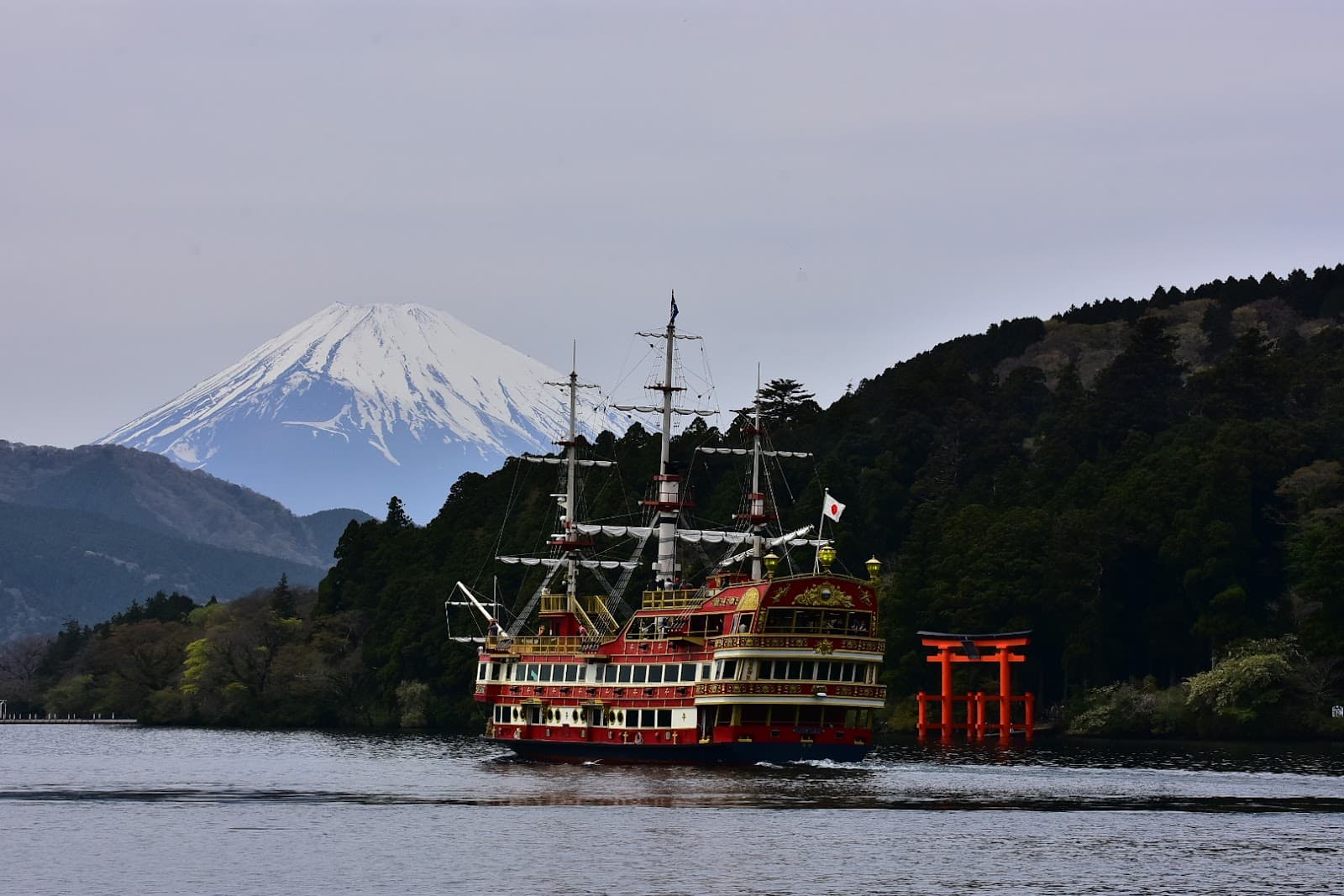
The best ryokan onsen combine exceptional water quality with stunning views. Properties in Gora, Sengokuhara, or along Lake Ashi often position outdoor baths to frame Mount Fuji or forest vistas. These smaller baths mean you might share the space with just one or two other guests, creating an almost private experience during quiet hours (typically 6-7am or 10-11pm).
Hakone
Lake Ashi
Picturesque caldera lake/resort area with boat tours, hot springs, accommodation & views of Mt Fuji.
Open in Maps ↗Location Considerations Within Hakone
Hakone spans several distinct areas, each with different accommodation characters. Hakone-Yumoto, the gateway town at the base of the mountains, clusters with mid-range ryokan and business hotels near the station. Convenient for transport connections but less atmospheric, this area suits quick overnight stops.
Gora and Sengokuhara, higher in the mountains, host many of Hakone's finest ryokan and resort hotels. These areas offer genuine mountain scenery and excellent onsen water quality. Gora sits on the Hakone Tozan Railway line, making car-free travel feasible. Sengokuhara requires bus connections but rewards with more spacious grounds and quieter surroundings.
The Lake Ashi area - particularly Moto-Hakone and Hakone-machi - combines water views with cultural sites like Hakone Shrine. Accommodation here splits between resort hotels with lake-facing rooms and smaller ryokan tucked into the hillsides. Morning mist over the lake creates magical views, though room rates reflect the premium location.
Cultural Immersion vs Practical Comfort
Ryokan stays demand some cultural flexibility. You'll navigate meal times (usually 6-7pm for dinner, 7:30-8:30am for breakfast), bath etiquette (washing thoroughly before entering the communal bath, no swimwear, no towels in the water), and spatial arrangements (sitting on floor cushions, sleeping on futons). Staff interaction increases - they'll serve your meals, prepare your room, and check on your comfort throughout the stay.
This structure creates memorable experiences but requires adaptation. Solo travellers might feel conspicuous dining alone in their room. Those with dietary restrictions face challenges, as kaiseki menus resist modification. Late sleepers miss breakfast. Early risers wait for dinner. The formality, whilst never uncomfortable, creates gentle constraints.
Hotels eliminate these considerations. Eat when you want (or not at all), come and go freely, and interact with staff minimally if you prefer. This independence particularly benefits travellers continuing to other destinations, as you're not tied to specific meal times when planning departure.
Making the Choice: Questions to Ask Yourself
Consider your travel pace. After days of temple visits and city exploration, do you want structured hospitality or the freedom to collapse in your room with convenience store snacks? Ryokan suit travellers treating Hakone as a destination itself, whilst hotels work better as a base for active sightseeing.
Think about group dynamics. Couples often love the ryokan intimacy and paired kaiseki dinners. Families with children under 10 might struggle with long formal meals and floor seating. Groups of friends could find hotels more conducive to socialising on their own schedule.
Budget plays differently depending on your meal preferences. If you'd spend ¥8,000-10,000 per person on good meals anyway, ryokan pricing becomes competitive. If you're happy with ¥1,500 convenience store bento or ¥2,000 ramen, hotels cost less overall.
Your Japan experience level matters too. First-time visitors often treasure their ryokan stay as a cultural highlight, even if they feel slightly uncertain about protocols. Return visitors might want to try different accommodation styles or focus their cultural immersion elsewhere.
Practical Booking Considerations
Book Hakone accommodation 2-3 months ahead for weekends and holidays, especially during autumn foliage (November) and New Year. Some renowned ryokan like Hakone Ginyu or Yumoto Fujiya Hotel fill up six months in advance. Weekday availability remains better, with occasional last-minute deals.
Many traditional ryokan don't accept single-night bookings on Saturdays, requiring two-night minimum stays. Hotels rarely impose this restriction. If your schedule allows only one night and you want a ryokan experience, target Sunday through Thursday arrivals.
Reading reviews requires cultural translation. Western guests sometimes complain about ryokan "small portions" without realising kaiseki consists of many courses. Others mention "no privacy" regarding staff entering to serve meals and prepare beds - this attentive service defines the ryokan experience. Look past cultural misunderstandings to assess actual quality: onsen water, food freshness, cleanliness, and view quality.
Hybrid Options: The Best of Both
Some Hakone properties blend Western and Japanese elements. Hakone Highland Hotel offers rooms with beds and minimal meal requirements, but maintains traditional onsen facilities and Japanese-style public spaces. Hakone Pax Yoshino provides both Western and Japanese room styles, letting you choose your preferred setup.
These hybrid properties suit families with mixed preferences or travellers wanting cultural flavour without full immersion. Prices typically fall between budget ryokan and resort hotels, around ¥20,000-30,000 per room with optional meal plans.
The Seasonal Factor
Autumn (late October through November) brings Hakone's most dramatic colours and highest rates. Both ryokan and hotels command premium prices, with popular properties doubling their base rates. The views justify the cost if autumn scenery matters to you, but spring (April-May) offers better value with nearly equal beauty.
Winter (December-February) creates a different value equation. Snow-viewing rotenburo baths become magical, steam rising into cold air as you soak with mountain views. Lower demand means negotiable rates and easier bookings. Summer (July-August) faces high humidity and crowds but provides relief from Tokyo's heat.
New Year (December 29-January 4) sees ryokan at their most traditional, with special osechi cuisine and cultural programming. Rates peak, and minimum stays extend to three or four nights. Hotels remain somewhat more flexible and affordable during this period.
Your Decision Framework
Choose a ryokan when you want: cultural immersion, kaiseki cuisine, intimate onsen settings, and structured hospitality. Accept higher costs, fixed meal times, and floor-based living. Best for couples, culture enthusiasts, and travellers spending 1-2 nights focused on relaxation.
Choose a hotel when you need: flexibility, familiar comfort, independent meal choices, and luggage-friendly rooms. Benefit from lower costs (especially for families), buffet variety, and freedom of schedule. Best for families with children, groups, active sightseers, and multi-night stays.
You can't really choose wrong. Hakone's appeal - mountain scenery, hot spring culture, and proximity to Tokyo - transcends accommodation style. Your sleeping arrangements simply colour the experience differently. Some travellers love ryokan so much they never book hotels; others prefer hotel practicality for every trip. Most find value in experiencing both styles across different trips, discovering which elements matter most to their travel style.
Whichever you choose, book properties with genuine onsen facilities (not just public baths with heated tap water), decent online reviews from recent guests, and locations matching your sightseeing priorities. The accommodation decision matters less than ensuring quality within your chosen style. Hakone rewards both approaches when you pick well.