
 By Declan Barry
The Ghibli Park in Nagoya: Your Complete Visitor's Guide
Studio Ghibli Park opened in November 2022 in Aichi Prefecture, about 40 minutes from central Nagoya. Unlike traditional theme parks with rides and queues, this is an immersive walking experience through recreated worlds from beloved films like My Neighbour Totoro, Spirited Away, and Howl's Moving Castle. The park sprawls across 194 hectares of Expo 2005 Memorial Park (Moricoro Park), blending Ghibli's magic with natural woodland.
Nagoya
Nagoya Castle
This restored castle originally completed in 1612 features artifacts & exhibits on the Edo Period.
Open in Maps ↗This guide covers everything you need to know: booking tickets months ahead, reaching the park from Nagoya, what to expect in each area, and how to make the most of your visit.
Understanding the Park Layout
Ghibli Park consists of five distinct areas across the wider memorial park grounds. You won't find rollercoasters or costumed characters here. Instead, you'll walk through meticulously recreated buildings and landscapes, discovering details that bring Ghibli films to life.
The five areas are:
Ghibli's Grand Warehouse - An indoor space packed with exhibitions, a theatre, play areas, and shops. This is the park's heart, housed in a converted temperature-controlled building. Budget 2-3 hours here.
Hill of Youth - Features the antique shop from Whisper of the Heart and the fantastical elevator building from The Cat Returns. Smaller than the Warehouse but photographically stunning.
Dondoko Forest - Home to Satsuki and Mei's house from My Neighbour Totoro, reached via a forest walking path. The house interior is fully furnished with period-accurate details.
Mononoke's Village (opened October 2023) - Recreations from Princess Mononoke, including the Irontown settlement and the demon god of the forest. This area has more dramatic terrain.
Valley of Witches (opened March 2024) - The newest area, featuring Howl's moving castle, Kiki's parents' bakery from Kiki's Delivery Service, and a castle restaurant.
You need separate tickets for each area. The Valley of Witches and Ghibli's Grand Warehouse are the most popular and sell out fastest.
Booking Tickets: The Essential First Step
Tickets go on sale at 10:00 JST on the 10th of each month, for visits two months ahead. For example, tickets for March visits open on 10 January. They sell out within minutes for weekends and Japanese holidays.
Book through the official Boo-Woo ticket system (English available). You'll need to create an account and add a payment card. International cards work.
Ticket prices (as of 2024):
- Ghibli's Grand Warehouse: ¥2,500 (adults), ¥1,500 (children)
- Valley of Witches: ¥1,500 (adults), ¥750 (children)
- Hill of Youth: ¥1,000 (adults), ¥600 (children)
- Dondoko Forest: ¥1,000 (adults), ¥600 (children)
- Mononoke's Village: ¥1,500 (adults), ¥750 (children)
Each ticket grants entry during a specific time slot. The Grand Warehouse offers slots at 9:00, 10:00, 11:00, 12:00, 13:00, 14:00, and 15:00. Other areas typically have 10:00, 11:00, 12:00, 13:00, and 14:00 slots.
Strategic booking tips:
Book weekdays if possible. Tuesdays and Wednesdays have better availability. Avoid Japanese school holidays (late July through August, late March, Golden Week in late April/early May, and mid-December).
Prioritise the Grand Warehouse and Valley of Witches. If you can only book one or two areas, choose these.
Early morning slots get you ahead of crowds. The 9:00 Grand Warehouse slot offers the calmest experience.
Once inside an area, you can stay until closing time (17:00, or 16:00 November-February). This matters especially for the Grand Warehouse where you'll want hours to explore.
Getting There from Nagoya
From Nagoya Station, take the Higashiyama Line (yellow line) to Fujigaoka Station (¥270, 30 minutes). At Fujigaoka, transfer to the Linimo magnetic levitation line towards Yakusa. Get off at Ai-Chikyuhaku-Kinen-Koen Station (¥340, 13 minutes). The park entrance is a 5-minute walk.
Total journey time: 50 minutes. Total cost: ¥610 each way.
The Linimo is a driverless maglev train that glides 9cm above its track. It was built for Expo 2005 and feels futuristic, which somehow suits a Ghibli trip.
Trains run every 10-15 minutes from early morning until about 22:00. The last Linimo back to Fujigaoka departs around 22:30.
Coming from other cities:
From Tokyo: Take the Tokaido Shinkansen to Nagoya (¥11,300, 100 minutes with Hikari), then follow the directions above. It's feasible as a long day trip but exhausting.
From Osaka/Kyoto: Tokaido Shinkansen to Nagoya (¥5,940 from Kyoto, 35 minutes; ¥6,680 from Shin-Osaka, 50 minutes), then Higashiyama Line.
From Chubu Centrair Airport: Meitetsu train to Nagoya (¥870, 28-40 minutes), then Higashiyama Line.
What to Expect in Each Area
Ghibli's Grand Warehouse
This temperature-controlled warehouse contains 14 different spaces spread across three floors. It's part museum, part playground, part shopping arcade. You could easily spend half a day here.
The Central Exhibition Area recreates scenes from multiple films: the bathhouse boiler room from Spirited Away (you can pull the levers), the rooftop garden from The Secret World of Arrietty, and the sky castle from Castle in the Sky.
The Children's Play Area features a giant plush cat bus that children under 12 can climb inside. Adults watch enviously from outside.
The Exhibitions Room rotates special displays. Past exhibitions have covered Ghibli's short films, Hayao Miyazaki's sketches, and the studio's background art techniques.
The Mimi o Sumaseba (Whisper of the Heart) Room recreates the story's magical library in detail. The card catalogue drawers actually open, containing handwritten cards.
The Theatre screens exclusive Ghibli short films not available anywhere else. Screenings rotate throughout the day. Each holds about 170 people. Programmes change periodically but have included "Mei and the Kittenbus", "The Day I Harvested a Star", and "House Hunting".
There are three shops here selling exclusive park merchandise. The largest, Ghibli's Grand Warehouse Shop, gets extremely crowded after 13:00. Visit during early morning or after 16:00 if possible.
Cafe Daibibu serves light meals: sandwiches (¥600-800), curry rice (¥1,200), and themed desserts (¥700-900). Expect queues at lunchtime.
Valley of Witches
This March 2024 addition sits in the park's northern section. Howl's castle, four storeys tall, dominates the landscape. The castle doesn't move but it's architecturally impressive, with different historical styles jutting at impossible angles.
Inside, you'll find Sophie's hat shop and the castle's cluttered interior, including Calcifer's hearth and Howl's bedroom. The castle interior follows the film's spatial logic, which means it doesn't quite make sense, which somehow makes it perfect.
Guchokipanya, Kiki's parents' bakery, sells actual bread and pastries (¥300-600). The chocolate cake is particularly good. The interior matches the film exactly: worn floorboards, vintage oven, flour sacks.
The Hot Tin Roof restaurant serves Western-style meals (¥1,800-2,800 for mains). Reservations open when you buy Valley of Witches tickets. Book immediately if you want lunch here.
The area also includes a flying machine from Castle in the Sky and smaller details scattered throughout the paths.
Hill of Youth
This area occupies the park's highest point with views across the valley. The Antiques Shop Earth-Ya from Whisper of the Heart is beautifully detailed. You can see the Baron cat statue in the window and explore the cramped shop interior filled with clocks, globes, and vintage radios.
The Elevator Building from The Cat Returns rises alongside. Its impossible architecture - lifts that go sideways, staircases leading nowhere - creates wonderful photo opportunities.
There's a small shop selling stationery and books, plus a counter serving soft-serve ice cream (¥500).
This area takes 45-60 minutes to explore thoroughly.
Dondoko Forest
A 15-minute uphill woodland walk leads to Satsuki and Mei's house. The path passes through natural forest (some of it steep) with occasional Totoro touches: small soot sprites peeking from tree hollows, a makeshift shrine.
The house itself is extraordinary. It's a full-scale 1950s Japanese rural home, furnished exactly as in the film. You can open cupboards, examine the kitchen's vintage cookware, and spot Mei's red sandals by the door. The tatami rooms smell of fresh straw.
The attention to period detail is remarkable: glass milk bottles, an old-fashioned well, a vegetable garden, even the specific wildflowers growing around the property.
Behind the house, a small wooden path leads to a shrine where (if you squint) you might see Totoro.
Allow 90 minutes total: 15 minutes walking up, 45 minutes exploring the house and grounds, 15 minutes walking down.
Mononoke's Village
This October 2023 area recreates Irontown with its forges and waterwheel, plus structures from the film's forest scenes. The terrain is hillier here, with proper forest all around.
The Irontown settlement includes Eboshi's residence and workshops where the women make rifles. You'll see the forge bellows and tatara iron-making facilities.
The Emishi Village showcases the village where Ashitaka came from, with different architectural styles.
A large demon god structure looms on the hillside, captured mid-transformation.
Allow 60-90 minutes. There's more walking here than other areas, some on uneven paths.
Practical Planning
How many areas in one day?
Three areas is realistic if you start early. Four is possible but rushed. Five requires a full day from 9:00 opening until 17:00 closing and you'll be exhausted.
A relaxed pace: Grand Warehouse (9:00 entry, stay until 13:00), Valley of Witches (14:00 entry), and either Hill of Youth or Dondoko Forest (late afternoon).
Food options:
The Grand Warehouse and Valley of Witches have restaurants. Outside these areas, food options in the wider memorial park are limited to a small cafe near the main entrance and vending machines.
Bring snacks if you're spending a full day. There's a Lawson convenience store near Ai-Chikyuhaku-Kinen-Koen Station where you can stock up before entering.
What to bring:
Comfortable walking shoes (essential). You'll cover 5-8 kilometres across the full park.
Weather-appropriate clothing. Much of the park is outdoors. Winter (December-February) gets cold. Summer (July-August) is hot and humid.
Water bottle. Vending machines exist but aren't everywhere.
Phone fully charged for photos. There are some charging points in the Grand Warehouse but they're limited.
Accessibility:
Wheelchair accessible paths connect most areas, though Dondoko Forest's woodland trail is challenging. The Grand Warehouse, Valley of Witches, and Hill of Youth are fully accessible. Wheelchair rentals available at the park entrance (¥500, deposit required).
Best Times to Visit
Spring (April-May) brings cherry blossoms and fresh greenery. The woodland walks are stunning.
Autumn (October-November) offers gorgeous autumn colours. The forest areas particularly shine.
Summer gets extremely humid. July and August also bring Japanese school holidays, meaning larger crowds.
Winter is quieter and crisper, but some outdoor areas feel less magical in bare winter light. The Grand Warehouse's indoor comfort is particularly welcome.
Avoid Japanese public holidays: Golden Week (late April-early May), Obon (mid-August), Silver Week (September), and New Year (late December-early January).
Merchandise and Shopping
Every area has a shop, but the Grand Warehouse's three shops offer the widest selection.
Exclusive items include plush toys (¥2,000-4,500), area-specific tote bags (¥2,800), postcards (¥150), pins (¥800), and themed stationery (¥500-1,500).
The shops get extremely crowded. Queue management is strict during busy periods. Visit shops during your first hour in an area before crowds build.
Purchases can be large and heavy. Consider whether you want to carry items all day or save shopping for your last area.
Combining with Nagoya Exploration
A Ghibli Park day trip combines naturally with a Nagoya stay. Spend one day at the park, another day exploring Nagoya itself: Nagoya Castle, Osu Shopping District, the Toyota Commemorative Museum of Industry and Technology, or Atsuta Shrine.
Nagoya
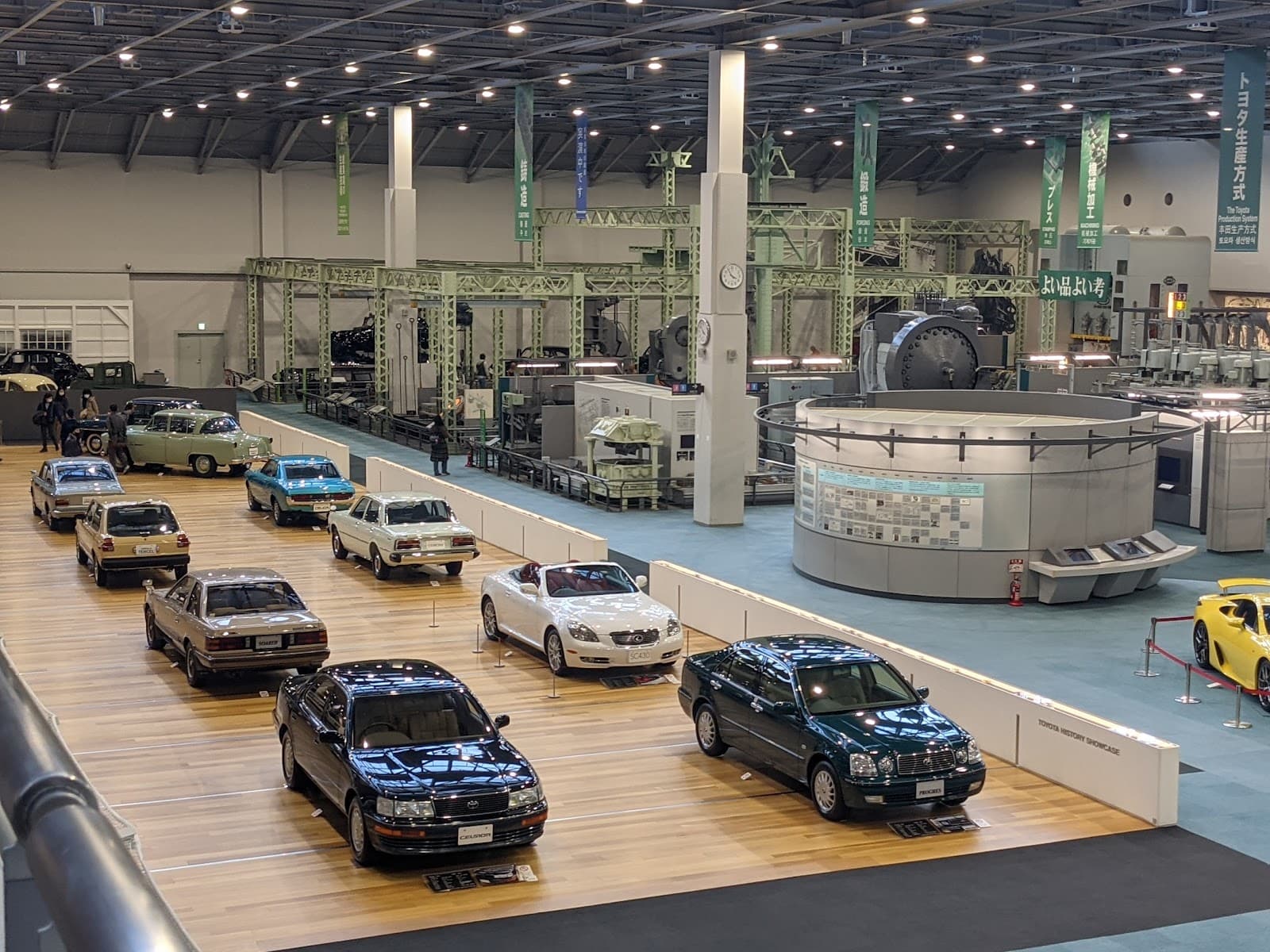
Toyota Commemorative Museum of Industry and Technology
Textile & car machinery, plus exhibits on the carmaker's origins, on display in a former factory.
Open in Maps ↗Nagoya's food scene includes regional specialities: hitsumabushi (grilled eel on rice), tebasaki (chicken wings), miso katsu (pork cutlet with miso sauce), and kishimen (flat udon noodles).
Alternatively, use Nagoya as a base for day trips to nearby destinations: Takayama, the Kiso Valley, or Inuyama Castle.
Final Tips
Set multiple alarms for ticket sales day. They really do sell out in minutes.
Screenshot your tickets after booking. The Boo-Woo system sometimes has login issues.
Arrive 20 minutes before your entry time slot. Ticket checks take a few minutes.
The Grand Warehouse's film theatre has limited seating. Head there early in your visit to catch a screening.
Some recreated interiors have viewing time limits during busy periods. Staff will politely move you along after 10-15 minutes.
Photos are allowed everywhere except inside the film theatre. Some areas request no flash photography.
The wider Expo Park has pleasant walking paths, a hot spring facility (separate entrance fee), and open lawns. If you finish all your ticketed areas early, the surrounding park offers a relaxing wind-down.
Ghibli Park delivers something different from typical theme parks: no manufactured excitement, just gentle immersion in worlds you've loved on screen. It's contemplative rather than thrilling, detailed rather than spectacular. For Ghibli fans, walking through Howl's castle or sitting in Satsuki's kitchen creates genuinely moving moments. Book well ahead, wear comfortable shoes, and let the magic work at walking pace.