
 By Declan Barry
Demon Slayer Locations in Japan: Asakusa and Beyond
Kimetsu no Yaiba (Demon Slayer) has captivated millions worldwide with its stunning animation, compelling characters, and rich depiction of Taishō-era Japan. For fans planning a trip to Japan, visiting the real-world locations that inspired the series adds an extraordinary layer to your adventure. From Tokyo's historic Asakusa district to remote mountain villages, these sites offer a tangible connection to Tanjiro's world.
Tokyo
Tokyo Tower
Reminiscent of the Eiffel Tower, this landmark features observation areas & other attractions.
Open in Maps ↗Asakusa: The Heart of Taishō Tokyo
Asakusa serves as the primary inspiration for the Tokyo scenes in Demon Slayer, particularly in the Entertainment District Arc. This historic neighbourhood perfectly captures the atmosphere of early 20th-century Japan, making it essential for any anime pilgrimage.
Sensō-ji Temple and Nakamise Street
The iconic Kaminarimon (Thunder Gate) at Sensō-ji Temple appears throughout the series. The massive red lantern and guardian statues create an unmistakable landmark that Tanjiro and his companions would recognise instantly. Walk through the gate onto Nakamise Street, where traditional shops selling ningyo-yaki (small cakes) and ningyo (dolls) line both sides - exactly as depicted in the anime.
Visit early morning (around 6:00-7:00) to experience the temple grounds before crowds arrive. The main hall opens at 6:00, and watching locals perform their morning prayers provides an authentic glimpse into Japanese spiritual life. Entry to the temple grounds is free, though you might want ¥100 coins for omikuji (fortune papers).
Hanayashiki Amusement Park
Japan's oldest amusement park, established in 1853, sits just behind Sensō-ji. Whilst not directly featured in the anime, Hanayashiki's nostalgic atmosphere perfectly matches the Taishō period aesthetic. The compact park (entry ¥1,200, individual rides ¥100-400) features vintage attractions and provides excellent photo opportunities.
Traditional Architecture Walking Route
Explore the backstreets west of Sensō-ji, particularly along Dempōin-dōri Street. Here you'll find preserved wooden machiya (traditional townhouses) and occasional glimpses of the old Tokyo that inspired the series. The Asakusa Culture Tourist Information Center on the main street offers free observation decks on the eighth floor - perfect for sunset views over the neighbourhood (open 9:00-20:00 daily).
Mount Kumotori: Tanjiro's Mountain Home
The remote mountains where Tanjiro's family lived draw inspiration from Mount Kumotori, Tokyo's highest peak at 2,017 metres. Located on the border of Tokyo, Yamanashi, and Saitama prefectures, this challenging hike rewards determined fans with pristine wilderness.
Planning Your Hike
The most popular trail starts from Okutama Station (JR Ōme Line, ¥1,170 from Shinjuku, approximately 2 hours). From there, take a bus to Kamosawa bus stop (¥710, 35 minutes, limited services). The round-trip hike takes 8-10 hours for experienced hikers.
Best seasons are May through November - winter conditions require mountaineering experience and proper equipment. Always check weather forecasts and trail conditions at the Okutama Visitor Center near the station. Bring substantial water (at least 2 litres per person), energy food, proper hiking boots, and layers for temperature changes.
Alternative: Mitake Mountain
For a more accessible mountain experience, Mount Mitake offers similar scenery with significantly less difficulty. Take the JR Ōme Line to Mitake Station (¥880 from Shinjuku), then a bus to the cable car station (¥270). The cable car ascends to the village area (¥600 one way, ¥1,130 return), where Musashi Mitake Shrine and forest paths evoke the series' mountain settings.
Yumoto Onsen, Hakone: Hot Spring Healing
The Swordsmith Village Arc's hot spring scenes find their real-world counterpart in Hakone's numerous onsen towns. Yumoto Onsen, the largest hot spring area in Hakone, offers authentic ryokan experiences reminiscent of the peaceful moments in the series.
Hakone
Hakone Shrine
Historic Japanese Shinto shrine with a small museum in a verdant lakefront setting.
Open in Maps ↗Hakone
Hakone Park
Former imperial palace complex offering walking paths & an observation platform with scenic views.
Open in Maps ↗Tenzan Onsen
This traditional bathhouse (¥1,300 entry, open 9:00-22:00 daily) features outdoor baths surrounded by natural rock formations and mountain views. The rotenburo (outdoor baths) particularly capture the atmosphere of the anime's onsen scenes. Facilities include gender-separated bathing areas and rest areas where you can relax post-bath.
Reach Yumoto Onsen via the Odakyu Romance Car from Shinjuku to Hakone-Yumoto Station (¥2,470 reserved seat, 85 minutes). Many onsen facilities lie within walking distance of the station.
Staying Overnight
For the full experience, book a traditional ryokan with kaiseki dinner and breakfast. Mid-range options start around ¥15,000 per person including meals. Yumoto Fujiya Hotel and Hakone Suimeisō offer excellent value with private or communal onsen baths.
Mount Fuji Viewpoints: Iconic Japan
Whilst not explicitly shown in Demon Slayer, Mount Fuji represents the eternal Japan that forms the series' backdrop. Several viewpoints offer perfect photo opportunities.
Chureito Pagoda
This five-storey pagoda near Fujiyoshida provides the quintessential Fuji view, especially during cherry blossom season (early April) or autumn colours (mid-November). Take the Fujikyu Railway from Ōtsuki Station to Shimoyoshida Station (¥520, 50 minutes from Shinjuku via JR Chūō Line plus transfer). Climb 400 steps to the pagoda (free entry).
Visit early morning (before 9:00) during peak seasons to avoid crowds and catch clear views - Fuji often becomes cloud-obscured by midday.
Lake Kawaguchiko
The northern shore of Lake Kawaguchiko offers numerous viewing spots. The Kachi Kachi Ropeway (¥900 return) provides elevated views, whilst the lakeside Oishi Park (free entry) frames Fuji beautifully. Buses from Kawaguchiko Station serve all major viewpoints (¥150-400 per trip, or ¥1,500 for a two-day pass).
Wisteria Gardens: Demon Slayer's Signature Flower
Wisteria plays a crucial role in the series as protection against demons. Several spectacular wisteria gardens throughout Japan bloom from late April through mid-May.
Ashikaga Flower Park
Located in Tochigi Prefecture, this park features Japan's most famous wisteria displays, including a 160-year-old giant wisteria tree. During blooming season (late April to mid-May), the park opens until 21:00 with spectacular illuminations. Entry ¥900-2,000 depending on bloom status.
Reach Ashikaga Flower Park Station via JR Ryōmō Line from Oyama Station (connections from Tokyo Station, total journey approximately 90 minutes, ¥1,980). The park sits directly adjacent to the station.
Kameido Tenjin Shrine, Tokyo
For a convenient Tokyo option, this Shinto shrine in Kōtō Ward features beautiful wisteria trellises over small ponds. The late-April bloom period creates stunning photographic opportunities (free entry, open 24 hours). Take the JR Sōbu Line to Kameido Station (¥220 from Tokyo Station, 15 minutes).
Kamado Family Traditions: Charcoal and Crafts
Tanjiro's family profession as charcoal makers reflects real Japanese traditions that continue today.
Okutama Charcoal Workshops
Several farms in the Okutama area offer charcoal-making experiences. Hinohara Village, accessible via bus from Musashi-Itsukaichi Station (JR Itsukaichi Line), hosts occasional workshops where visitors learn traditional charcoal production methods. Contact the Hinohara Tourism Association in advance to arrange visits (fees typically ¥3,000-5,000 per person).
Traditional Craft Markets
Tokyo's Oedo Antique Market at Tokyo International Forum (1st and 3rd Sundays, free entry) and similar markets throughout Japan sell traditional crafts including bamboo goods, ceramics, and textiles that appear throughout the series. These markets provide excellent opportunities for authentic souvenirs.
Tōhoku Region: Snowy Northern Villages
The snow-covered villages in several arcs draw inspiration from Japan's northern regions, particularly in Tōhoku.
Ginzan Onsen, Yamagata
This picturesque hot spring town, whilst more famous for inspiring Spirited Away, perfectly captures the aesthetic of Demon Slayer's winter scenes. Traditional ryokan line both sides of a narrow valley, with gas lamps creating magical evening atmospheres. The town glows especially beautifully during winter snowfall (December through February).
Access requires determination: take the Yamagata Shinkansen from Tokyo to Oishida Station (¥11,000, 3.5 hours), then a bus to Ginzan Onsen (¥730, 40 minutes, limited services). Most visitors stay overnight in one of the traditional inns (from ¥20,000 per person with meals).
Ōuchi-juku, Fukushima
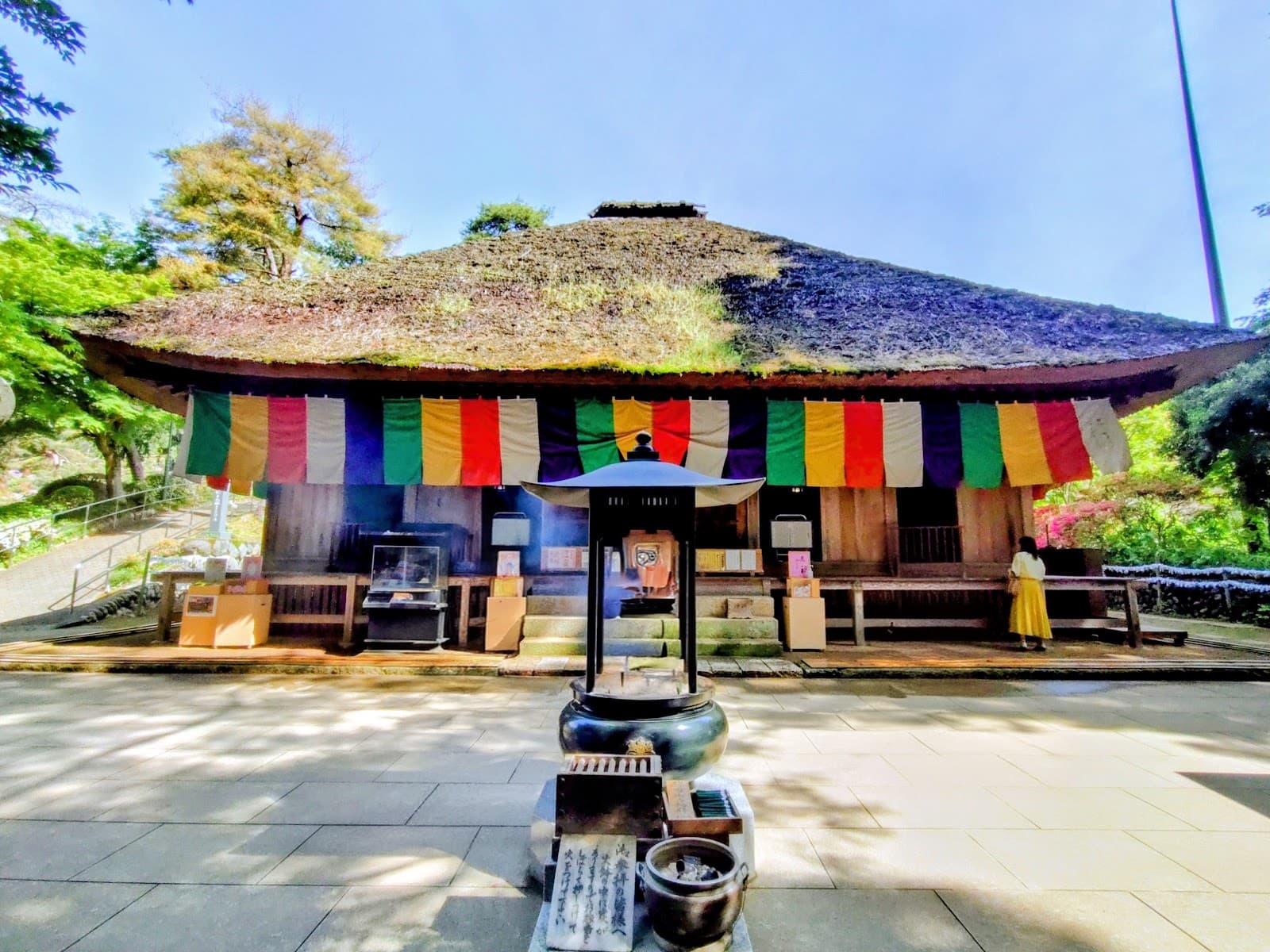
This preserved post town along the historic Aizu-Nishi Kaidō trade route maintains Edo-period thatched-roof buildings. Whilst predating the Taishō era, the traditional architecture and mountain setting evoke the series' rural scenes. Entry to the village is free; restaurants serve local specialties including negi-soba (buckwheat noodles eaten with a spring onion instead of chopsticks).
From Tokyo, take the Tōhoku Shinkansen to Shin-Shirakawa Station, then a bus to Yunokami Onsen (total journey 3-4 hours, approximately ¥9,000). Buses connect to Ōuchi-juku (¥350, 15 minutes, seasonal services only).
Practical Tips for Your Demon Slayer Pilgrimage
Best Seasons
Spring (March-May) offers wisteria blooms and comfortable hiking weather. Autumn (October-November) provides stunning mountain colours and clear skies for Mount Fuji viewing. Winter visits (December-February) suit onsen experiences and snowy northern villages, though mountain access becomes restricted.
Budget Planning
A comprehensive Demon Slayer location tour over 7-10 days costs approximately ¥80,000-150,000 per person, including:
- Accommodation: ¥30,000-60,000 (mix of hostels and ryokan)
- Transportation: ¥20,000-40,000 (JR Pass potentially economical for extensive travel)
- Admissions and activities: ¥10,000-20,000
- Food: ¥20,000-30,000
Getting Around
The 7-day JR Pass (¥29,650) provides good value if combining Tokyo with Hakone, Tōhoku regions, and other distant locations. For Tokyo-focused trips, IC cards (Suica or PASMO, ¥500 deposit plus charge) offer greater convenience.
Photography Etiquette
Always respect temple and shrine photography restrictions - some areas prohibit photography entirely. In residential areas like Asakusa's backstreets, keep noise levels low and don't block doorways for photos. At popular spots like Chureito Pagoda, be patient and allow others their turn at prime positions.
Creating Your Itinerary
For first-time visitors, start with Asakusa as your base (2-3 days). Add either Hakone (1-2 days) or Mount Fuji area (1-2 days), choosing based on your interest in onsen versus mountain scenery. Schedule wisteria visits specifically during bloom season if travelling in spring.
Experienced Japan travellers might combine Tokyo locations with a Tōhoku trip (3-4 additional days), though this requires careful planning around limited bus services.
Whether you're seeking Tanjiro's mountain training grounds or the atmospheric streets where demons once lurked, these real locations bring Demon Slayer's world vividly to life. The combination of historic preservation, natural beauty, and cultural significance creates an unforgettable journey through both anime fantasy and authentic Japanese heritage.