
 By Declan Barry
Bowing in Japan: What Tourists Actually Need to Know
You've probably seen it in films or read about it in guidebooks: the Japanese bow. It looks simple enough, until you're standing in a Kyoto temple, someone bows to you, and you freeze, wondering if you should bow back, how low to go, and whether you've just committed a cultural faux pas.
Here's the reassuring truth: as a tourist, you're not expected to master the intricacies of Japanese bowing etiquette. Most Japanese people understand you're visiting from a different culture, and a simple nod or slight bow is perfectly acceptable. That said, understanding the basics helps you navigate social situations more comfortably and shows respect for local customs.
The Real Function of Bowing
Bowing in Japan serves multiple purposes beyond simple greeting. It expresses gratitude, apology, respect, and acknowledgement all at once. The depth and duration of the bow conveys the intensity of these feelings.
In Tokyo department stores like Mitsukoshi in Nihombashi, you'll see staff members bow deeply as customers enter and leave. At ryokan in Hakone, your hostess might bow several times whilst showing you to your room. These aren't performances for tourists - they're standard professional behaviour that's second nature to Japanese people from childhood.
The key for visitors: you're not expected to reciprocate at the same level. A slight bow or nod acknowledges their gesture without pretending you've mastered a lifetime of cultural training.
The Three Main Types of Bows
Eshaku: The Casual Bow
This is your default bow as a tourist. Bend forward about 15 degrees from the waist, keeping your back straight and hands at your sides or clasped in front. Hold for a beat, then straighten up. You'll use this when:
- Greeting shopkeepers in Nara or Osaka
- Thanking someone who's helped you find Fushimi Inari Shrine
- Passing someone in a narrow corridor at your Kanazawa ryokan
- Acknowledging the JR staff who checks your Japan Rail Pass at Shin-Osaka Station
Duration: roughly one second. It's quick, polite, and covers most tourist situations.
Keirei: The Respectful Bow
At 30 degrees, this deeper bow shows more respect or gratitude. You might naturally do this when:
- A restaurant owner in Takayama offers you a complimentary dish
- Someone goes significantly out of their way to help you navigate Shinjuku Station
- Meeting your host at a traditional guesthouse in Koyasan
- Thanking temple staff who've given you a detailed explanation at Kinkaku-ji
As a visitor, this feels appropriate when someone's done something notably kind or helpful. Hold it for two seconds.
Saikeirei: The Deep Formal Bow
At 45 degrees and held for three seconds, this expresses profound respect, deep apology, or significant gratitude. You'll rarely need this as a tourist unless you've caused serious inconvenience - say, accidentally damaging something valuable in a shop.
Mostly, you'll observe others using it: monks at Todai-ji in Nara bowing to the Buddha statue, business people meeting important clients at Osaka hotels, or someone making a formal apology. It's useful to recognise but not something you'll use casually.
Practical Bowing Situations You'll Actually Encounter
At Restaurants and Cafes
When entering a restaurant in Kyoto's Gion district or a ramen shop near Sapporo Station, staff typically greet you with "Irasshaimase!" (Welcome!) accompanied by a bow. You don't need to bow back here - a smile and nod is standard. The greeting is their professional custom, not an invitation for reciprocal bowing.
However, when leaving after your meal, a slight bow whilst saying "Gochisousama deshita" (Thank you for the meal) shows appreciation and will be warmly received. This works everywhere from Michelin-starred kaiseki restaurants in Tokyo to casual curry houses in Hiroshima.
At Accommodation
Checking into a business hotel in Nagoya? The front desk staff will bow, you can nod politely. Checking into a traditional ryokan in Kinosaki Onsen? Your hostess may bow quite deeply. A genuine bow in return here feels appropriate - not matching her depth, but showing you appreciate the personal service.
When your ryokan host sees you off in the morning, often bowing until your taxi disappears from view, a bow and wave from the car window acknowledges their courtesy.
At Shops and Department Stores
In Osaka's Shinsaibashi shopping district or Tokyo's Ginza, department store staff bow frequently. When trying on clothes at Uniqlo in Harajuku or browsing ceramics in Mashiko, staff bow when approaching you, when you make a purchase, and when you leave.
You're not expected to bow each time - this would create an exhausting bow loop. A smile and slight nod when they hand you your shopping bag is plenty. Save a proper bow for when someone's provided exceptional service, like spending 20 minutes helping you find the perfect souvenir.
On Public Transport
You'll rarely need to bow on trains or buses, but situations arise. If you accidentally bump someone on a crowded Yamanote Line train in Tokyo, a quick bow with "Sumimasen" (Excuse me/Sorry) is the standard response. If someone offers you their seat on the Hankyu Line to Kobe, a bow whilst accepting shows gratitude.
Shinkansen staff entering and leaving carriages bow to passengers. You needn't bow back - they're performing their role professionally.
At Temples and Shrines
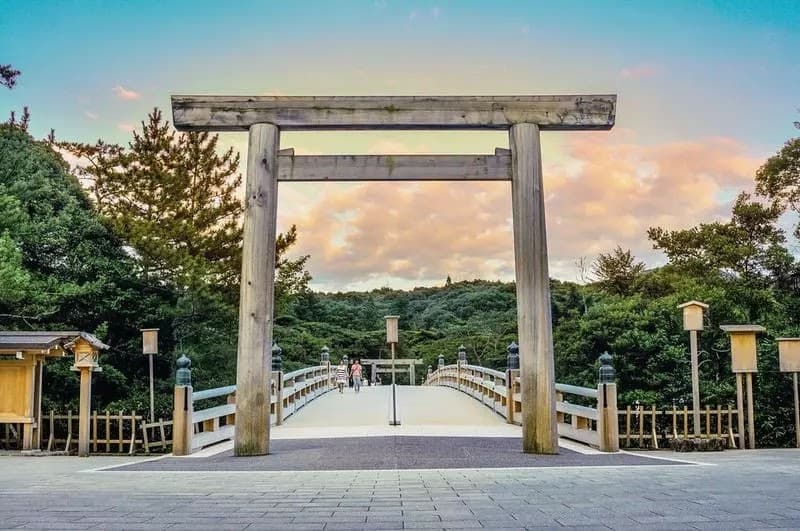
At Senso-ji in Asakusa or Itsukushima Shrine near Hiroshima, you'll see Japanese visitors bowing to the main hall or torii gate. This is prayer, not social etiquette. You're welcome to bow respectfully if you wish, but there's no obligation. Monks or shrine staff might bow when greeting you - a simple bow back is respectful.
Note: at most shrines, there's a specific sequence involving two bows, two claps, and one bow when praying. This differs from social bowing and has its own protocol.
Common Tourist Mistakes (And Why They Don't Matter Much)
Bowing While Shaking Hands
This feels awkward because it is - you're mixing two different cultural greetings. Yet many Japanese people, especially those who regularly interact with foreigners in Tokyo or Osaka business districts, automatically extend a hand whilst bowing. If this happens, just go with it. Neither culture takes precedence, and the hybrid is increasingly common.
Looking Up While Bowing
Traditionally, you should keep your gaze lowered during a bow. Many tourists instinctively maintain eye contact, British or American style. It's technically incorrect but rarely causes offence. In casual situations, most Japanese people won't notice or mind.
Bowing Too Enthusiastically
Overcompensating with an overly deep bow can seem comical or even sarcastic. A visiting friend once bowed 45 degrees to a convenience store clerk in Fukuoka who'd simply handed him change. The clerk looked bewildered. Match the energy of the situation - casual interactions warrant casual bows.
Not Bowing at All
Some tourists worry they'll bow incorrectly and avoid it entirely, relying only on verbal thanks. Whilst not rude, you miss an opportunity to engage with local customs. A slightly clumsy bow beats no bow, and Japanese people genuinely appreciate the effort.
When Not to Bow
Carrying Items
If you're juggling shopping bags from Tokyu Hands in Shibuya or balancing a tray of food at a standing sushi bar in Kanazawa, you needn't attempt a bow. A smile and verbal thanks suffices. Bowing requires your hands to be free or at least reasonably unencumbered.
In Informal Social Settings
At a Hiroshima izakaya where you've become friendly with the owner, or chatting with other guests at a Nagano guesthouse, the atmosphere becomes relaxed. You might still bow in greeting or farewell, but constant bowing throughout conversation isn't expected. Read the room - if others are casual, you can be too.
With Very Close Friends
Japanese friends who've spent significant time abroad or young people in urban areas like Tokyo's Shimokitazawa neighbourhood may greet you with a wave, high-five, or hug rather than a bow. Follow their lead.
Regional and Generational Differences
In Kyoto and other Kansai regions, you might notice slightly more formal behaviour compared to Tokyo. Traditional ryokan in places like Takayama maintain stricter etiquette than modern hotels in Yokohama. Rural areas like Tottori or Akita often feature warmer, more relaxed interactions than big cities.
Younger Japanese people, particularly those under 30 in urban areas, tend toward less formal bowing in casual settings. You'll still see it in professional contexts, but amongst friends at a Harajuku café, bows might be minimal or replaced with nods.
The Art of Receiving Bows Gracefully
When someone bows to you - whether a shopkeeper in Nara's Naramachi district, a fellow guest at a Beppu onsen, or a taxi driver in Sapporo - the natural response is to bow back. Don't overthink the angle or duration. A sincere, simple bow is always appropriate.
If someone bows repeatedly (common in service industries), you needn't match every bow. One or two responses during the interaction is sufficient. Japanese service staff are trained to bow frequently; they're not expecting or seeking reciprocation each time.
Bowing Versus Speaking
In Japan, bowing often substitutes for words. When someone bows whilst saying "Arigatou gozaimasu" (Thank you very much) at a Sendai restaurant, your bow back communicates understanding and acknowledgement, even if you don't speak Japanese.
However, combining a bow with appropriate Japanese phrases enhances the gesture:
- "Arigatou gozaimasu" (Thank you very much) with a bow when someone's helped you
- "Sumimasen" (Excuse me/Sorry) with a bow if you've inconvenienced someone
- "Onegaishimasu" (Please/I'm counting on you) with a bow when requesting help
At Kansai International Airport's immigration, even a simple bow with "Arigatou" (casual thank you) to the officer creates a positive moment.
Teaching Children to Bow
Travelling with children to Japan? They'll charm locals by attempting even small bows. At a Yokohama children's museum or ordering ice cream in Kamakura, a child's bow - however imperfect - delights Japanese people.
Teach your children that bowing is like saying "thank you" or "sorry" with your body. Keep it simple: "When someone's kind to you, we show them we appreciate it by bowing a little." Don't worry about perfect form. The effort alone brings smiles, especially from older generations in places like Kanazawa or Matsumoto.
What Actually Matters
Here's what Japanese people truly notice and appreciate from tourists:
Sincerity over perfection. A genuine, slightly awkward bow beats a technically perfect but mechanical one. Whether you're at a Michelin-starred restaurant in Kyoto or a tiny ramen shop in Fukuoka, authenticity reads clearly.
Making the effort. Simply attempting to bow, even if uncertain, demonstrates respect for Japanese culture. At a homestay in rural Gifu or a pottery workshop in Mashiko, your willingness to engage with local customs matters more than flawless execution.
Reading situations. Matching the formality of your surroundings shows cultural awareness. A deep bow at a traditional tea ceremony in Uji feels right; the same depth at a casual Osaka okonomiyaki restaurant feels odd. Context matters more than memorised rules.
Staying relaxed. Tension and anxiety about bowing correctly ironically makes you bow worse and enjoy Japan less. Japanese people are remarkably forgiving of cultural differences. At Nagoya's Atsuta Shrine or shopping in Sapporo's Tanukikoji, a relaxed, friendly approach works better than stressed perfectionism.
The Bottom Line for Tourists
You don't need to master Japanese bowing etiquette to travel respectfully through Japan. A simple 15-degree bow with a smile covers 90% of tourist situations from Hakone to Hiroshima. Save deeper bows for moments of genuine gratitude or respect - when someone's gone notably out of their way to help you find your Osaka hotel, when checking into a traditional Nikko ryokan, when thanking the chef at a special Kanazawa meal.
Most importantly, don't let concern about bowing prevent you from interacting with Japanese people. Whether you're asking directions in Kyoto's Gion district, ordering coffee in a Shimokitazawa café, or admiring ceramics at a Bizen pottery studio, your attempts to engage respectfully matter far more than technical perfection.
The Japanese people you'll meet - from Tokyo to Kagoshima - appreciate visitors who make genuine efforts to respect local customs, even imperfectly. A slightly clumsy bow with a warm smile opens more doors than avoiding the gesture entirely. Relax, observe those around you, and let your natural courtesy guide you. That's actually all you need to know.